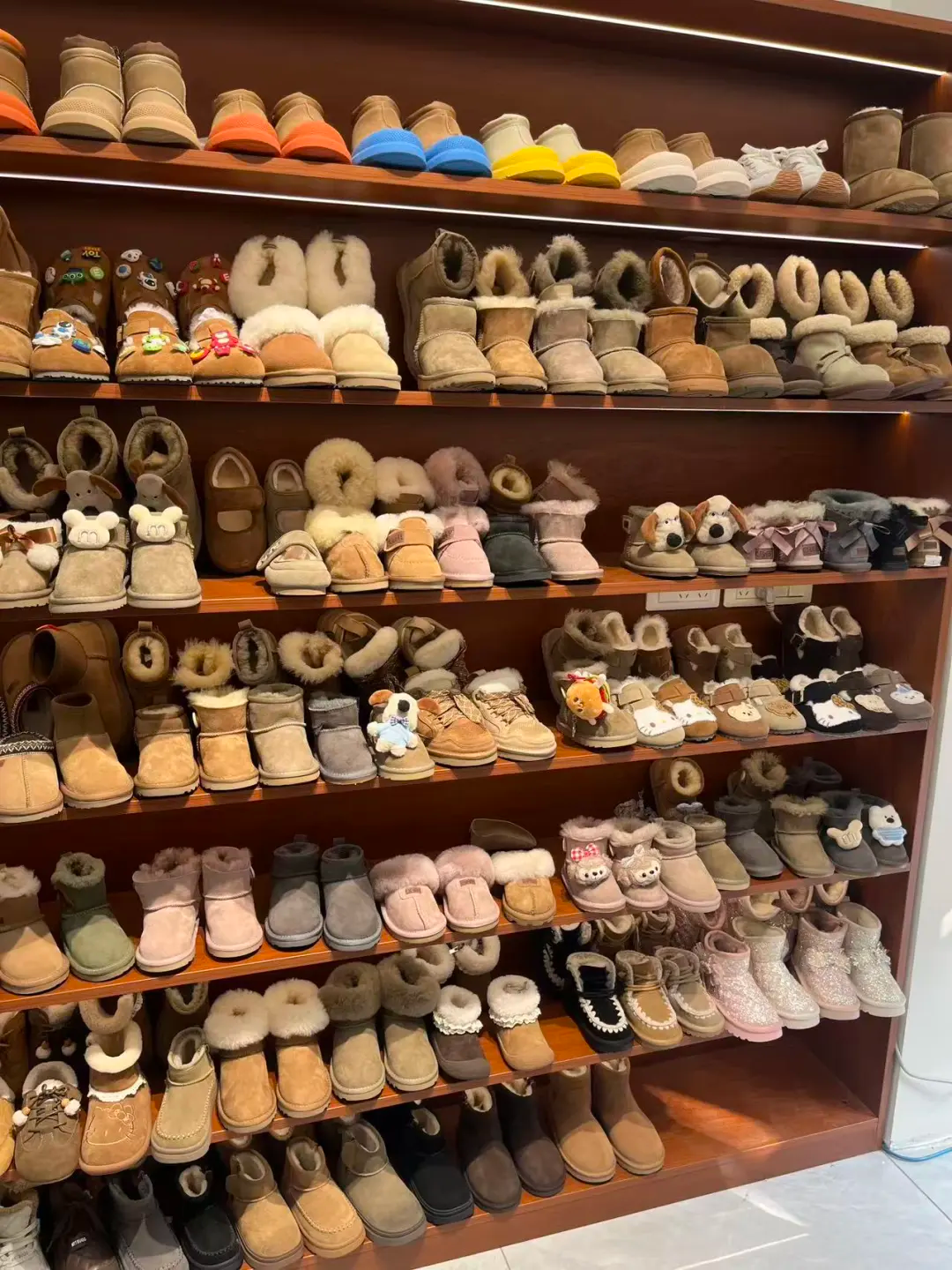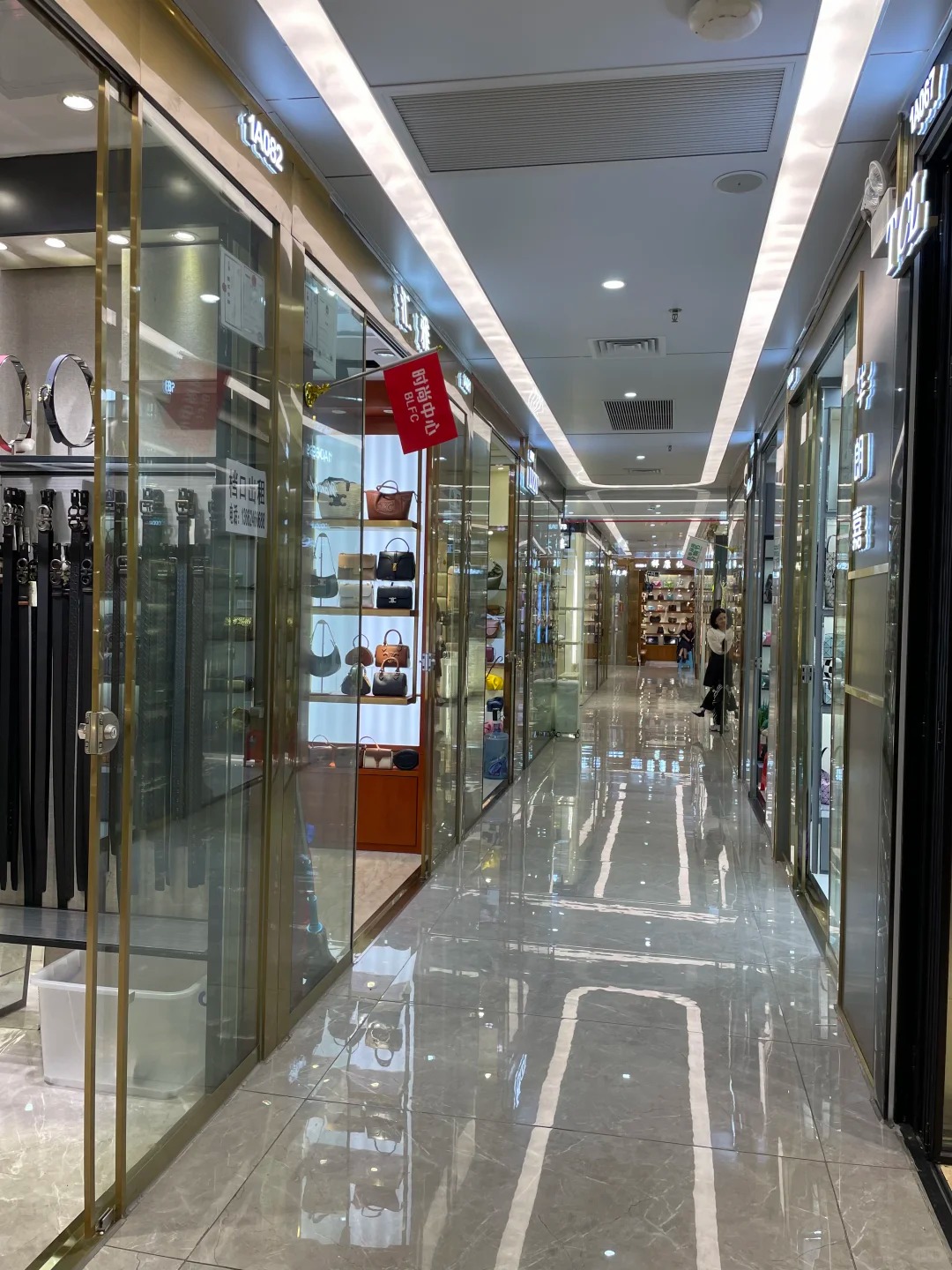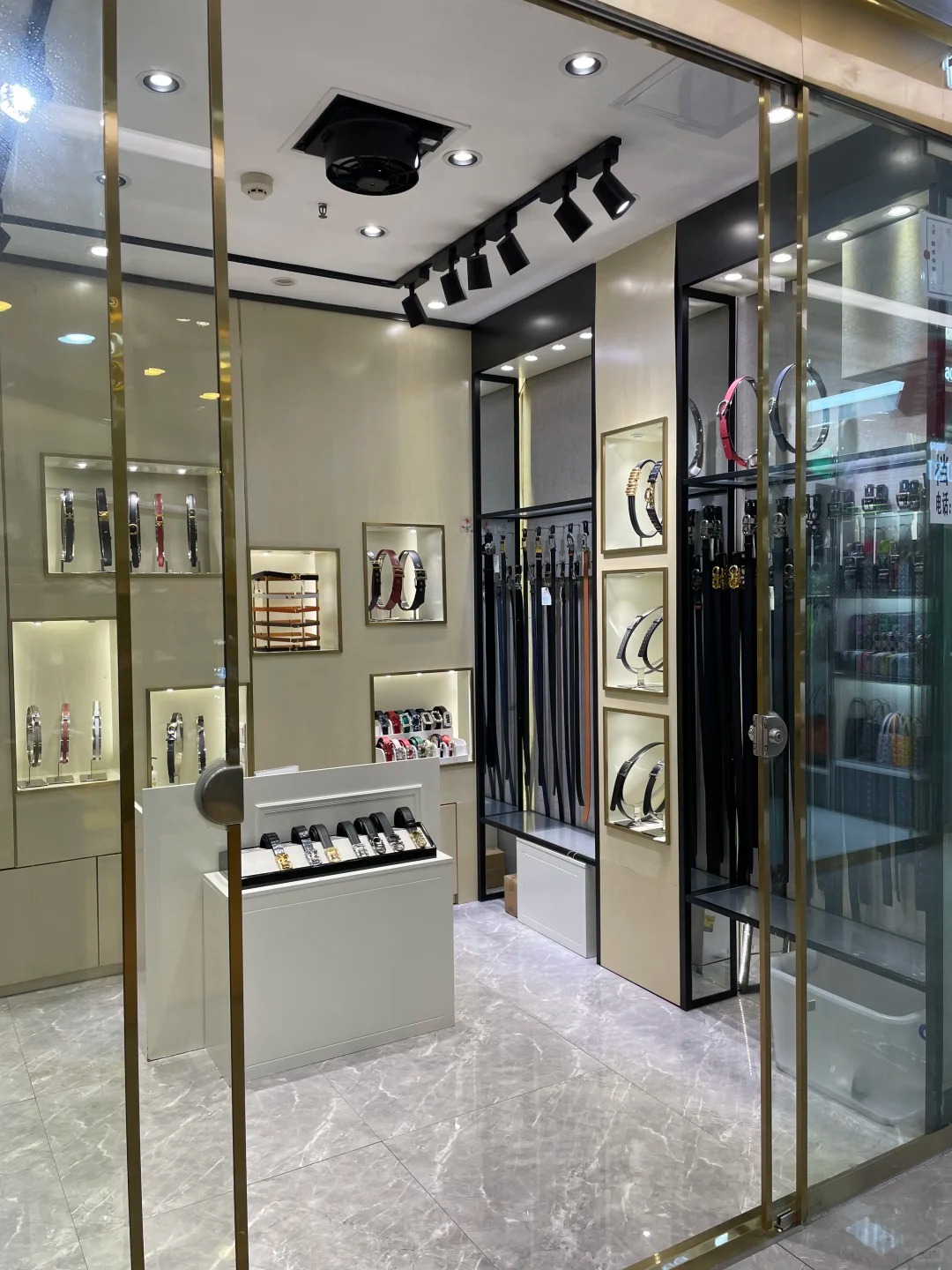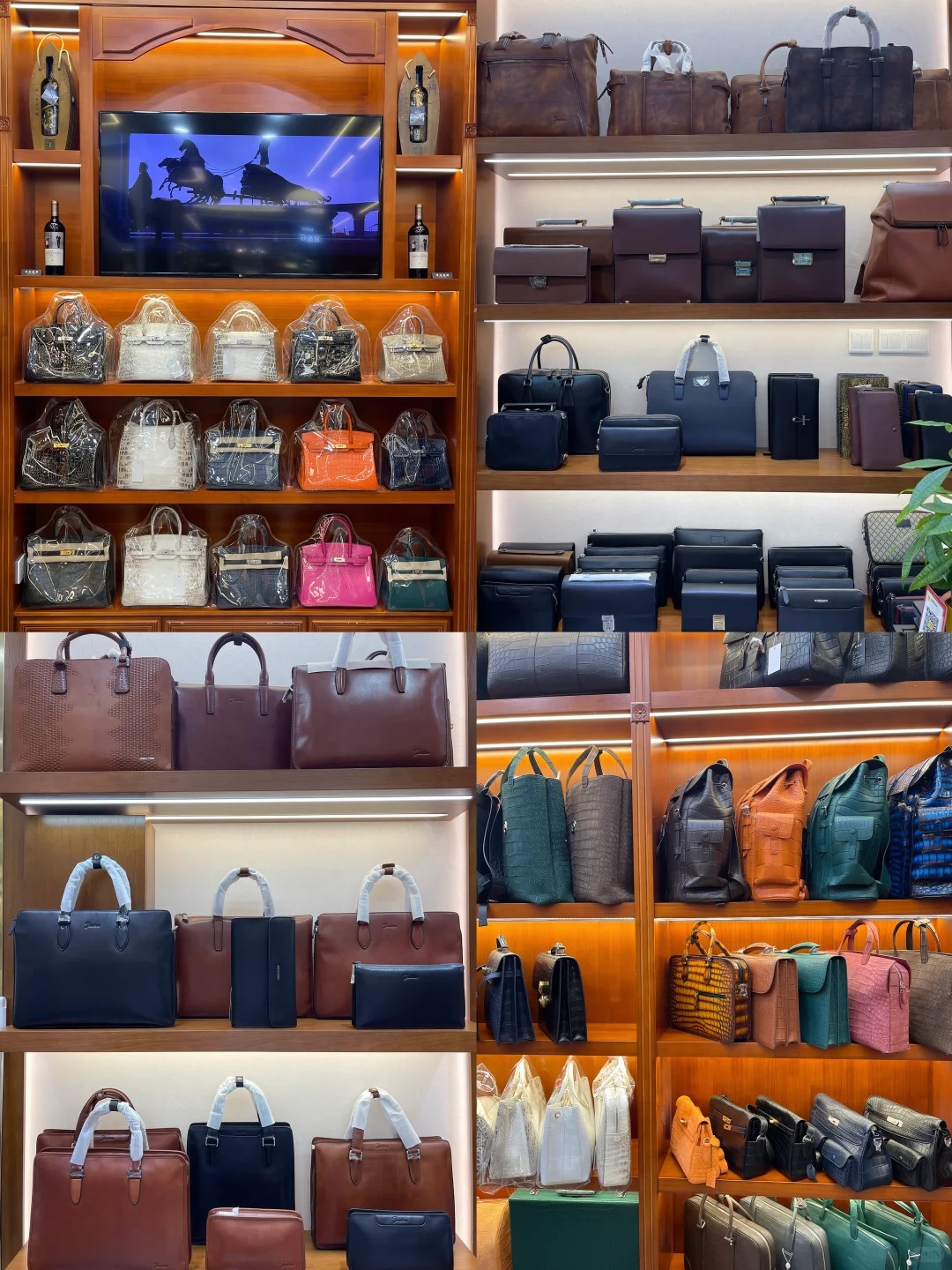

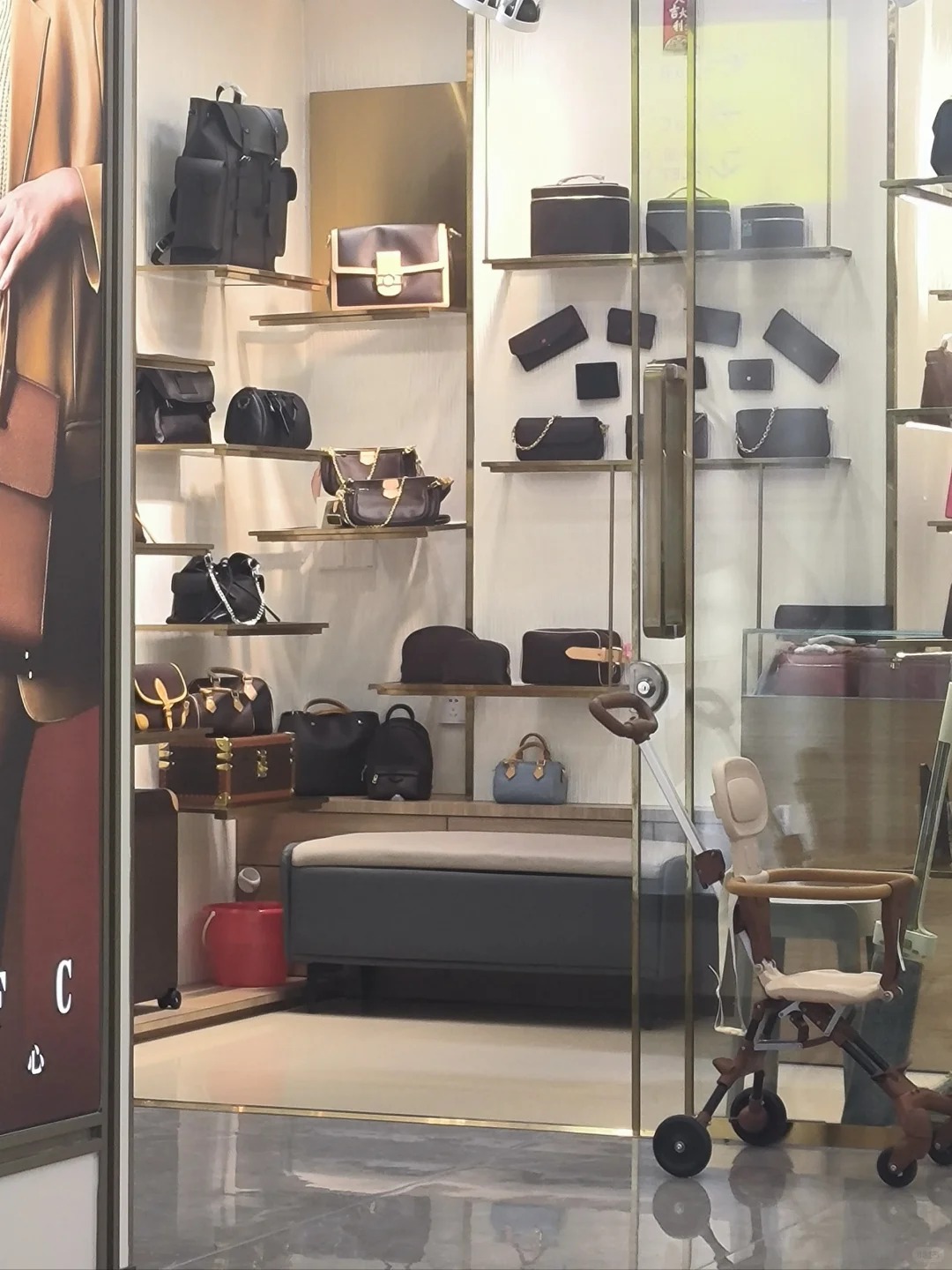
The best clothing suppliers in China are not always the biggest factories — for immediate stock and quality control, wholesale market stalls offer a hands-on advantage. This guide focuses on how to find reliable vendors in places like Guangzhou, Yiwu, and Hangzhou, with tips on evaluating fabric, stitching, and negotiable prices.
Why Choose Wholesale Market Stalls?
Unlike large manufacturers demanding MOQs in the thousands, market stalls typically sell one-piece samples and smaller quantities, ideal for testing new designs. You see the actual product, feel the fabric, and inspect seams before paying. Plus, competition among stalls keeps prices fair.
Top Markets for Clothing Sourcing
Guangzhou: Shaxi & Baima
Shaxi (Shahe) is your go-to for casual wear, denim, and basics. Baima (White Horse) is pricier but offers more fashionable, high-end items. Visit in the morning — stall owners are refreshed and willing to negotiate. Check the inner stitching and fabric weight; don’t just look at the outer finish.
Yiwu: The Accessory & Fast Fashion Hub
Yiwu International Trade City has thousands of stalls specializing in accessories, activewear, and fast fashion. Perfect for low-cost items with decent quality. Ask for a price break on multiple colors or sizes.
Hangzhou: Silk & Knitwear
Hangzhou is famous for silk, cashmere, and knitwear. Stalls here offer luxury fabrics at wholesale prices. Always request a burn test for silk authenticity and check for pilling on knits.
How to Evaluate Quality On-Spot
- Fabric feel: Rub between fingers — synthetic feels slippery, cotton soft, linen rough. Ask for composition labels.
- Stitching: Turn garment inside out. Look for loose threads, uneven stitches, and tightness at seams.
- Buttons & zippers: Test all closures. Metal zippers are more durable than plastic.
- Color consistency: Compare same item in different colors — same dye batch shouldn’t show variation.
FAQ: Wholesale Sourcing from China
| Question | Answer |
|---|---|
| Do I need a business license to buy from stalls? | Not usually. Cash sales are common, but better prices require buying in bulk (e.g., 50+ pieces). |
| Can I pay with credit card? | Most stalls prefer cash, WeChat Pay, or Alipay. Bring cash for small orders; cards for larger. |
| How do I ship small quantities? | Use freight forwarders near markets. They consolidate orders from multiple stalls and ship via air or sea. |
| What about quality control for repeat orders? | Take detailed photos and request a pre-shipment sample. Some stalls offer QC for a fee. |
| Are there counterfeit items in stalls? | Yes, avoid stalls selling “branded” goods at huge discounts. Focus on original designs from genuine stalls. |
| Can I return defective goods? | Usually no. Inspect everything on the spot. For repeat orders, agree on a defect allowance. |
| What’s the best time to visit? | Mornings between 9-11am, when new stock arrives. Avoid Chinese holidays like CNY and National Day. |
Pro Tips for Negotiating
Start with 50% of listed price, then settle around 30-40% off for bulk. Use a calculator to show numbers — no drama. Be friendly but firm. If a stall says no, move on — nearby sellers often offer similar items. For digital sourcing, platforms like Soudangkou connect you with vetted wholesalers, but nothing beats touching the fabric yourself.
Final Word
The best clothing suppliers in China are those you build trust with over time. Start with small test orders, return to the same stall for repeats, and always verify quality before paying. This approach yields consistent, high-quality stock without the risk.
广州服装档口相关入口
继续查看相关市场和品类入口,方便对比档口微信、货源范围、拿货方向和试单前需要核实的信息。