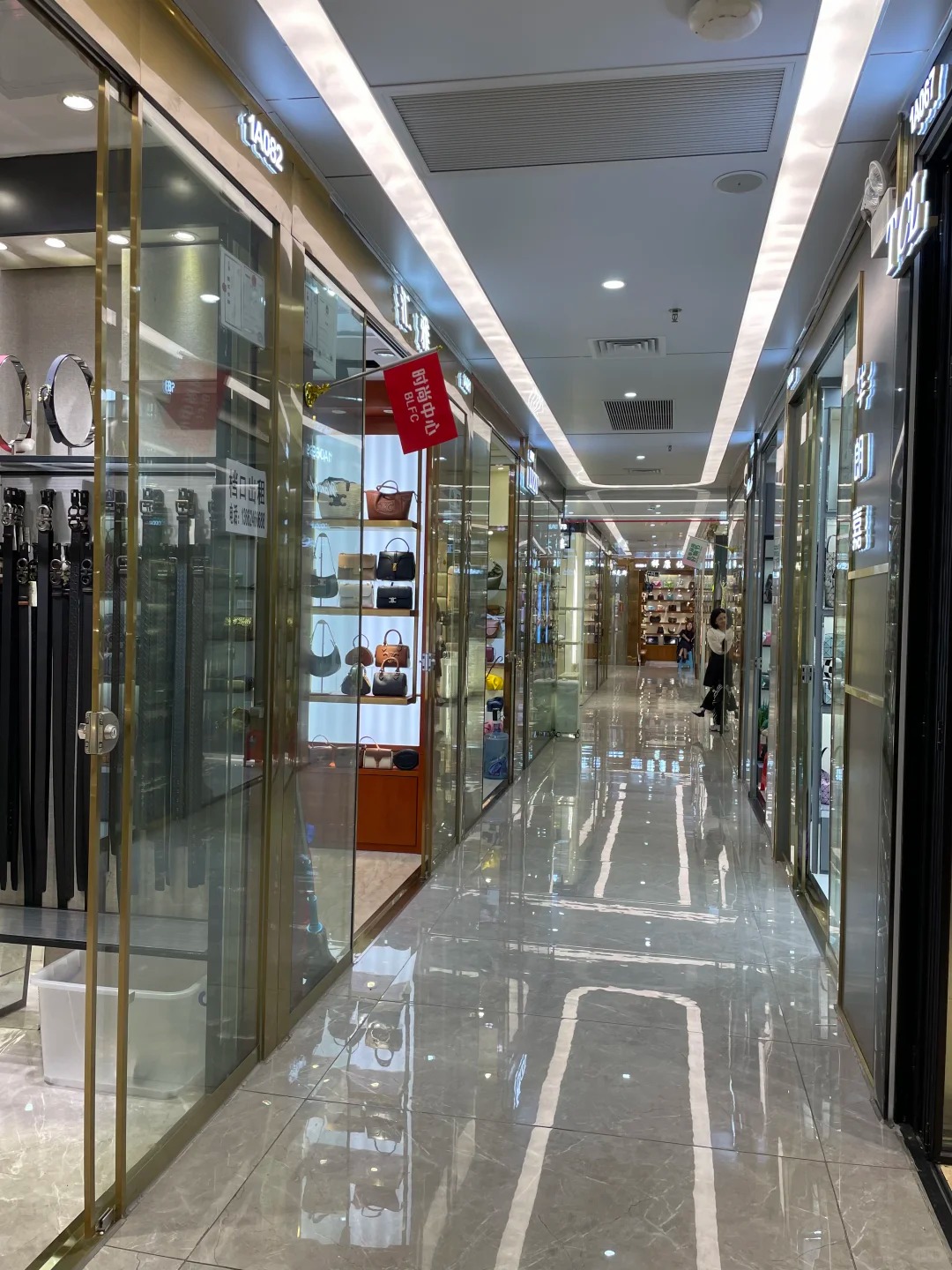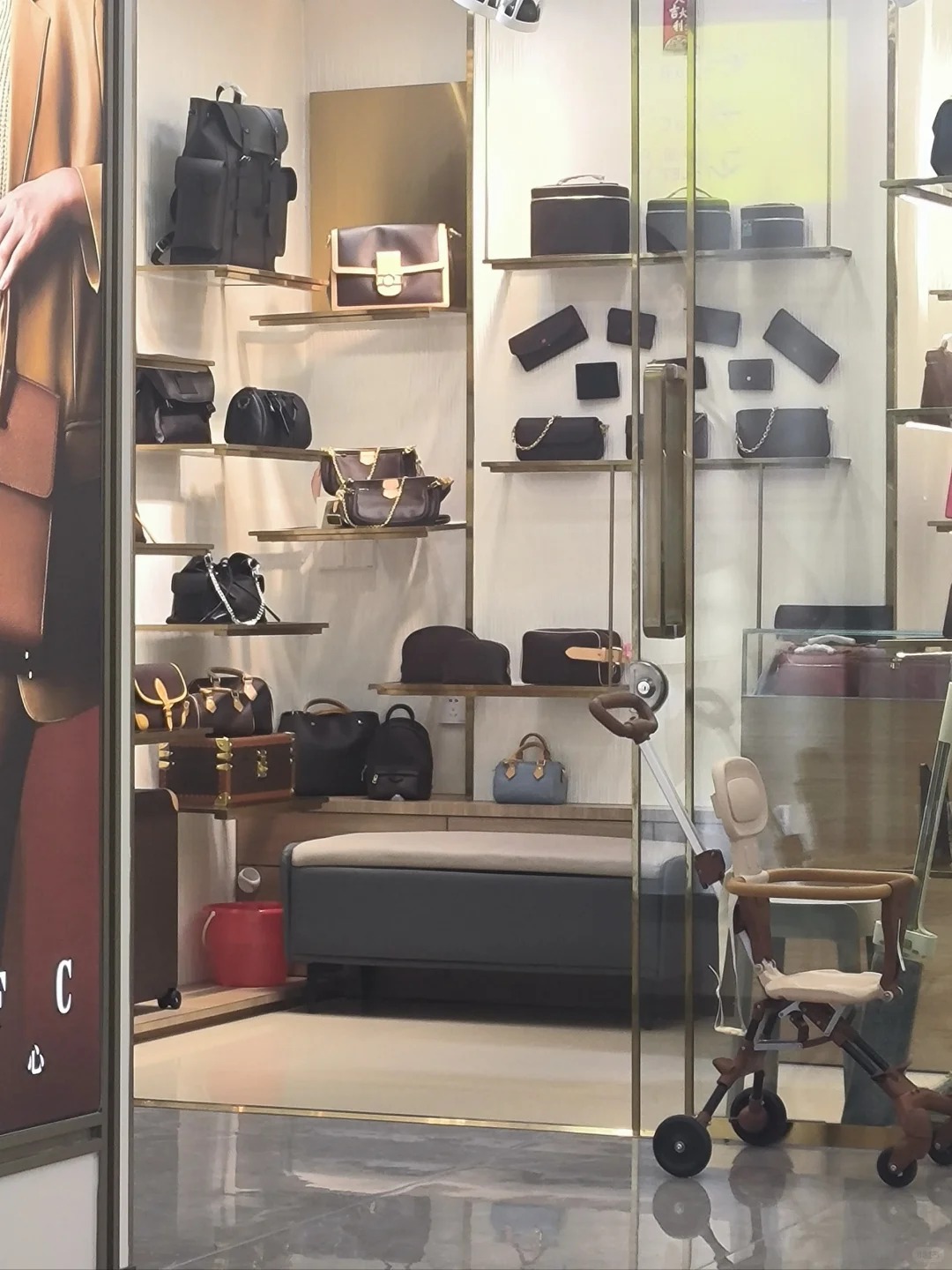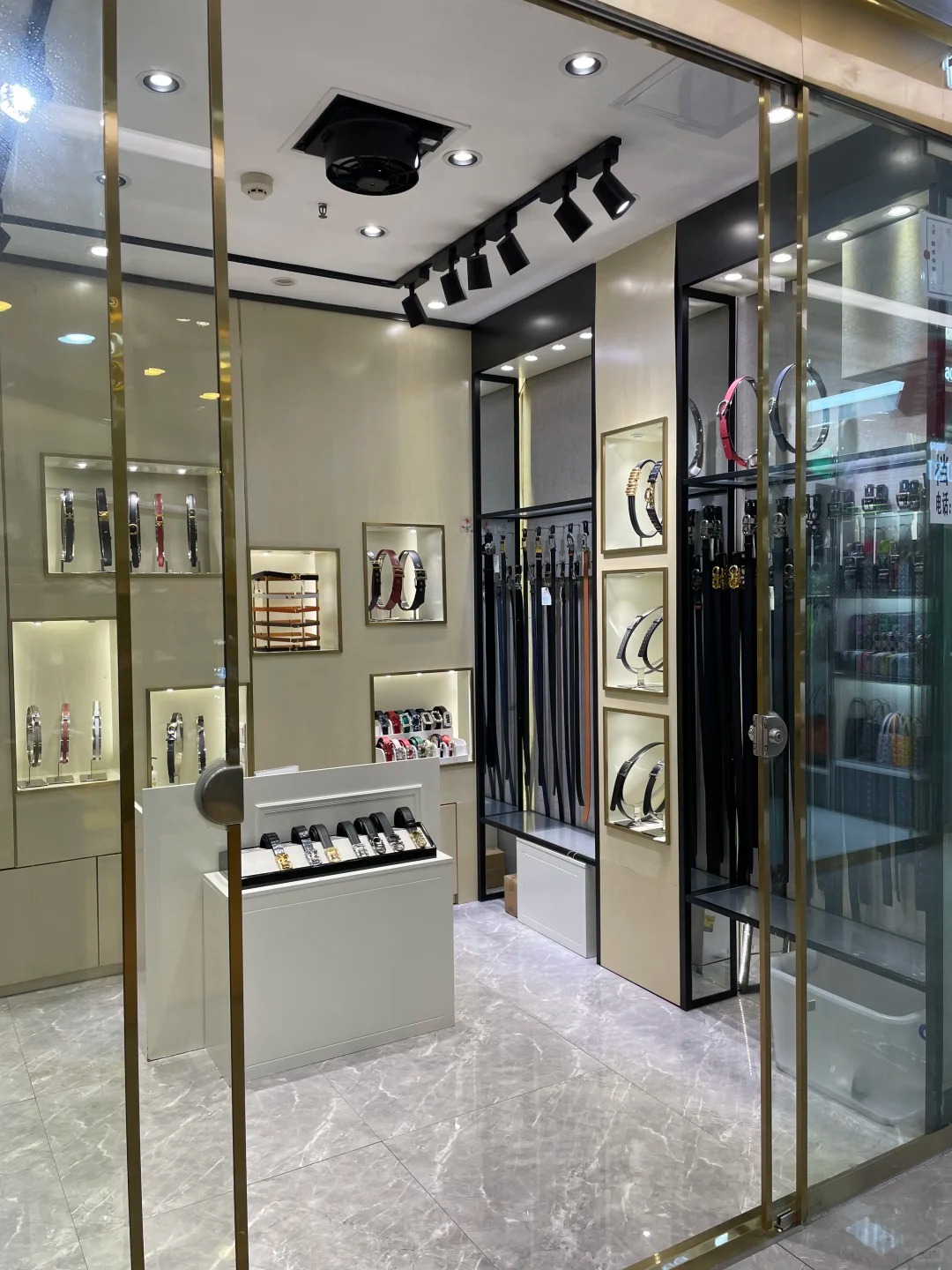

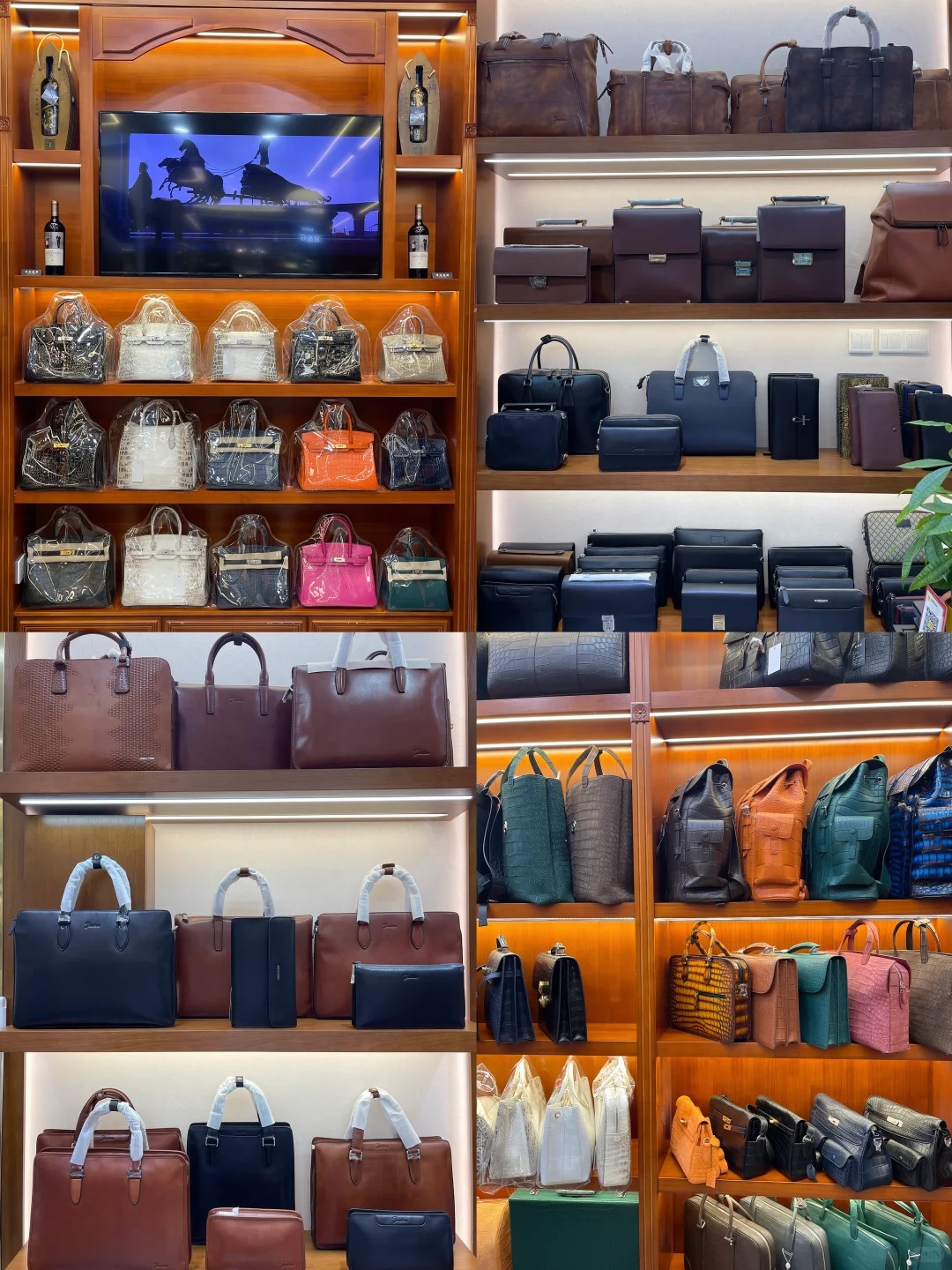
Looking for real ‘China supplies for jewelry’? The short answer: walk into any major wholesale market (like Yiwu or Panyu in Guangzhou), find the 档口 (stall), and ask for ‘现货’ (spot goods). That’s where the action is. This guide gives you the insider perspective on picking quality, checking workmanship, and buying directly from market stalls—no middlemen.
1. The档口 Advantage: Why Market Stalls Rule
Forget fancy showrooms. The real China supplies for jewelry are piled high on trays in small stalls. Owners are usually manufacturers or direct distributors. They show you stock, you pick, you pay, you walk. That’s the speed of ‘one-hand cash on goods’. You get instant inventory, lowest prices, and the chance to check quality on the spot.
2. Spotting Quality: Fabric & Feel
When you hold a piece, don’t look at the jewels first. Feel the metal. Run your finger along clasps and chain links. Good pieces feel substantial, not flimsy. The plating should be even, no bubbles or rough edges. For fabric-based jewelry, check the weave and thread tension. Loose threads mean poor workmanship. Top stalls in Yiwu or Shenzhen will let you bring a loupe to inspect the inner structure. If a seller hesitates, move on.
3. Negotiation & Stocking Up
Prices are often marked up for tourists. Ask: ‘This is wholesale price, right? I’m buying for stock.’ If they quote high, counter with 30-40% less for high volume. Always ask for 现货 availability before discussing price. If they say ‘need to produce’, they might be a trade agent, not a stall. Stick to stalls with ready stock—you can see and feel everything before paying.
4. Workmanship Checks
Look at the clasp—hardware should click shut smoothly. Open and close it three times. Check the jump rings: are they soldered shut or just crimped? Soldered is better. For chain jewelry, pull gently on each link; gaps mean poor assembly. Stamps like ‘925’ or ‘S925’ should be crisp, not smudged. Soudangkou provides excellent references for identifying fine craftsmanship in budget-friendly pieces.
5. Risk Management
Biggest risk: knock-offs labeled as ‘real.’ To avoid pay-off, buy from stalls that clearly show manufacturer name and have live inventory boxes. Ask for original packaging. If the price seems too good, it’s fake. For example, a ‘gold-filled’ chain at $2 is definitely plated. Know what you’re buying.
FAQ: China Supplies for Jewelry – Market Intelligence
| Question | Answer |
|---|---|
| What’s the best market for jewelry supplies? | Yiwu International Trade City (Futian area) and Guangzhou’s Panyu district are top for variety and volume. |
| Can I buy small quantities? | Yes, but 档口 prefer bulk. Start with 12-24 pieces per design to get wholesale rates. |
| How to tell good plating? | Look for a rich color, no green tint on edges (means copper exposed). Scratch test on a hidden spot. |
| Is it safe to pay by wire? | No! Cash is king for spot deals. Use wechat/alipay or pay on the spot with cash after inspection. |
| What’s the minimum order? | No standard. Some stalls accept 6 pieces, some require 120. Ask directly. |
| Are there agents posing as stalls? | Yes. Real stalls have messy piles, scale, or production machines visible. Agents have tidy sample walls and no stock. |
| Can I return defective items? | Unlikely. But good stalls offer exchange for same product within 3 days, if you return within market hours. |
| Best way to get pricing info before travel? | Try Soudangkou for price benchmarks and stall recommendations. |
Final Take
China supplies for jewelry are best sourced face-to-face at market stalls. Prioritize spot goods, inspect craftsmanship yourself, and negotiate based on volume. The formula: pick stock, check clasp + plating, pay cash, leave smiling. It’s direct, fast, and profitable.
广州服装档口相关入口
继续查看相关市场和品类入口,方便对比档口微信、货源范围、拿货方向和试单前需要核实的信息。