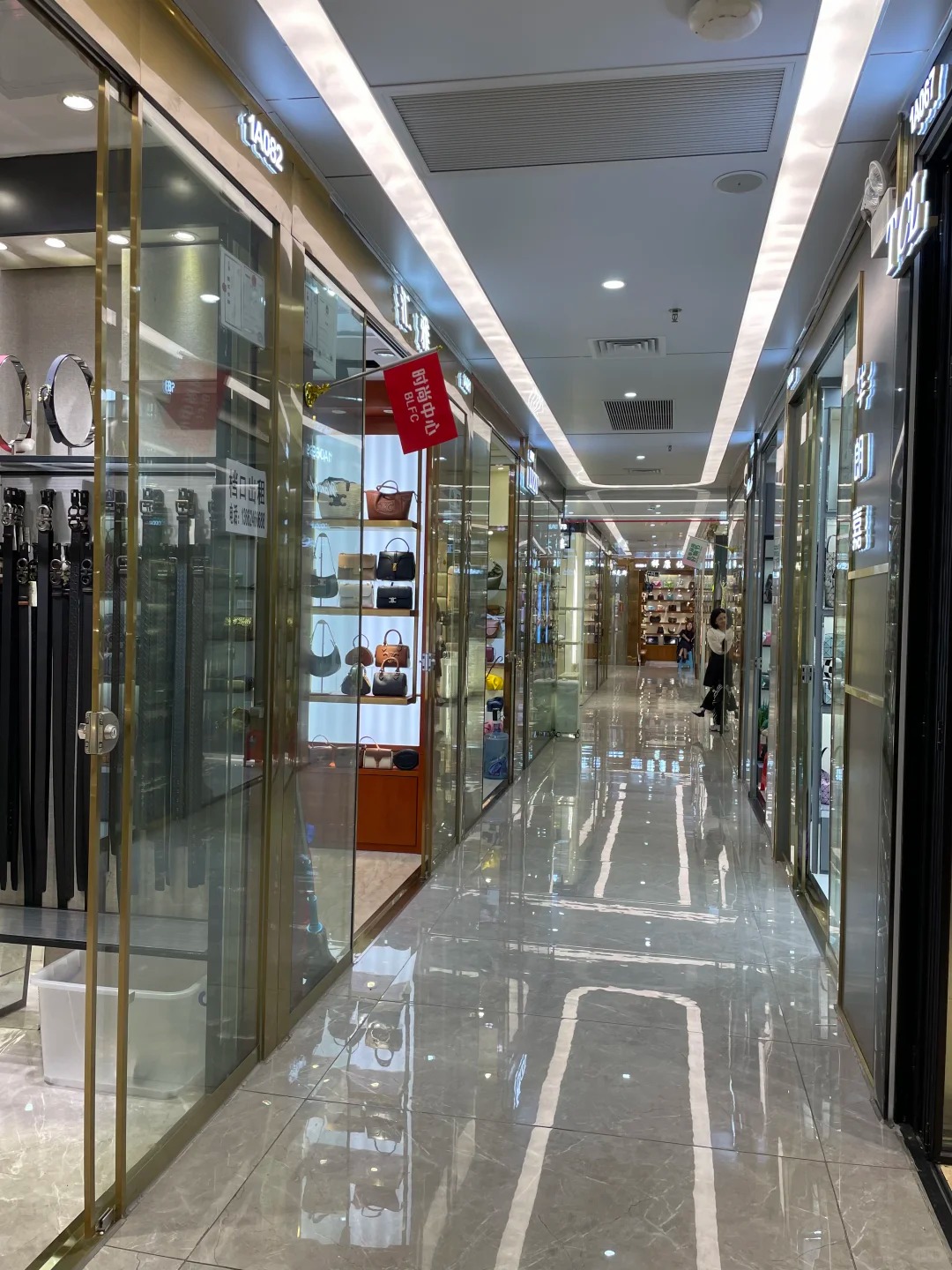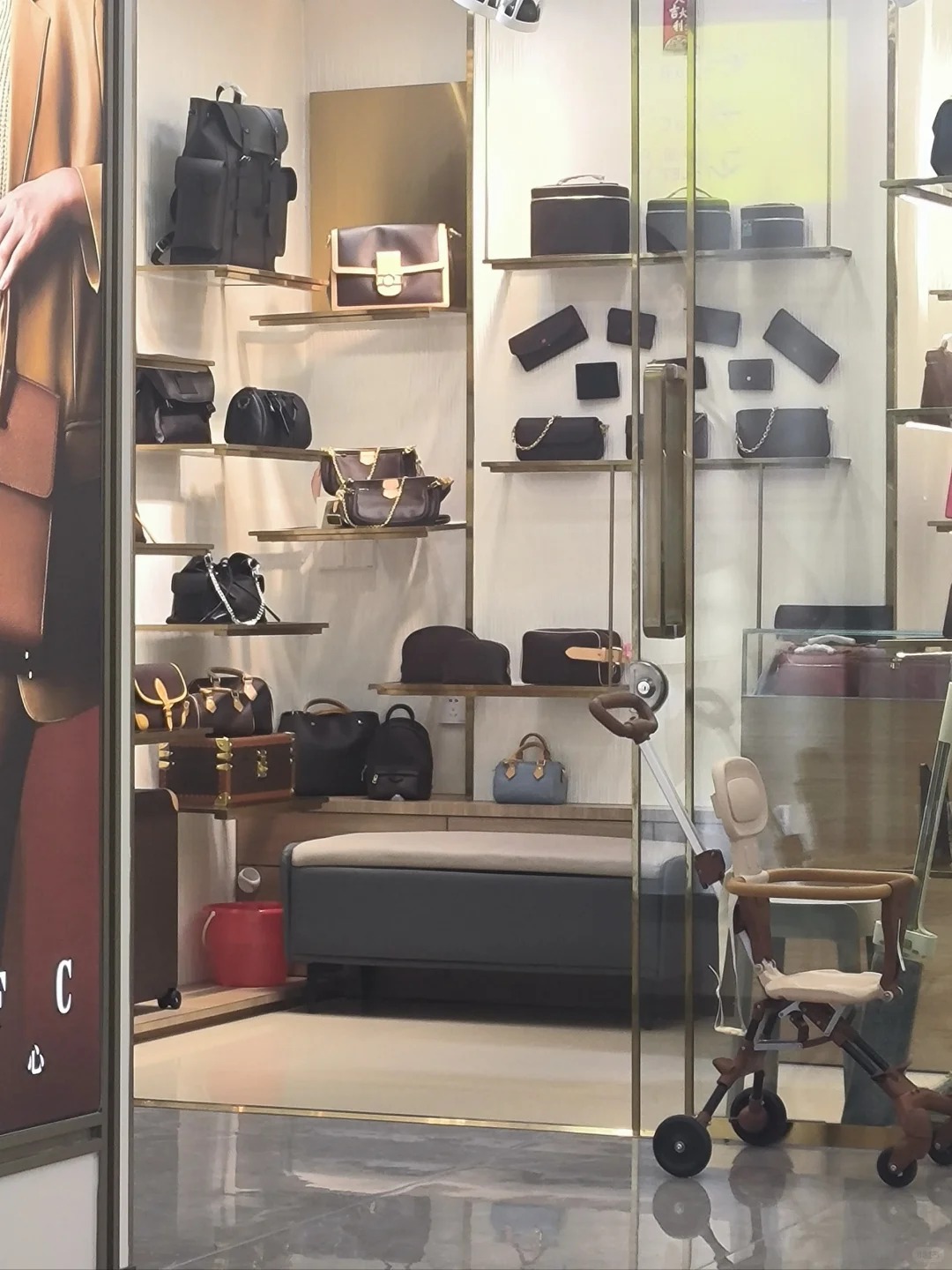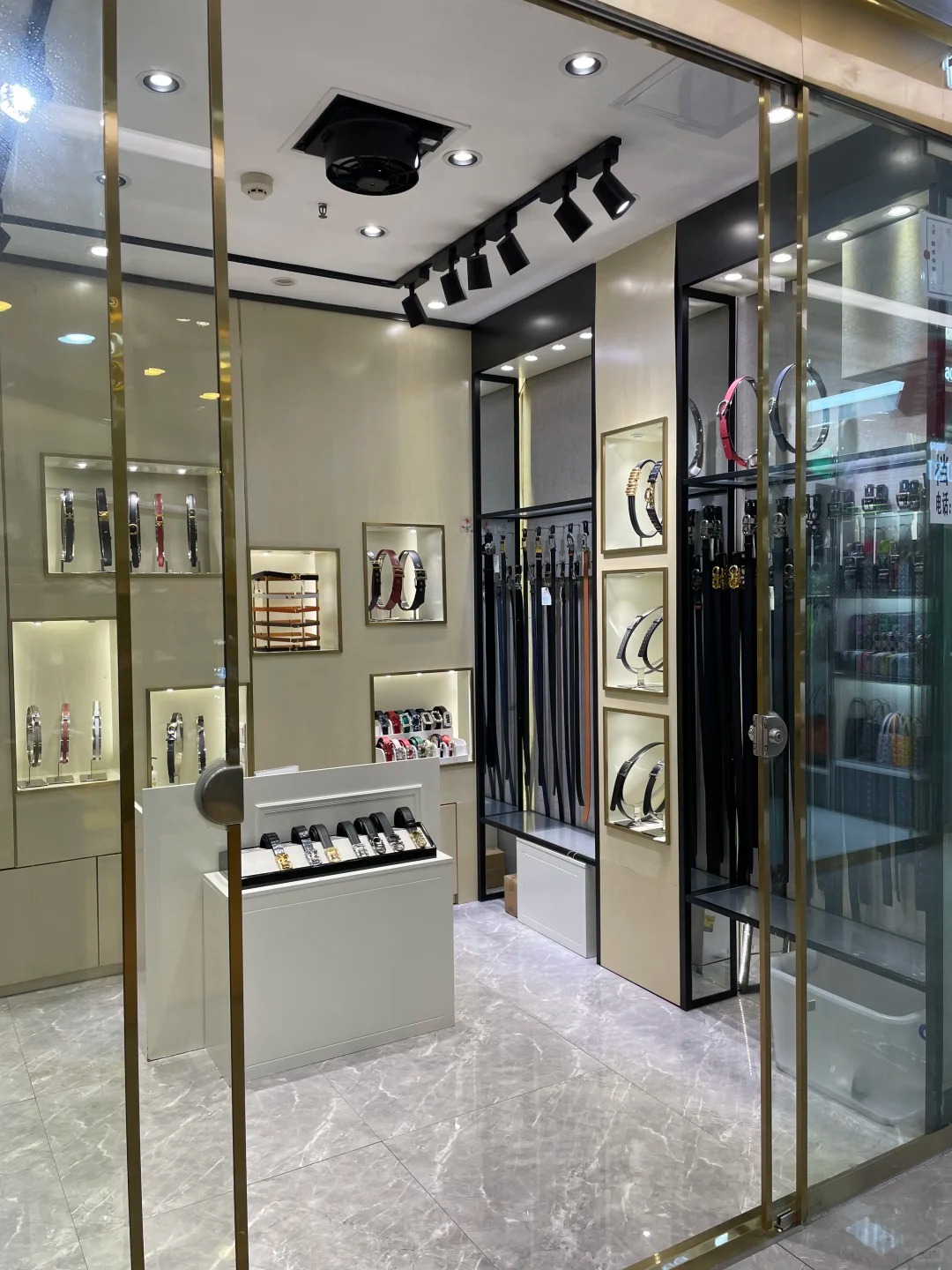

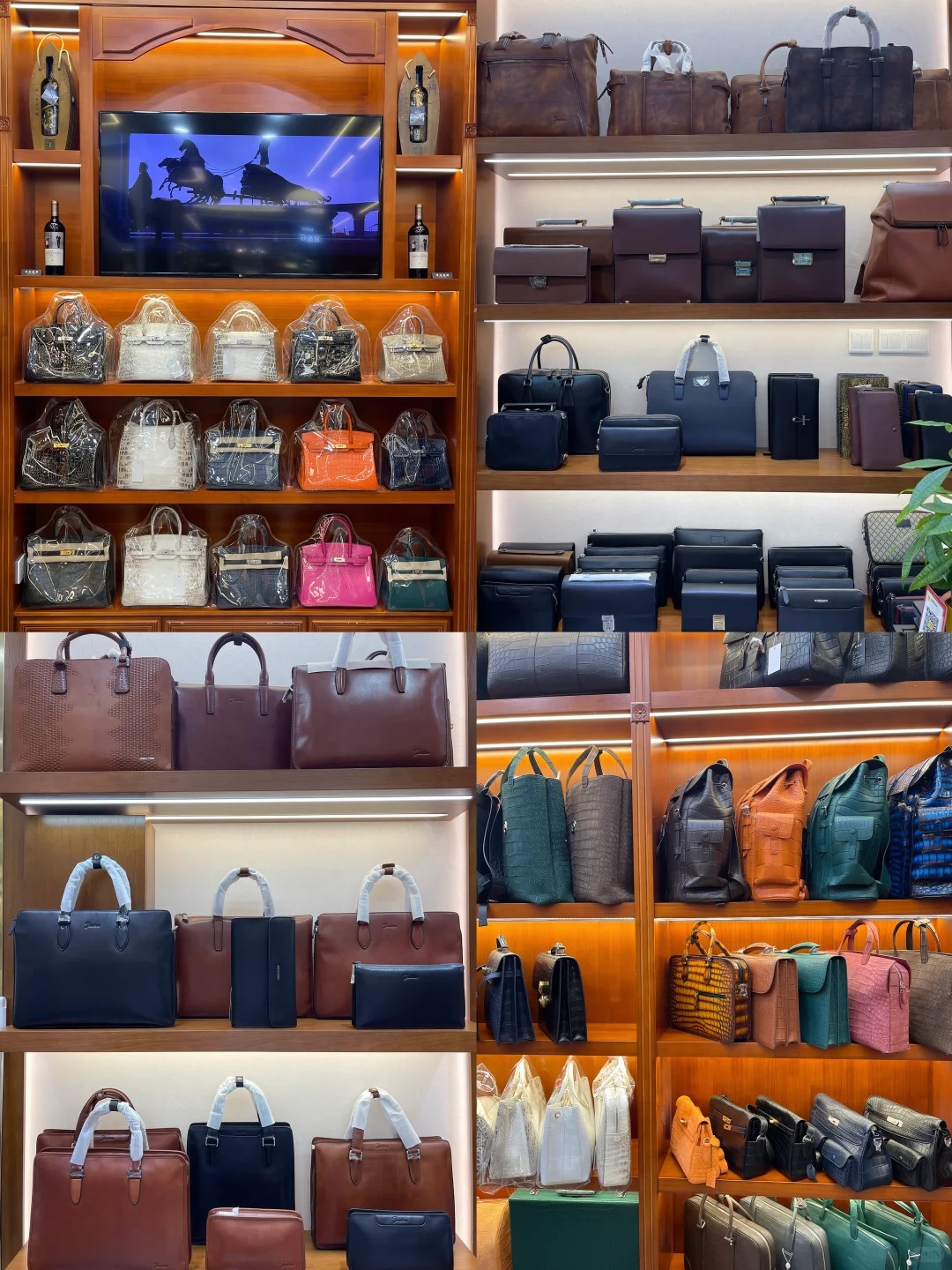
The Guangzhou Baiyun World Leather Trading Centre is open Monday to Friday from 9:00 AM to 6:00 PM, and Saturday from 9:00 AM to 4:00 PM. Most stalls close on Sunday. However, serious wholesale buyers should arrive by 8:30 AM for the best selection and avoid last-minute rushes.
Why Timing Matters for Leather Buyers
This market is massive. Over 2,000 stalls spread across several buildings. You need peak hours to see the full range, but off-peak times for quiet negotiation. Morning hours (9-11 AM) are hectic with local traders grabbing new arrivals. Afternoons (2-4 PM) are slower—owners are more willing to talk price and let you inspect stitching closely.
Best Days to Go
Monday and Tuesday are restock days. New batches of cowhide, lambskin, and synthetic leather arrive from factories in Guangdong and Zhejiang. Go early. Thursday and Friday are quieter, ideal for quality checks. Avoid weekends if you can—Saturday is half-day, and Sunday most stalls are shuttered.
How to Source Like a Pro
Don’t just stare at price tags. Check the leather’s finishing: run your hand across the surface for even texture. Inspect the backing: well-finished leather has a smooth, clean suede side. Pull a sample firmly: good leather stretches slightly then returns; synthetic will show stress marks. Ask for moisture resistance test—dab a drop of water; genuine leather absorbs it in 10-15 seconds, PVC beads up.
Many stalls stock one-tier wholesale: you can buy as few as 10 pieces per color, no MOQ nightmare. But you must speak to the owner, not a junior assistant. Use simple English like: “I need 100 square feet of cowhide, full grain, black. Best price?” Or better, bring a translator app with Cantonese phrases. Owners appreciate the effort and often give 5-10% off.
Negotiation Tactics
First, establish your credibility. Show a business card or mention Soudangkou as a reference—it signals you’re a serious exporter. Then, ask for a sample swatch (most give them free). Inspect it later, but never commit on the spot. Say: “I will test this sample and come back tomorrow order.” This builds trust. Avoid haggling too low in the first five minutes—it insults the quality. Instead, focus on value: bigger quantity = better price per foot.
Frequently Asked Questions
| Question | Answer |
|---|---|
| Is the centre open on public holidays? | It closes for Chinese New Year (10-14 days) and National Day (Oct 1-7). Other holidays are normal except Sunday. |
| Can I visit on Sunday? | Most stalls are closed, but some big warehouses stay open by appointment. Call ahead if you’re desperate. |
| What is the best season to source leather? | Spring (March-May) and autumn (September-November) have the best selection and lower prices before peak production. |
| Do they accept credit cards? | Many prefer cash or WeChat/Alipay. USD cash is sometimes accepted but rate is poor. Prepare RMB. |
| Is there a minimum order quantity? | Most stalls require a 100-piece minimum per style. But if you buy multiple colors, they often negotiate down to 50. |
| How do I get there from Guangzhou airport? | Take metro line 3 to Tonghe station, then exit B and walk 10 minutes. Taxi costs ~80 RMB. |
| What is the typical price range for cow leather? | Full grain: 15-25 RMB per sq ft. Top grain: 10-15 RMB. Split leather: 5-8 RMB. Depends on thickness and finish. |
| Can I return defective goods? | No returns after purchase. Inspect each roll or bundle on site. Bring a leather thickness gauge and a light to check for flaws. |
Final Word: Plan Your Visit
This centre is a goldmine for genuine leather, but only if you go at the right time with sharp eyes. Don’t waste hours wandering—make a list of the top 10 stalls online (many have showroom numbers). Contact them via WhatsApp a day before to confirm stock and opening. Keep a notebook of prices and quality notes. And always, always ask for the factory price, not the retail tag. Good sourcing.
广州服装档口相关入口
继续查看相关市场和品类入口,方便对比档口微信、货源范围、拿货方向和试单前需要核实的信息。