
Introduction
If you want to avoid buying from China, your best strategy is to source from domestic producers or alternative manufacturing hubs like Vietnam, Bangladesh, or Mexico. For most wholesale buyers, the challenge isn’t just about origin—it’s about balance of cost, quality, and lead time. This guide takes you inside the wholesale market stalls to show you how to identify Chinese-made goods, evaluate alternatives, and make informed sourcing decisions.
How to Spot Chinese-Made Goods at Wholesale Markets
At busy wholesale markets, Chinese imports are everywhere. Look for these telltale signs:
- Pricing: Unusually low wholesale prices (e.g., t-shirts under $3 per piece).
- Packaging: Labels with Chinese characters, or generic ‘Made in China’ tags.
- Fabric Feel: Many Chinese fabrics have a distinct chemical finish—wrinkle-free but less breathable.
- Stitching: Machine stitching is often consistent but can have loose threads; a 2cm stitch length is common.
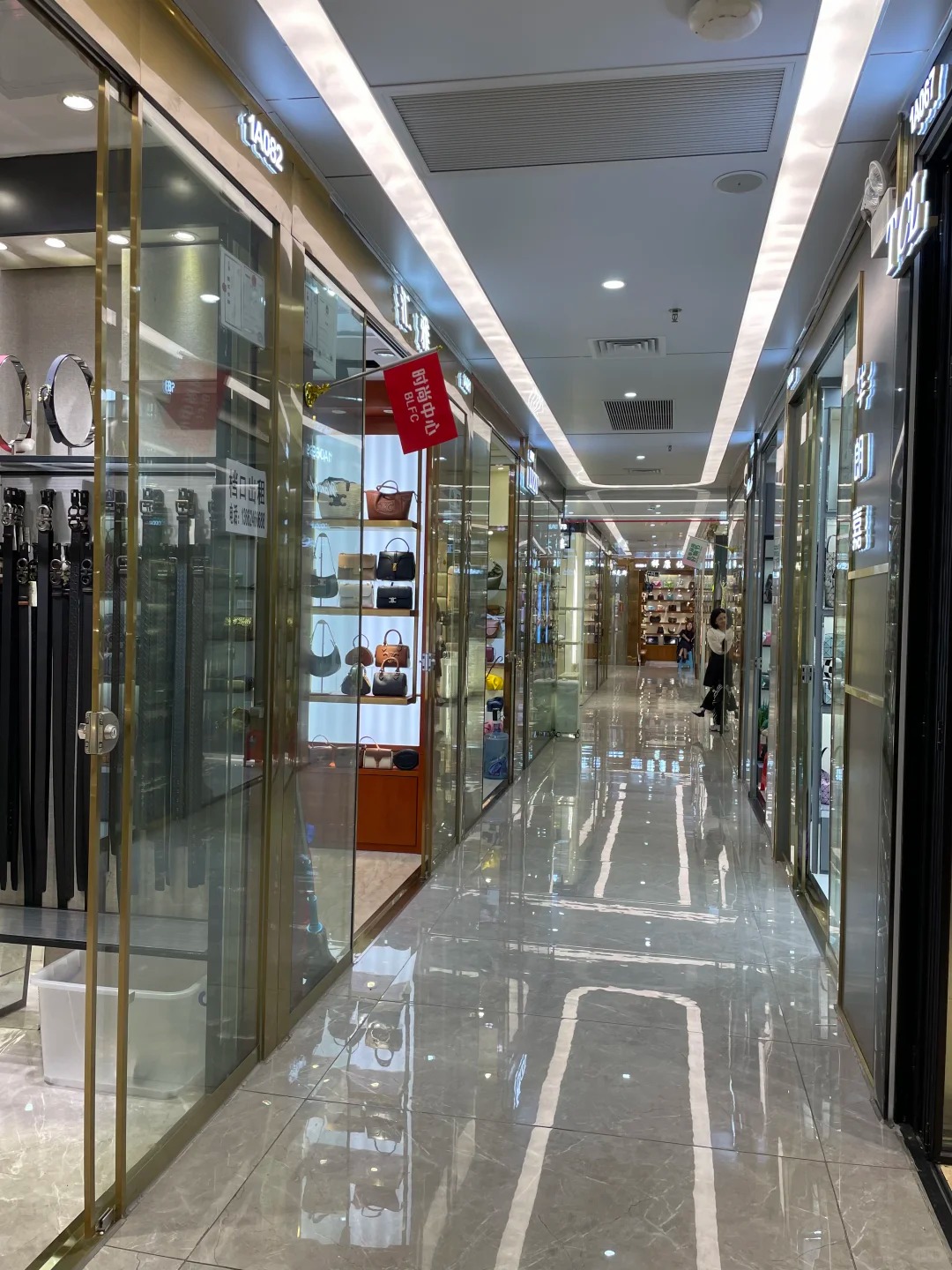
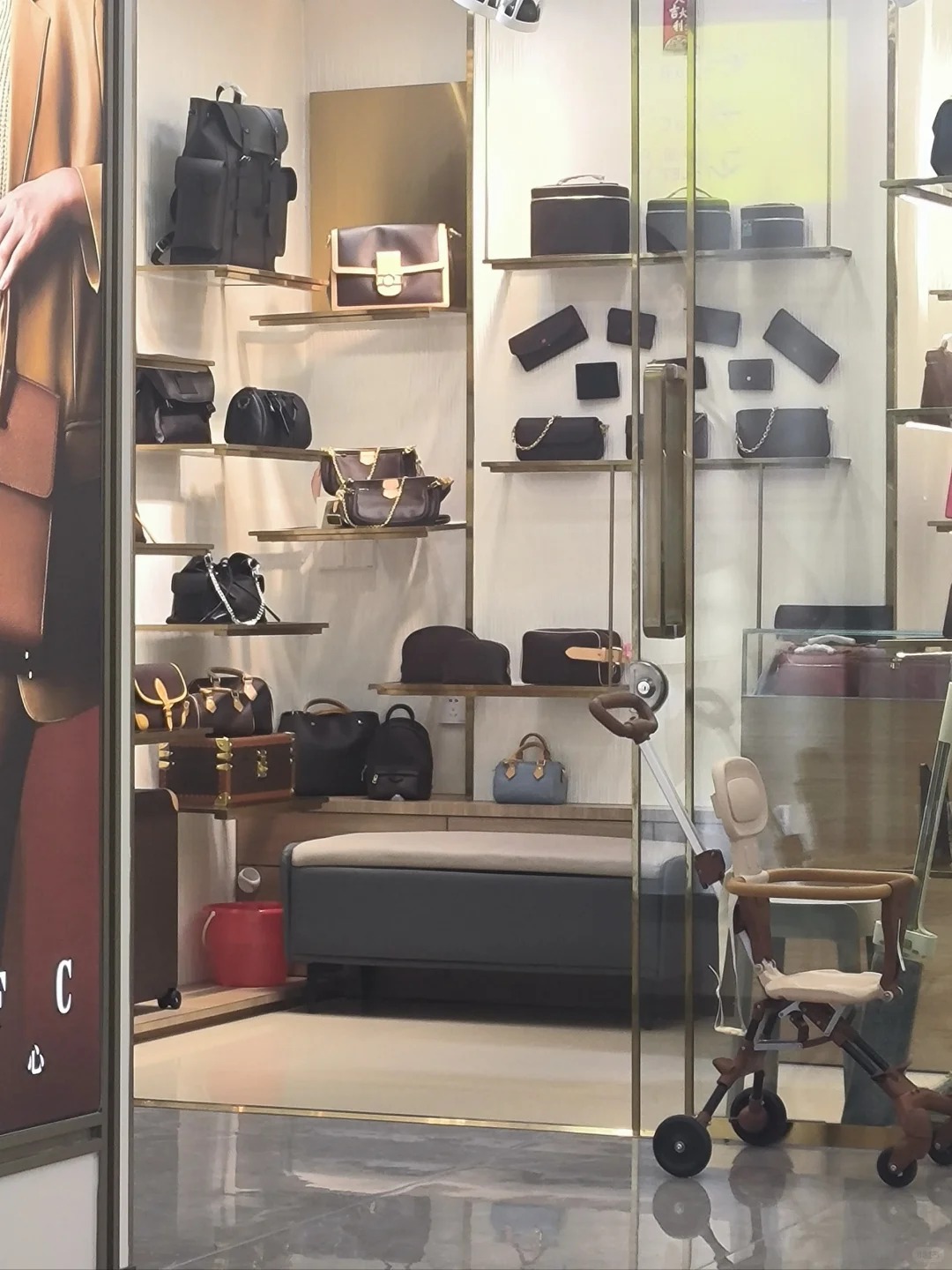
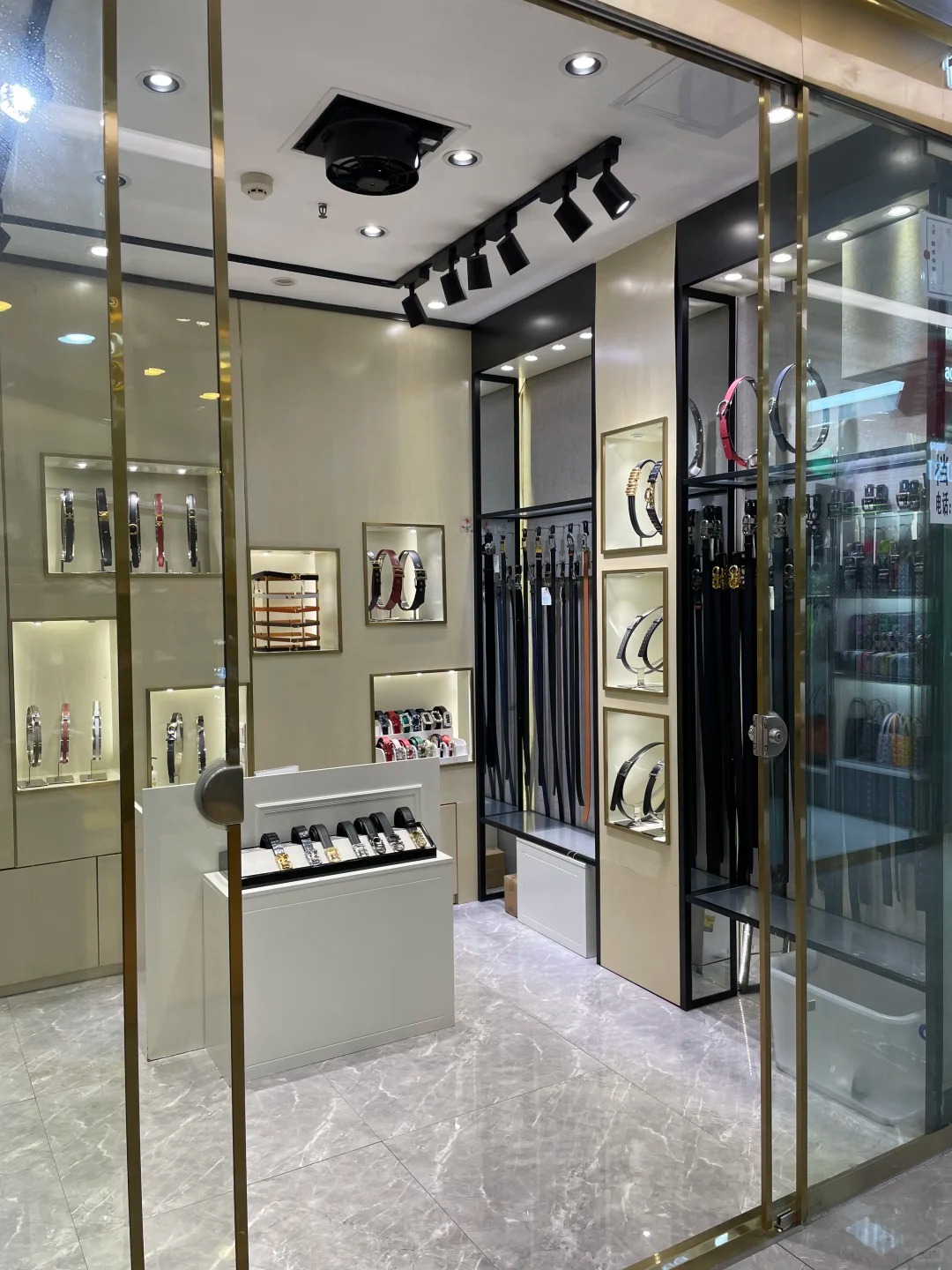
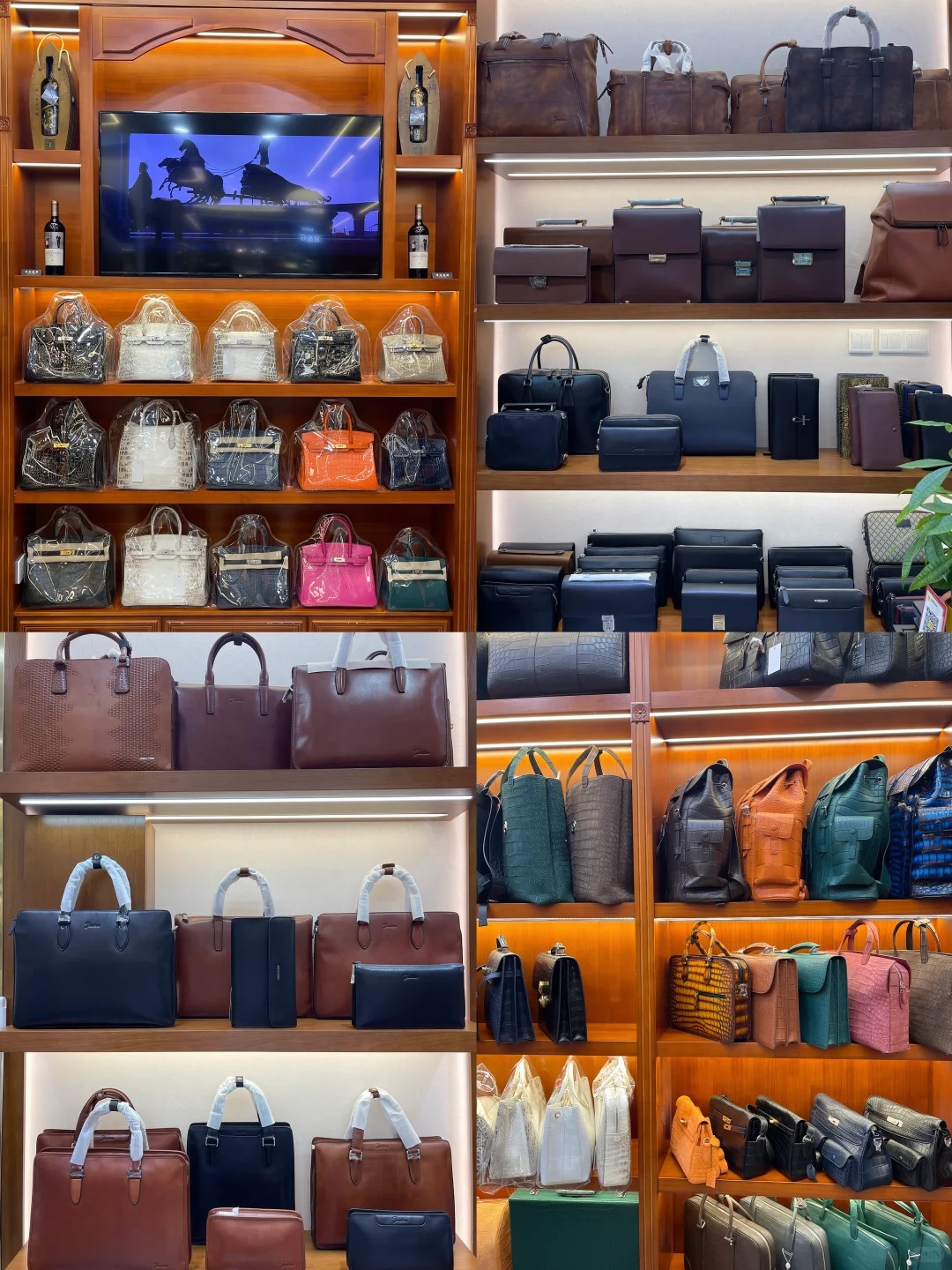
Visiting the Wholesale Market Stalls: What to Look For
When you’re physically at a wholesale market, take your time. Ask the stall owner directly: ‘Where is this made?’ Many will be honest. Pick up the item, rub the fabric between your fingers—genuine cotton feels different from a poly-cotton blend. Check the seams: turn the garment inside out. Look for single-stitch versus double-stitch finishes. Double-stitch usually means better quality.
Alternatives to Importing from China
If you decide to avoid China, here are practical options:
- Local Manufacturing: Higher cost, but faster turnaround and easier quality control.
- Nearshoring: Mexico for the US market, Eastern Europe for EU. Lower shipping costs.
- Southeast Asia: Vietnam, Bangladesh offer competitive pricing with longer lead times.
For buyers who still want Chinese quality but without the ‘made in China’ label, platforms like Soudangkou connect you directly with factory-direct suppliers who often offer private labeling—so the final product can carry your brand’s origin.
Frequently Asked Questions
| Question | Answer |
|---|---|
| Can I avoid Chinese goods entirely as a wholesaler? | Yes, but expect higher costs and longer lead times. Start with local or nearshoring options. |
| What are the telltale signs of Chinese fabric? | Often stiff, synthetic feel, strong chemical smell, and uniform color. |
| How do I verify product origin at a market stall? | Check labels, ask the vendor, and inspect packaging. Look for language or symbols. |
| Is it expensive to switch away from China? | Initially yes, but many buyers find long-term value in quality and brand reputation. |
| Can I still use Chinese raw materials but assemble elsewhere? | Yes, that’s common. The final product’s origin is where ‘substantial transformation’ occurs. |
| What’s the best alternative for fast fashion? | Vietnam or Bangladesh offer competitive speed and cost. |
Final Tips from the Trading Floor
At the end of the day, avoiding China is a business decision. It’s not about patriotism—it’s about quality, cost, and market positioning. If you choose to stay with Chinese suppliers but want better control, visit trade shows, sample extensively, and negotiate directly with factories. For a reliable start, consider using a platform like Soudangkou to vet suppliers and access real-time market data. That way, you’re not just avoiding China—you’re sourcing smarter.
广州服装档口相关入口
继续查看相关市场和品类入口,方便对比档口微信、货源范围、拿货方向和试单前需要核实的信息。