
How to Buy China Shares in Singapore: 3 Proven Methods
You can buy China shares directly in Singapore through three main routes: using a Singapore brokerage with China A-share access (e.g., DBS Vickers, PhillipCapital), purchasing China-focused ETFs listed on SGX (like CXSE or MCHI), or opening a separate account with a Chinese broker like Huatai or Futu. Each method has unique pros regarding trading hours, currency, and fees.
The most common approach is via local brokerages that offer China access. For example, DBS Vickers allows you to trade A-shares through Stock Connect – but you’ll need to pay in SGD or USD and accept longer settlement cycles. Another popular route is ETFs: just buy on SGX using your CDP account. For traders who want more hands-on control, a Chinese broker gives direct access to the Shanghai and Shenzhen exchanges but requires more paperwork.
Step-by-Step: Buying China Shares via a Singapore Broker
- Choose a broker: DBS Vickers, OCBC Securities, or PhillipCapital support Stock Connect.
- Open an account: online or in-person; some have a minimum deposit.
- Apply for Stock Connect authorization: you’ll sign an agreement and disclose your trading experience.
- Fund your account: SGD or USD (some brokers convert automatically).
- Place your order: you can trade during China market hours (9:30 am – 3:00 pm SGT).
- Settlement: T+2 for ETFs, T+0 for A-shares (but funds held for 1-2 days).
Comparing the Three Routes
| Route | Pros | Cons |
|---|---|---|
| Singapore Broker | Familiar platform, local support | Limited stock list, higher fees |
| China Broker | Full access, lower commissions | Chinese interface, bank account in China needed |
| China ETFs on SGX | Easy, no forex hassle, liquidity | Only broad exposure, no individual stock picks |
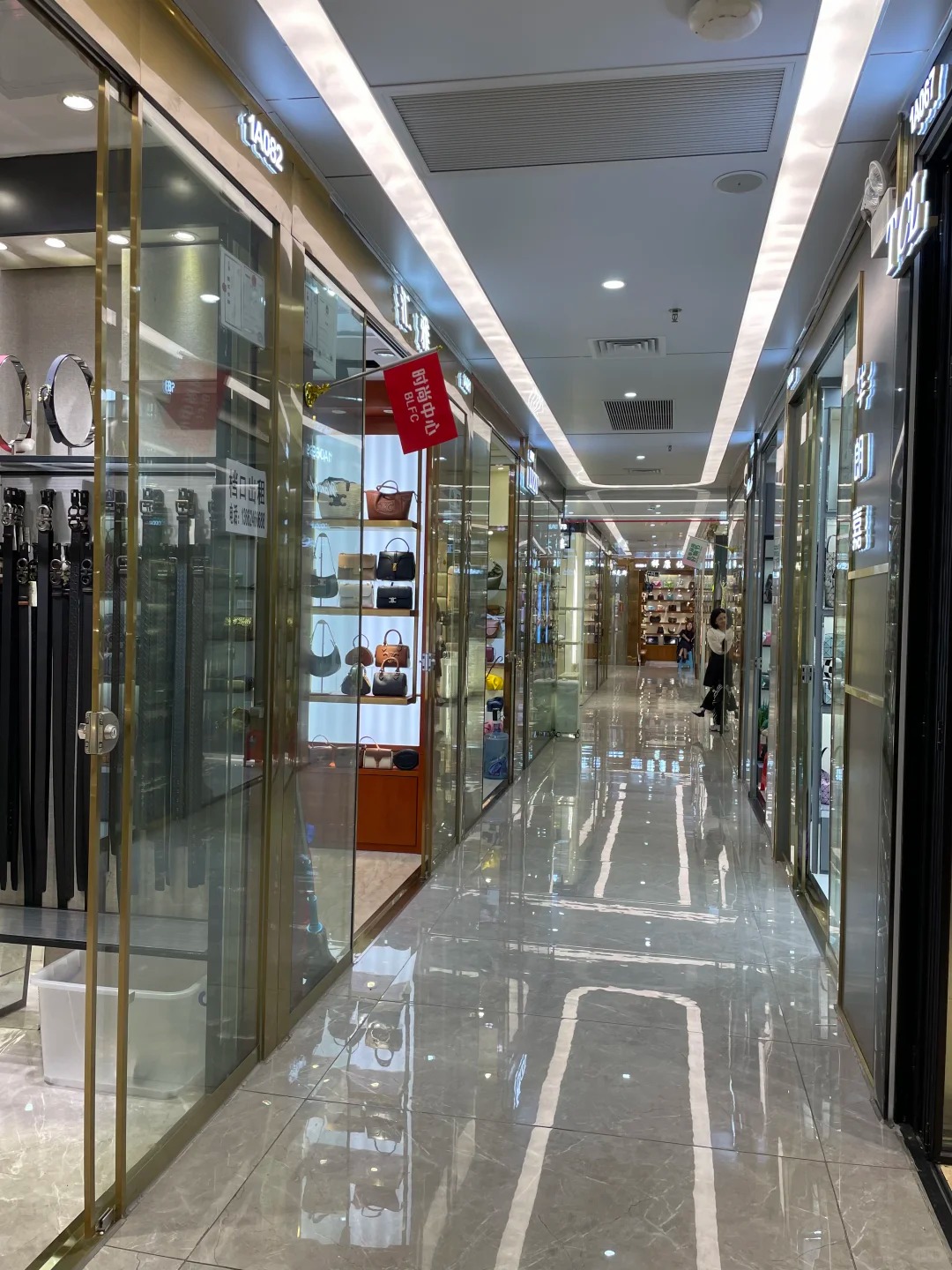
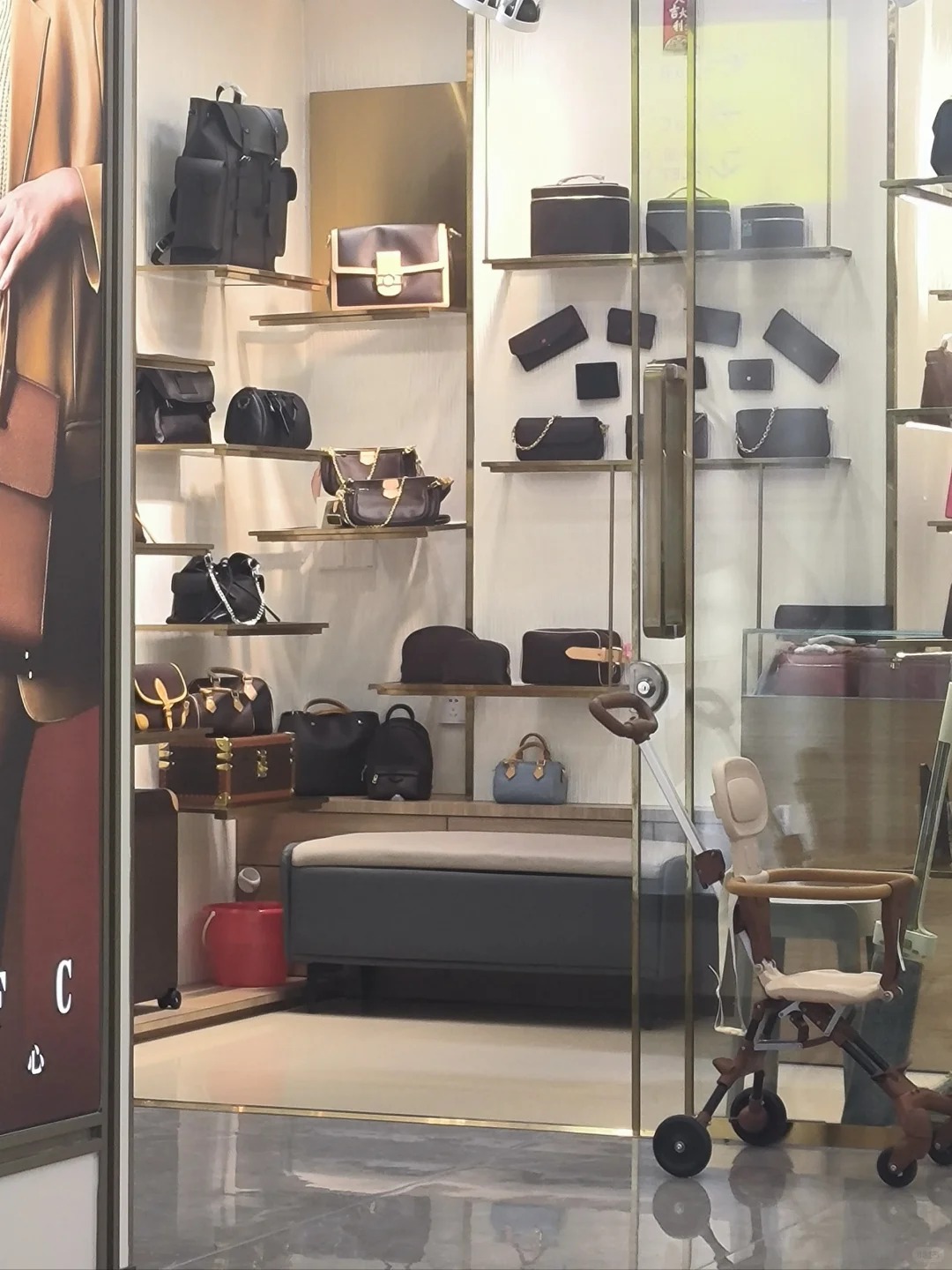
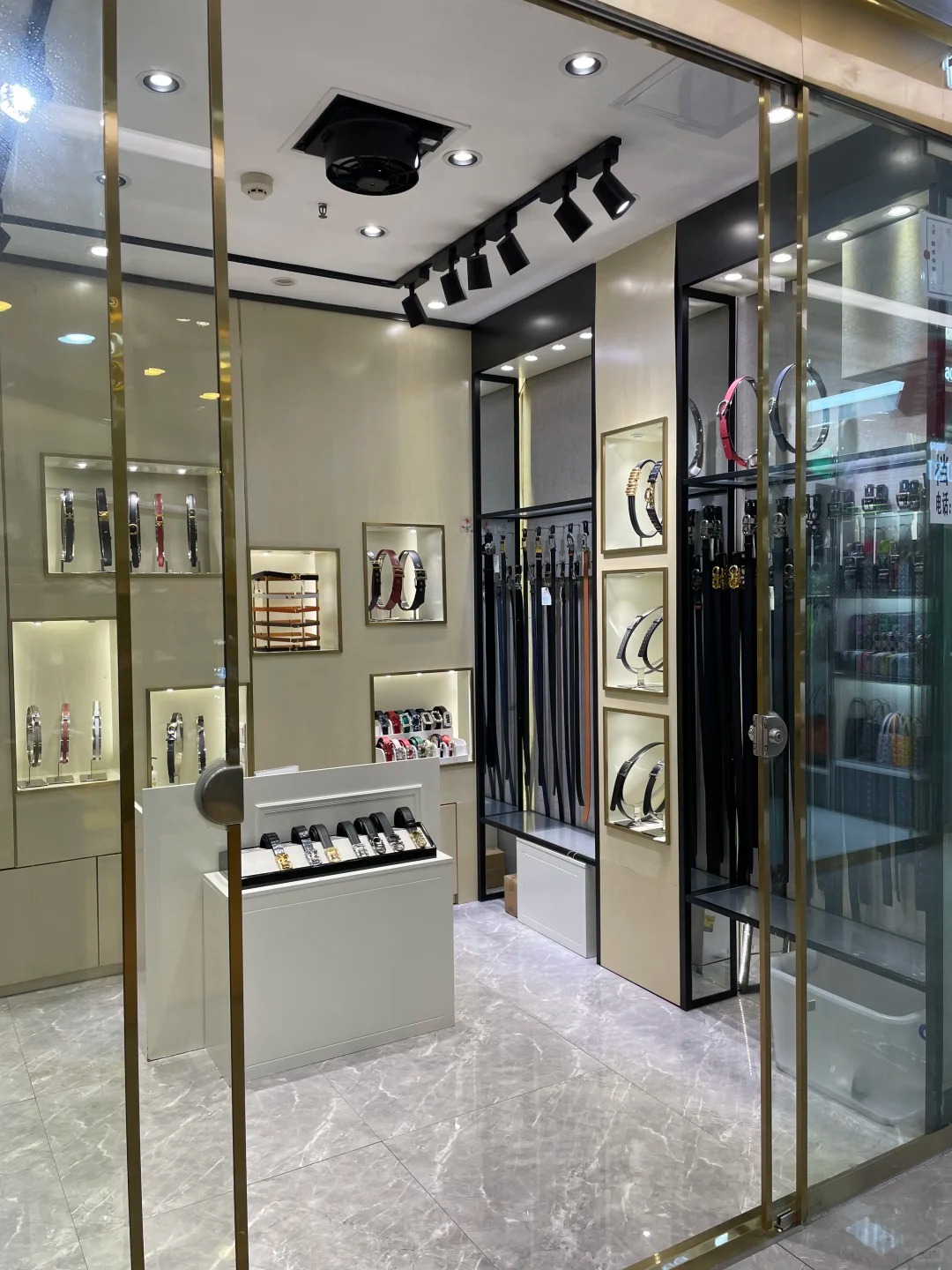
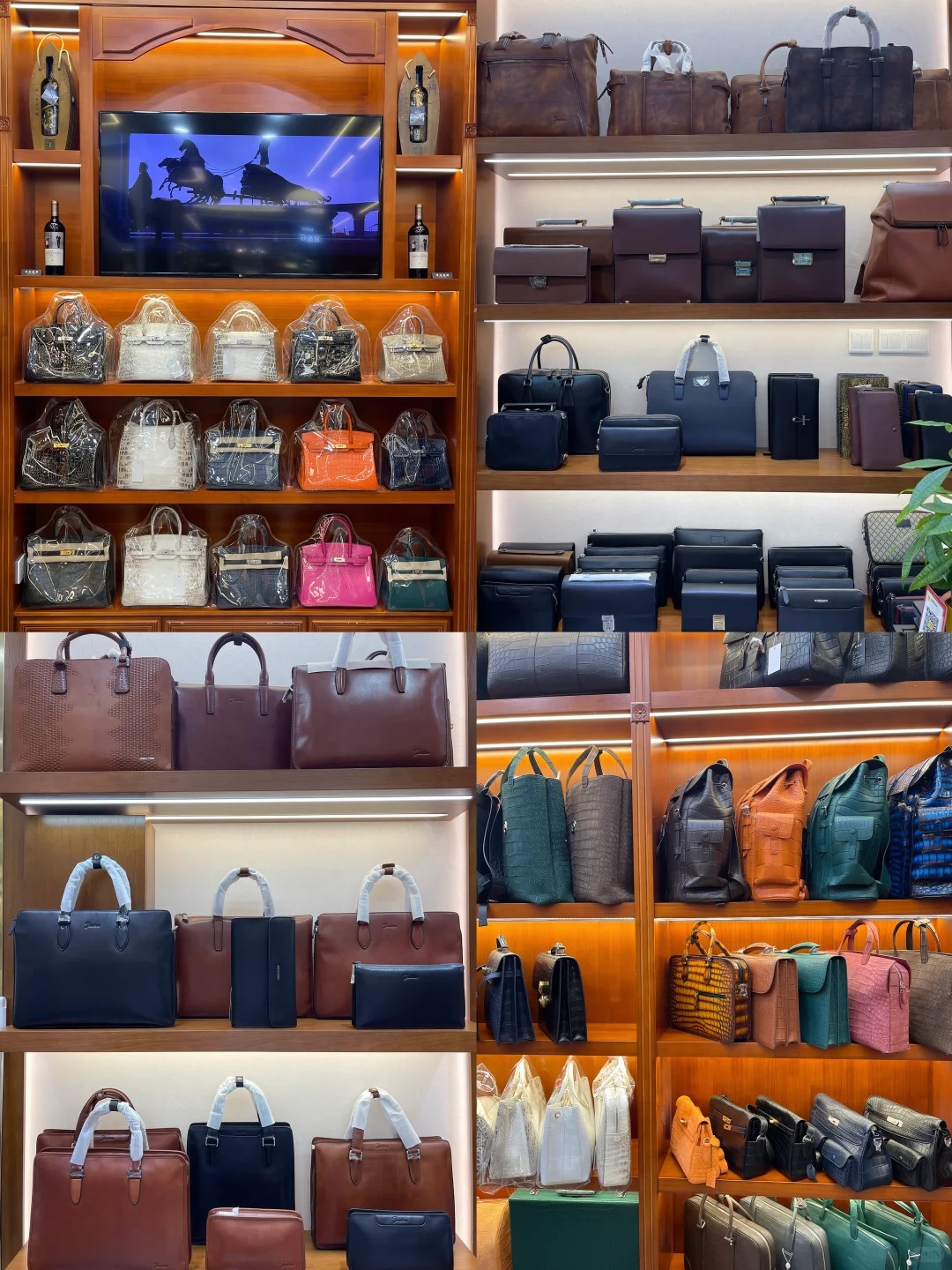
How to Evaluate a Wholesale Market Dangkou (档口) – For Physical Goods Investors
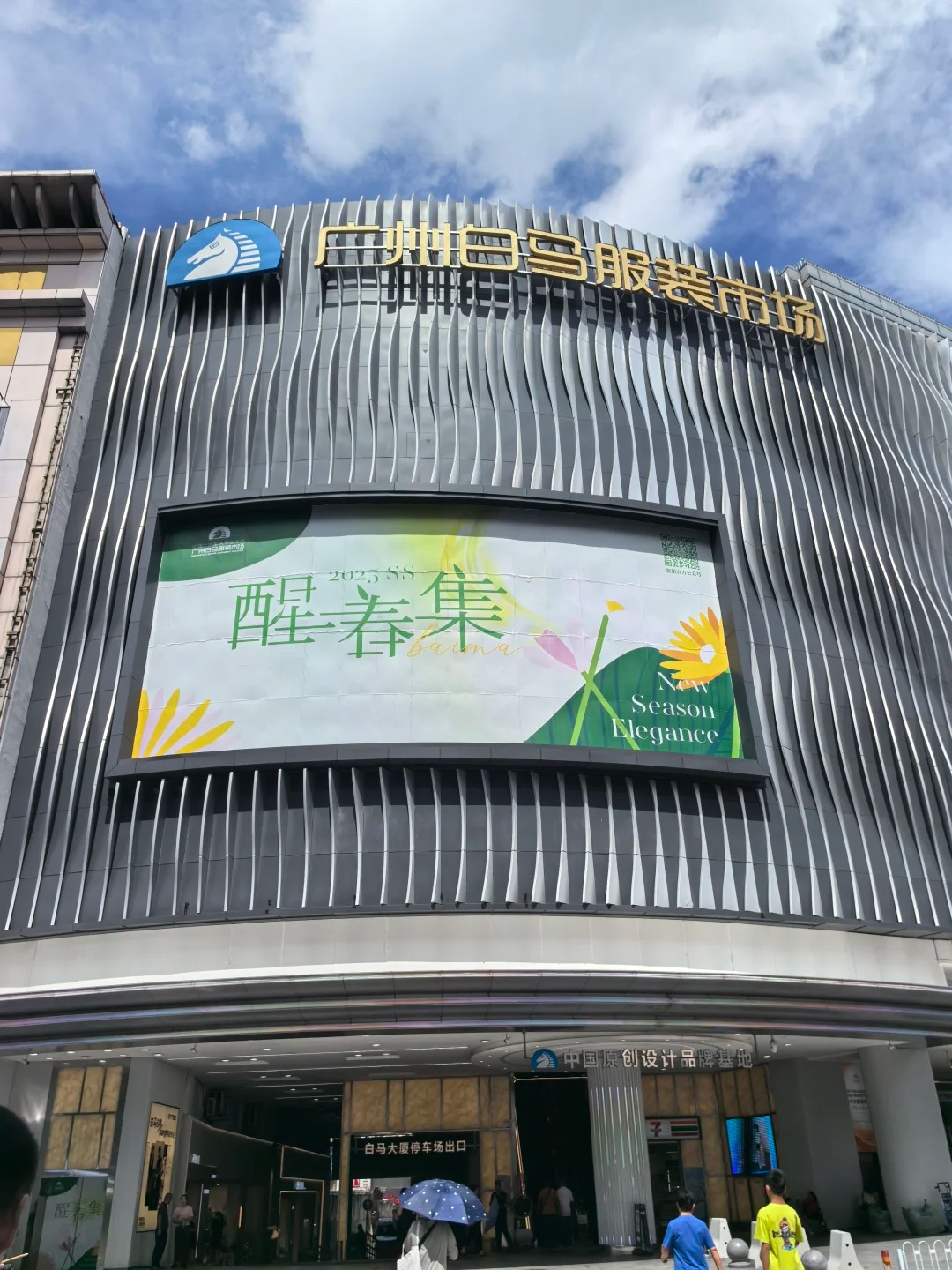
If you’re trading physical goods or commodities tied to China shares, go to the dangkou (stall) itself. Visit wholesale markets like Yiwu or Guangzhou’s Liwan district. Check fabric texture and stitching – run your hand over the material to feel the weight and weave. Look at the seam finish: neat double-stitching indicates quality control. Ask for 现货 (xiànhuò) – only pay for what you can touch. Demand a contract that specifies the exact grade (e.g., ‘A-grade cotton’ vs ‘recycled fiber’). Negotiate MOQs – you can often get 10-50 pieces per style if you pay cash.
Remember: Chinese suppliers respect buyers who inspect goods physically. Never wire full payment without samples. Use a third-party inspection service for large orders. Soudangkou provides verified dangkou contacts with transparent pricing – a shortcut for buyers who can’t travel.
Frequently Asked Questions
| Question | Answer |
|---|---|
| Can Singaporeans buy China A-shares directly? | Yes, via the Shanghai-Hong Kong and Shenzhen-Hong Kong Stock Connect programs through approved brokers. |
| What is the minimum amount to start? | No set minimum for ETFs; for individual stocks, usually SGD 1,000 – 2,000 to cover commission. |
| Are China shares subject to capital gains tax in Singapore? | No – Singapore has no capital gains tax. But you may be liable for China’s 10% dividend withholding tax. |
| Which is better – China broker or Singapore broker? | China broker for low fees and full access; Singapore broker for convenience and English support. |
Pro Tips from a Wholesale Dangkou Veteran
For investors buying shares of Chinese consumer goods companies, visit the dangkou to verify product quality. A listed firm’s financial report might look great, but nothing beats touch-and-feel. When you’re in Guangzhou, ask for ‘Lizhi Lu market’ – that’s where the real sourcing happens. Or use a platform like Soudangkou to match with verified stalls. Always request fabric swatches and check the stitching pattern: uneven spacing means poor automation, a red flag for long-term profitability. Lastly, negotiate a ‘first order’ discount – dangkou love repeat buyers more than big one-offs.
广州服装档口相关入口
继续查看相关市场和品类入口,方便对比档口微信、货源范围、拿货方向和试单前需要核实的信息。