
How to Buy iPhone Parts from China: The Quick Answer
To buy iPhone parts from China, focus on Shenzhen’s Huaqiangbei market. Visit physical stalls, inspect OLED screens for flex cable wear, and check battery date codes. For original quality, seek stalls that stock ‘A-grade’ or ‘original pull’ parts from Foxconn overflow.
Why Shenzhen Is the Core
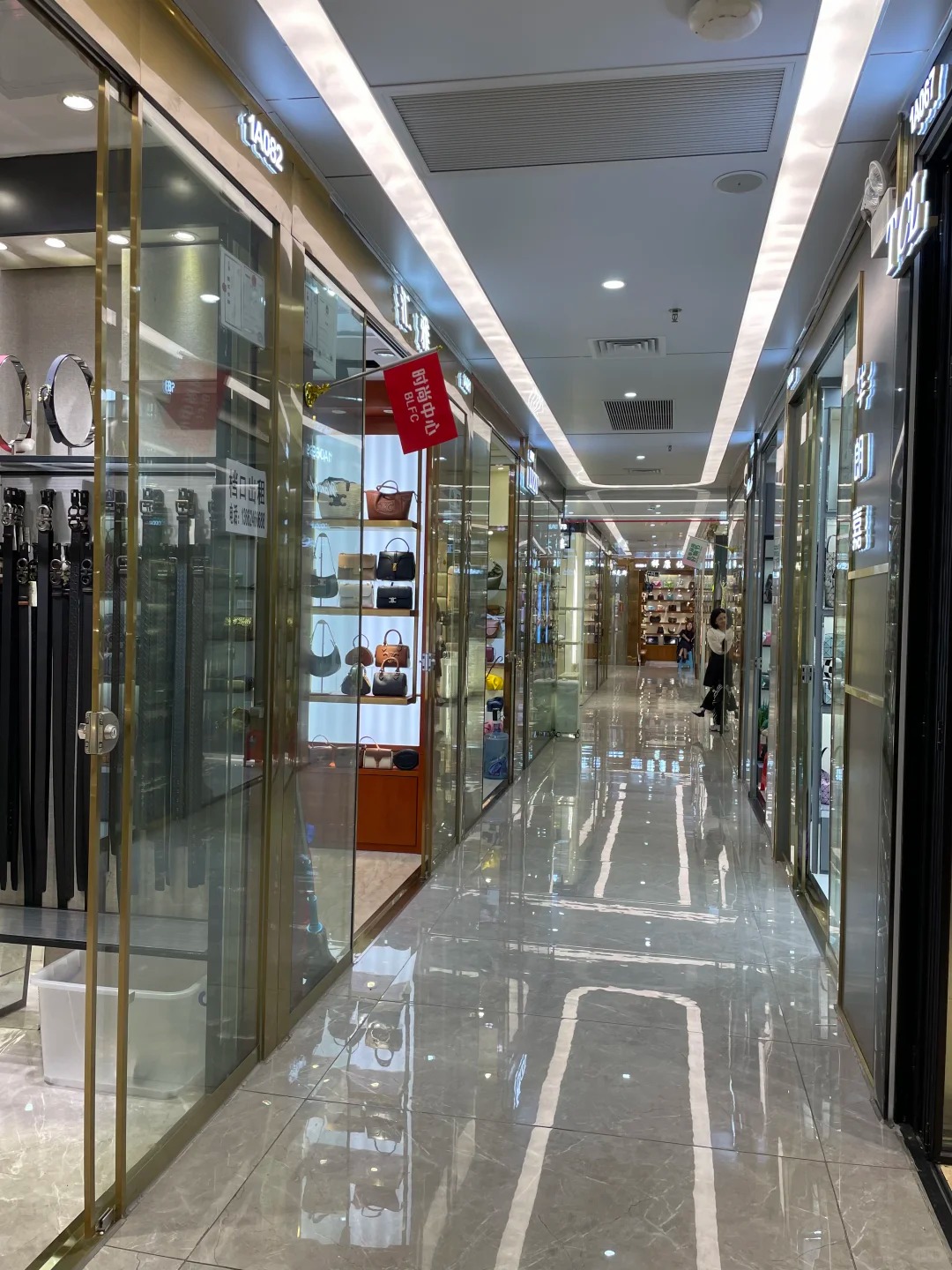
Shenzhen’s Huaqiangbei isn’t just a market—it’s the global clearinghouse for iPhone components. Over 90% of third-party iPhone parts originate from this district. The real value lies in stock lots: surplus from Foxconn factories, rejected batches with minor cosmetic flaws, and excess inventory from repair shops.
Narrowing Down the Right Stalls
Not every stall sells quality. Look for stalls that display parts in organized trays, not heaps. Ask to see the flex cable—a worn-out flex cable indicates a screen was re-attached poorly. For batteries, check the production date: a battery older than 3 months has reduced capacity. Original parts have laser-etched markings; fakes have painted on.
Qualifying a Vendor: The Touch Test
Run your finger along the edges of an LCD panel. A genuine iPhone screen has a glass-like smoothness; cheap replicas feel sandpapery. For metal housings, weigh them: real enclosures are 30% heavier than counterfeits. If a vendor hesitates to let you handle parts, walk away.
Pricing and Negotiation
Stalls quote high knowing you’ll haggle. Offer 60% of the initial price. Payment is cash or WeChat/AliPay; never wire transfer. For large orders, ask for a sample first. Sellers like Soudangkou (a market stall cluster) give better pricing on lot buys. But always verify authenticity before payment.
Shipping and Logistics
Most stalls don’t ship direct. Use a freight forwarder (like those near Huaqiangbei). For small orders, EMS or DHL express works. Declare as ‘electronic components’ to avoid duties. Insure packages—iPhones parts are high-value. If a deal sounds too good, it’s likely a ‘compatible’ (knockoff) part passed off as original.
FAQ: How to Buy iPhone Parts from China
| Question | Answer |
|---|---|
| What’s the best market for iPhone parts? | Huaqiangbei in Shenzhen, specifically the SEG Electronics Market and Manhar. |
| How to spot original LCD vs replica? | Original LCDs have a sharper display and the bezel is thinner. Check the ‘flex cable’—if it’s wrinkled, it’s third-party. |
| Are ‘original pull’ parts safe? | Yes, they come from factory overruns—but verify with a multimeter if possible. |
| What is a reasonable price for an iPhone 14 screen? | Around $80-$120 for an original pull, $40 for a high-quality aftermarket. |
| Can I trust online listings? | No—always visit physically or use a sourcing agent. Photos can hide defects. |
| How to handle warranty? | Most stalls offer a 7-day inspection period. Test parts immediately. |
| Is it legal to export iPhone parts? | Yes, as long as they are not counterfeits. Original surplus parts are legal. |
Final Checklist
Before buying, always: 1) Ask for a return policy. 2) Check serial numbers on chips. 3) Test connectivity with a logic board. 4) Use a parts tester station (most stalls have one). 5) Trust your hands—feel the material quality. If something feels off, it’s not original.
For a curated selection of vetted stalls, consider browsing Soudangkou’s listings, where each part has been qualitied by local inspectors. But remember: the best sourcing happens when you’re on the ground, touching the goods.
广州服装档口相关入口
继续查看相关市场和品类入口,方便对比档口微信、货源范围、拿货方向和试单前需要核实的信息。