
How to Buy Things from China to Nigeria: The Verdict
The simplest and most reliable way for Nigerian importers is to deal directly with wholesale market stalls in China that hold genuine stock, inspect fabric and stitching quality in person or via agent, and use a trusted freight forwarder for shipping. Avoid middlemen who markup prices; instead, focus on first-hand sources like those found on platforms such as Soudangkou, which connects you to stall owners offering real inventory ready to ship.
Step-by-Step Guide to Buying from China to Nigeria
1. Identify Reliable Wholesale Markets in China
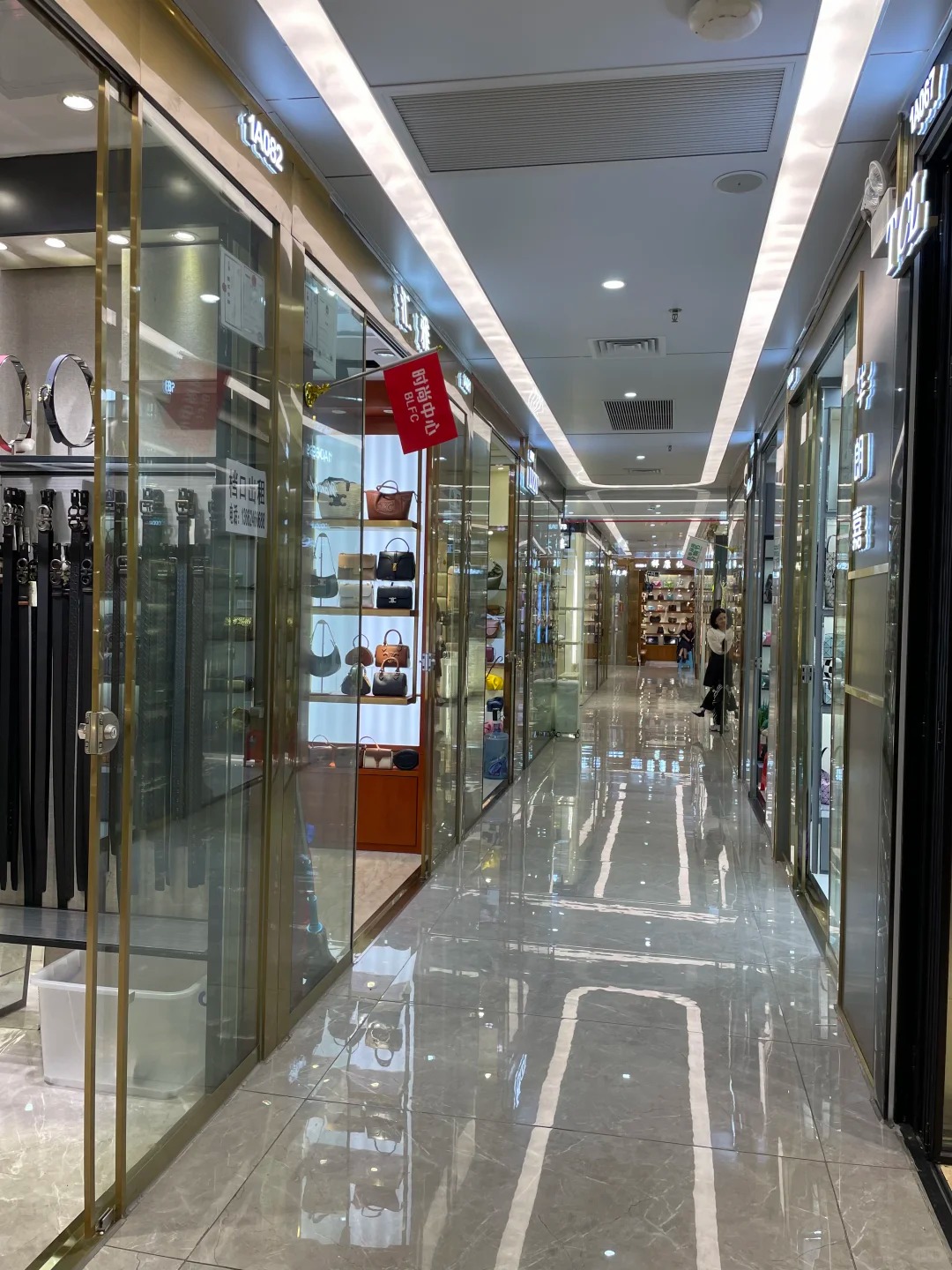
For clothing, textiles, and accessories, focus on Guangzhou (GZ) and Yiwu. In GZ, the Shaxi South Area (China Plaza) is a hotspot for cheap clothing stalls. In Yiwu, the International Trade Market (Futian Market) offers everything from toys to electronics. Skip online listings with no physical address; real stalls have a store number and owner name.
2. Evaluate Fabric and Stitching Quality
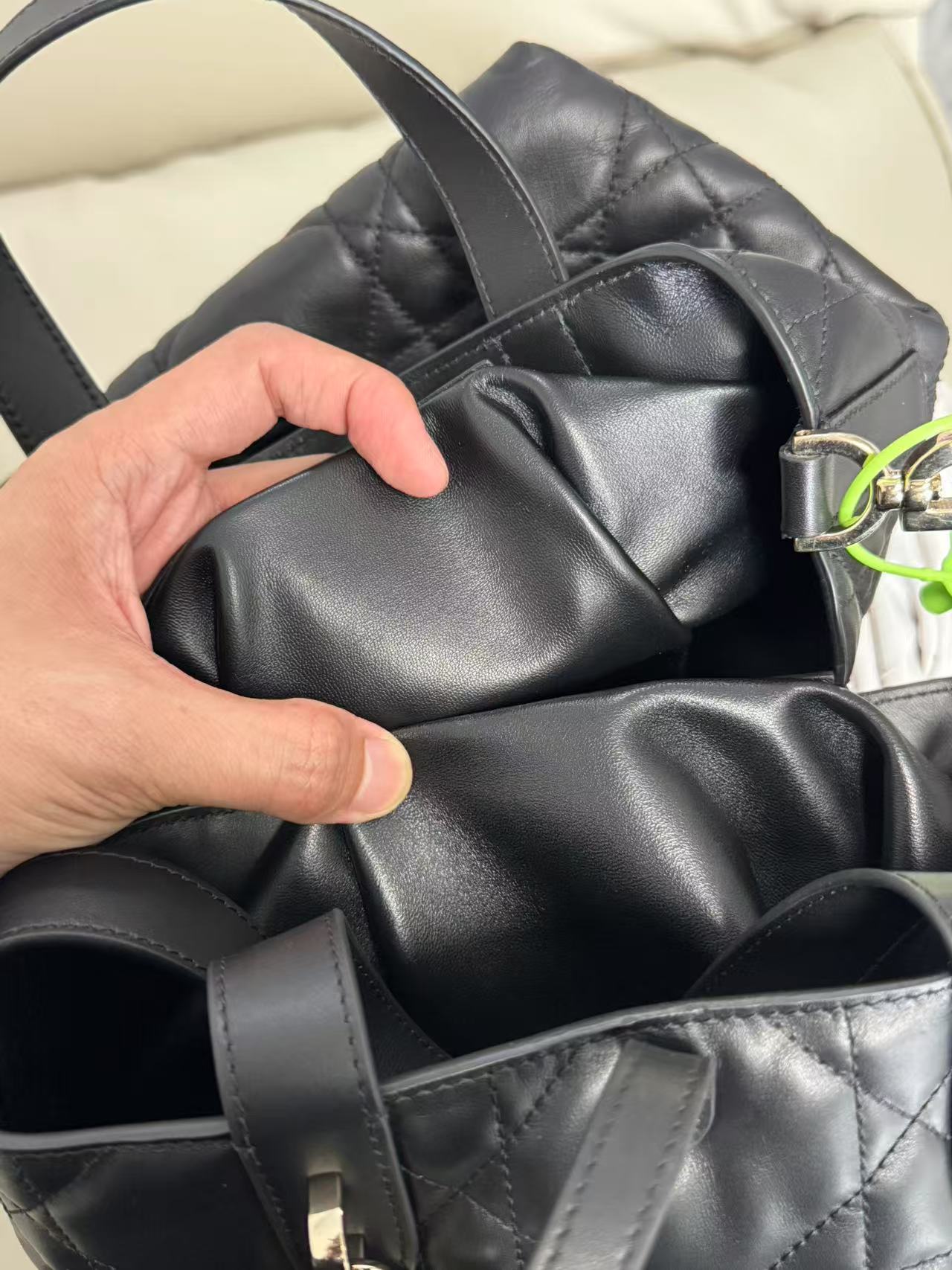
When you visit a stall, ask to touch the fabric. For Nigerian buyers, common materials include ankara, lace, cotton, and polyester blends. Check stitching: look for tight, straight seams with no loose threads. A simple test: pinch the fabric and rub it between your fingers—if it frays quickly, skip it. Good stalls let you take a small sample.
3. Negotiate for Cash-and-Carry (现货)
Most Chinese stalls offer discounts for bulk cash purchases (现货 means “available stock”). Bring a calculator and negotiate based on quantity. For example, buying 100 pieces might get a 10% discount vs. 50 pieces. Always ask for the “factory price” (出厂价). Avoid upfront deposits; pay on the spot after inspection.
4. Arrange Shipping from China to Nigeria
Use a freight forwarder who consolidates goods from multiple stalls. Typical sea freight from Guangzhou to Lagos takes 20–30 days. Air freight is faster but costs 3–5x more. Ensure your forwarder handles customs clearance and delivery to your door in Nigeria. Ask for references from other Nigerian traders.
5. Payment Methods
Cash (USD or RMB) is preferred in markets. For larger orders, use Alibaba Trade Assurance or Western Union. Some stalls accept Bitcoin through crypto exchanges. Avoid paying full amount before seeing goods.
Common Pitfalls and How to Avoid Them
| Pitfall | Solution |
|---|---|
| Poor fabric quality | Request sample swatches before bulk order. Use inspection services like SGS or Hire a local agent in China to check fabric in person. |
| Delayed shipments | Choose a freight forwarder with a fixed schedule (e.g., weekly departures). Avoid no-name forwarders. |
| Hidden costs (taxes, port charges) | Ask for a full breakdown: FOB (Free on Board) price plus shipping, insurance, and Nigerian customs fees. |
| Missing documentation | Required for Nigeria: Bill of Lading, Commercial Invoice, Packing List, Form M (from Nigerian bank), and SONCAP certificate for electronics. |
FAQ: Buying from China to Nigeria
| Question | Answer |
|---|---|
| Which Chinese city is best for buying clothes for Nigeria? | Guangzhou (especially Shaxi area) is top for African fashion. Yiwu is better for accessories and small items. |
| How do I verify a Chinese supplier? | Request a video call showing their stock. Ask for their business license and street stall number. Check on platforms like Soudangkou for verified stalls. |
| What is the minimum order quantity (MOQ) from wholesale stalls? | Often 10–50 pieces per design, but some stalls sell single items at slightly higher price (cash-and-carry 现货). |
| How long does shipping take on average? | Sea freight: 20–30 days. Air freight: 5–10 days. Consolidation adds a few days. |
| What documents do I need for Nigerian customs? | Form M from your bank, Bill of Lading, Invoice, Packing List, SONCAP certificate (for regulated goods), and NAFDAC registration (for food/beauty). |
| Can I pay in Naira? | Chinese stall owners prefer USD, RMB, or cryptocurrency. Some accept Naira through parallel markets, but rates are poor. |
| How do I inspect quality before shipping? | Hire a local agent in Guangzhou or Yiwu. Many offer inspection service for $50–100 per visit. Use Soudangkou to find stall owners who allow third-party inspection. |
Final Thoughts: Save Money with Direct Stall Access
The key to profitable importing from China to Nigeria is buying directly from wholesale market stalls that hold physical stock. This cuts out middlemen and gives you control over fabric and stitching quality. Use platforms like Soudangkou to connect with verified stall owners. With careful inspection, smart negotiation, and a reliable forwarder, you can build a successful importing business.
广州服装档口相关入口
继续查看相关市场和品类入口,方便对比档口微信、货源范围、拿货方向和试单前需要核实的信息。