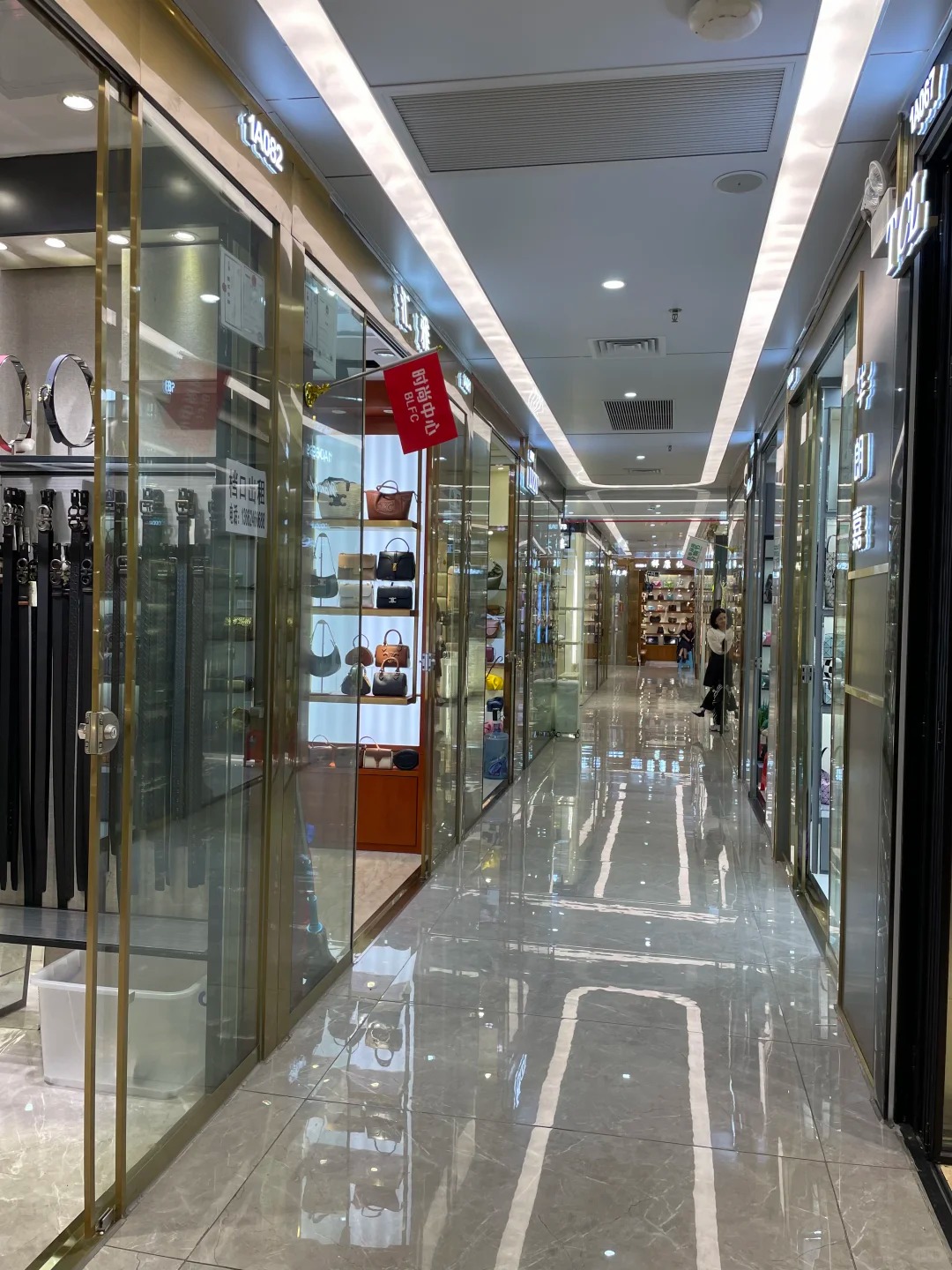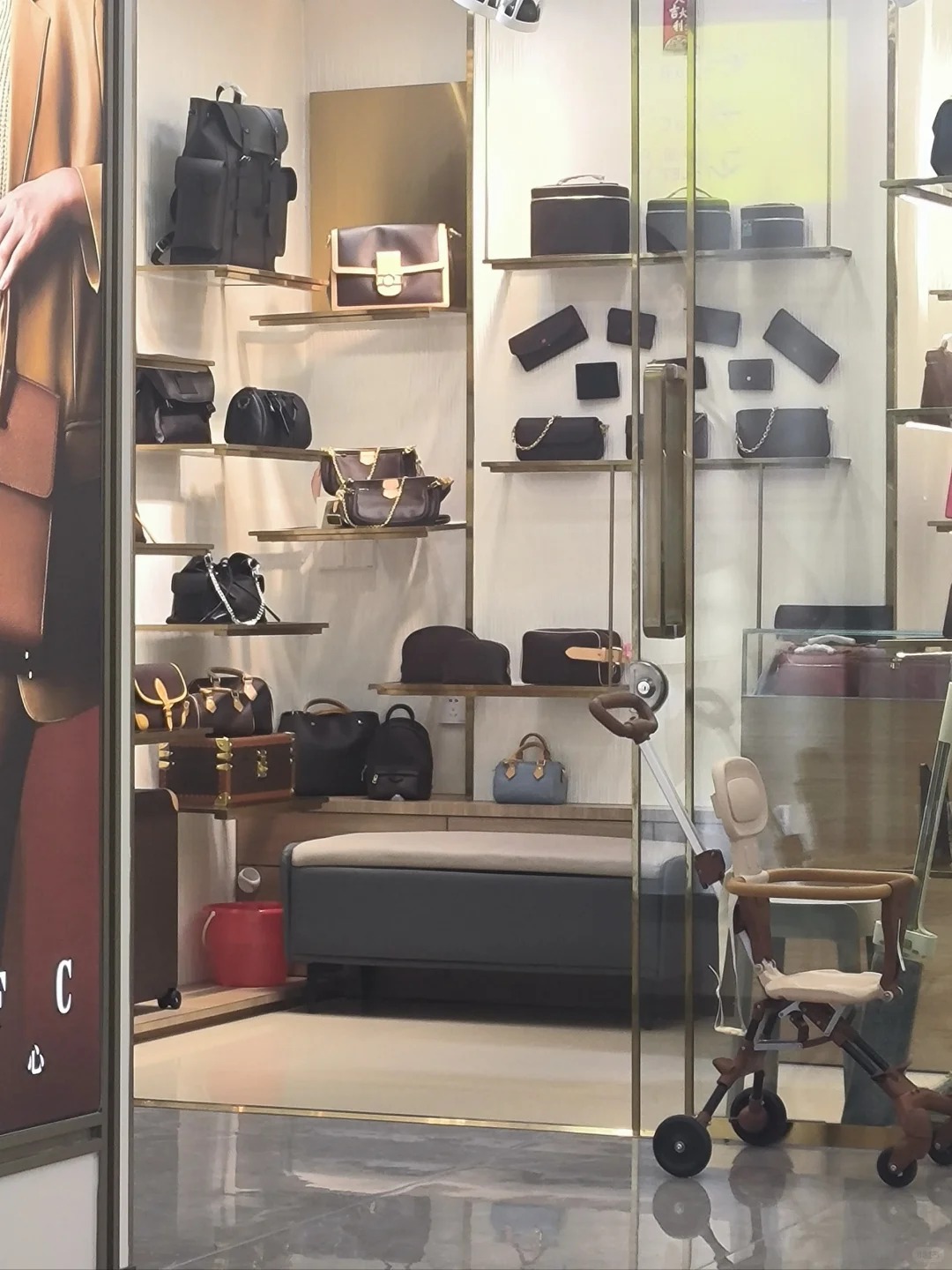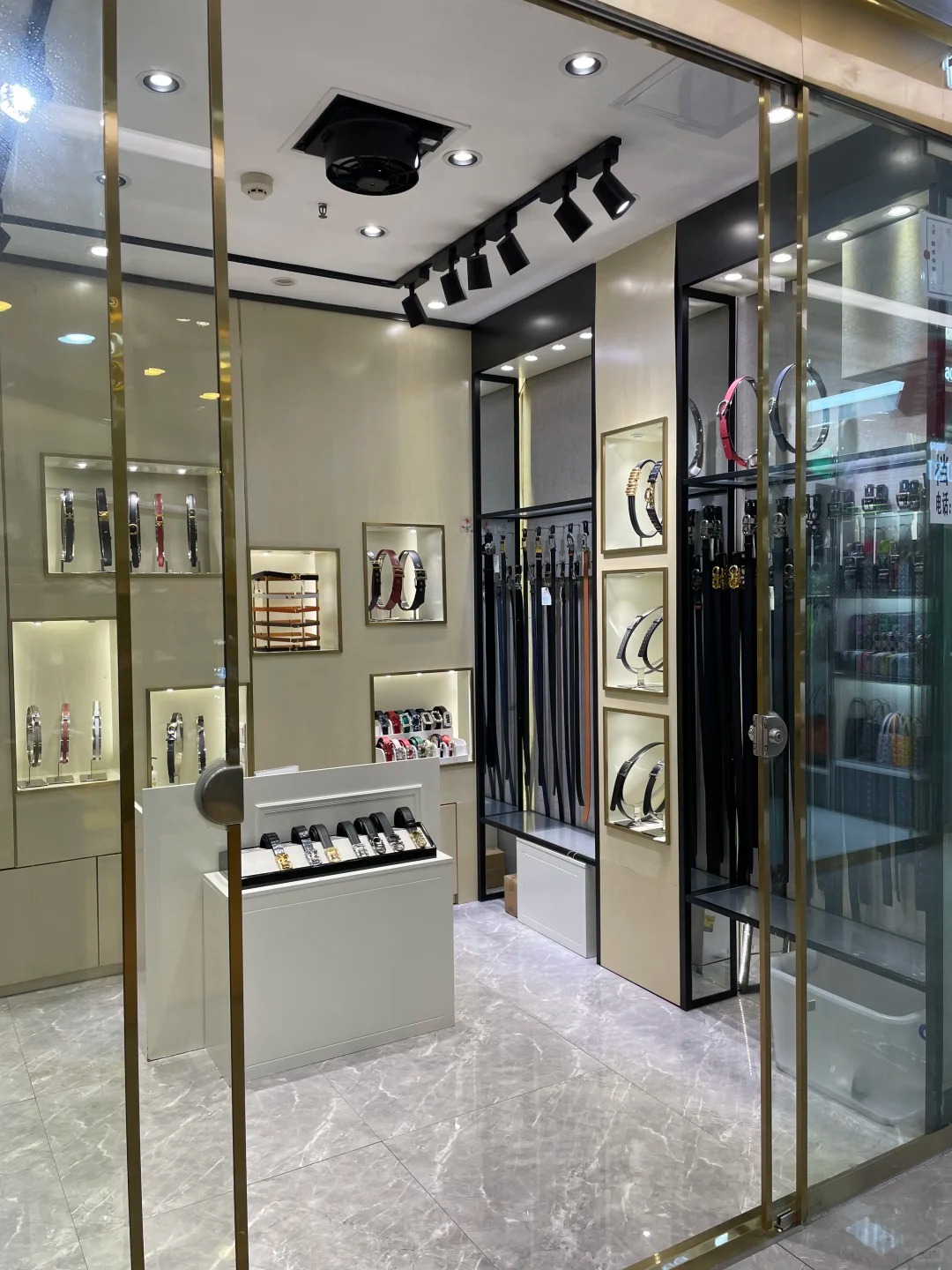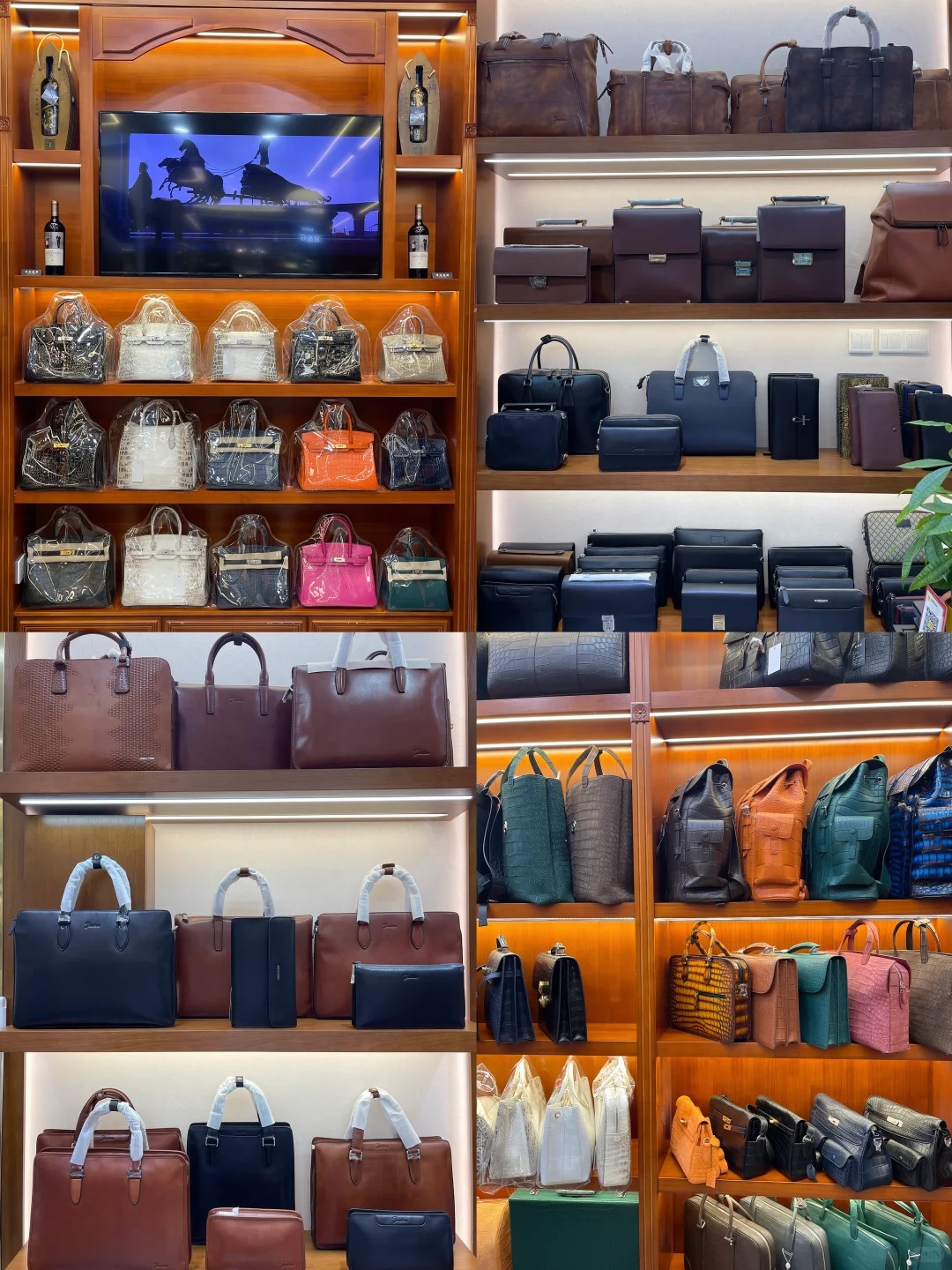

Step 1: Start With China’s Wholesale Markets
Forget online shopping for small quantities. To compete in South Africa, you need to buy from the real wholesale markets in China. Places like Yiwu Market, Guangzhou’s Baiyun World Leather, and Shenzhen’s Huaqiangbei are where you find the best deals. These markets are divided by product type—textiles, electronics, hardware. Go directly, or use a sourcing agent. Don’t just browse; talk to the stall owners. They’re used to export orders and can give you the best price per unit if you buy in bulk (often 100+ pieces).
Step 2: Check the Fabric and Stitching
For clothing and textiles, the quality is in the details. Feel the fabric yourself. Is it the right weight? Does it feel cheap or substantial? Look at the stitching: skip any item with loose threads or uneven seams. Ask for a sample before ordering a bulk quantity. A good stall owner will provide one for a small fee (refundable if you order). Also, check the color fastness and shrinkage rates. In South Africa, quality matters—your customers will notice the difference.
Step 3: Negotiate Like a Pro
Prices in Chinese markets are rarely final. Always bargain, but be strategic. Start by asking for the wholesale price per item. Then, mention your expected order volume (e.g., 500 pieces) and ask for a better price. Use a calculator on your phone to show you’re serious. Don’t be afraid to walk away; many times the vendor will call you back with a better offer. If you’re buying multiple products, ask for a combined discount. Payment is typically 30% deposit and 70% before shipment. Use Alibaba Trade Assurance for online orders or a letter of credit for large sums.
Step 4: Shipping and Customs
For South Africa, sea freight is the most cost-effective for bulk orders. Choose between FOB (Free on Board) and CIF (Cost, Insurance, Freight). FOB means you arrange shipping from the port; CIF includes insurance and freight to Durban or Cape Town. Work with a freight forwarder who knows SA customs. They’ll handle the paperwork and clearance. Typical transit time is 25-35 days. For smaller, urgent orders, use air freight (5-10 days) but expect higher costs. Be aware of South Africa’s import duties and VAT—your supplier can often help with accurate HS code classification.
Frequently Asked Questions
| Question | Answer |
|---|---|
| What’s the minimum order quantity? | It varies. For apparel, expect 50-200 pieces per style. For accessories, 100-500 units. |
| Can I pay with PayPal? | Many vendors prefer Wire Transfer or Alibaba’s escrow service. PayPal is less common for wholesale. |
| How do I avoid scams? | Visit the market in person or use a verified agent. Check supplier reviews on Alibaba. |
| What payments are accepted? | Mainly T/T wire transfer, L/C for large orders, and sometimes cash if you’re in China. |
| How long does shipping take? | Sea freight: 25-35 days to SA ports. Air freight: 5-10 days. |
| Do I need a customs broker? | Yes, unless you are very experienced. Your freight forwarder can recommend one. |
| Can I get samples before ordering bulk? | Yes. Vendors usually charge for samples but refund if you place an order. |
Final Tips
Remember: building a relationship with a reliable Chinese supplier is a long-term investment. Visit markets personally if possible, use a sourcing agent if not. Platforms like Soudangkou connect you with vetted stalls. Always inspect sample quality. And when you find a good supplier, nurture that connection—they’ll give you first access to new arrivals and better terms.
广州服装档口相关入口
继续查看相关市场和品类入口,方便对比档口微信、货源范围、拿货方向和试单前需要核实的信息。