
The Bottom Line on Buying from China
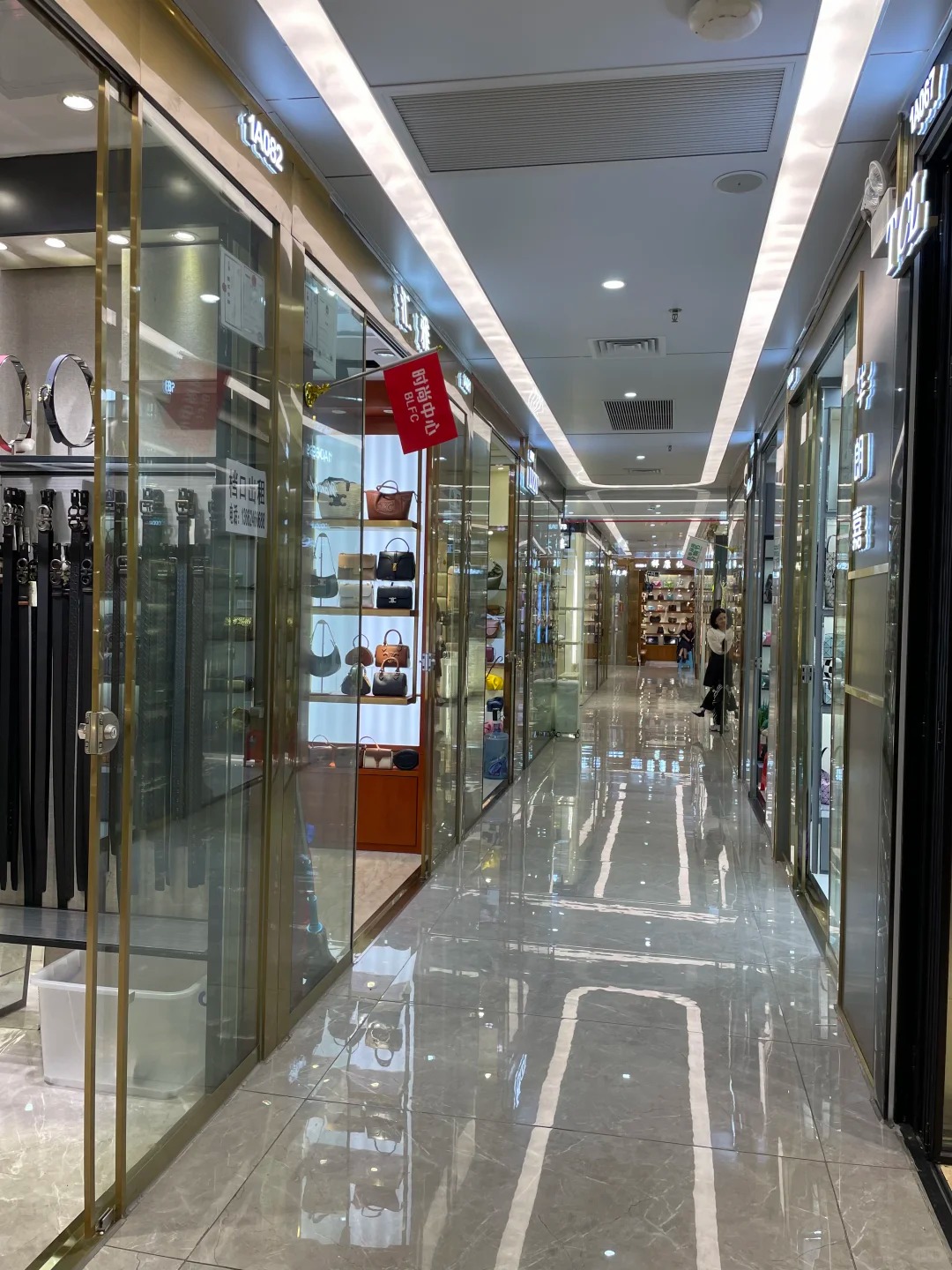
Successful sourcing in China hinges on verifying product quality firsthand and negotiating for spot goods at wholesale markets. Skip the middlemen and go directly to the source—market stalls in cities like Guangzhou, Yiwu, and Hangzhou offer immediate access to finished products.
Why Wholesale Market Stalls?
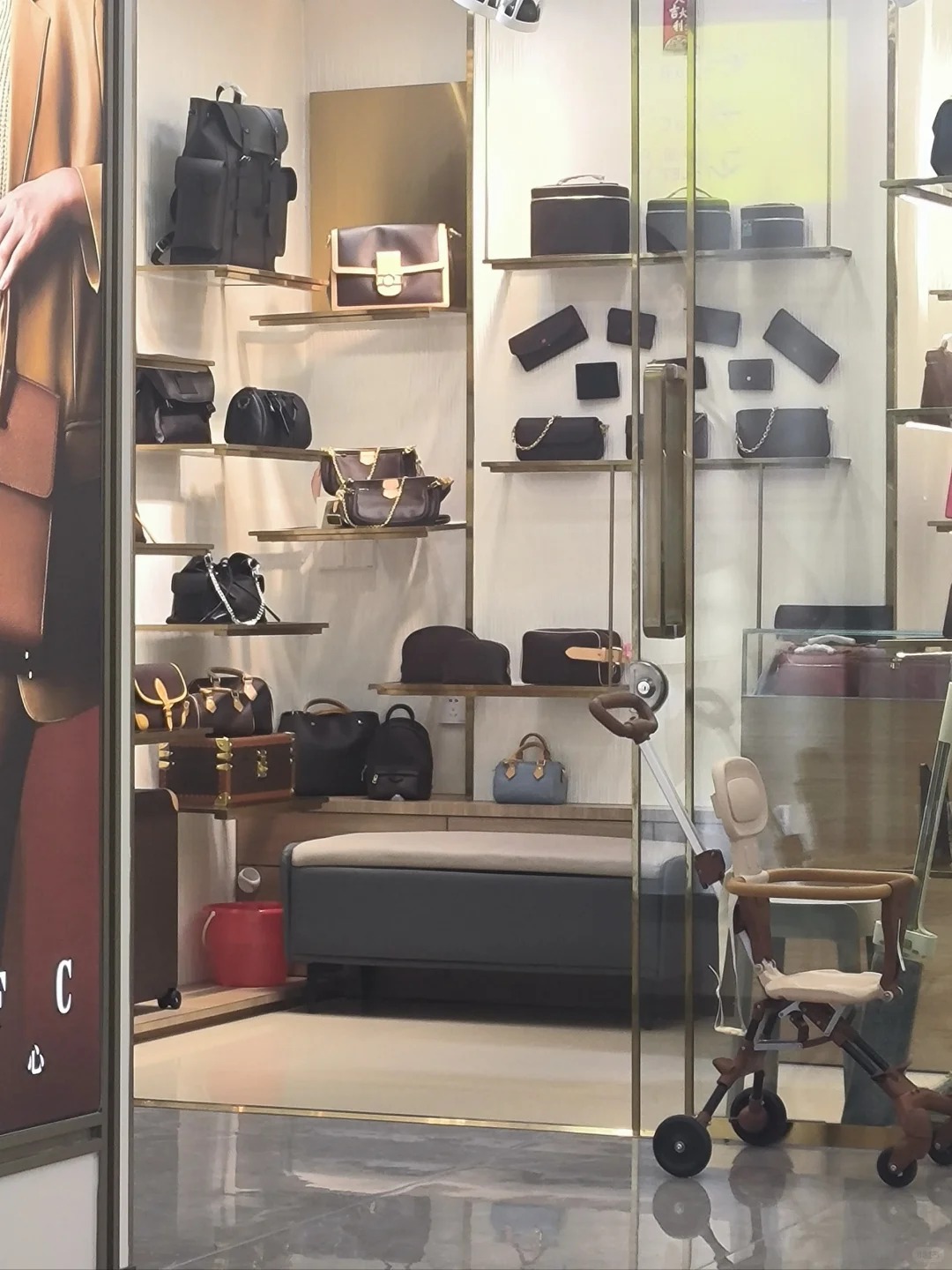
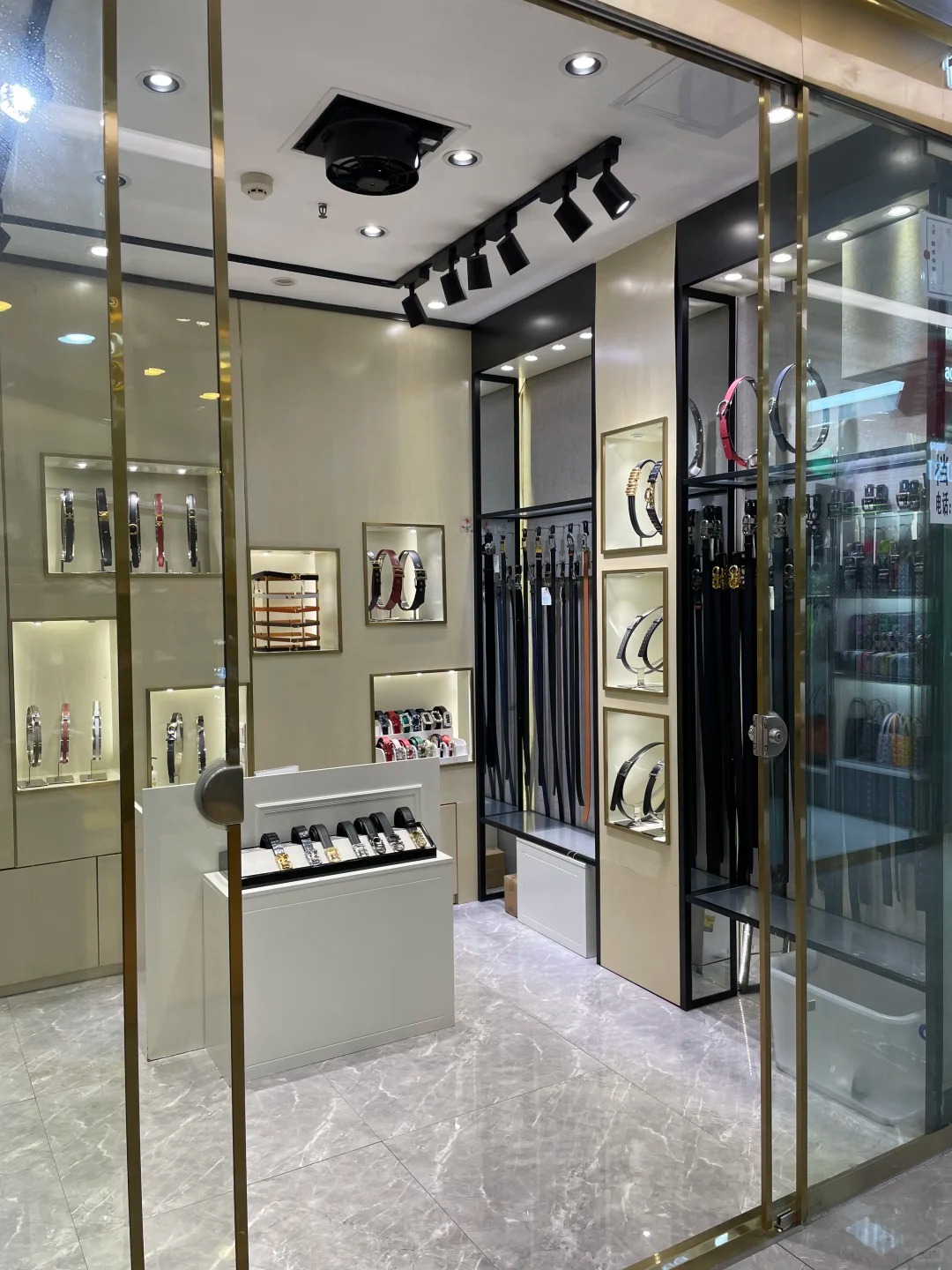
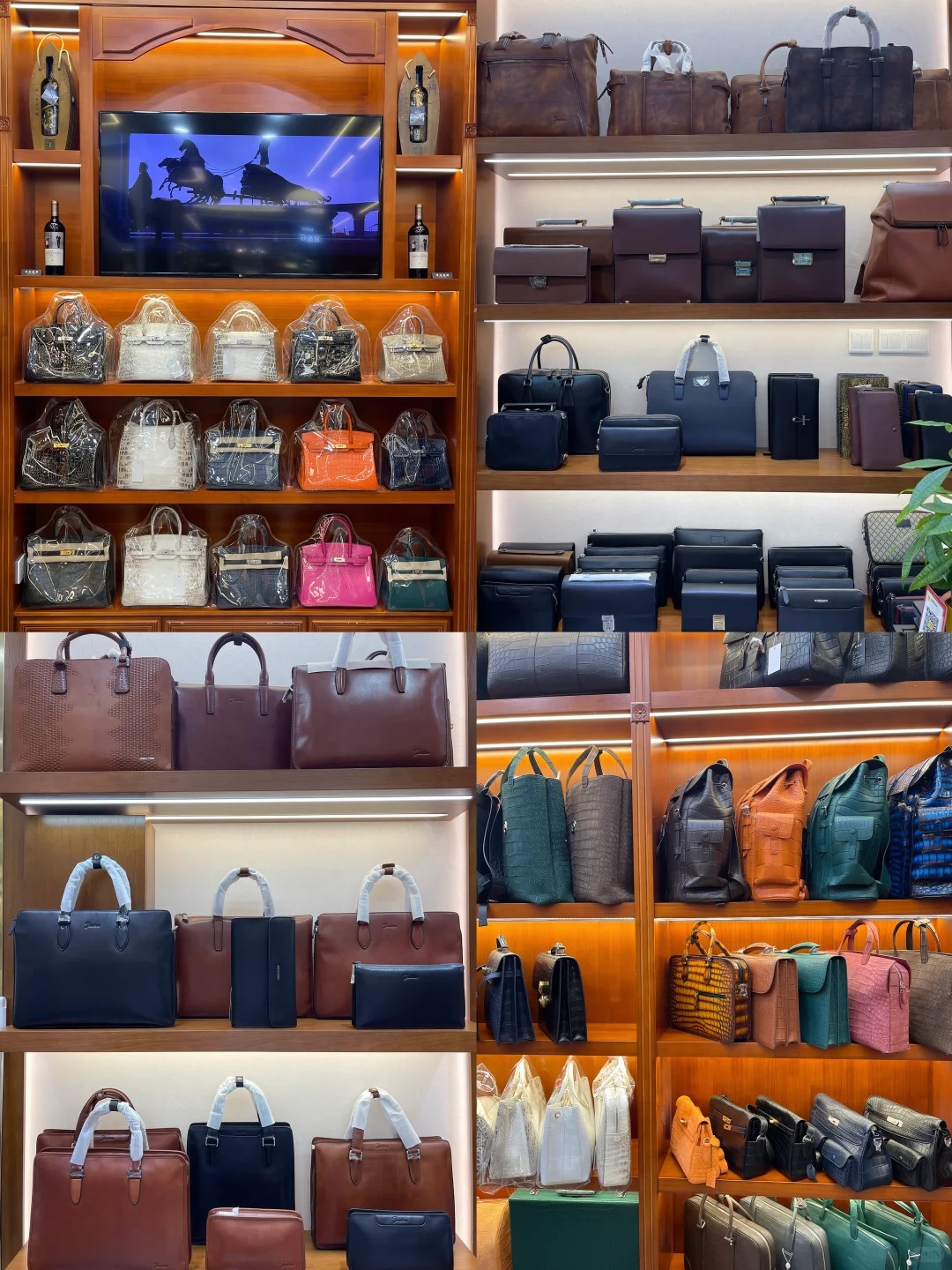
Market stalls let you touch the fabric, inspect the stitching, and check the weight of the product before you buy. You can order as little as 1–2 pieces to test demand, then negotiate bulk prices. This is especially valuable for fashion, accessories, and home goods where detail matters.
Step-by-Step Guide to Buying Spot Goods
1. Research Your Product Category
Know the key markets: Guangzhou for clothing and shoes, Yiwu for small commodities, Shenzhen for electronics, and Hangzhou for textiles. Each district specializes, so focus your visit.
2. Inspect Fabric & Workmanship
Don’t just look—feel. Run the fabric through your fingers. Check the thread count, elasticity, and colorfastness. Flip the garment inside out; loose threads or uneven seams are red flags. Ask for a sample to test at your hotel.
3. Negotiate for Spot Goods
Spot goods (现货) are ready to ship immediately. Stall owners prefer cash on delivery. Start bargaining at 50% of the quoted price, then settle around 60–70%. Larger quantities = better discounts.
4. Verify the Supplier
Ask for a business card with a Chinese address and phone number. Cross-check online or use Soudangkou to find verified stall profiles and reviews. Avoid agents who claim factory access—they often add 20–50% markup.
5. Arrange Logistics
Use a consolidator to mix products from multiple stalls into one shipment. Check that each stall provides an invoice (发票) for customs clearance.
FAQ: Common Questions About Buying in China
| Question | Answer |
|---|---|
| What is the minimum order quantity? | Many stalls accept 1–2 pieces for spot goods, but bulk orders (100+) get the best price. |
| Can I pay with credit card? | Cash is preferred, but larger stalls accept WeChat Pay or Alipay. Credit cards are rare. |
| How do I avoid counterfeit goods? | Only buy unbranded products or from stalls with good reviews on platforms like Soudangkou. Avoid stalls that promise famous brand names. |
| What if the product is defective? | Inspect thoroughly before paying. Once paid, exchanges are difficult—so be diligent. |
| Do I need a translator? | Helpful but not necessary if you use translation apps. Most stall owners know basic English numbers. |
Quality Checkpoints for Fabrics & Stitching
Fabric: Check for pilling on synthetic blends. Hold up to light: uneven weaves indicate poor quality. Natural fibers like cotton should feel soft but not thin.
Stitching: Look for 8–12 stitches per inch on visible seams. Avoid loose threads and skipped stitches. Check buttonholes: they should be reinforced.
Zippers & Buttons: Ensure zippers slide smoothly. Metal buttons should be firmly attached; plastic ones can crack under stress.
Final Tips
Always get a receipt with the stall number and date. Build relationships with a few stalls to get better terms over time. And remember: the best deals are for spot goods—custom orders often require MOQs of 1000+.
广州服装档口相关入口
继续查看相关市场和品类入口,方便对比档口微信、货源范围、拿货方向和试单前需要核实的信息。