
The Short Answer: Buy from Wholesale Markets, Use a Freight Forwarder
To buy from China to India, you don’t need a middleman. You can source directly from wholesale market stalls in cities like Guangzhou and Yiwu. Then use a freight forwarder who handles shipping and customs clearance. This cuts costs and gives you control.
Why Wholesale Markets Still Win
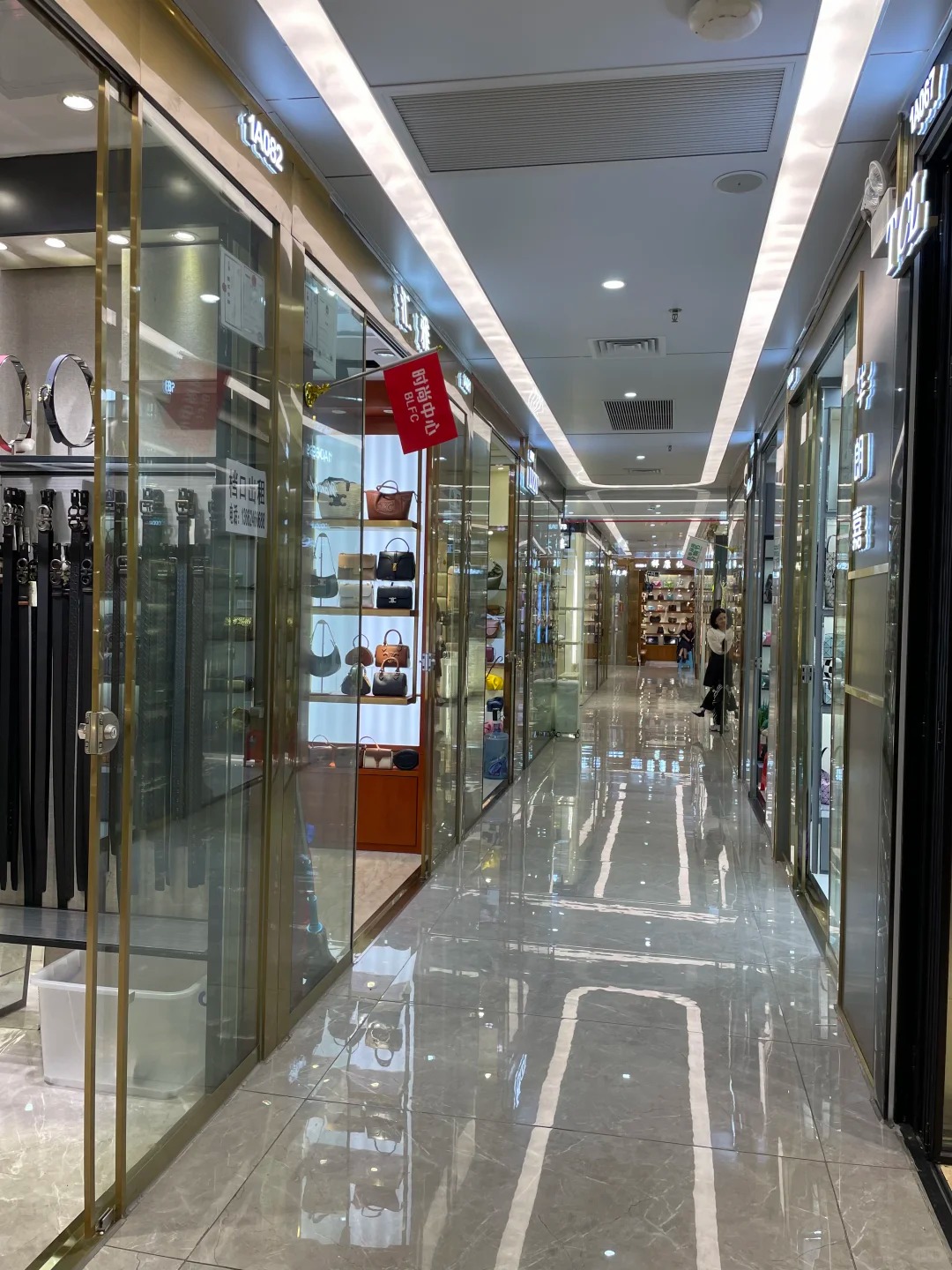
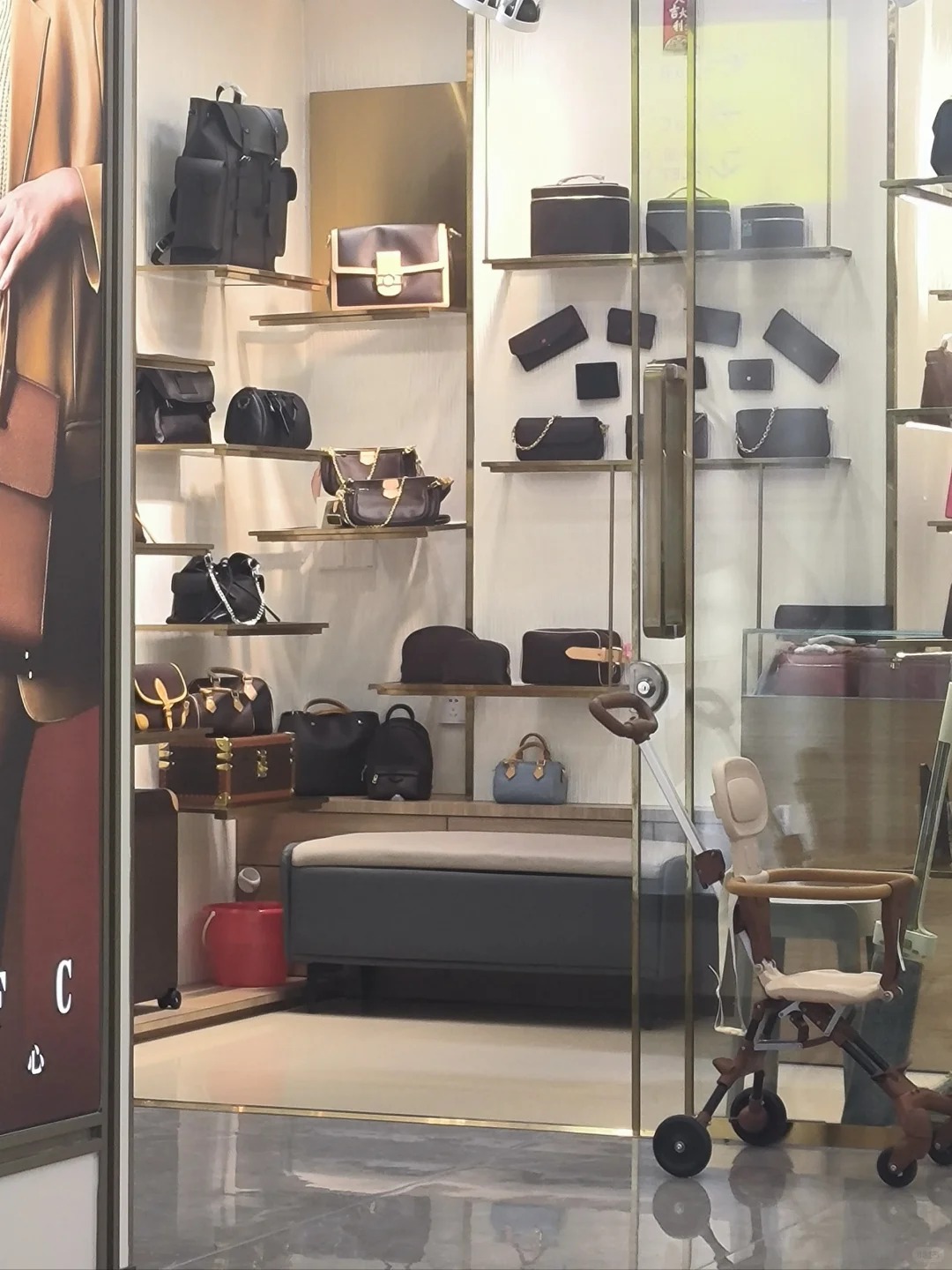
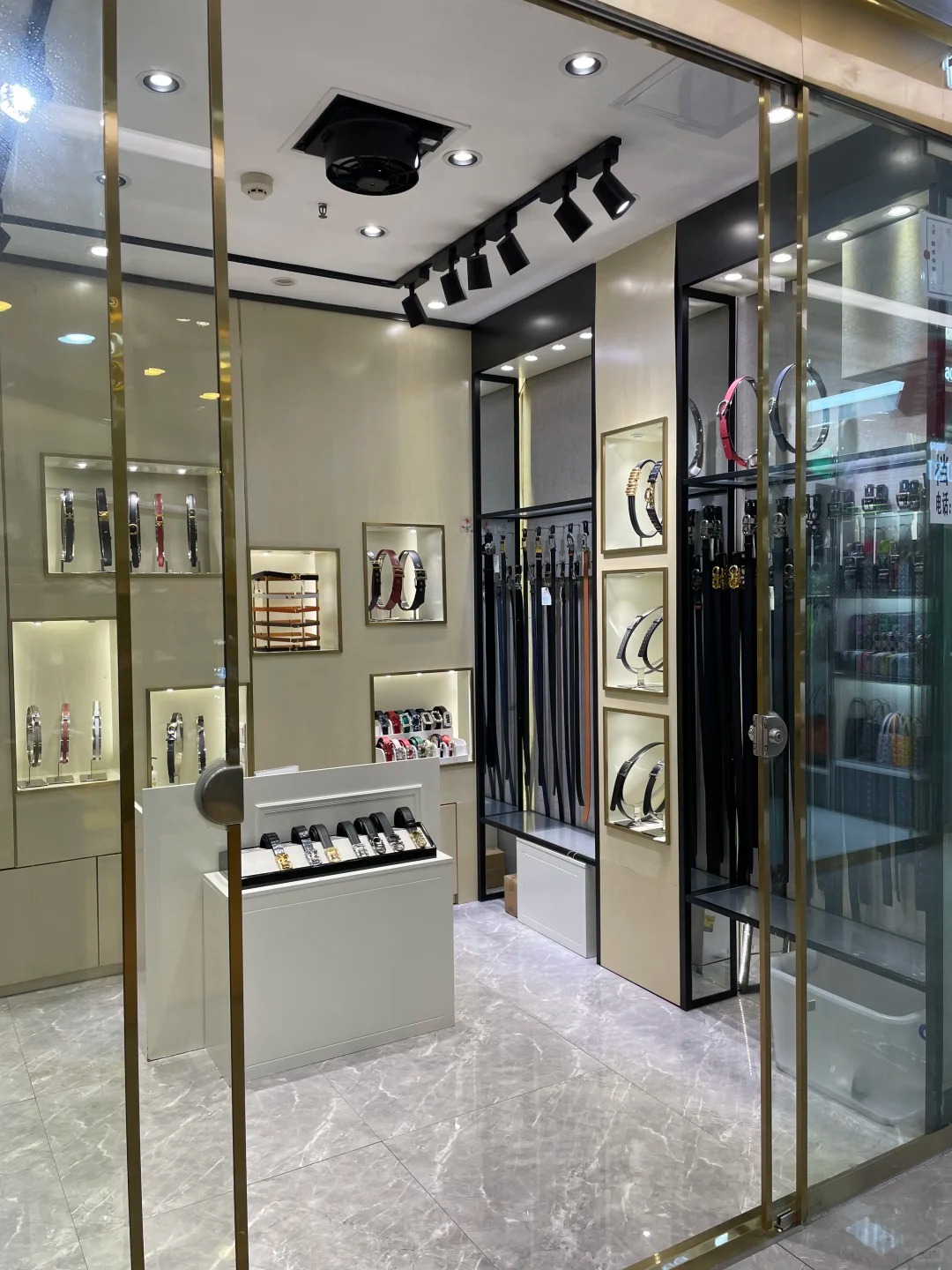
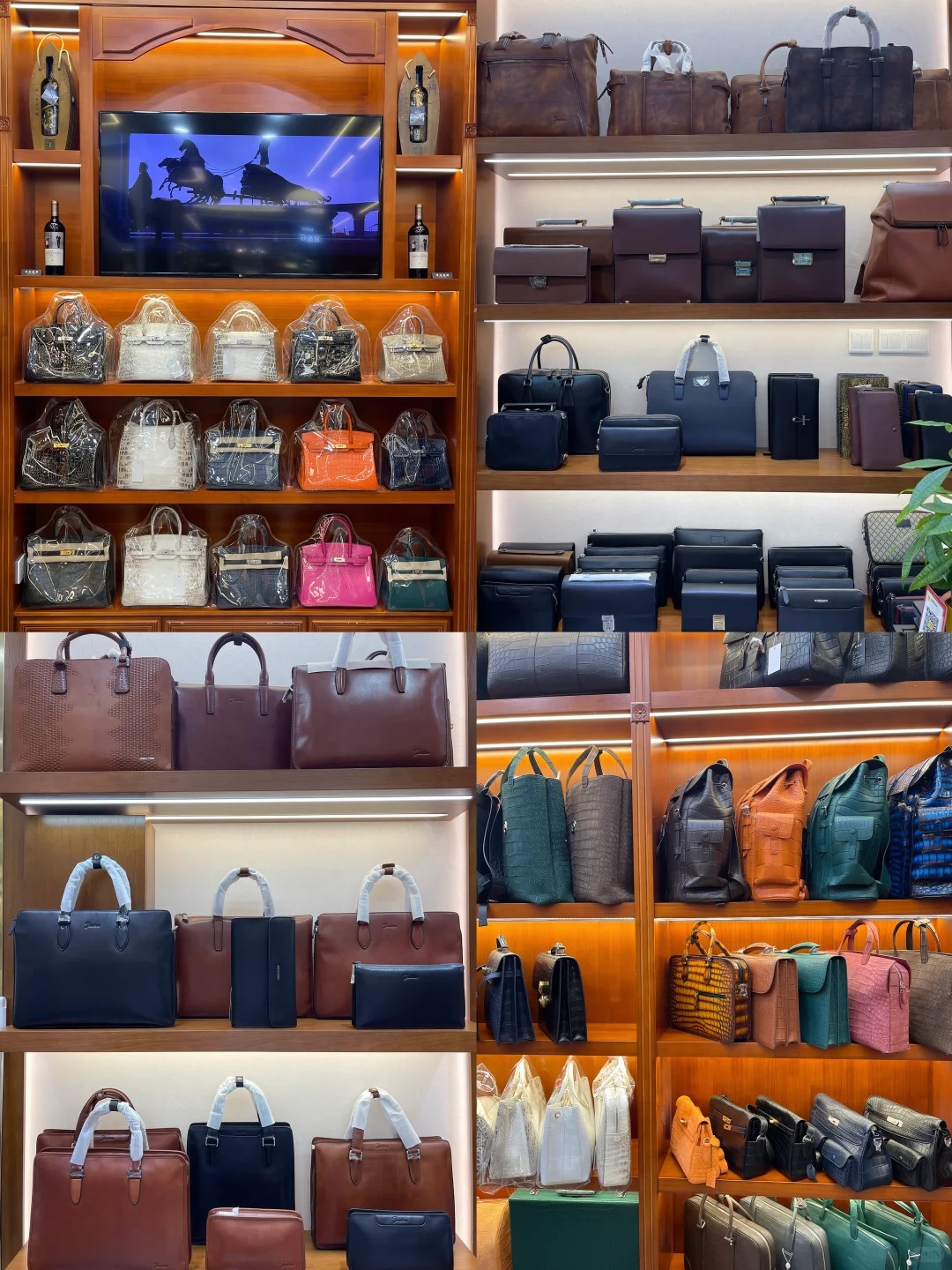
Despite e-commerce dominance, physical wholesale markets in China remain the best place to buy. At places like Yiwu International Trade Market or Guangzhou’s Baiyun World Leather, you can touch the fabric, check stitching, and negotiate face-to-face. One trip can save you 30-50% compared to online prices.
Step-by-Step: How to Buy
Step 1: Identify Products
Don’t just browse Alibaba. Know exactly what you want. For apparel: focus on fabric weight, seam finishing, and colorfastness. For electronics: check for CE/FCC marks and ask about minimum order quantities (MOQs).
Step 2: Travel to China (or Use an Agent)
Indian buyers can get a visa easily for business. Stay in Guangzhou or Yiwu for a week. In Yiwu, the market has over 75,000 shops. If you can’t travel, hire a sourcing agent who visits stalls for you. But physically going nets you the best deals.
Step 3: Negotiate Like a Pro
At a stall, the quoted price is often 20-30% above the real price. Negotiate in Chinese yuan, not dollars. Point out flaws in the stitching (stall owners respect knowledge). Offer to buy in bulk immediately—cash in hand closes deals.
Step 4: Arrange Shipping
Most stalls won’t handle shipping. Use a freight forwarder who consolidates goods. For India, sea freight via Mundra or Nhava Sheva takes 20-30 days. Air freight is faster but 4x cost. The forwarder also handles BIS certification if needed.
Step 5: Customs Clearance in India
Your freight forwarder should have an Indian partner. You need a GST number, import-export code (IEC), and product-specific compliances. Common pitfalls: undervaluing goods (huge fines) or missing BIS marks for electronics. A good forwarder prevents this.
FAQ: Common Questions
| Question | Answer |
|———-|——–|
| What is the cheapest shipping method from China to India? | Sea freight, LCL (less than container load). Costs $50-150 per cubic meter. |
| Do I need to pay Indian customs? | Yes. Duty varies by product. Apparel: 20-30%. Electronics: 15-20%. Use HS codes to calculate. |
| How do I avoid scams? | Never pay full price upfront. Use escrow or Alibaba Trade Assurance. Visit stall first if possible. |
| Can I buy small quantities? | Yes, from wholesale markets. MOQ can be as low as 10 pieces per design. Avoid factories for small qty. |
| What if I don’t speak Chinese? | Bring a local mobile translator app. Many stall staff speak basic English. Hire a translator for $30/day. |
| How to check product quality? | Ask for samples. For apparel: measure, rub fabric, check color bleeding. For electronics: test function. |
| Is it better to buy from Shenzhen? | Shenzhen is for electronics. Yiwu is best for general merchandise, textiles, hardware. Guangzhou for leather and clothing. |
Pro Tips: The Stall Owner’s Perspective
Wholesale stall owners are business people, not factories. They care about volume and fast deals. Here’s how to win them over: Buy multiple designs from the same stall—it builds trust. Pay in cash (CNY) for a 5% discount. Don’t ask for free samples—they hate that. Instead, buy one piece at cost. Learn to say ‘pianyi dian’ (cheaper) in Mandarin. Email follow-ups after visiting close sales.
One trick: visit in the afternoon, 2-3pm, when stalls are quiet. That’s when you get real prices. Morning is for locals who know the game.
Finally, check the stitching on the inside seams. Loose threads mean low quality. Good stalls will let you open the packaging. If they refuse, walk away.
For a trusted online platform to find verified stall owners and check product quality, consider using Soudangkou. It connects you directly to wholesale stalls in China, saving you a trip. But nothing beats being there in person.
India’s import rules change frequently. Keep an eye on goods and services tax (GST) updates. And never forget: the stall owner’s price is always negotiable. Start at 50% of asking.
广州服装档口相关入口
继续查看相关市场和品类入口,方便对比档口微信、货源范围、拿货方向和试单前需要核实的信息。