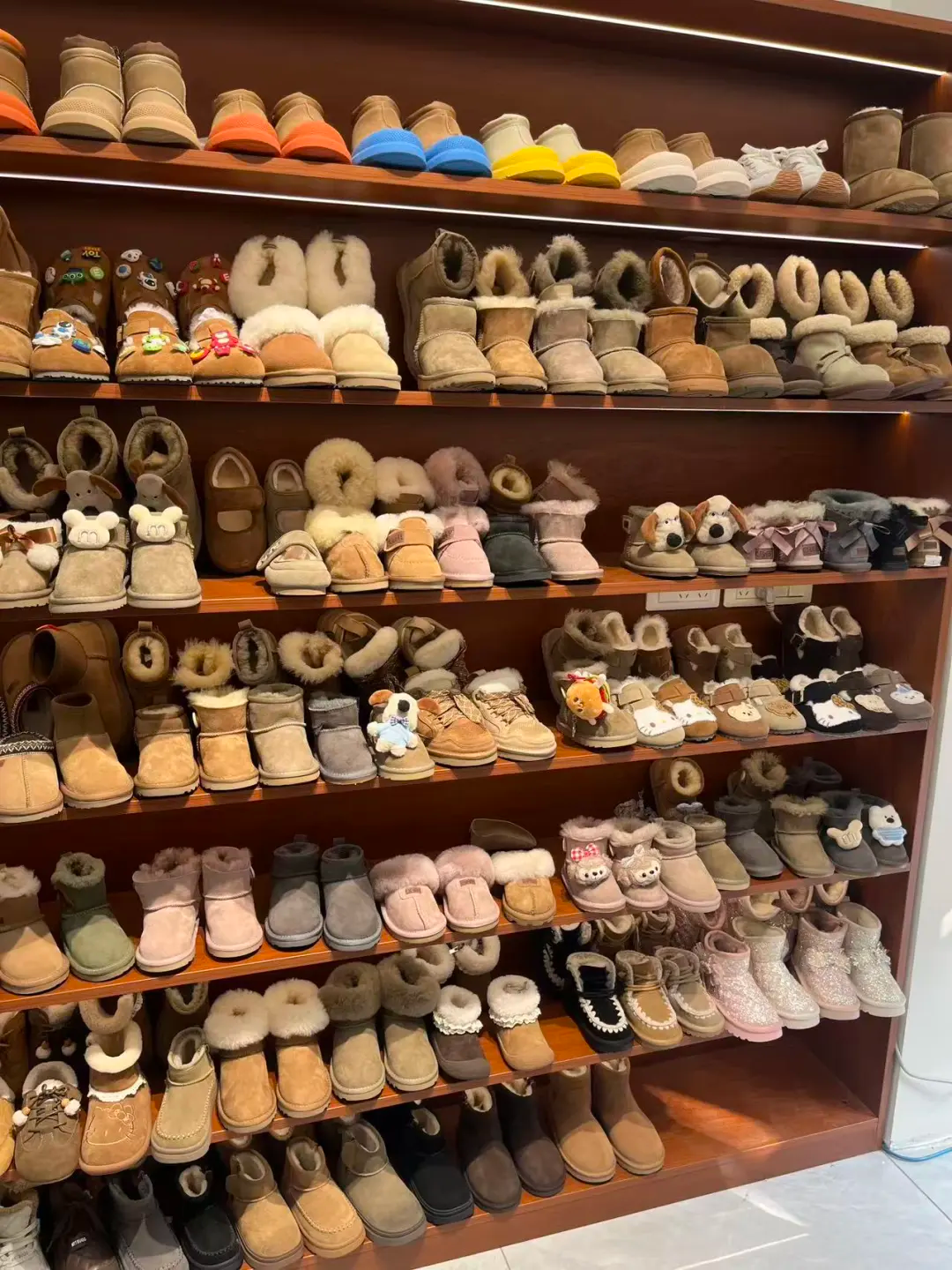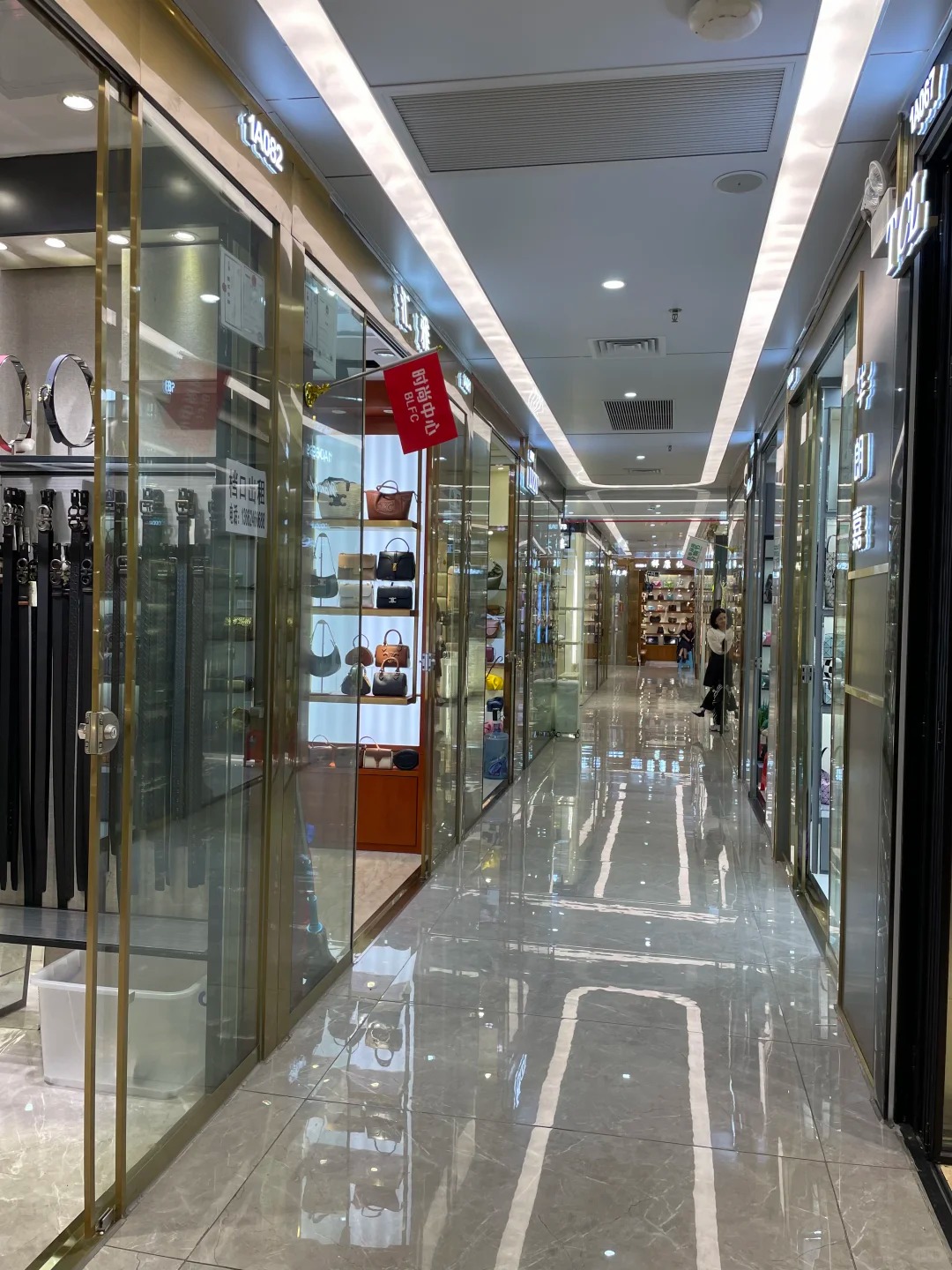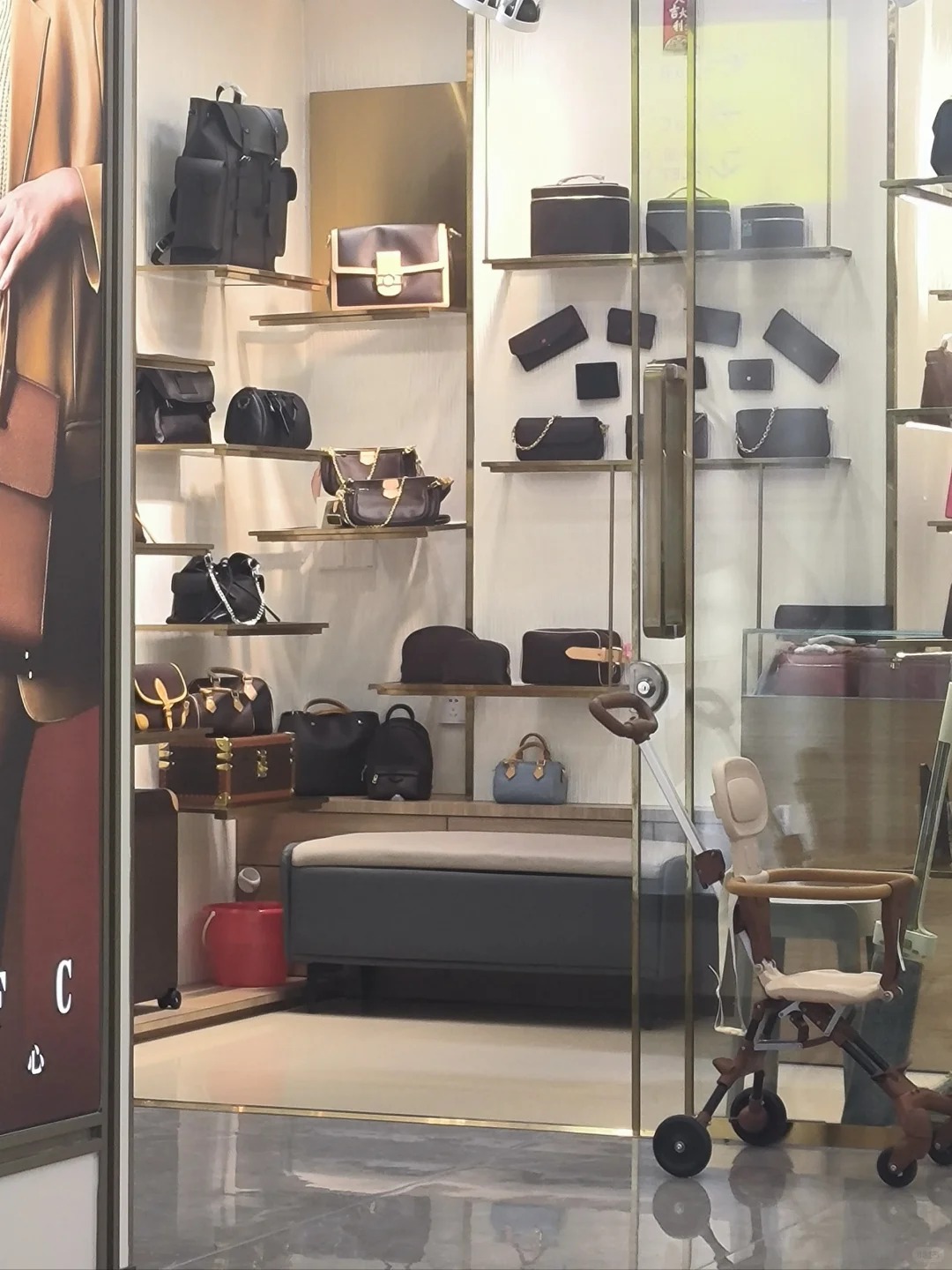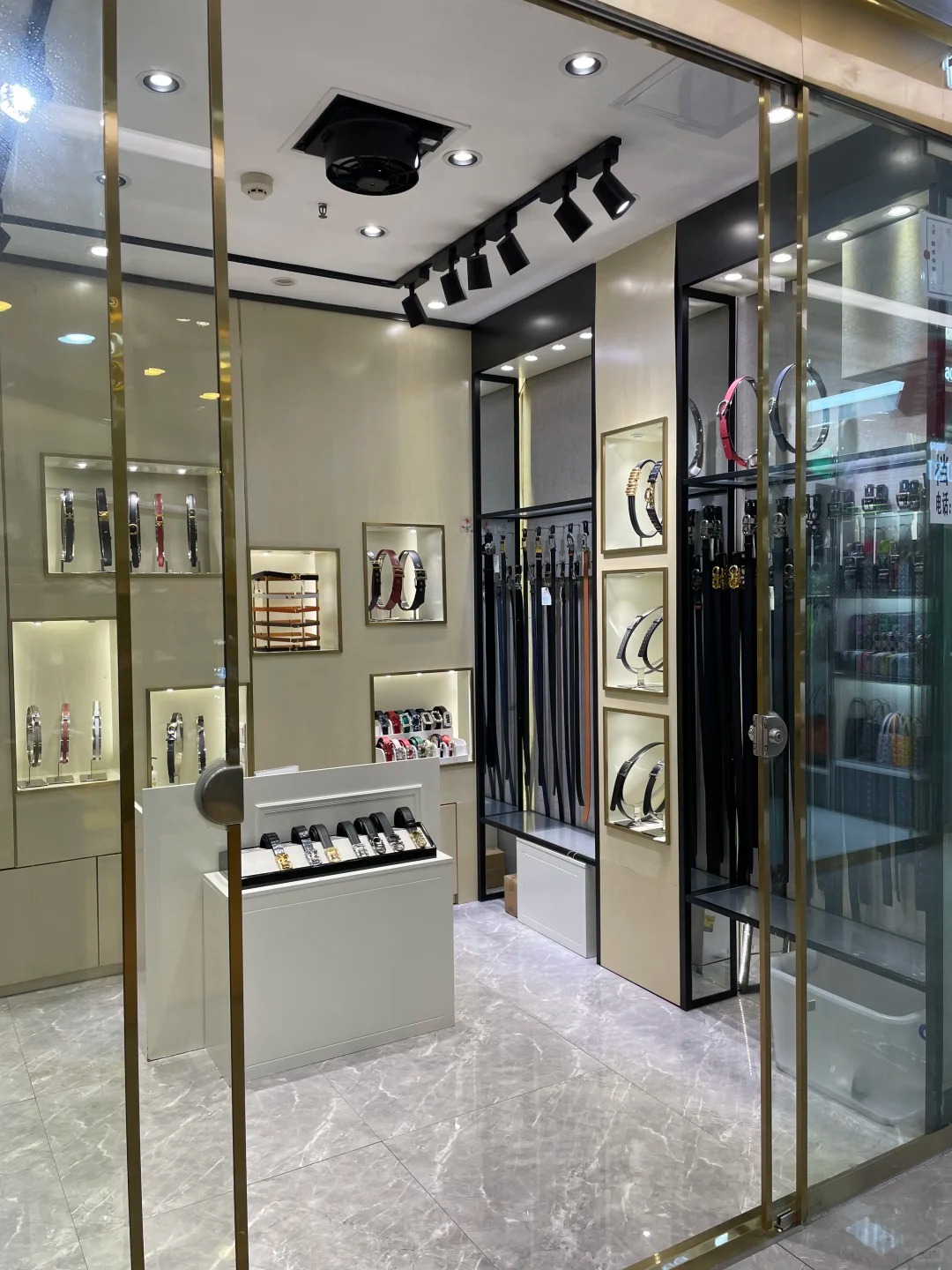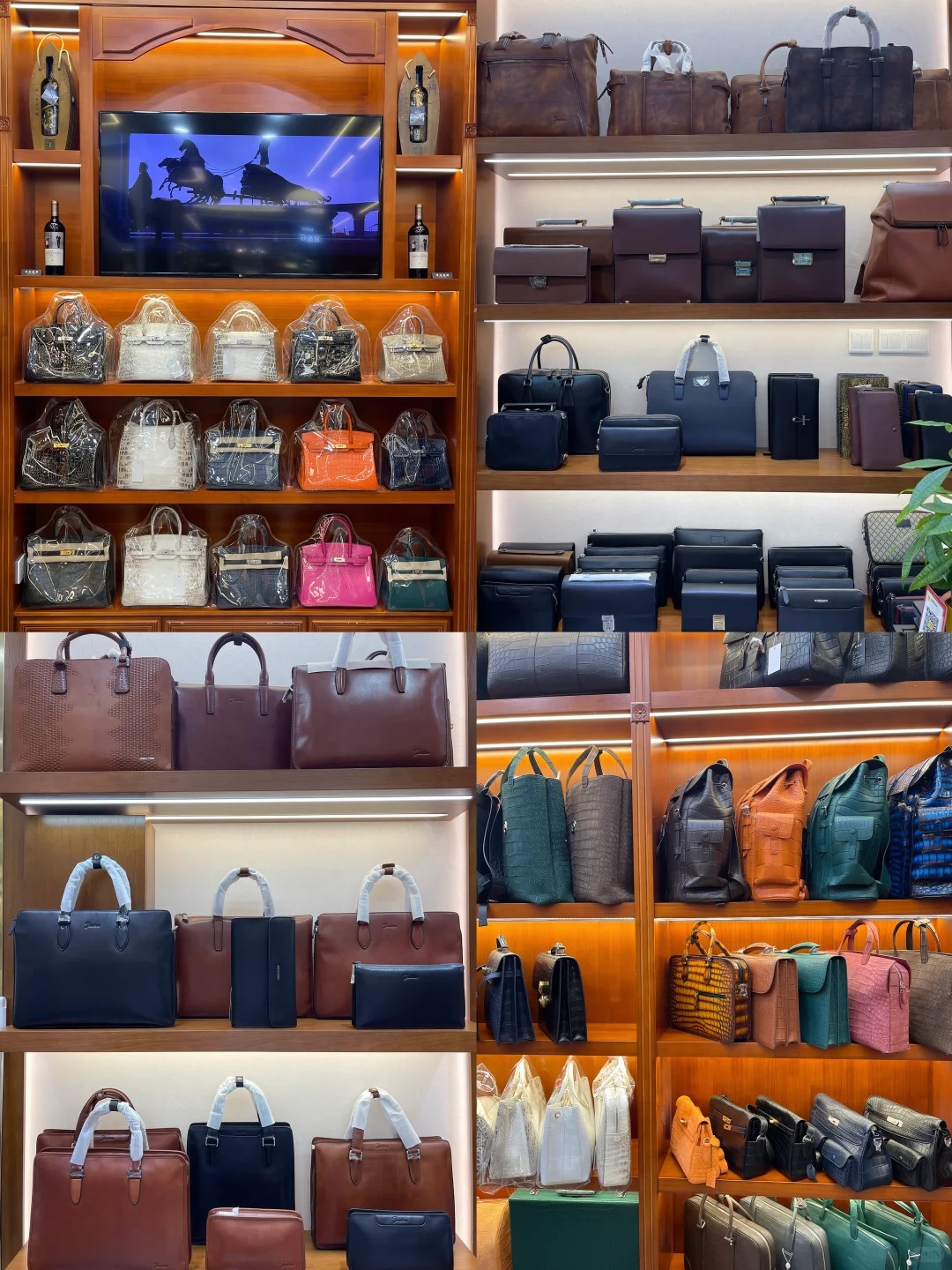

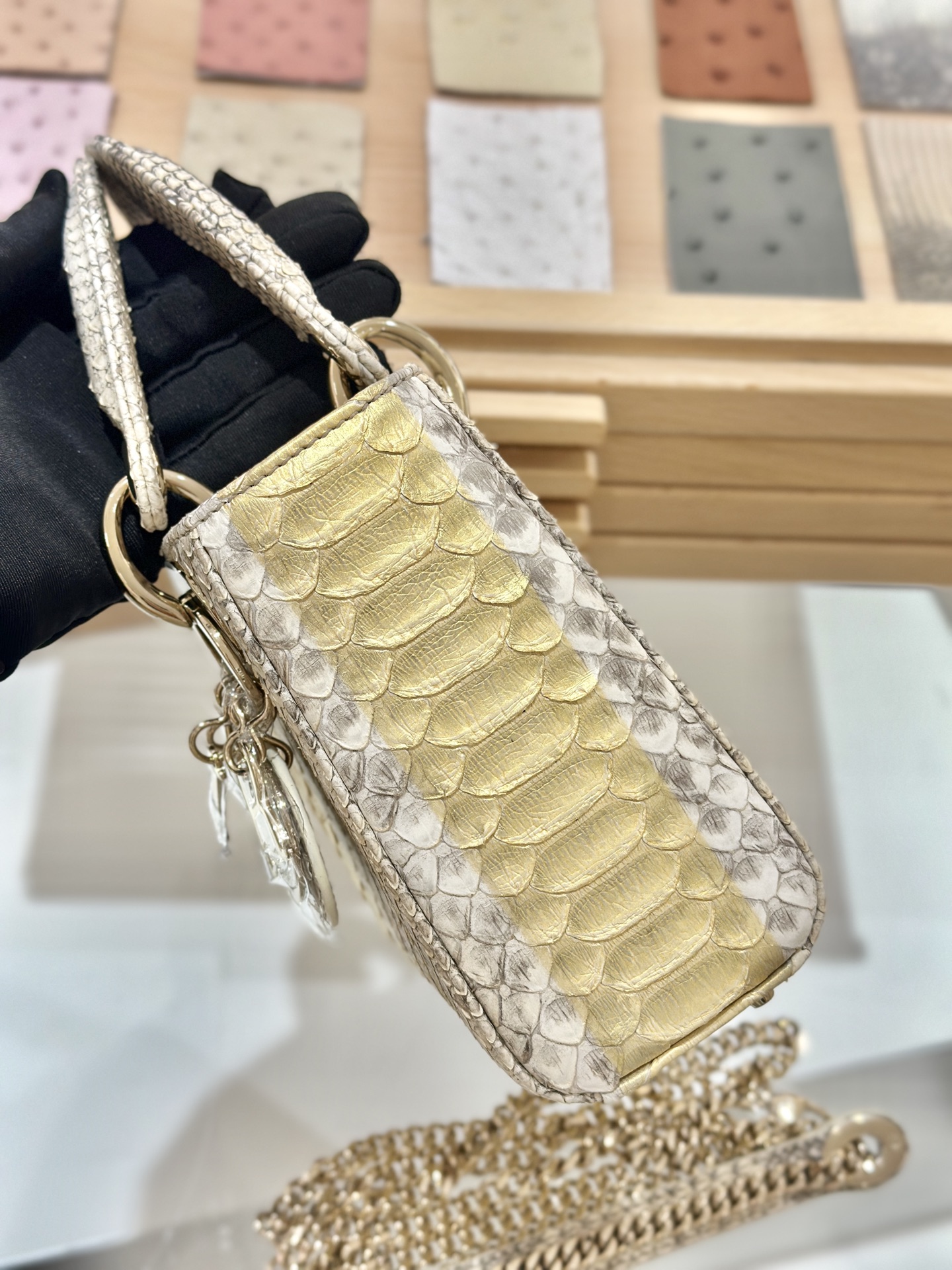
To buy excess inventory from China, you need to go directly to wholesale markets like Yiwu or Guangzhou, find stalls with clearance signs, and negotiate bulk discounts on the spot. Unlike standard orders, excess stock is often priced at 30-50% below wholesale because sellers want to free up space. You’ll need cash on hand, a sharp eye for quality, and the ability to haggle in Mandarin or via a translator app.
Why Buy Excess Stock from China?
Excess inventory includes overruns, canceled orders, and seasonal leftovers. For importers, this means getting high-quality goods at rock-bottom prices—sometimes as low as 20% of retail. The catch: you must inspect everything yourself, as returns are rarely accepted.
Where to Find Excess Inventory in China
Yiwu International Trade Market
The world’s largest small-commodity market has thousands of stalls. Look for vendors with piles of boxed goods marked “overstock” or “clearance.” Most are open to negotiating per-piece prices for bulk buys.
Guangzhou’s Three Mega-Markets
Guangzhou is a hub for apparel, electronics, and accessories. The Baiyun, Gaoye, and Zhanxi clusters are famous for excess stock, especially left-over export orders. Early morning visits (before 10 AM) yield the best finds.
How to Judge Quality at Wholesale Markets
Check the Fabric & Workmanship
Rub the fabric between your fingers—does it pill? Examine seams: are they straight and double-stitched? For electronics, test units if possible. One pro tip: bring a small magnet. If it sticks to a stainless steel product, the quality is subpar.
Beware of “Seconds” vs. Genuine Overstock
Some sellers mix defective items with good stock. Always open a few random boxes to verify consistency. If you see minor flaws, negotiate an additional discount—but be ready to walk away if too many items are damaged.
Negotiation Tactics for Excess Stock
- Start at 30% below their asking price.
- Use cash as leverage. Show wads of RMB to signal seriousness.
- Bundle multiple stalls. Offer to buy from several sellers at once for a better bulk rate.
- Be willing to walk. Excess inventory is perishable; sellers want it gone. If you don’t like the price, leave your card. They often chase you back.
Logistics & Shipping
Arrange for freight forwarders to pick up directly from the market. Most stall owners can recommend local agents who consolidate shipments. For small LCL (less container load) exports, costs are surprisingly low, especially via Shenzhen or Shanghai ports.
| Frequently Asked Questions |
|—————————|
| **Q: How to find reliable stall owners for excess stock?**
**A:** Focus on stalls that have been in the market for years (look for dust on shelves—older stock signals eagerness to sell). Ask nearby shop assistants about the vendor’s reputation. |
| **Q: Can I buy excess stock online?**
**A:** Yes, platforms like Alibaba have B2B listings for overstock, but you lose the chance to inspect goods in person. If you must buy online, request video calls and sample verification. |
| **Q: What is the minimum order quantity for excess inventory?**
**A:** This varies widely. Some sellers unload entire lots (e.g., 500 pieces), while others allow you to cherry-pick as few as 10 items if you pay a higher unit price. |
| **Q: How to negotiate when language is a barrier?**
**A:** Use translation apps like Pleco or hire a local agent for a small fee (around $50/day). Most importantly, learn numbers in Mandarin—it builds trust. |
| **Q: Are there duties on excess stock?**
**A:** Yes, you’ll pay standard import duties in your country. The advantage is that customs valuation is based on your actual purchase price, which is low. |
Conclusion: Act Fast, Inspect Thoroughly
Buying excess inventory from China can be a goldmine, but only if you move quickly and check everything. Start small—visit a market like Soudangkou (soudangkou.com) to see real examples of stall-level trading. Build relationships with consistent vendors, and you’ll unlock deals that standard importers can only dream of.
广州服装档口相关入口
继续查看相关市场和品类入口,方便对比档口微信、货源范围、拿货方向和试单前需要核实的信息。