
How to Buy China Stock in USA: The Wholesale Market Stall Approach
The simplest answer: work directly with wholesale market stalls in China that offer one-hand stock (现货) and are willing to ship to the US. Forget trading platforms or middlemen — the real edge is in the physical sampling of fabric, stitching, and cut. Most US buyers overcomplicate this. Let’s cut through the noise.
Why One-Hand Stock Matters for US Wholesalers
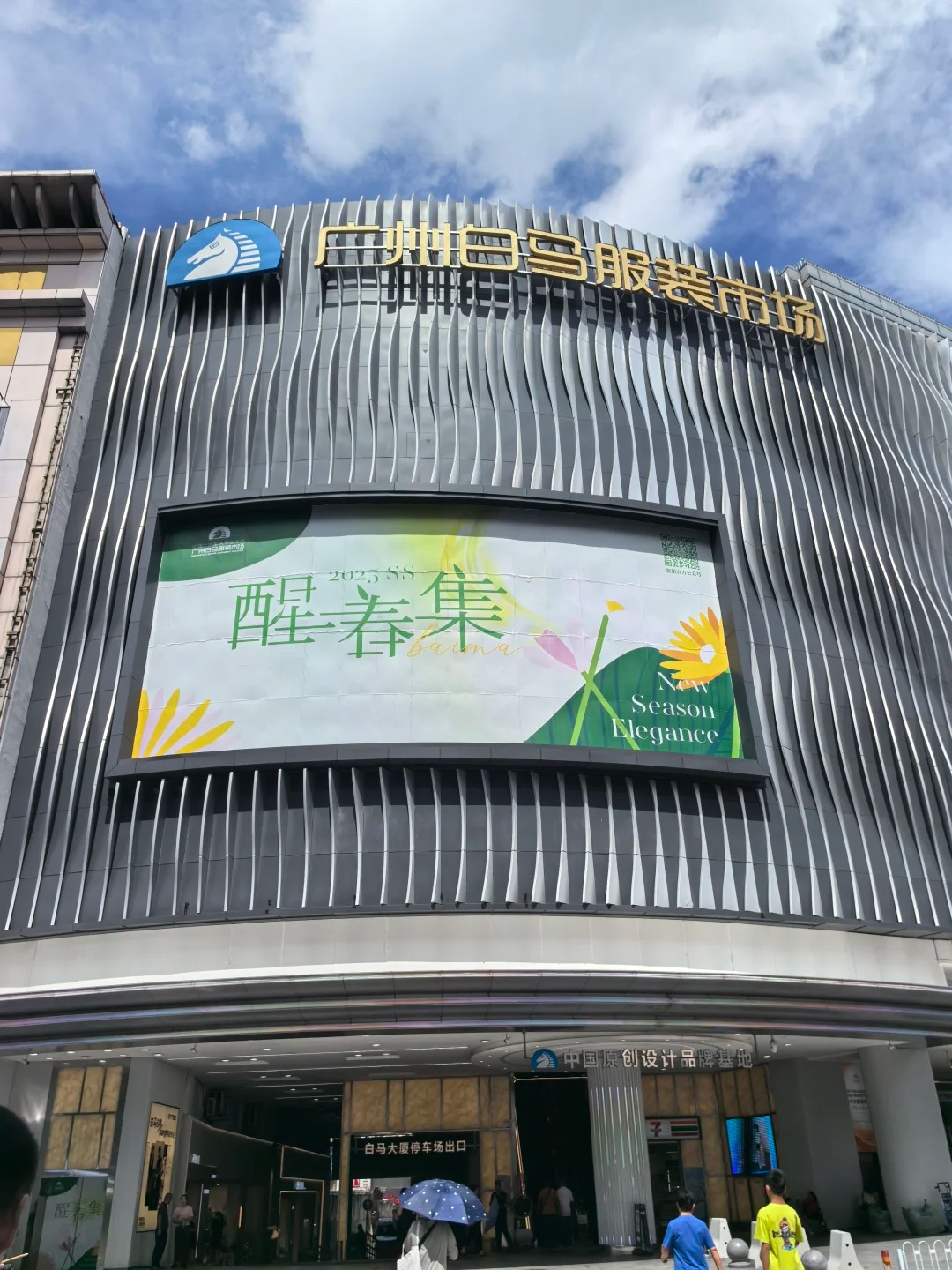
One-hand stock means you can buy a single piece or a small lot to test before committing to bulk. This is crucial for US buyers who need to validate quality — especially fabric feel and stitch precision — without tying up capital. Chinese wholesale markets, especially in Guangzhou and Yiwu, have dedicated stalls open to foreign buyers looking for this flexibility.
Step-by-Step: Sourcing Directly from Market Stalls
Here’s how you get it done, drawn from real experiences working with stall owners in places like Soudangkou (a well-known wholesale hub).
- Identify your niche. Know exactly what you want: fabric composition (e.g., 100% cotton vs. polyester blend), stitch density (8-10 stitches per inch is standard for durable goods), and finishing (double-stitched seams, no loose threads).
- Use digital sourcing tools. Platforms like Soudangkou let you filter by “one-hand stock” and “export-ready.” Request fabric swatches by mail — a $20 shipping fee is worth it to feel the material yourself.
- Test the stitching. Ask for macro photos of internal seams. Look for uneven tension or skipped stitches. Reputable stalls will provide video walkthroughs.
- Negotiate sample cost. Expect to pay 100-150% of wholesale price for a sample. If the stall refuses sample orders, move on — they’re likely not set up for US buyers.
- Inspect before shipping. Use a third-party inspection service in China (e.g., QIMA or Asia Inspection) to verify fabric feel and stitching against your agreed sample. This is non-negotiable.
Common Pitfalls When Buying China Stock for the US
Here are the top mistakes US buyers make, and how to avoid them.
| Pitfall | Why It’s a Problem | How to Avoid |
|---|---|---|
| Skipping fabric feel verification | Photos don’t capture texture, weight, or hand feel. Synthetic “silk” can look real but feel plastic. | Order physical swatches. Pay for DHL delivery (3-5 days to US). |
| Ignoring stitch quality | Poor stitching leads to returns. Many US buyers focus only on price. | Request close-up videos of zippers, buttonholes, and seam joins. |
| Over-ordering on first purchase | MOQs can be high, but many stalls now offer low MOQs for one-hand stock. | Start with 10-20 pieces per SKU. Scale after sell-through test. |
| Assuming all stalls ship to US | Some stalls only sell domestically. Others charge inflated shipping. | Use a freight forwarder (e.g., ship from Soudangkou’s consolidated shipping). |
| Not checking customs compliance | Fabric blends, labels, and safety standards must meet US regulations (e.g., CPSIA for children’s items). | Ask stall for test reports. Many in Soudangkou already have them. |
Fabric and Stitching: What to Look For
Let’s get specific. For clothing: a 60/40 cotton-poly blend with a 200-300 GSM weight is ideal for durable basics. Stitching should be 10-12 per inch for strength. For accessories: double-stitched handles on bags, reinforced stress points. For home textiles: thread count of 200+ for sheets, and a tight weave that doesn’t snag.
Conclusion: Act Like a Local Buyer
The US buyers who succeed in sourcing from China stock treat it like a craft. They sample, inspect, and build relationships with stall owners. Platforms like Soudangkou are just the starting point — your real work begins with a fabric swatch in your hand. Don’t skip the tactile test. That’s what separates a profitable wholesale deal from a costly mistake.
广州服装档口相关入口
继续查看相关市场和品类入口,方便对比档口微信、货源范围、拿货方向和试单前需要核实的信息。