
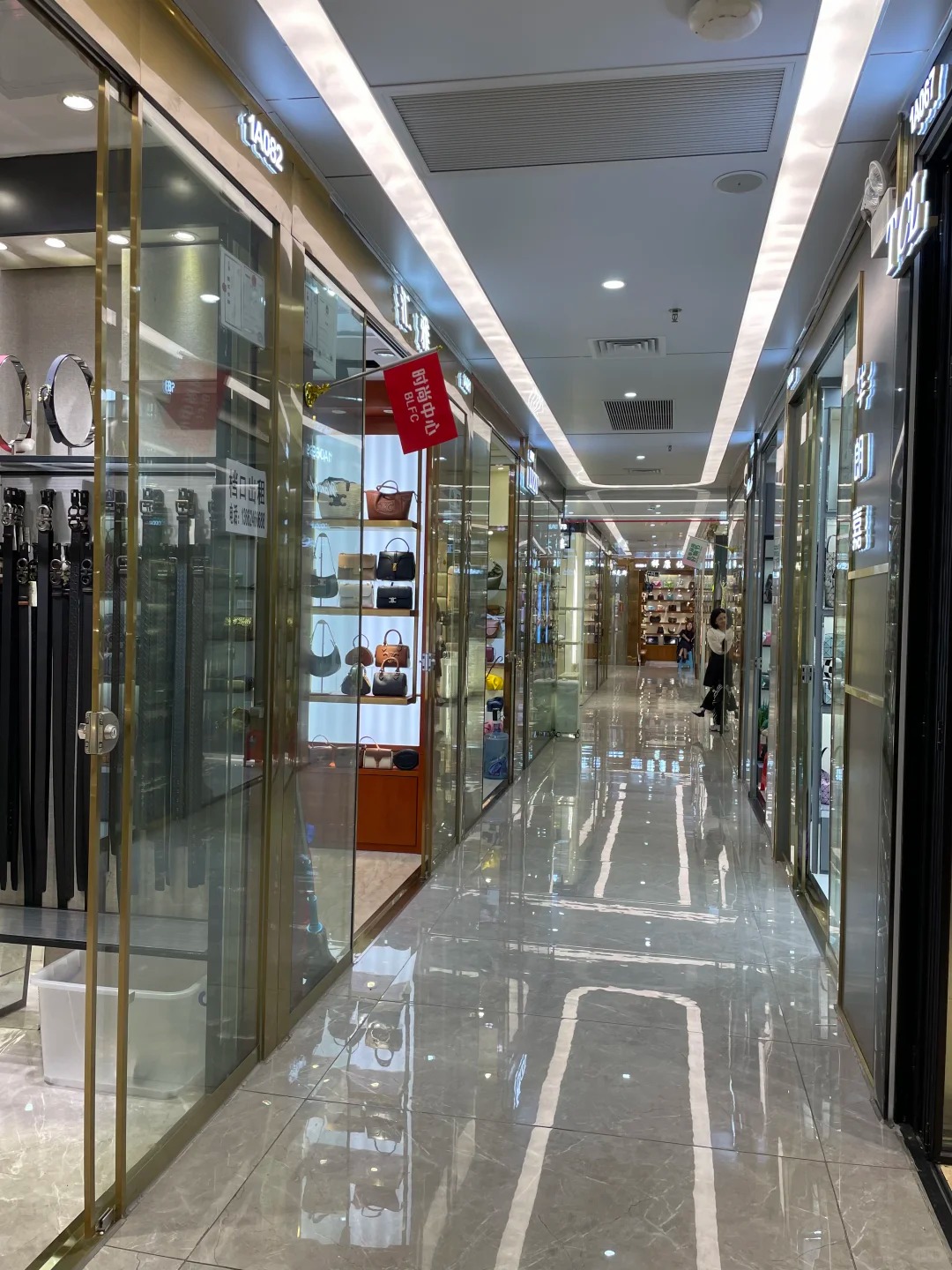
Yes, you can buy clothes from China that fit like US sizes – but you must use body measurements, not tag sizes. Chinese sizes are typically one to two sizes smaller than US sizes. A US size M often equals a Chinese size L or XL. The key is to ignore the label and measure the garment’s flat lay dimensions or your own body. As a China sourcing insider, I’ve seen countless buyers fail by relying on size tags. Here’s exactly how to nail sizing every time, especially when buying from wholesale market stalls.
Understand the Size Conversion Reality
Chinese sizing (S/M/L) runs smaller. For example, a Chinese size L might have a chest measurement of 36-38 inches, while a US size L is 40-42 inches. But here’s the thing: many factories in China, especially those supplying to US brands, actually produce US-standard sizes. The trick is to ask for US size specifications. When you visit wholesale markets like Yiwu or Guangzhou’s Shaxi, you’ll find garments labeled with both Chinese and US sizes. Always request the ‘export size’ or ‘American size’. If the stall owner hesitates, it’s a red flag. Get into the habit of requesting the garment’s flat lay measurements – chest width, length, and sleeve length. This is non-negotiable.
Step-by-Step Sizing Strategy for Wholesale Buyers
First, take your own body measurements and those of your best-selling US samples. Write them down. At the stall, pull out a tape measure. Measure the garment flat on the table. Key measurements: chest (pit to pit), length (from shoulder seam to bottom hem), and sleeve (from shoulder seam to cuff). Compare these to your reference. A common mistake is measuring stretchy knits stretched out; measure relaxed. For woven shirts, add 2-4 inches of ease to your body measurement for a relaxed fit. Pro tip: buy one piece at full price, test it on your body or a fit model, then place bulk order.
Size Charts: Your Best Friend
Every reputable wholesale stall should provide a size chart. But don’t trust it blindly. Cross-check a sample. If the chart says chest 50 cm (19.7 inches) for size M, but your US size M is 22 inches, that’s a red flag. Ask the vendor why the discrepancy. Often, they base charts on Asian body shapes, which are smaller. Demand a chart in inches or centimeters that matches your market. I always recommend using Soudangkou when dealing with new suppliers – they provide verified size charts and order protection. But even then, verify with a test order.
Common Pitfalls and How to Avoid Them
The biggest mistake is assuming all factories follow the same standard. They don’t. Even within the same market, two stalls selling similar dresses may have different sizing. Also, beware of ‘one size fits all’ – it rarely fits most US buyers. Ordering in bulk without testing is another killer. Always get a pre-production sample. Pay the extra shipping; it saves returns. Another trap: only looking at chest size. Pay attention to garment length – Chinese tops often have shorter sleeves and overall length than US equivalents. Discuss with the vendor whether they can adjust pattern (grading) for US proportions – many can for a small fee or if you order volume.
Leveraging Wholesale Market Stalls for Better Fit
At markets like Guangzhou’s Baishun Road or Yiwu, stall owners are eager to work with serious buyers. They can often customize sizing if you commit to minimum order quantities (MOQs) like 50-100 pieces. Negotiate: ask for size breakdown per your requirements (e.g., 40% S, 30% M, 20% L, 10% XL). They have pattern makers who can adjust for Western bodies. The key is to build trust by bringing your own size specs and showing them your market knowledge. Vendors respect buyers who know their numbers. If you’re new, consider using a sourcing agent who specializes in fit – they can bridge the language and culture gap.
FAQ: Sizing and Buying from China
| Question | Answer |
|———-|——–|
| Are Chinese clothes smaller than US? | Yes, typically 1-2 sizes smaller. Use body measurements, not tag sizes. |
| Should I size up when ordering from China? | Usually 1-2 sizes up. For example, if you’re US M, order Chinese L or XL. But always check the size chart. |
| Can I return clothes that don’t fit? | Most wholesale suppliers do not accept returns for sizing issues. That’s why pre-order samples are crucial. |
| What measurements should I ask for? | Chest (pit to pit), length (shoulder to hem), sleeve (shoulder to cuff), and shoulder width (back). |
| How can I avoid sizing mistakes in bulk? | Order 5-10 sample pieces to test across sizes. Do a fit session with models or real customers. |
| What if the supplier’s size chart is in Chinese? | Ask them to provide in inches or centimeters. Use Google Translate if needed. Better yet, use a platform that translates. |
| Is it cheaper to buy clothes from China wholesale? | Yes, but only if you factor in shipping and potential size failures. Proper sizing saves you money in the long run. |
Final Words: Test, Measure, and Trust Your Tape
Buying clothes from China is profitable, but sizing is the biggest hurdle. Don’t skip the testing phase. Use platforms like Soudangkou to find verified suppliers with size guarantees. Always ask for flat lay measurements. Build a relationship with your vendor so they understand your market. Remember: a well-fitting garment sells itself. Miss the size, and you’ll be stuck with inventory. Master these steps, and you’ll have a competitive edge over other buyers. Happy sourcing!
广州服装档口相关入口
继续查看相关市场和品类入口,方便对比档口微信、货源范围、拿货方向和试单前需要核实的信息。