
Your Fast Track to Buying Clothes from China to South Africa
Go directly to wholesale markets in Guangzhou or use online platforms like Soudangkou, visit physical stalls, check fabric feel and stitching, and arrange shipping through a freight forwarder. That’s the core. Now let’s dive deep.
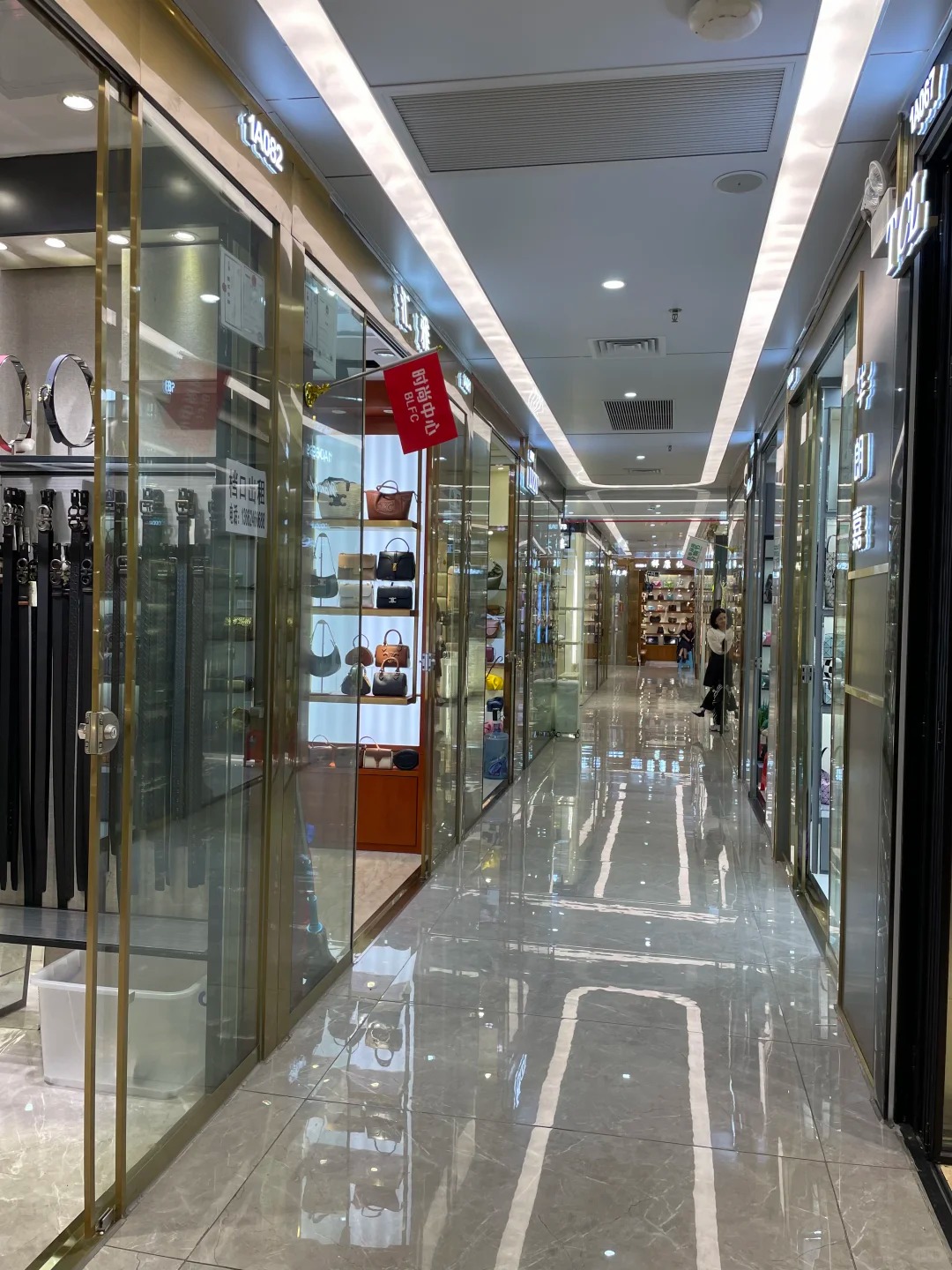
You’re a South African buyer. You want quality clothes at competitive prices. The best way? Source from Chinese wholesale market stalls, where you can see, touch, and negotiate. Forget generic online listings; we’re talking real stock you can inspect.
Why Market Stalls Beat Everything for South African Buyers
South Africa has specific tastes: vibrant prints, durable fabrics for warm climates, and modest cuts. Chinese wholesale markets like Guangzhou’s Shifu or Zhongda fabric markets have thousands of stalls catering exactly to these needs. You can buy one piece for sample, then order bulk on the spot.
Cash-and-Carry: The Ultimate Advantage
Most stalls operate on a cash-and-carry basis. Pay cash (or WeChat/Alipay) and take your goods immediately. No minimum order quantities. Perfect for testing the market. You can buy 50 pieces, pack them in suitcases, and fly back. Or use a shipping agent for larger orders.
Fabric and Stitching: What to Look For
Fabric: Polyester-cotton blends are common. For Durability, check if it feels soft but not flimsy. For African prints, ensure the color is reactive dyed (won’t fade). Stitching: Turn the garment inside out. Look for neat, tight stitches. Loose threads? Skip it. Double-stitched seams last longer. Check buttons and zippers – cheap ones break.
Step-by-Step: How to Buy Clothes from China to South Africa
- Research Markets: Start with a list of wholesale markets. For clothing, Guangzhou’s Shifu (Stationery & Garment) Plaza and Shahe Wholesale Market are goldmines. For fabric, Zhongda.
- Use a Platform to Vet Stalls: Before you fly, use Soudangkou to connect with verified stall owners, see their inventory, and even arrange pre-visit meetings.
- Visit and Inspect: Go stall to stall. Touch the fabric. Check stitching. Ask for the price per piece (usually in RMB). Negotiate: typical discounts for bulk (50+: 5-10% off).
- Arrange Logistics: For small orders, use courier like DHL or UPS. For bulk, sea freight via a China-South Africa agent. Typical shipping time: 20-30 days by sea. Get insurance.
- Customs Clearance: Prepare commercial invoice, packing list, and bill of lading. South Africa’s customs may demand SABS certification or test reports. Ensure your supplier provides them.
FAQ: Buying Clothes from China to South Africa
| Question | Answer |
|---|---|
| Can I buy small quantities for testing? | Yes, most market stalls accept single-piece orders for samples. For wholesale, 20-50 pieces per style minimum. |
| What’s the best fabric for South African climate? | Light cotton or poly-cotton blends. Avoid 100% polyester unless it’s breathable. For workwear, heavy denim or twill. |
| How do I pay suppliers? | Cash (RMB) in markets, or via TT bank transfer for larger orders. Avoid PayPal; fees are high. |
| How long does shipping take? | Air freight: 5-7 days. Sea freight: 20-30 days. Budget for delays. |
| Are there quality issues? | Only if you don’t inspect. Always check stitching, fabric, and zippers. Use a middleman if you can’t visit. |
| Can I get custom packaging? | Yes, order 500+ pieces, and suppliers can add your logo and packaging. Negotiate upfront. |
| What about customs duties? | South Africa charges 20-30% duty on clothing plus 15% VAT. Factor this into pricing. |
| How do I handle returns? | Returns are difficult from China. Inspect before shipping. Use a quality check service in Guangzhou. |
Conclusion: Your Action Plan
Now you know: visit Guangzhou wholesale markets, pick stalls with good fabric and stitching, negotiate, and ship. For a head start, use Soudangkou to pre-screen suppliers. In a few weeks, your South African shop will be stocked with fresh, affordable fashion.
广州服装档口相关入口
继续查看相关市场和品类入口,方便对比档口微信、货源范围、拿货方向和试单前需要核实的信息。