
The Quick Answer: Spot Goods from Wholesale Markets
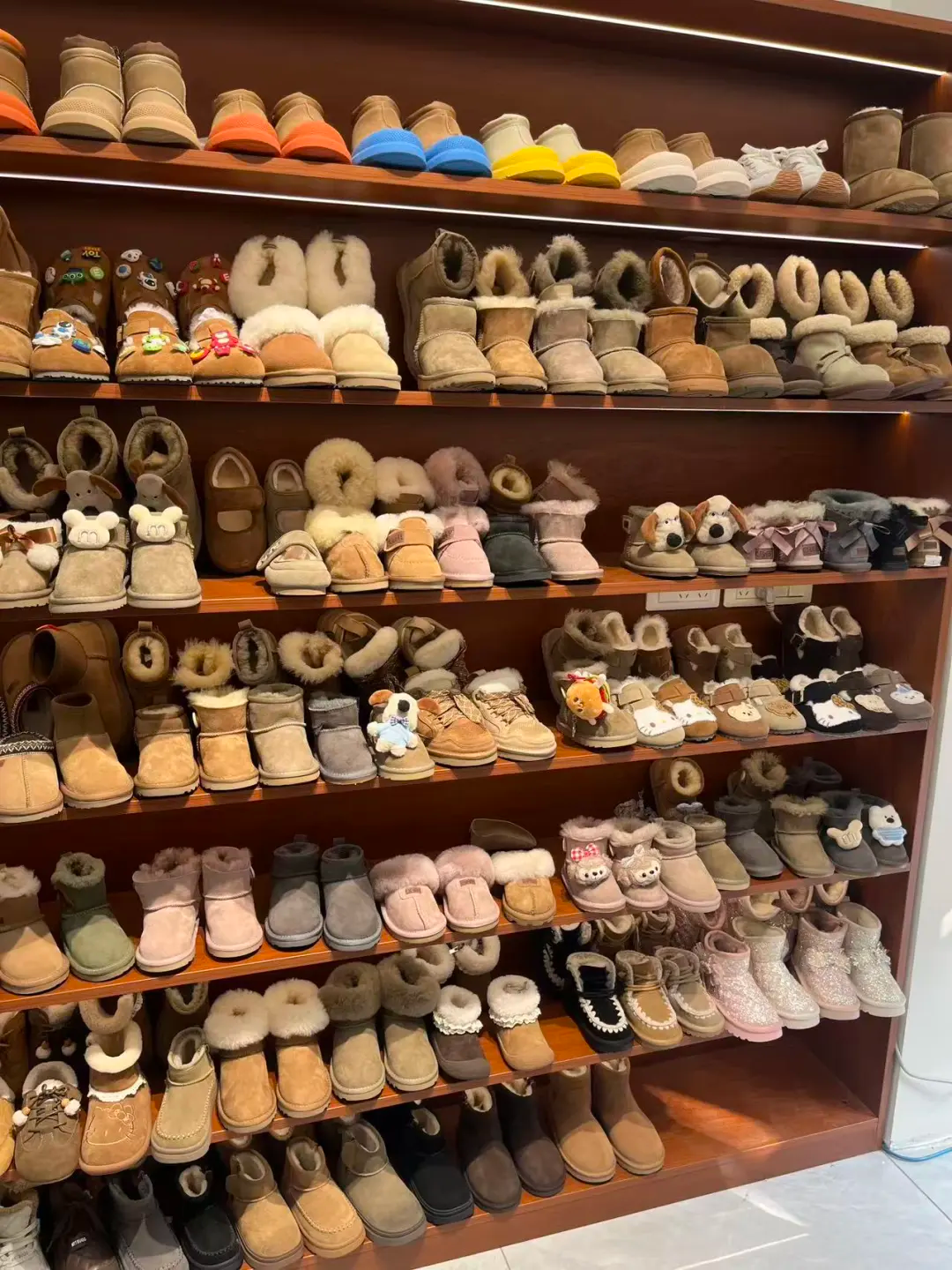
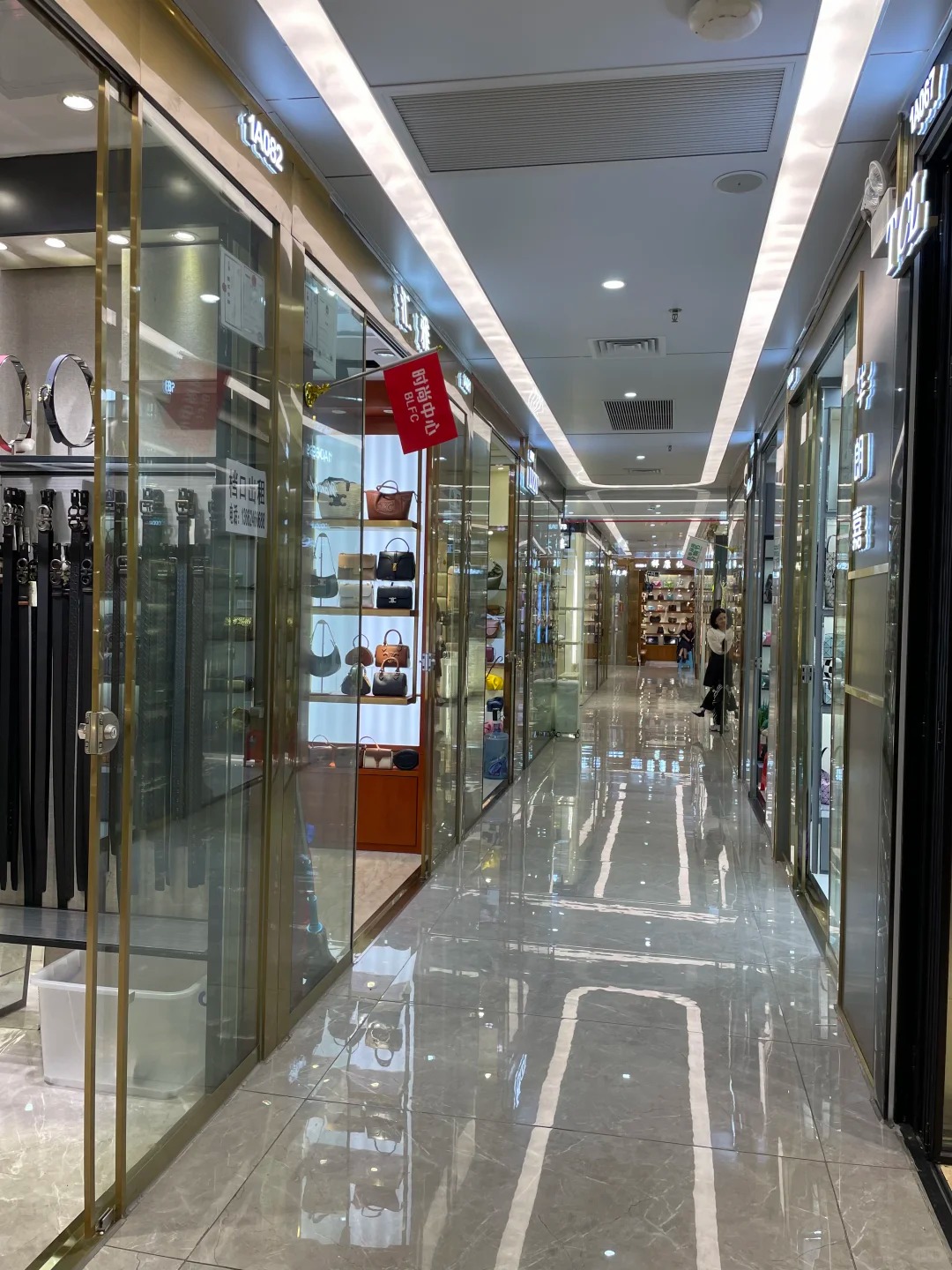
To buy merchandise from China in 2018, your fastest route is to visit wholesale markets in Guangzhou, Yiwu, or Shenzhen, where stall owners offer instant access to thousands of products—no minimum order required. Forget factory MOQs; these markets let you inspect fabric, stitching, and packaging on the spot. For example, Guangzhou’s Baiyun Market specializes in bags and shoes, while Yiwu is the king of small commodities. Just bring cash, a sharp eye, and a willingness to negotiate.
Why 2018 Was a Turning Point for Spot Buying
By 2018, China’s wholesale markets had evolved into hyper-efficient distribution hubs. Stall owners streamlined inventory for export, accepting small orders (even single pieces) for popular items. This shift made it possible for new buyers to test products without committing to bulk. If you’re looking to buy merchandise from China in 2018, focus on markets known for your niche—electronics in Huaqiangbei (Shenzhen), garments in Shiji (Guangzhou), or home goods in Yiwu.
Evaluating Fabric and Stitching at a Stall
When you stand before a pile of goods, your hands are your best tool. Check fabric texture: rub the material between your fingers. If it feels thin or rough, expect complaints. For stitching, turn the item inside out—are the seams straight? Loose threads? A good stall owner will let you test zippers and buttons. Remember: spot goods mean no returns, so quality inspection is non-negotiable.
Negotiating Like a Pro
Stall owners in 2018 expected haggling. Start by asking for the “zai jia” (wholesale price) and offer 30-50% less. If they shake their head, ask about “cheng pi” pricing for full cartons. Use cash for leverage—most offer a 2-3% discount for cash payments. And always ask for a business card with WeChat; repeat buyers get better deals.
Key Markets for Spot Merchandise in 2018
Here are three top markets for buying merchandise from China in 2018:
- Yiwu International Trade Market (Futian Market): Over 75,000 stalls for toys, holiday decorations, and small hardware.
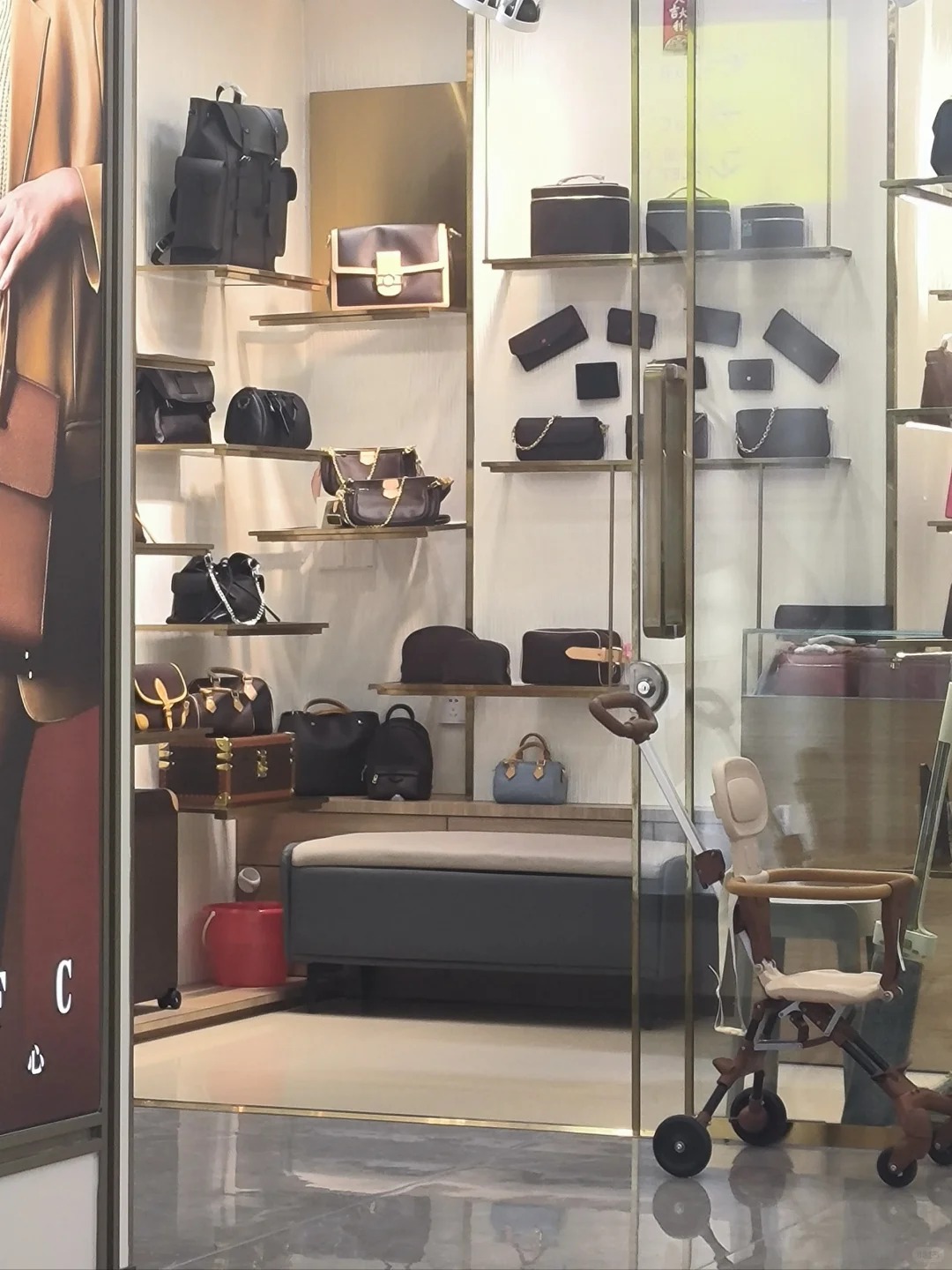
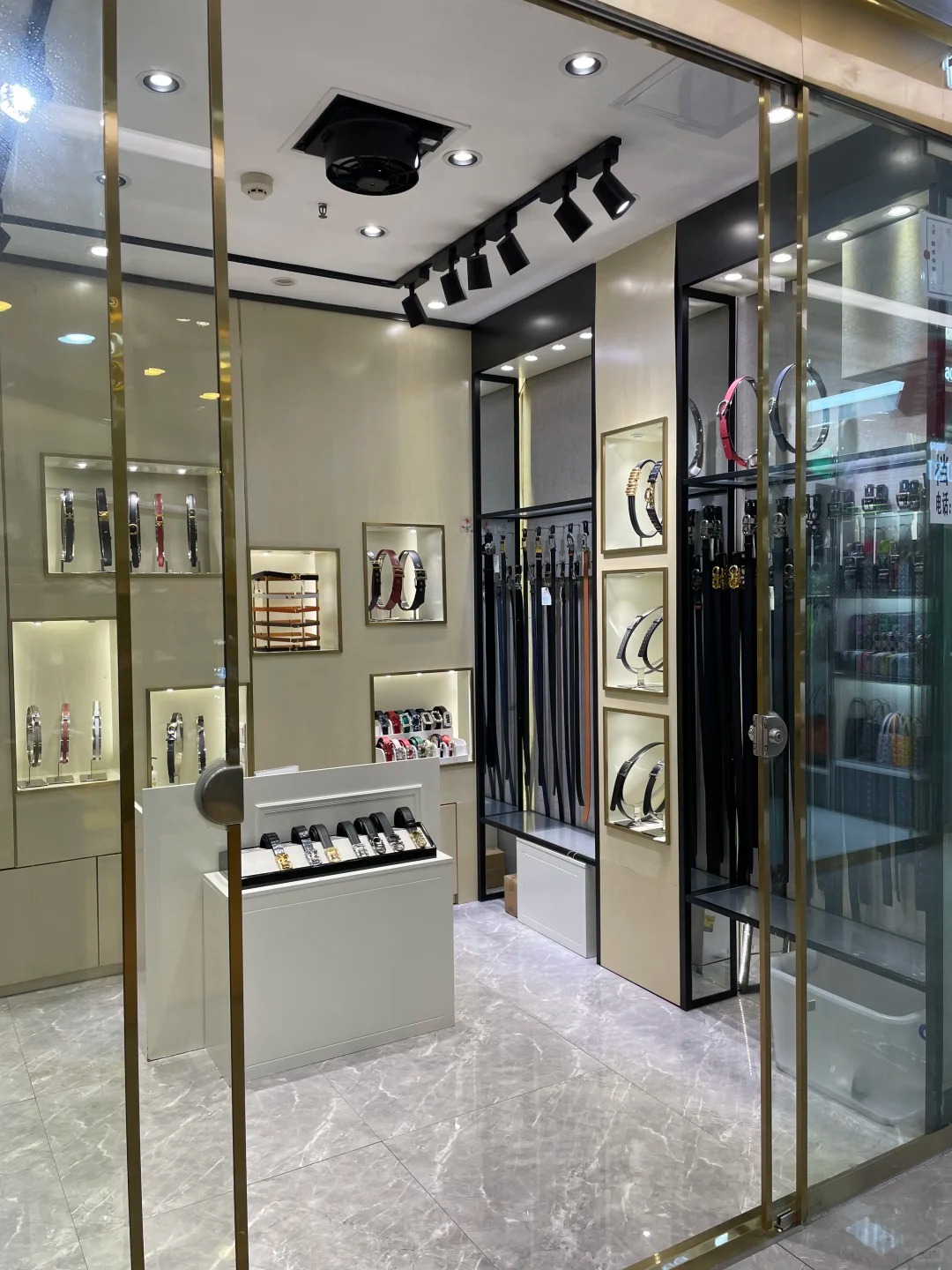
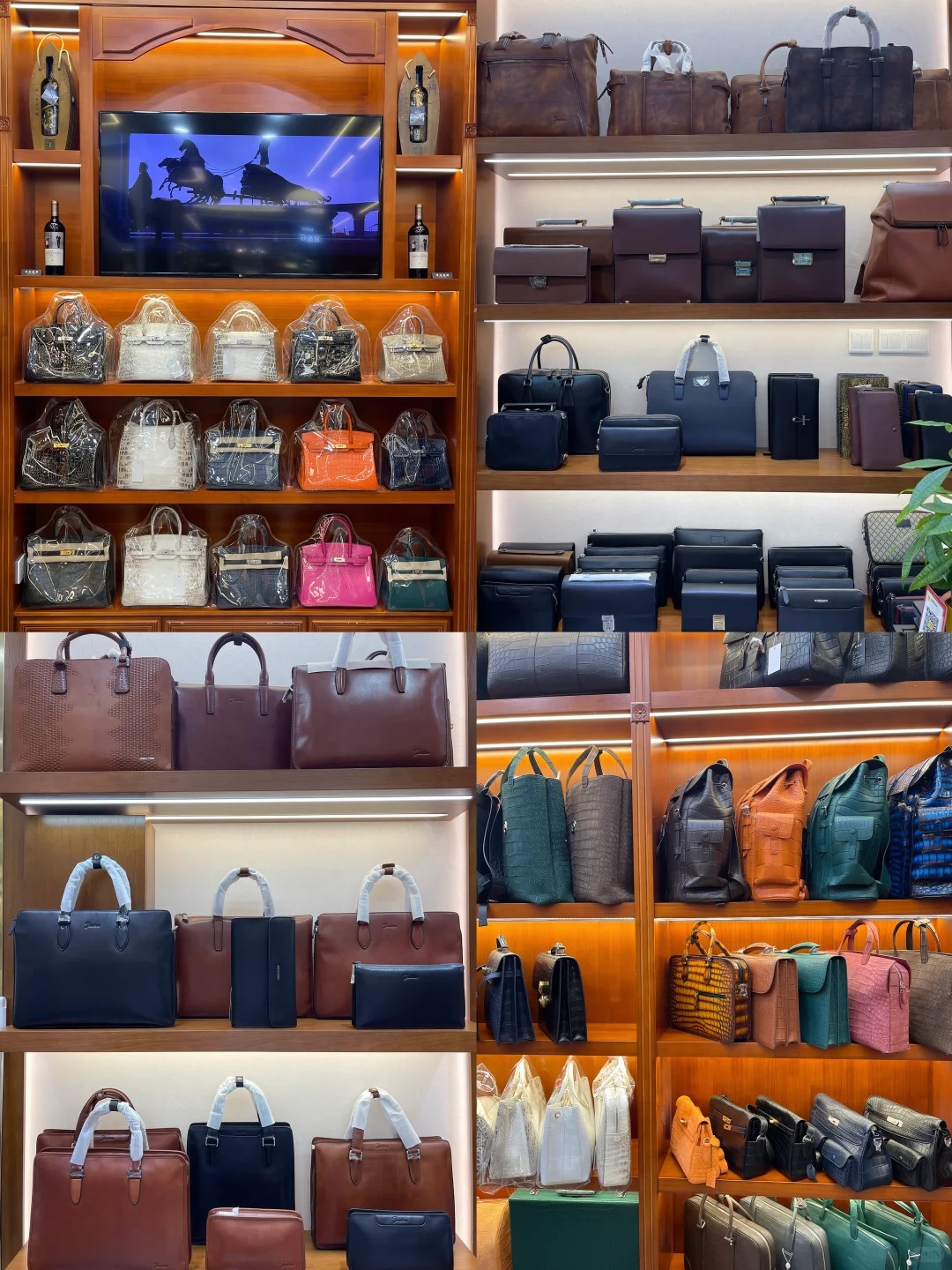
- Guangzhou Baiyun Wholesale Market: Leather goods, bags, and shoes—known for strict quality control.
- Shanghai Chenxiang International Shopping Center: Apparel and accessories, popular among Russian and African buyers.
At Soudangkou, we connect buyers with verified stall owners who offer spot goods and immediate shipping. However, most buyers prefer to visit in person to inspect quality.
FAQ: Buying Merchandise from China in 2018
| Question | Answer |
|---|---|
| Can I buy single items from wholesale markets? | Yes. Many stalls sell single pieces for sample purposes. You’ll pay a higher unit price but avoid minimum order quantities. |
| How do I pay stall owners? | Cash is king, but WeChat Pay and Alipay were increasingly accepted by 2018. For larger sums, use a letter of credit or bank transfer. |
| What if the quality is poor? | Inspect before paying. Once you walk away, exchanges are unlikely. Stick with stalls that have good foot traffic—they have more to lose. |
| Do I need a customs broker? | For small shipments (under $2,500), you can use express couriers like DHL. Larger orders require a broker. Stall owners often recommend one. |
| How do I spot fake fabrics? | Burn test: real cotton smells like paper; polyester smells like plastic. Also, check the fabric label—counterfeits often have vague tags. |
Final Tips for First-Time Buyers
Buying merchandise from China in 2018 is about preparation. Print your product list, bring a measuring tape, and learn basic Mandarin phrases like “duo shao qian” (how much). Visit during weekdays to avoid crowds. And trust your gut—if a deal feels too good, it probably is. Soudangkou offers digital vetting for stall owners, but nothing beats seeing the goods with your own eyes.
广州服装档口相关入口
继续查看相关市场和品类入口,方便对比档口微信、货源范围、拿货方向和试单前需要核实的信息。