
Introduction: The Truth About Buying Wholesale from China Cheaply
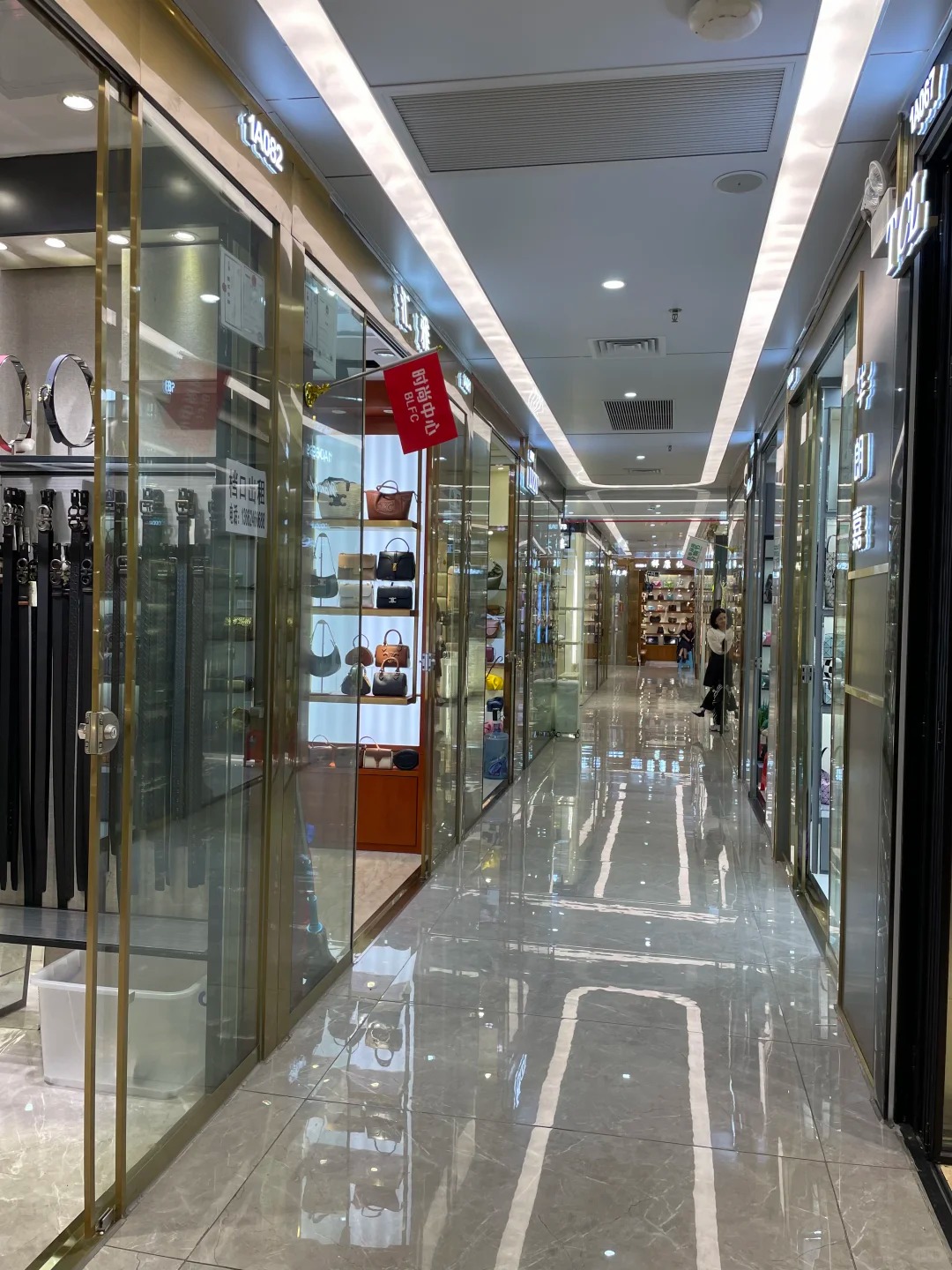
First, the blunt truth: You can buy wholesale China cheap, but not by scrolling Alibaba for hours. The real deals happen offline—in the narrow alleys of Guangzhou’s wholesale markets, where stall owners move thousands of units daily. This guide is written from the perspective of a market insider, someone who negotiates with stall owners and inspects spot goods by feel. If you want to compete with Amazon sellers and boutique owners, you need to understand how to buy directly from the source, without middlemen, and at prices that allow for healthy margins.
Step 1: Ditch the Myths—You Don’t Need a Container
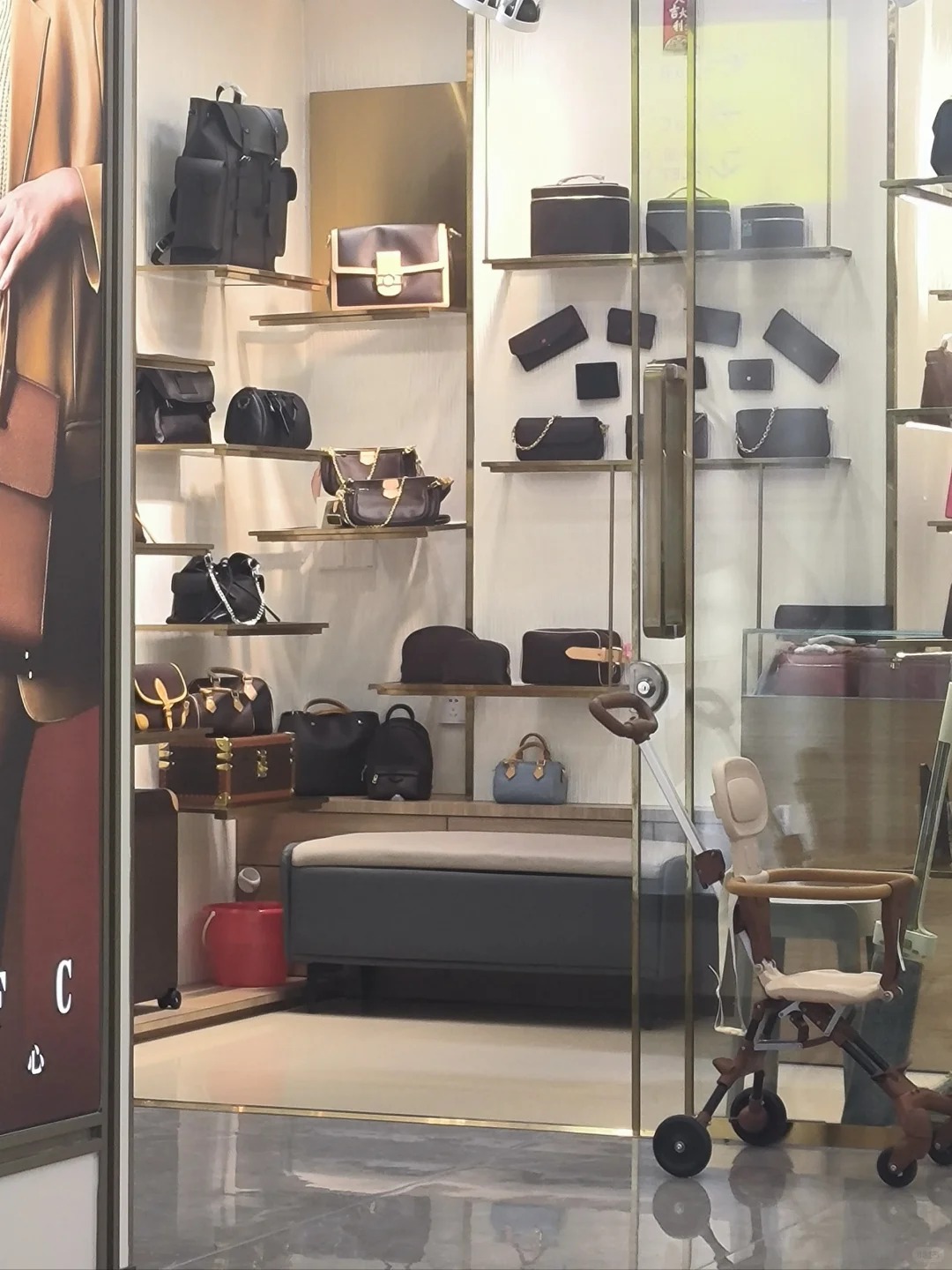
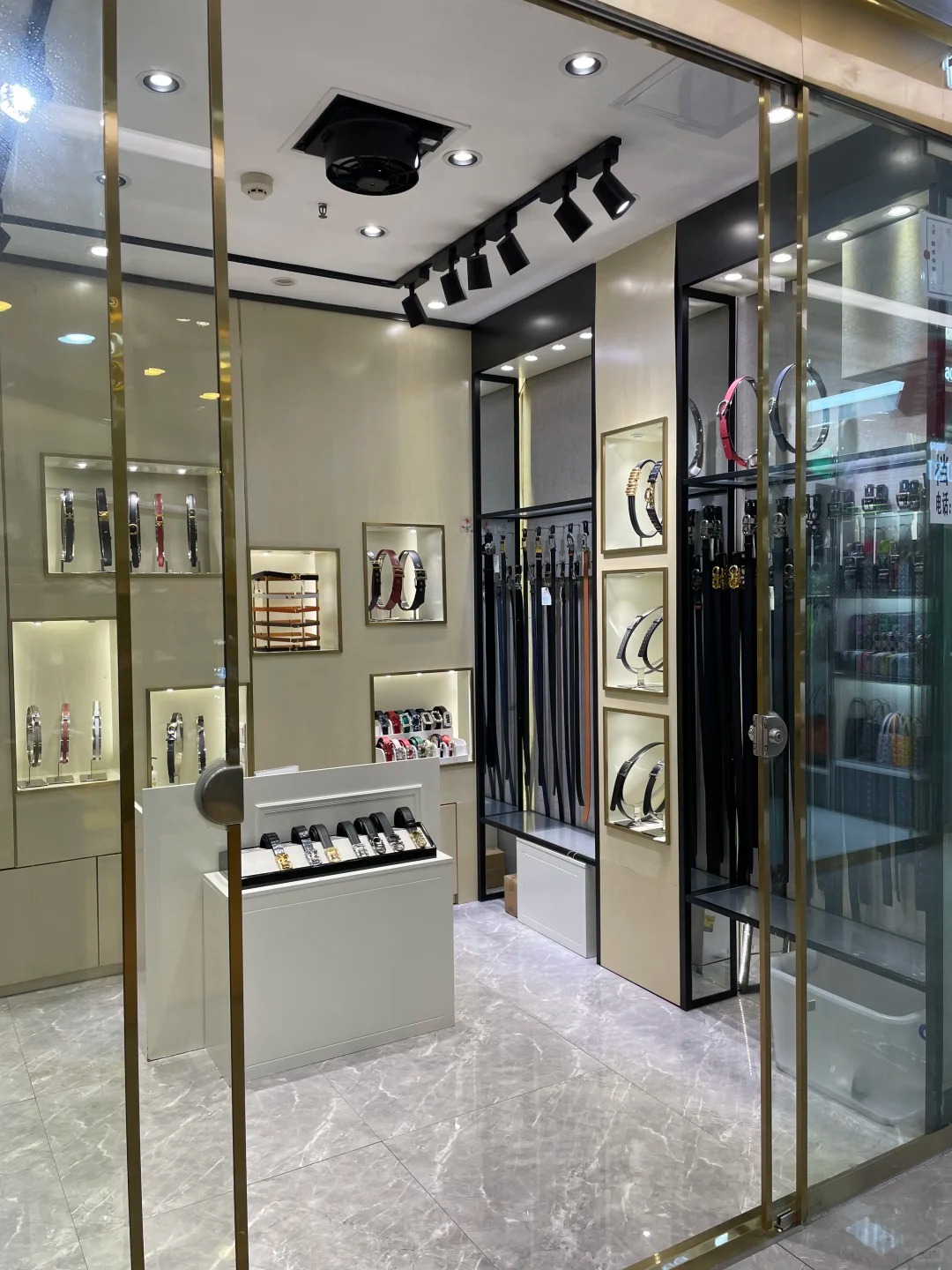
Many new buyers think “wholesale” means MOQs of 1,000 pieces. Wrong. In Guangzhou’s wholesale markets like Soudangkou, most stalls are family-run workshops. They produce in small batches, often less than 100 units per style. Spot goods are king here. You walk in, touch the fabric, check the stitching, and buy 10-50 pieces to test the market. No customs headache, no waiting months for production. The price for spot goods is only 5-10% higher than factory bulk, but you avoid MOQ traps and quality guesswork.
Step 2: How to Spot Quality with Your Hands
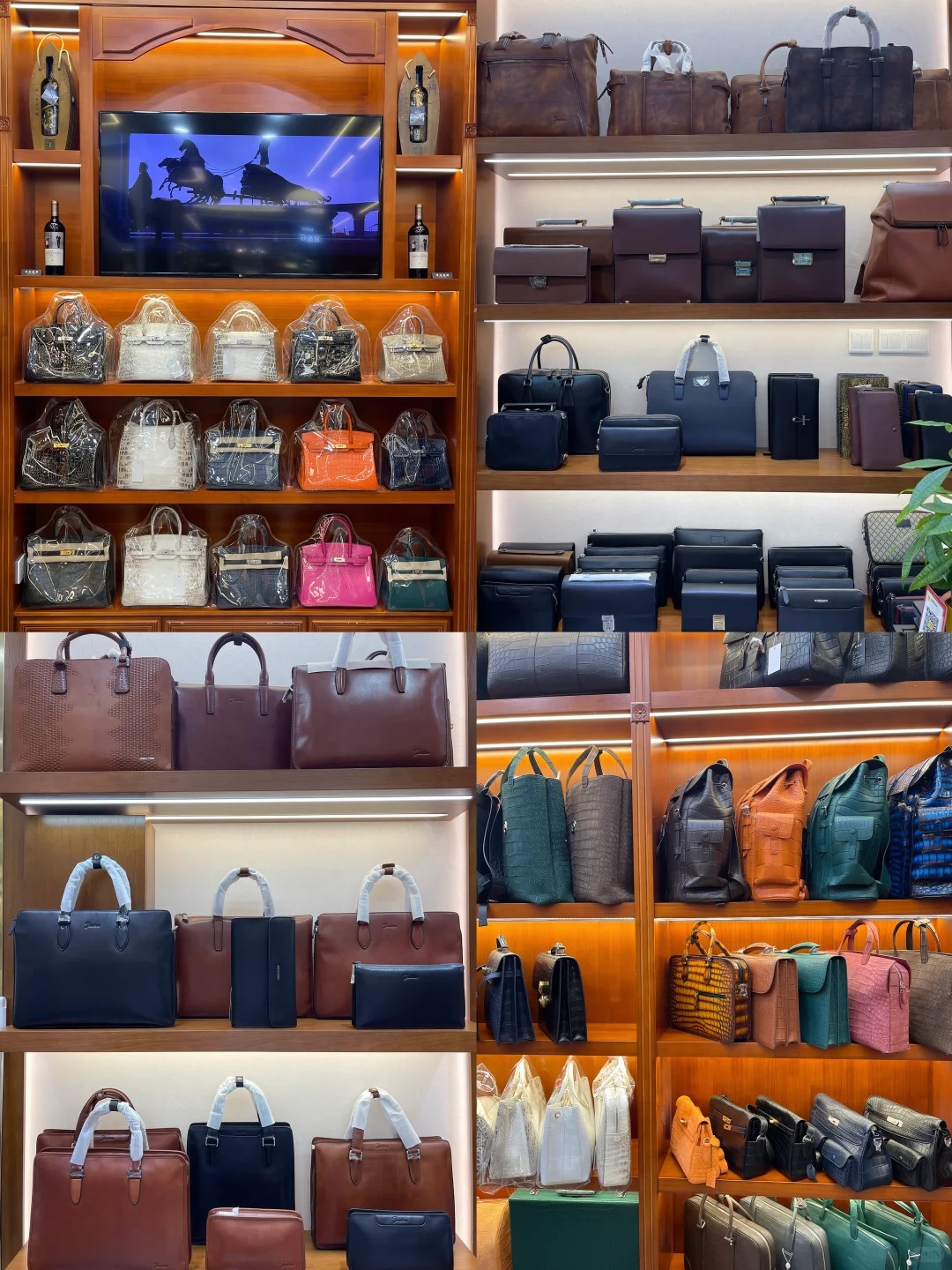
Chinese wholesale markets are not all about rock-bottom prices. The cheapest items often have poor dye quality or loose seams. You must train your fingers. Pinch the fabric—does it hold shape? Look at the thread count: a $5 T-shirt with 20 stitches per inch will fall apart after 3 washes; a $8 one with 30 stitches will last a year. Check the zippers—YKK zippers add $0.30 to cost but signal durability. At stalls in Soudangkou, you can ask to see a sample, then run a seam ripper along a hidden seam to test tension. Good vendors respect a buyer who does this.
Step 3: Negotiate Like a Pro
Don’t start with a lowball offer. First, build rapport. Ask about the stall’s best movers. Ask about restocking frequency. Then, ask for the “mixed batch” price—buying 5 different styles at 20 pieces each often gets you a 5-10% discount compared to a single style. Stall owners prefer to clear inventory of multiple SKUs. Also, pay in cash (CNY) for an extra 2-3% off. Never ask for a discount on your first visit—visit twice, show genuine interest, then negotiate on the third.
Step 4: Use One-Stop Markets Like Soudangkou
Instead of running across the city to different specialized markets (leather in one, knitwear in another), use a comprehensive wholesale market like Soudangkou. It has 3 floors of apparel, accessories, and home goods. You can compare similar items across stalls in minutes. This proximity is your leverage. If a vendor quotes $12 for a dress, you can say, “The stall at number 208 has same quality for $10.50—can you match?” This only works in dense markets where vendors know each other.
Step 5: Logistics on the Spot
Once you’ve bought, you can consolidate at a market shipping counter. Most stalls have an in-house consolidation service for $2-5 per package. They’ll repack into a single carton and arrange air or sea freight. For small lots under 50kg, air freight is affordable—about $4-6 per kg to the US. If your order is less than 20kg, use the market’s Express Desk; they combine your small parcel with others to reduce cost. Always ask the stall owner to double-check the weight—they often have a more accurate scale than the courier’s.
FAQ: How to Buy Wholesale China Cheap
| Question | Answer |
|---|---|
| Can I buy just 10 pieces per style? | Yes, most market stalls accept small orders. They prefer it because it reduces their inventory risk. Just expect a 10-15% premium over 100-piece bulk. |
| Are prices negotiable for first-timers? | Negotiation is expected, but not on the first visit. Build a relationship first, then ask for a 5-10% discount on a repeat order. |
| How do I verify the quality before buying? | Ask for a sample if you’re buying multiple units. Otherwise, do a quick physical test: check stitching density, fabric texture, and zipper durability. Use a phone light to inspect thread colorfastness. |
| What payment methods do vendors accept? | Cash (CNY) is best for small orders. For larger ones, WeChat Pay or Alipay. Some accept T/T but only for orders over $2000. Credit cards are rarely accepted. |
| How do I handle returns if I discover a defect later? | You have 24-48 hours to report defects. Take a video immediately. Most reputable stalls will replace defective items if you have proof. But the best approach is to inspect before leaving. |
| Should I work with a sourcing agent? | Only if you aren’t visiting in person. Agents charge 10-15% commission. If you travel to Guangzhou, you don’t need one—just use market English-speaking staff (most stalls have one person who speaks basic English). |
Final Advice: Start Small, Build Trust
The cheapest wholesale from China doesn’t come from a single order, but from a long-term relationship. Stall owners give their best prices to repeat buyers. Buy a test batch of 5-10 styles, reorder bestsellers, and after 3-4 orders, ask for exclusive rights to a design. That’s when you get true wholesale pricing—30-50% below list. Go to Soudangkou, touch the goods, and start building your supplier network. That is how you buy wholesale China cheap.
广州服装档口相关入口
继续查看相关市场和品类入口,方便对比档口微信、货源范围、拿货方向和试单前需要核实的信息。