
How to Buy Weave from China? The Short Answer
Visit wholesale markets in Guangzhou (like Canhe or Qiaodao) or use a sourcing agent. For direct deals, trust market stalls with spot goods where you can touch the texture and check stitching. Avoid middlemen who overpromise. Hands-on inspection is key.
Why Spot Goods from Market Stalls Are Your Best Bet
When you buy weave from China, the smartest move is to source from wholesale market stalls that carry physical inventory. These stalls—scattered across Guangzhou’s Canhe, Qiaodao, and Xiguan—specialize in bulk-ready weaves. You skip production delays and get instant quality feedback.
Texture & Stitching: Your Two Non-Negotiables
Touch every sample. Good weave feels soft but firm, with no scratchy backing. Check the wefts: uniform, tight stitching equals durability. Loose threads or uneven patterns scream poor workmanship. Insist on seeing the product under natural light—fluorescent lights hide flaws.
Step-by-Step: How to Buy Weave from China Like a Pro
- Pick your market: Canhe for budget-friendly options, Qiaodao for higher-end textures. Xiguan for exotic blends.
- Arrive early (8-9 AM): Stalls restock overnight, so mornings offer the freshest spot goods.
- Ask for sample batches: Request 3-5 pieces from different rolls. Compare color fastness and stretch.
- Test tension: Gently pull the weave. Quality should spring back, not sag.
- Negotiate per roll: Bulk discounts are standard. Start at 30% off marked price.
- Inspect packaging: Proper rolled packing prevents creases—sealed poly bags with individual wraps.
- Arrange shipping: Market stalls can connect you with freight forwarders on site. Avoid using their in-house couriers if possible—they mark up 20%.
Common Red Flags & How to Avoid Them
| Red Flag | Why It Matters | What to Do Instead |
|---|---|---|
| Only show photos/videos | Texture and stitching are invisible online | Demand physical samples or live video call with direct handling |
| Too-good-to-be-true prices | Often means polyester weave marketed as human hair | Compare with market average per bundle |
| Pushy sales for prepayment | Common scam: take money, no delivery | Use escrow service or COD if possible |
| Vague quality guarantees | Written statements only protect them | Insist on 5-10% overcount to cover defects |
| No physical stall address | Typical of fly-by-night operators | Only deal with verified market locations |
Market Spotlight: Canhe & Qiaodao in Guangzhou
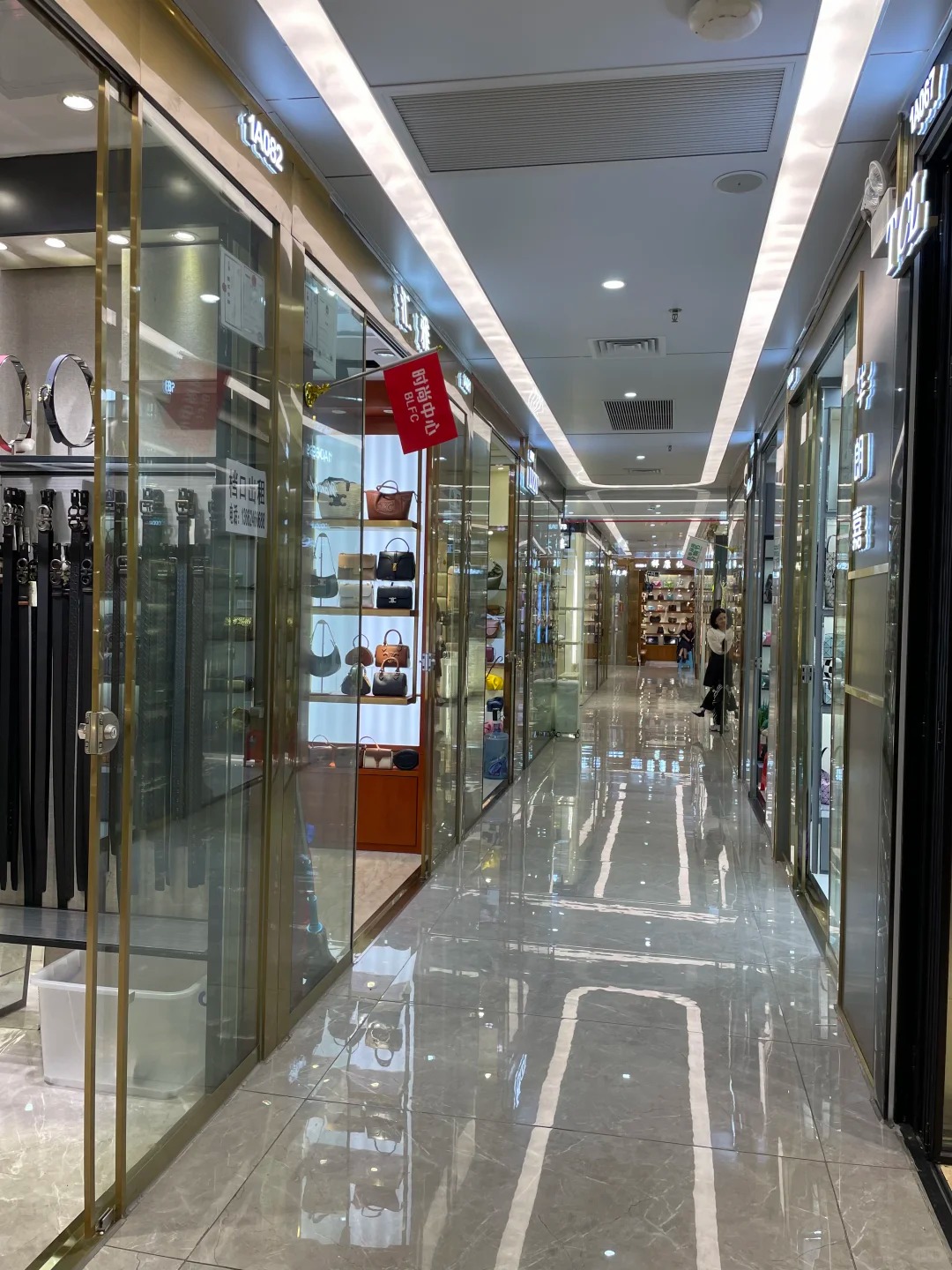
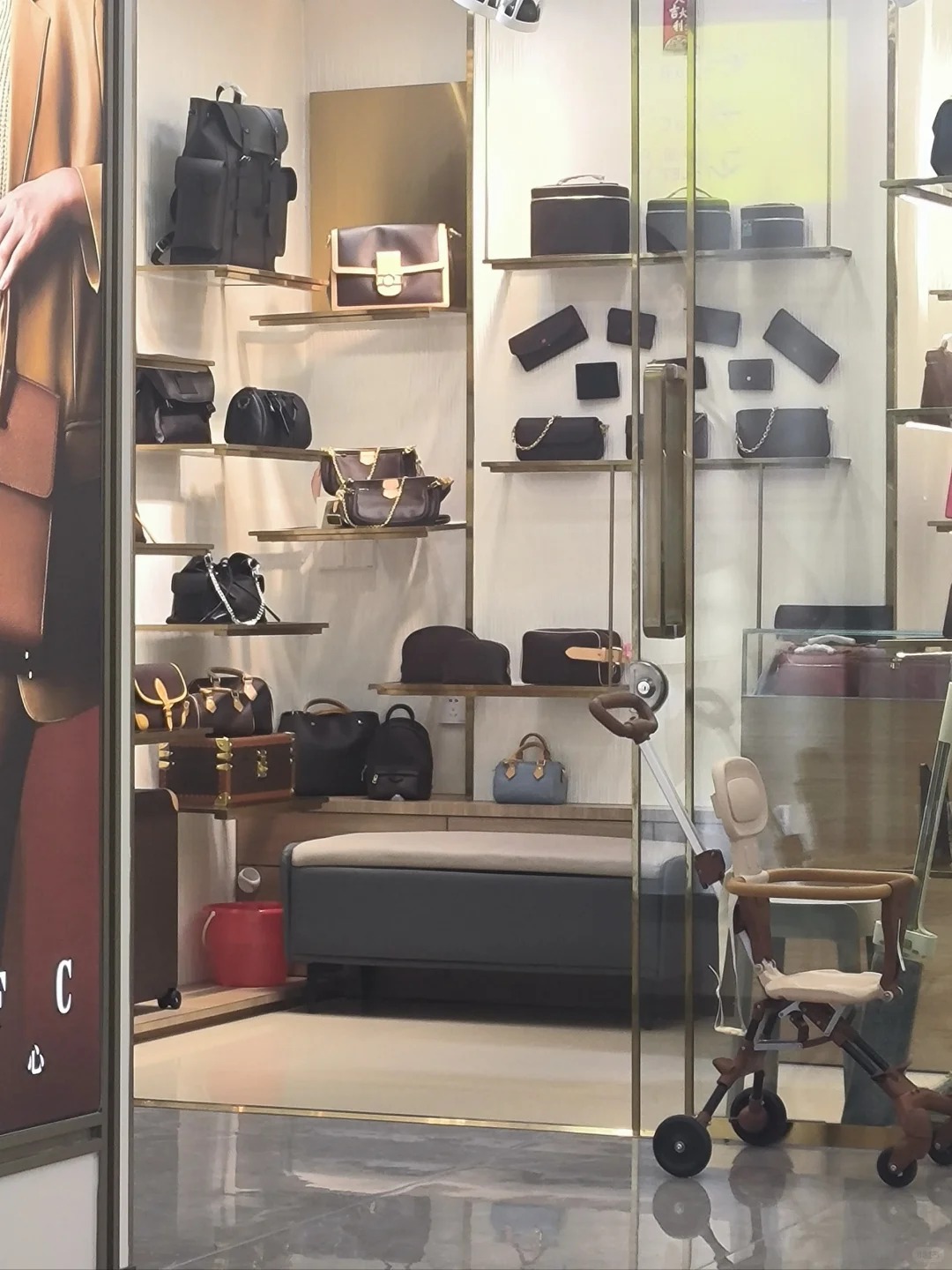
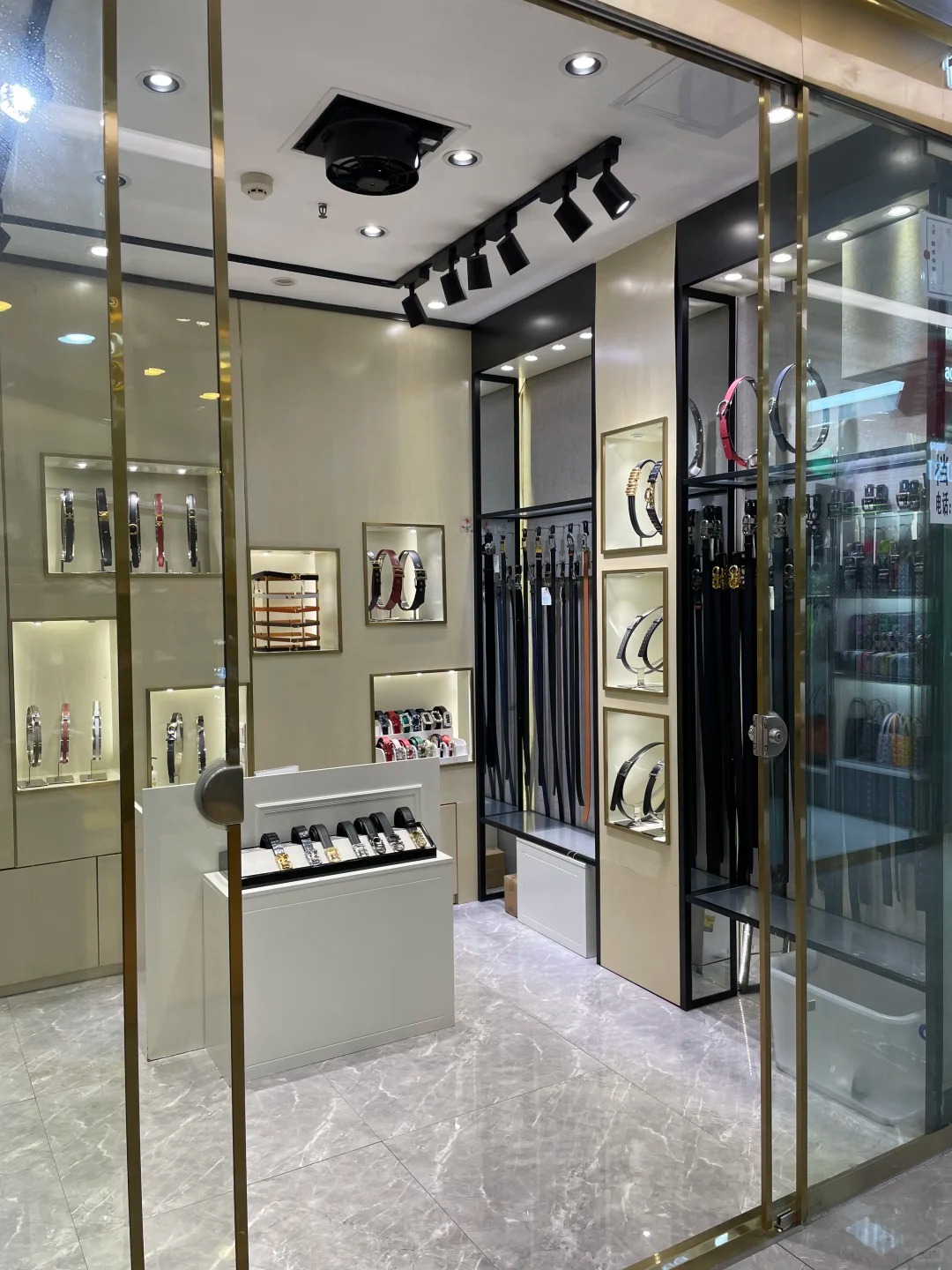
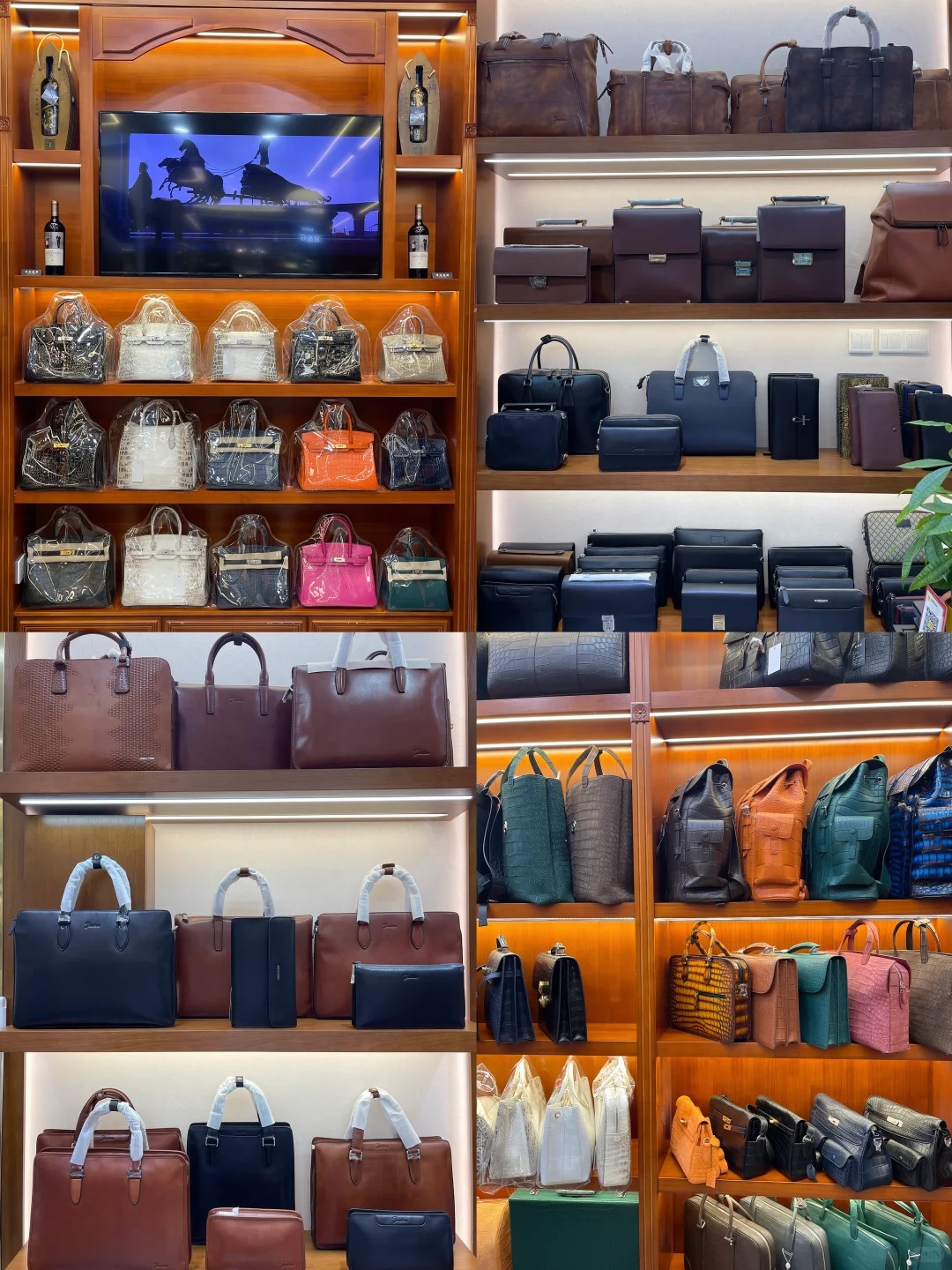
Canhe is the largest weave hub—rows of stalls stacked with bundles. Qiaodao leans premium, with better lighting and fewer crowds. Both have spot goods ready for inspection. Soudangkou, a platform listing verified stalls, shows real-time inventory—useful for pre-screening. But always visit in person if you can.
Pricing Reality: What to Expect
Basic synthetic weave: $5-$10 per bundle. Human hair blend: $20-$40. Virgin hair: $50-$100+. Negotiate per 10-roll case to drop 15-20%. Spot goods often have slight overrun imperfections (0.5-1% defect rate) which sellers disclose upfront—ask for discounts on those.
Logistics: From Stall to Your Door
Most stalls offer shipping via partner 3PLs. For sample orders (1-5 rolls), use DHL or FedEx—costs about $30 for 2kg. Full containers (about 200 rolls) go by sea freight: $800-$1500 depending on destination. Insure the shipment; weave is prone to moisture damage. Ask the stall to pack with desiccant bags.
Final Pro Tips
- Bring a small digital scale to weigh bundles—avoid being shorted.
- Learn basic Chinese numbers for bargaining: yī (1), èr (2), sān (3)… it earns respect.
- Always get a receipt with stall number and contact.
- If you can’t travel, hire a freelance inspector from the same market—they charge $50 per day.
Buying weave from China directly from market stalls is the most reliable path to quality spot goods. Skip the online only sellers; your hands are your best quality tool. And remember: if a deal feels too easy, it’s not.
广州服装档口相关入口
继续查看相关市场和品类入口,方便对比档口微信、货源范围、拿货方向和试单前需要核实的信息。