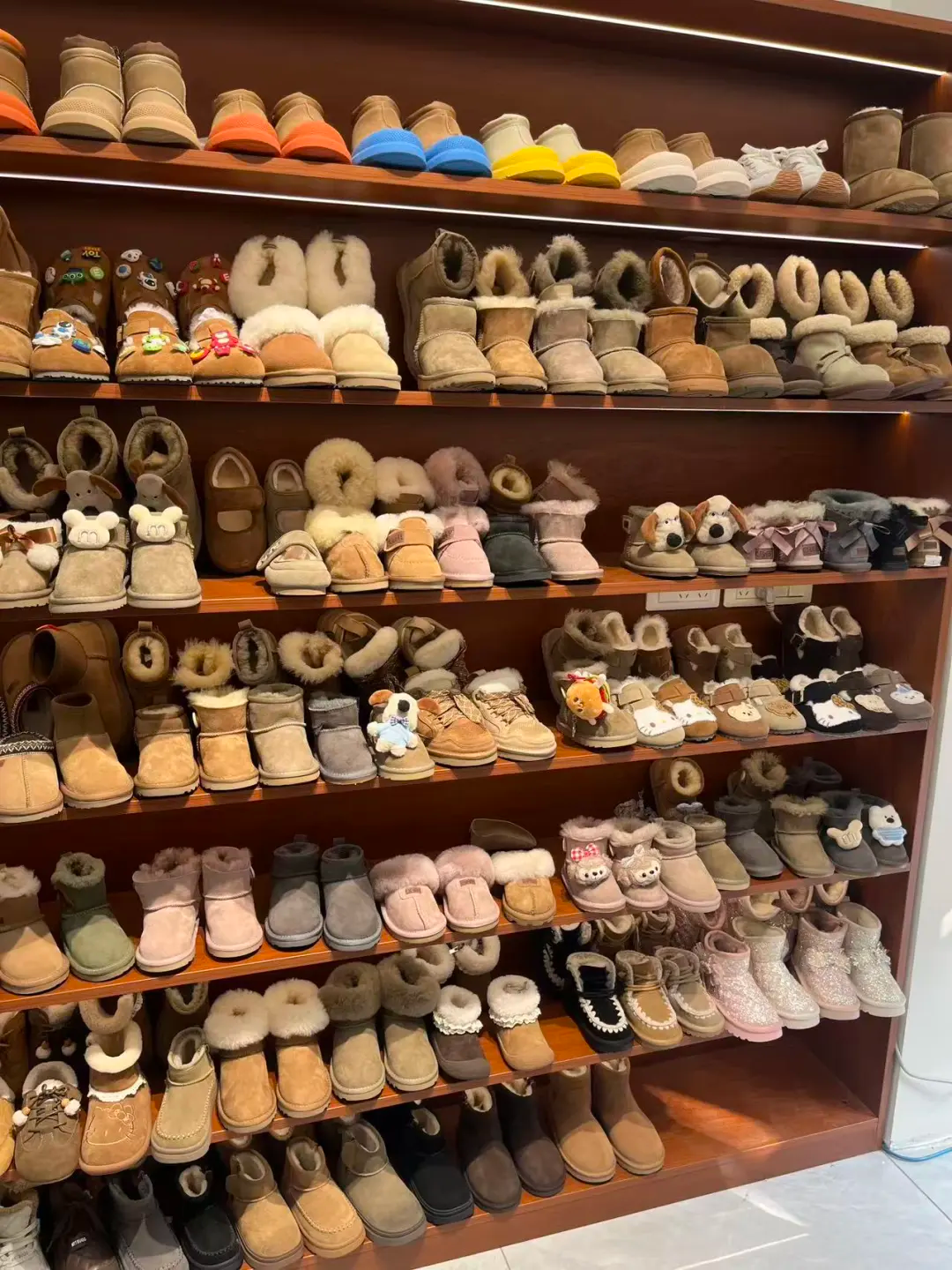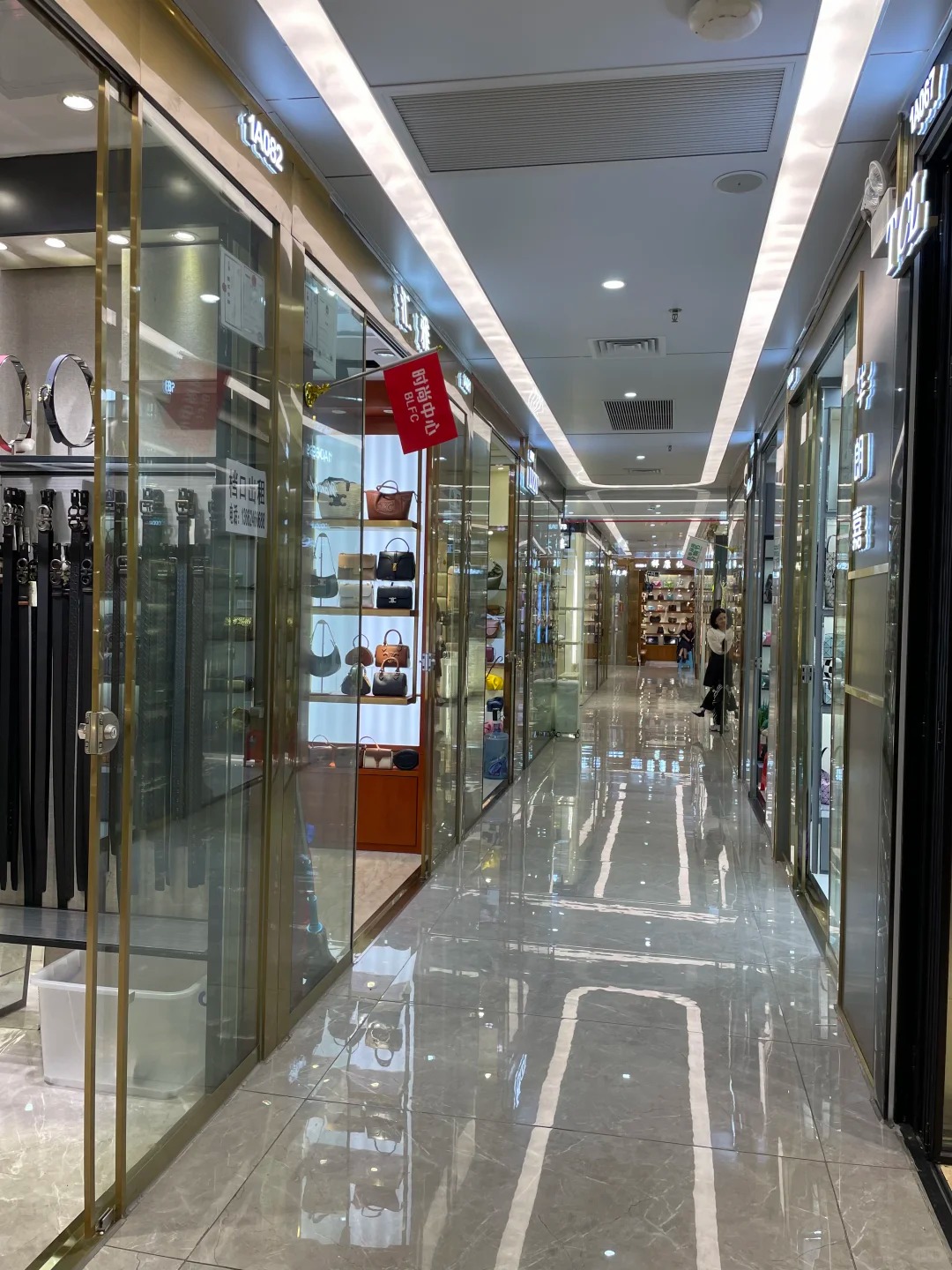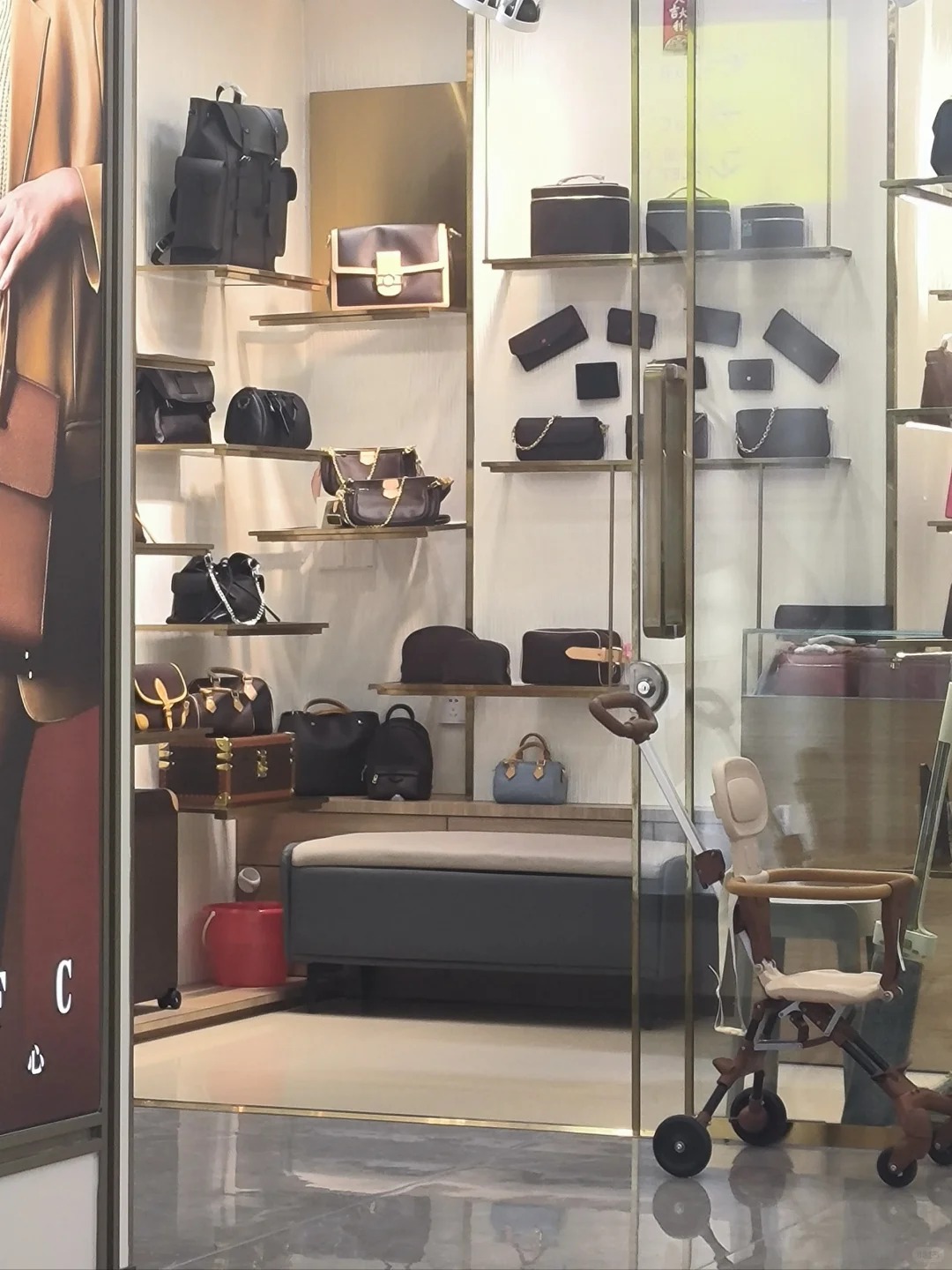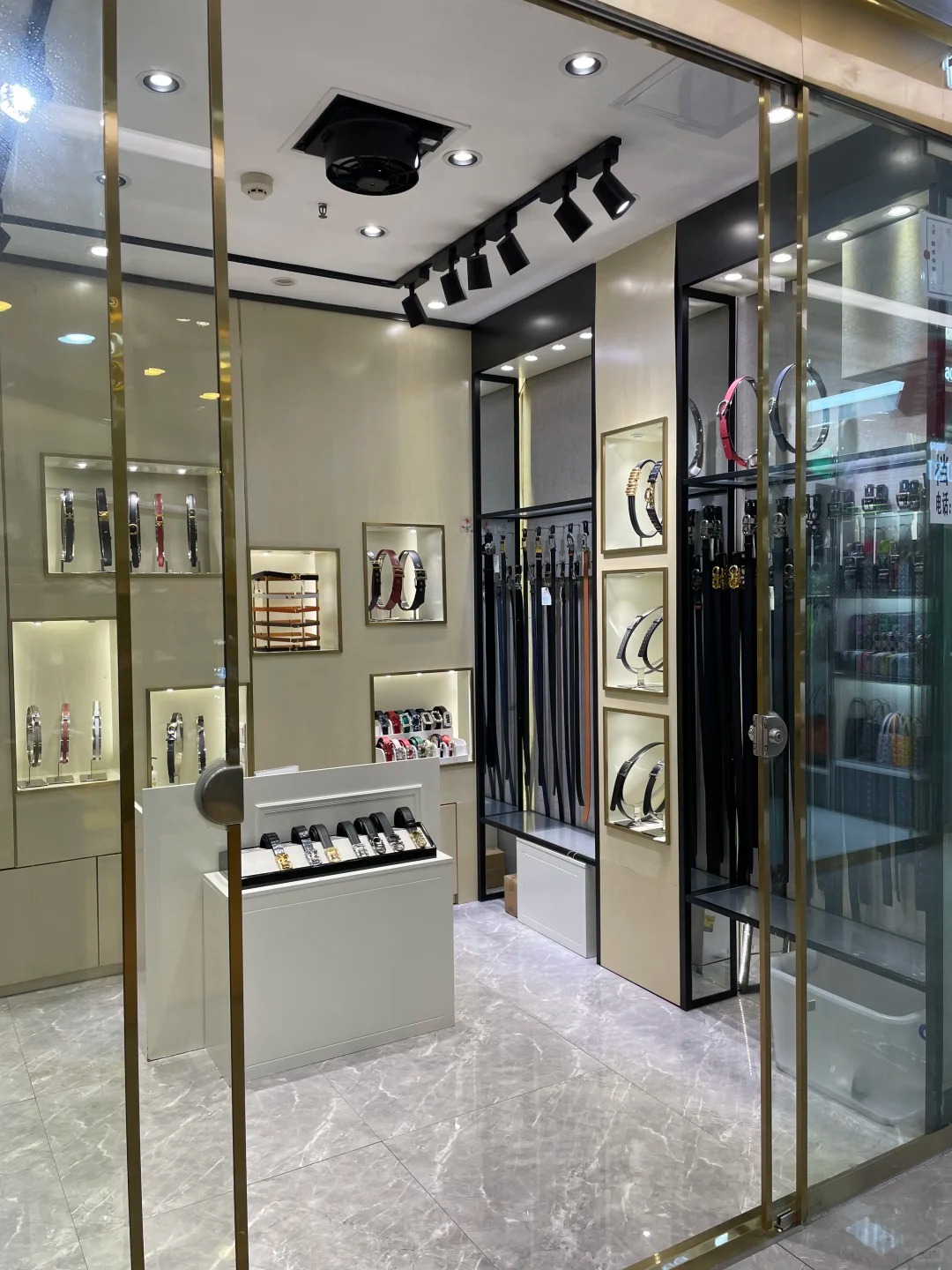
How to Buy from China Using Apps: The Wholesale Market Approach
The fastest way to source quality goods from China is through specialized B2B apps that connect you directly with wholesale market stalls—think Soudangkou, not generic marketplaces. These apps show real inventory from physical markets like Yiwu, Guangzhou, and Qingdao, letting you negotiate cash-and-carry deals on bulk items. The trick is focusing on stalls that emphasize immediate stock and detailed photos of fabric texture and stitch quality.
Why Use Sourcing Apps for China Wholesale?
Apps designed for Chinese wholesale markets give you direct access to factory prices without middlemen. Unlike AliExpress or Amazon, these platforms let you chat with stall owners in real-time, request video calls, and confirm product samples before bulk orders. Features like “spot goods” tags mean you can get low minimum order quantities (MOQs) and fast shipping.
Step 1: Choose the Right App
Select apps like Soudangkou that focus on physical wholesale markets. Look for features: product videos showing stitching details, filter by stock location (e.g., Yiwu or Guangzhou), and integrated logistics. Avoid apps that don’t display fabric close-ups or offer buyer protection.
Step 2: Verify Product Quality via Photos
Demand photos of the fabric texture and seams from different angles. Legit stalls can send 10+ clear images. Check for consistent stitch density (8–12 stitches per inch for good quality) and no loose threads. Request a short video under natural light. Red flag: if the seller only has stock photos or refuses a sample.
Step 3: Ask for Spot Goods
Use the app’s search filter for “现货” (spot goods) to find stalls with ready-to-ship inventory. This avoids production delays. In chat, ask “你有现货吗?” (Do you have spot goods?) and confirm quantity and color options.
Step 4: Evaluate Fabric and Stitching
Textile quality: cotton count (e.g., 40s for shirts), polyester blend ratios. Press fabric and check for pilling resistance. Stitching: look for double-needle finishing, reinforced stress points (buttons, zippers), and even hemming. A reliable stall will share swatches or sample packs for a small cost.
Step 5: Negotiate and Order
Start with small trial orders (10–50 pieces) via the app. Pay through escrow services if available. Confirm shipping terms (FOB or CIF). Use chat to ask about MOQ, lead time, and after-sales support. Build relationships for repeat discounts.
Frequently Asked Questions
| Question | Answer |
|---|---|
| Are these apps safe? | Yes, stick to platforms with buyer protection and payment escrow, like Soudangkou. Check seller ratings and history. |
| Can I visit the market stalls? | Many apps list physical market addresses. You can arrange visits for big orders. |
| What’s the typical MOQ? | Spot goods often have MOQ of 10–50 pieces. Custom orders start at 100+. |
| How to check fabric quality remotely? | Request torn fabric pieces (swatches) sent by courier. Use a loupe to examine thread count. |
| How to avoid counterfeits? | Refuse any seller offering “1:1 copies.” Focus on original design with material specs. |
| What are payment terms? | Common: 30% deposit, 70% before shipment. Use platform escrow when possible. |
Expert Tips for Spotting Good Stalls
Prioritize stalls that show raw fabric rolls and stitching close-ups in their profile. Good sellers respond quickly and offer detailed breakdowns of material costs. Beware of extremely low prices—they usually mean poor stitching or cheap polyester blends.
Risks and How to Mitigate
Common issues: color variation, shipping delay. Mitigate by requesting pre-shipment photos and using alibaba trade assurance. For spot goods, ask for tracking numbers within 48 hours.
Conclusion
Using apps like Soudangkou to buy from China wholesale markets is efficient if you focus on stall transparency and product details. Always verify fabric and stitching before bulk orders, and start small to build trust. With the right approach, you can source high-quality goods at factory prices.
广州服装档口相关入口
继续查看相关市场和品类入口,方便对比档口微信、货源范围、拿货方向和试单前需要核实的信息。