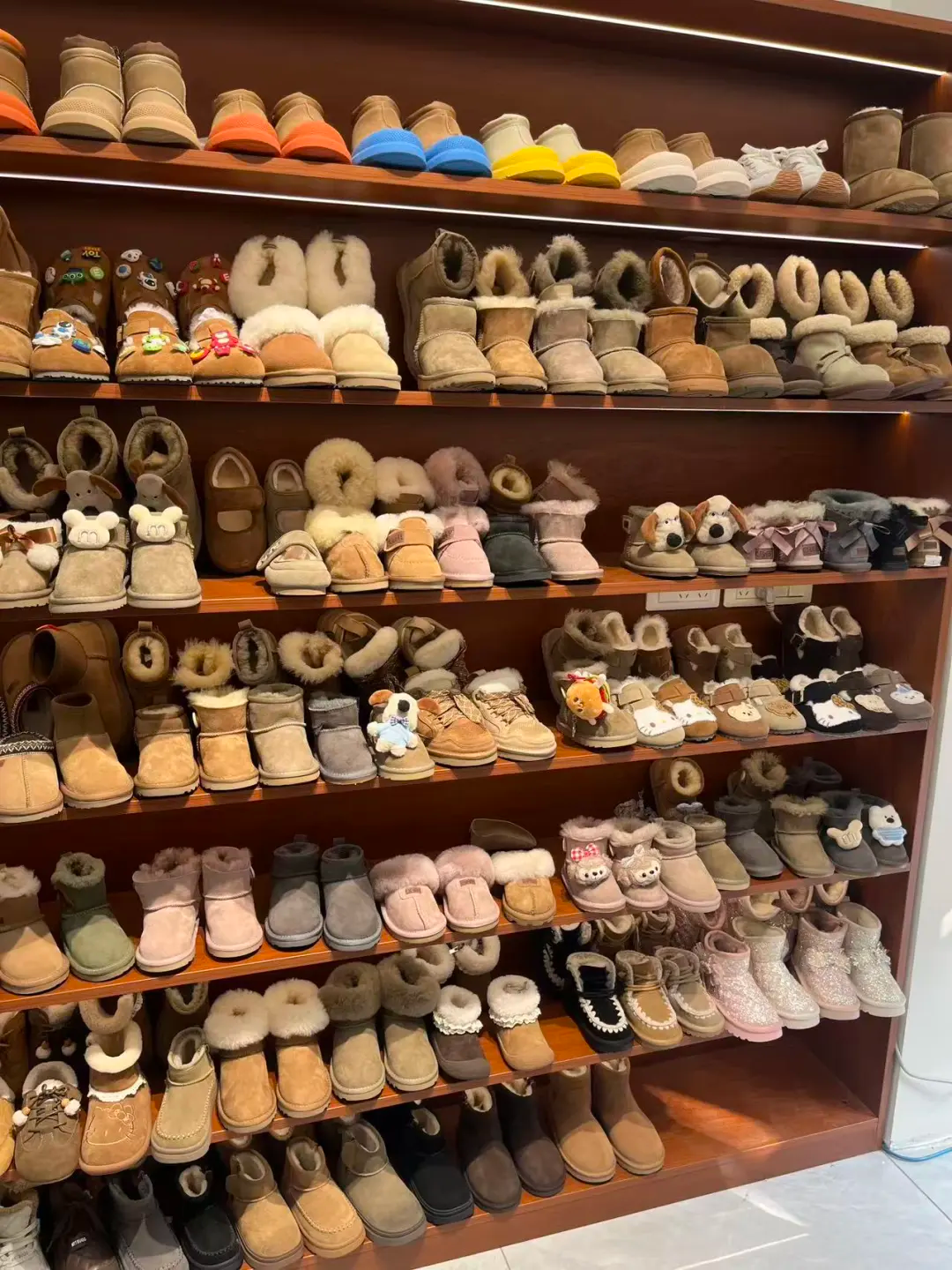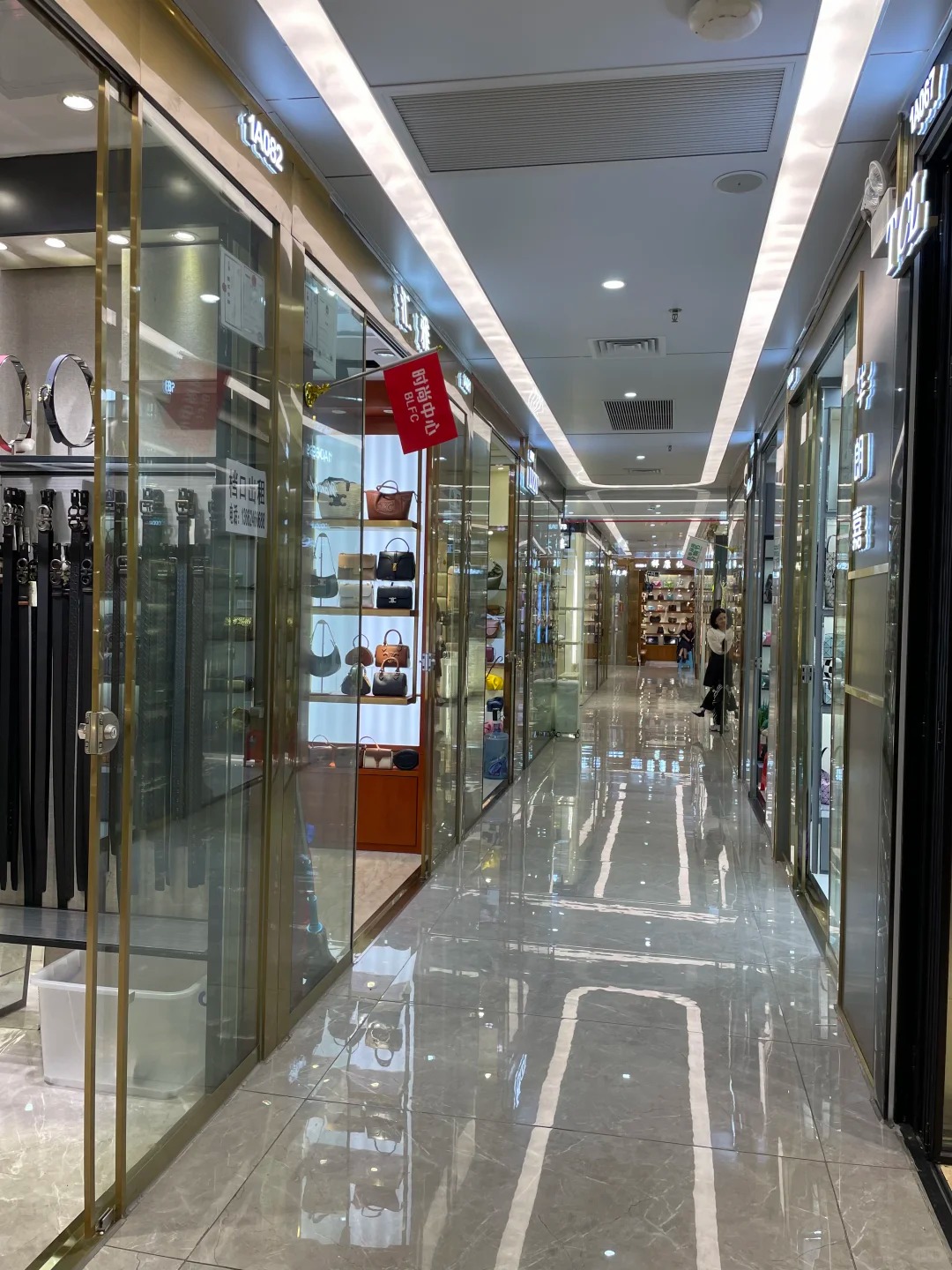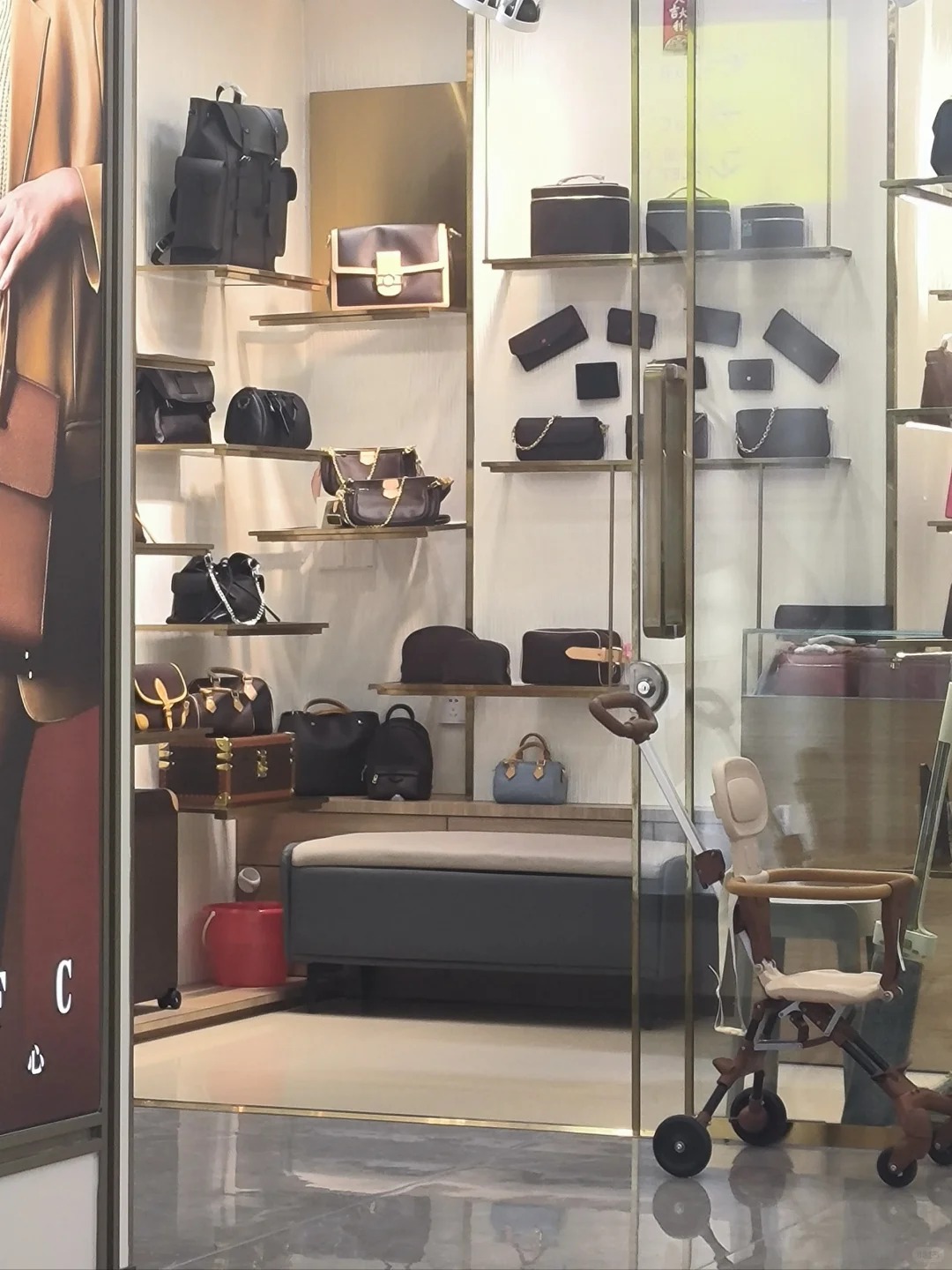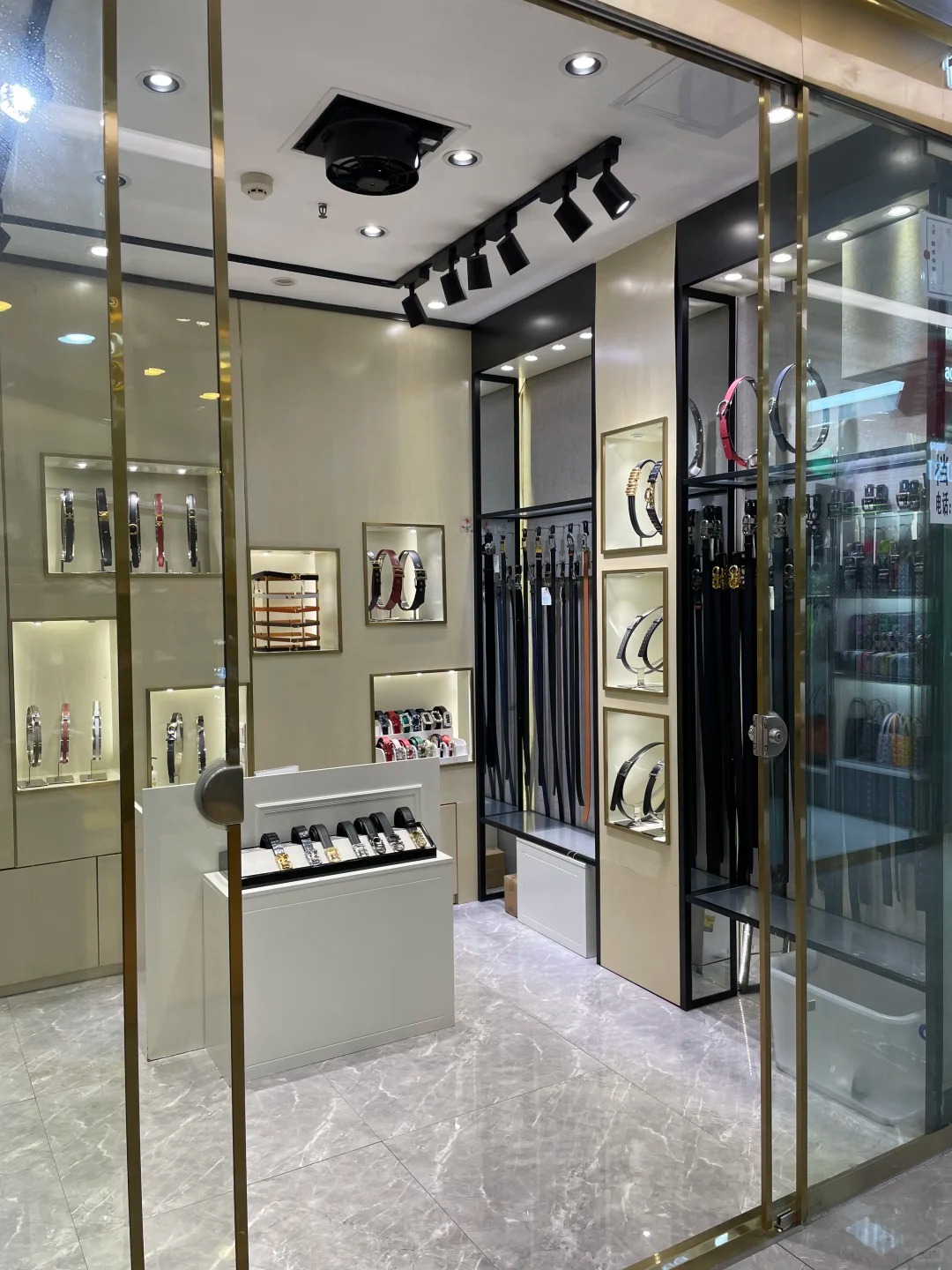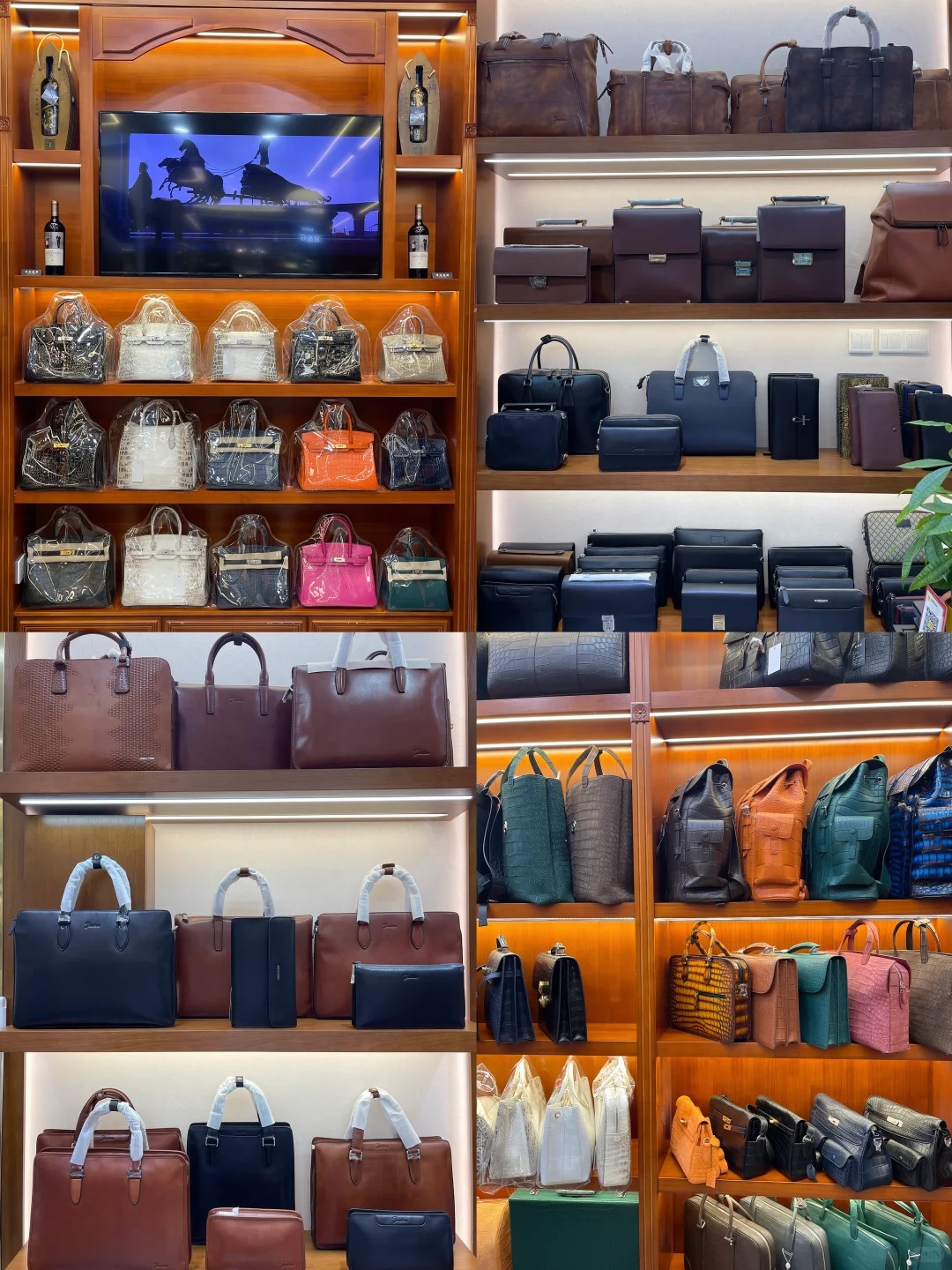

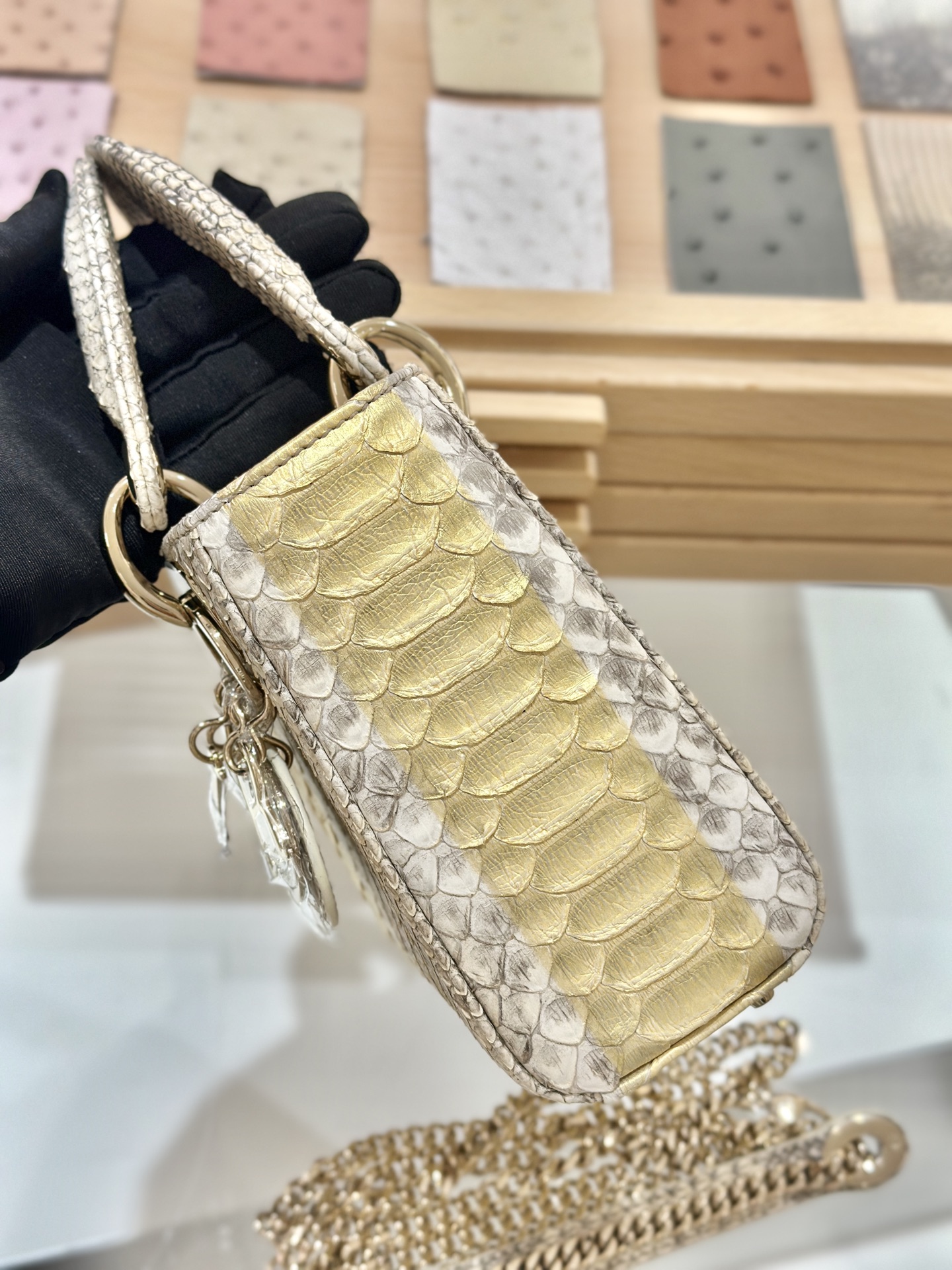
To buy from China and get the best deals, visit wholesale markets like Yiwu, Guangzhou, or Shenzhen. Focus on stalls that display spot goods, and always check fabric quality and stitching before payment. Avoid middlemen by going directly to market district ‘clusters’ – for example, leather goods in Guangzhou’s San Yuan Li or electronics in Shenzhen’s Huaqiangbei. This guide, written with insider knowledge from Chinese wholesale market stall owners, will show you exactly how to source like a pro.
Why Buying from China Direct Works
China’s wholesale markets are the backbone of global trade. Unlike online platforms where you pay for samples and wait weeks, physical stalls offer instant inspection, negotiation, and shipping. The key is knowing which markets match your product niche.
Top Markets for First-Time Buyers
- Yiwu International Trade Market – Everything from toys to hardware; best for small, cheap items.
- Guangzhou (Canton) Wholesale Markets – Clothing, bags, shoes (e.g., Baima Clothing Market).
- Shenzhen Huaqiangbei – Electronics, phone accessories, and components.
Pro tip: Each city’s market specializes. Don’t buy leather bags in Yiwu; go to Guangzhou.
How to Judge Fabric Quality & Stitching
In wholesale stalls, you can’t trust online descriptions. Touch the fabric, stretch it, and look at the seams.
- Fabric test: Rub a white cloth on colored fabric to check for color bleeding. For denim, smell for strong dye – cheap jeans often have a chemical odor.
- Stitching: Turn the item inside out. Even stitches (8-10 per inch) indicate quality. Loose threads or skipped stitches mean poor workmanship.
- Hardware (zippers, buttons): Open and close zippers 5 times. If they snag, walk away. Check buttons are firmly attached – a loose button in a box of 100 is a red flag.
Negotiation Tactics for Stall Owners
Chinese stall owners respect buyers who know the game. Here’s how to get the best price:
- Ask for the ‘wholesale price’ – Use the phrase ‘pīfā jià’ (批发价). They’ll quote a higher initial price for singles.
- Bulk discounts – If buying 50+ pieces, ask for a 5-10% discount. For 200+, you can negotiate 15-20%.
- Payment terms – Cash is king. Most stalls accept WeChat Pay or Alipay, but cash gets you 2-3% off. Avoid credit cards – fees are high.
- Sample bluff – Say you’re testing for a big order. They’ll often sell samples at cost to secure your future business.
Never accept the first price. Always counter with 30-50% lower and meet in the middle.
Spot Goods vs. Pre-Order: What’s Better?
Spot goods (现货) are ready to ship immediately. This means zero lead time, but you’ll pay a slight premium. Pre-order (订货) takes 2-4 weeks but is cheaper.
For new buyers, always start with spot goods. You can verify quality on the spot, and if the product sells well, you can negotiate pre-order terms later. Pro tip: Ask the stall if they have ‘just arrived’ stock – new arrivals are often sold at lower margins to clear space.
Common Mistakes and How to Avoid Them
- Not checking the RRP in your home market – Before buying, know what the product sells for back home. A shirt bought for $5 in China must sell for $20+ after shipping and taxes.
- Skipping the inspection – Even with spot goods, open one box and check 3-5 items. Reject if more than 10% have defects.
- Forgetting import duties – Factor in your country’s tariff. For example, US imports under $800 are duty-free via de minimis.
Also, watch out for ‘brand name’ stalls. They often sell low-quality copies. Soudangkou.com can help you find verified stalls with real spot goods.
FAQ: How to Buy from China
| Question | Answer |
|---|---|
| What’s the minimum order quantity (MOQ)? | For spot goods, MOQ is often 1-5 pieces. For custom, 100-500 units. |
| How do I pay? | Cash, WeChat Pay, Alipay, or TT. Never use PayPal for wholesale – fees are 4.4%. |
| Can I return defective items? | Rarely. Always inspect before buying. If you buy from a reputable stall, they may exchange bad units on the spot. |
| Do stalls speak English? | Many do in major markets. Use Google Translate for complex terms. |
| How to avoid fake products? | Stick to markets that sell unbranded or ‘white label’ goods. If a stall claims to sell ‘Gucci bags’, walk away – it’s likely counterfeit. |
Final Tips for Success
Start small. Visit one market, buy spot goods from 2-3 stalls, and test them in your market. Build relationships with stall owners – they’ll give you better prices and keep you informed of new arrivals. Over time, you’ll master how to buy from China with confidence.
For a curated directory of reliable stalls and spot goods, check resources like Soudangkou.com. But always do your own due diligence. Happy sourcing!
广州服装档口相关入口
继续查看相关市场和品类入口,方便对比档口微信、货源范围、拿货方向和试单前需要核实的信息。