
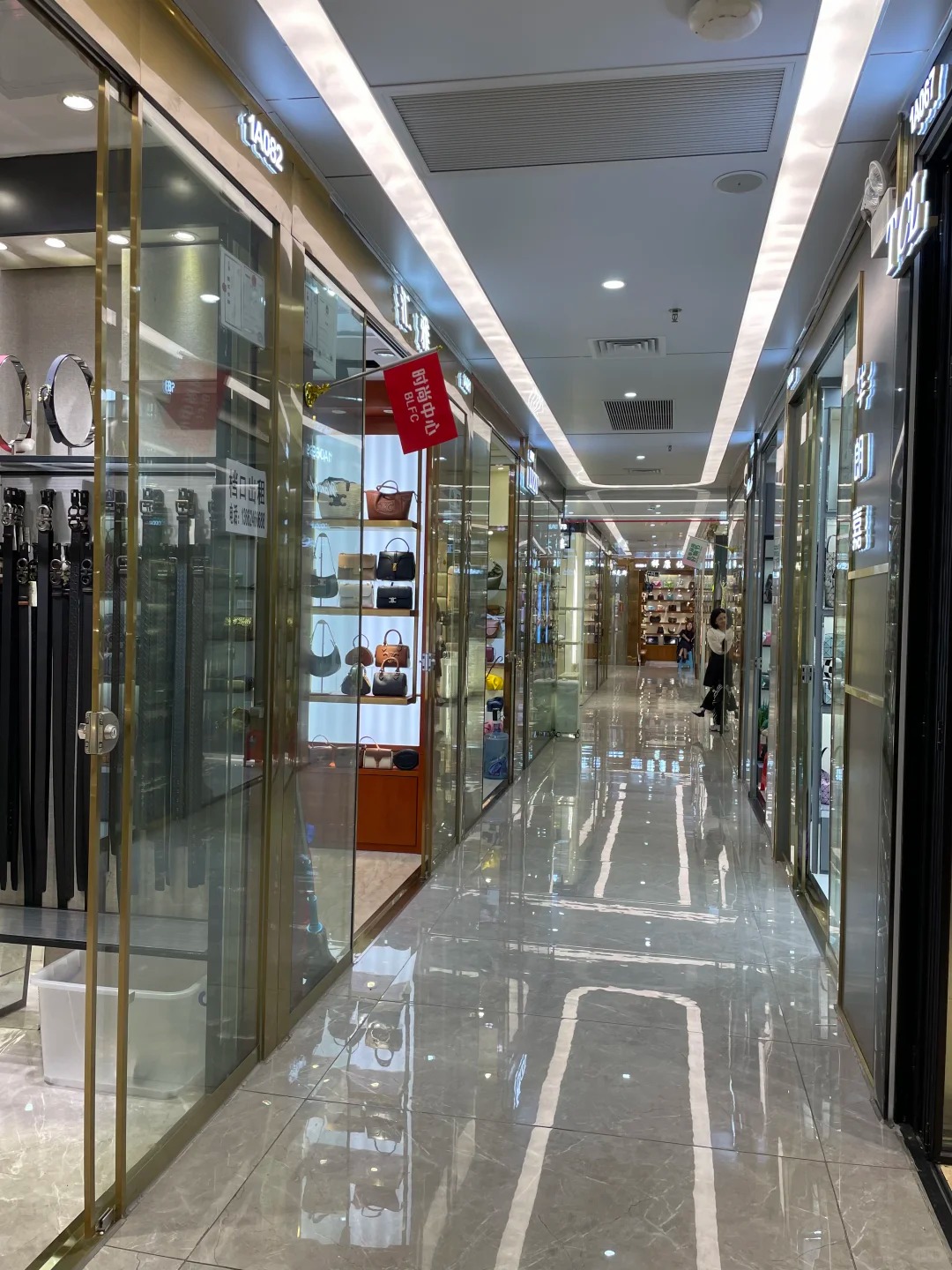
To buy a genuine Mitsubishi elevator from a China supplier, you must go through the official Mitsubishi Electric China office or its authorized dealers. Independent wholesale market stalls do not carry genuine Mitsubishi equipment; instead, they offer Chinese-brand elevators (e.g., Canny, Monarch, SJEC) with similar quality at lower prices. This guide focuses on navigating these markets for elevator components or spot goods, while warning against counterfeit Mitsubishi products.
Understanding the Market
China’s elevator industry is dominated by joint ventures and local giants. Genuine Mitsubishi elevators are sold exclusively via authorized channels. Wholesale markets like Nancheng in Langfang or Liwan in Guangzhou specialize in elevator parts and used equipment. Here, you can find spot goods such as control boards, motors, and door operators, but these are typically from Chinese brands or refurbished. If you insist on Mitsubishi, expect only aftermarket or salvaged parts.
Key Market Stalls & Tactics
Visit dedicated elevator parts markets. Stall owners often display sample boards with plugs and connectors. Look for tight wire harnesses and quality metal casings. For new Chinese-brand elevators, you can negotiate direct ex-factory delivery without middleman markup. Ask for fabric feel (surface finish of control panels) and stitching quality (weld seams on chassis). Trust your hands—rough edges mean poor assembly.
Spot Goods vs. Pre-Order
Most markets offer spot goods for immediate purchase. For Mitsubishi-spec parts, these are often used or refurbished. Verify functionality with a multimeter. For new Chinese elevators, you can order stock models that ship within days. Avoid pre-orders from unknown stalls unless you have a sample in hand.
Six Pitfalls to Avoid
| Pitfall | Consequence | Solution |
|---|---|---|
| Fake Mitsubishi branding | Legal risk, zero support | Only buy from authorized Mitsubishi dealers |
| Missing certifications | Non-compliance with local codes | Request CE/ISO certificates and test reports |
| Counterfeit parts | Early failure, safety hazard | Insist on original packaging and warranty seal |
| Payment without contract | No recourse if goods are defective | Sign a purchase agreement with specifications |
| Ignoring import duties | Added cost, customs delays | Verify HS code and duty rate with freight forwarder |
| Blind trust in MOQ | Overstock or wrong model | Negotiate sample order or small trial batch |
Tools for Sourcing
Beyond market stalls, use Soudangkou to compare verified suppliers of Chinese elevator brands. Filter by tier-1 cities like Shanghai or Guangzhou for faster shipping. Always request a factory audit video to see production lines and quality control. If you need help navigating the markets, consider hiring a local sourcing agent who knows the stitching quality of different factories.
Final Steps
Before buying, confirm the country of origin on the nameplate. For genuine Mitsubishi, the Chinese supplier must be an authorized JV. For Chinese alternatives, check market reputation. Remember: spot goods from stalls are best for spares; for complete elevators, go direct to factory. A quick trip to a market like Nancheng will reveal the reality: most ‘Mitsubishi’ parts are actually compatible substitutes. Accept this and focus on quality Chinese brands—they often exceed expectations in durability and cost.
广州服装档口相关入口
继续查看相关市场和品类入口,方便对比档口微信、货源范围、拿货方向和试单前需要核实的信息。