
Your First Step: Go Straight to the Source
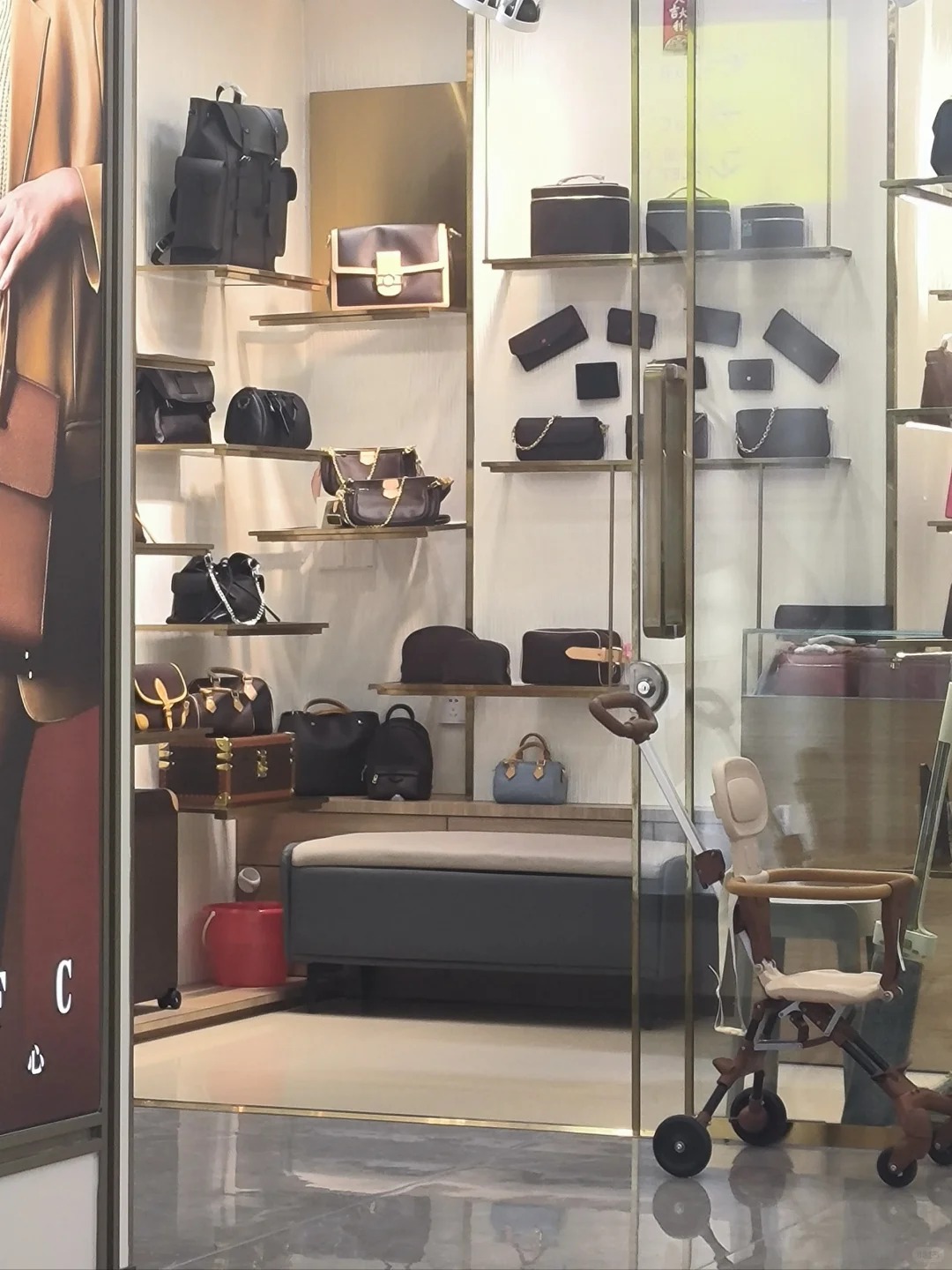
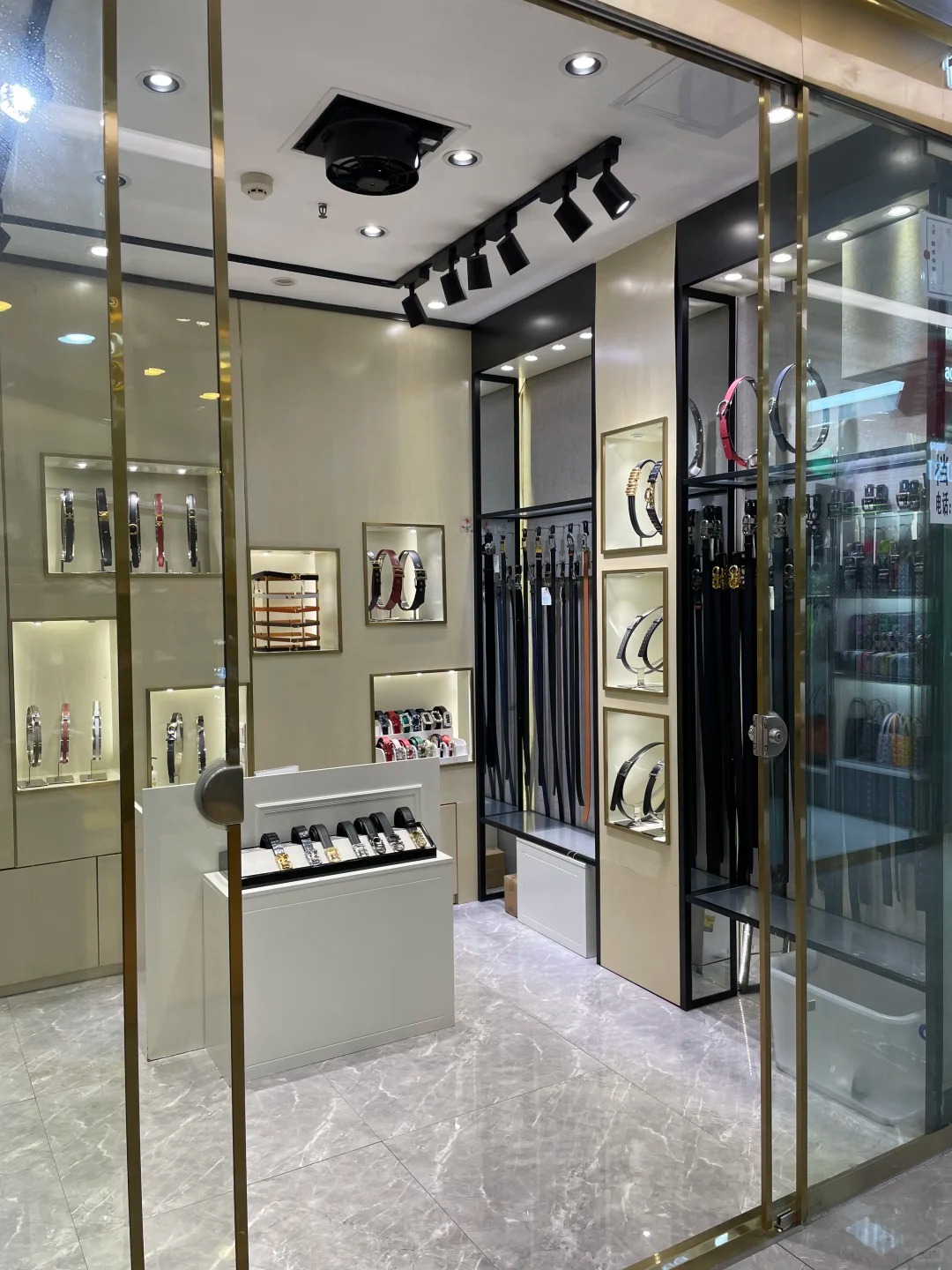
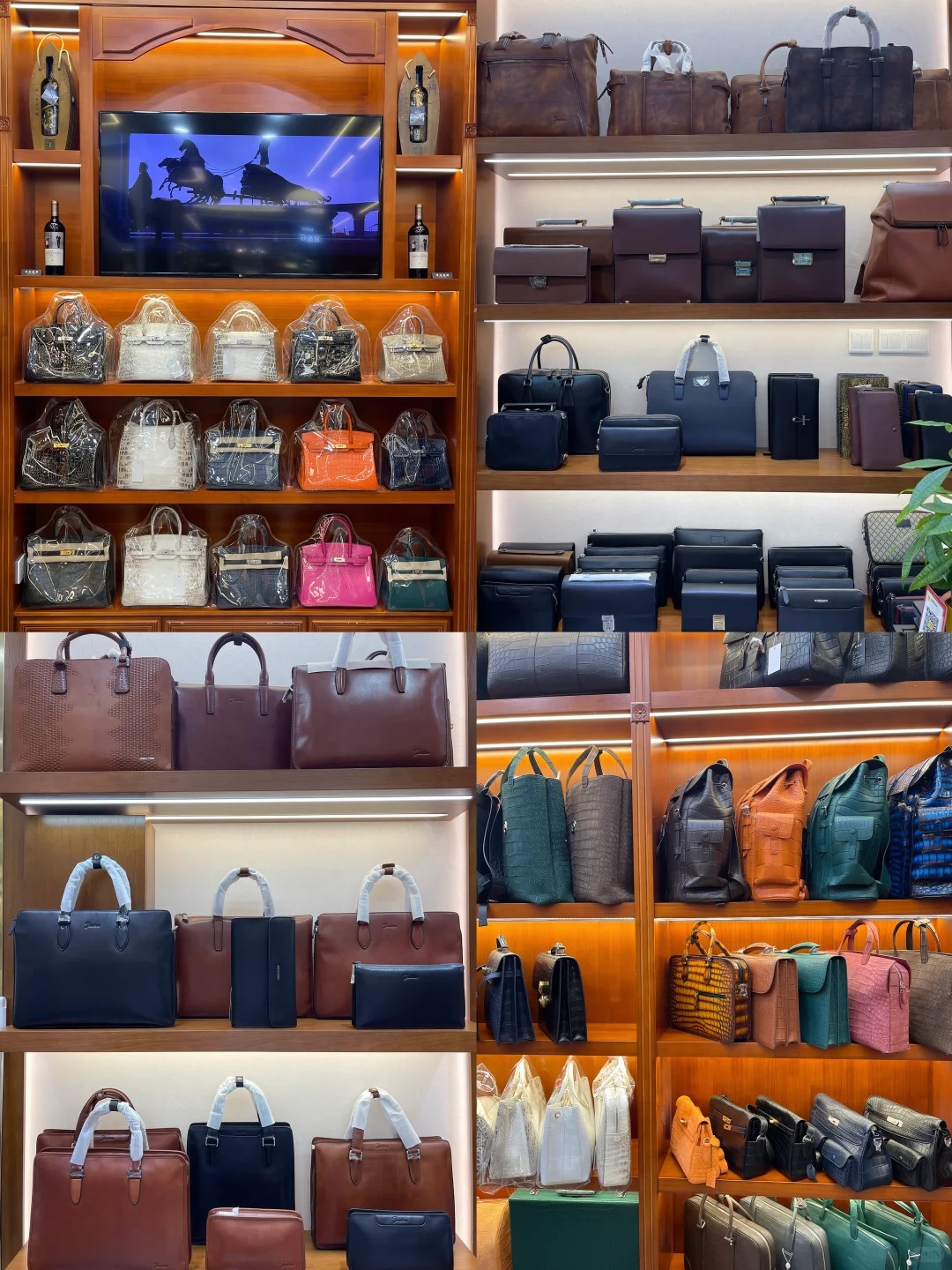
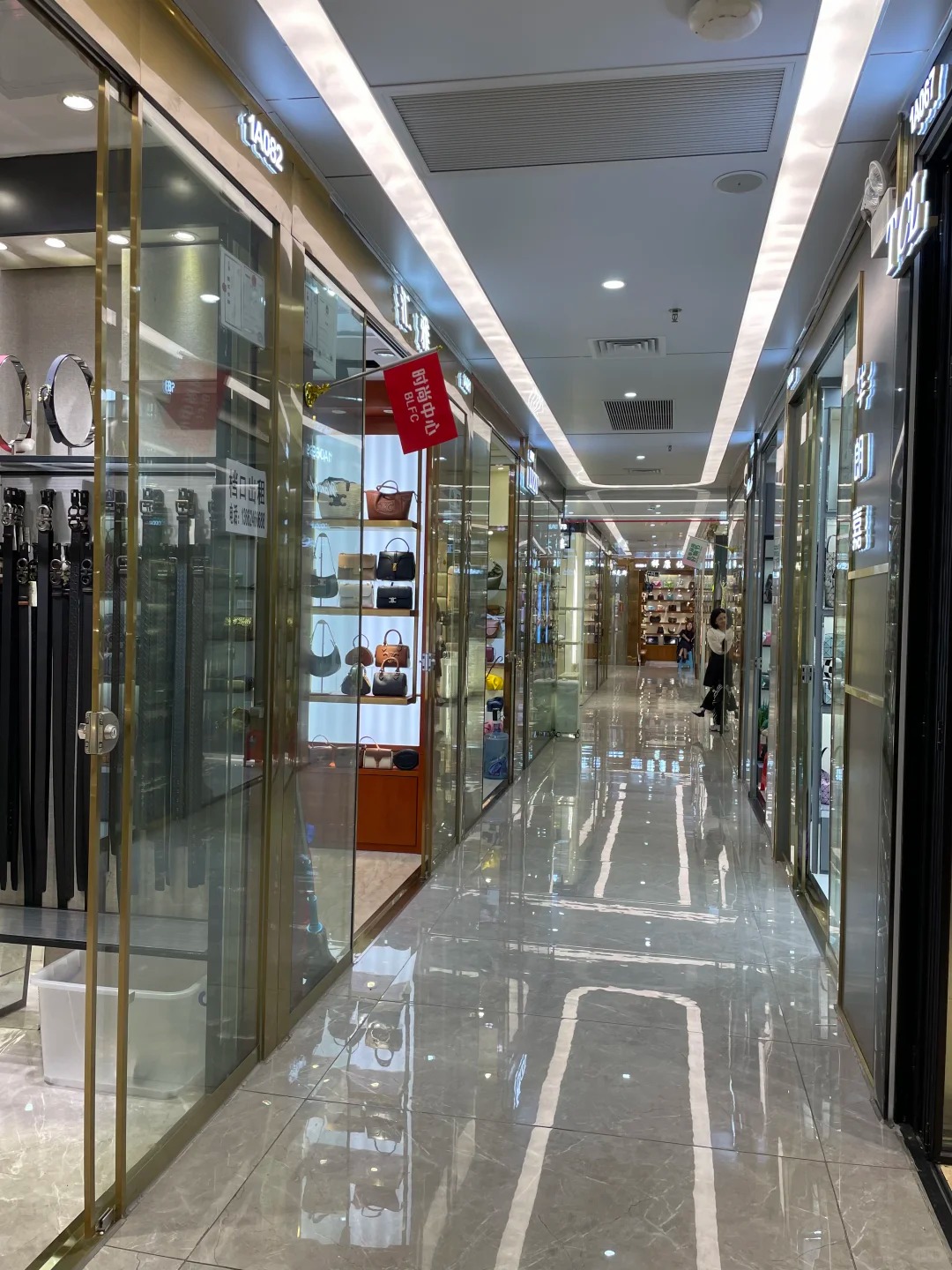
Forget online middlemen. The fastest way to buy from China is to walk into a physical wholesale market, inspect the goods with your own hands, and walk out with inventory the same day. Cities like Guangzhou, Yiwu, and Shenzhen have massive districts where thousands of stalls sell ready-to-ship products. This guide shows you how to navigate them like a pro.
Why Physical Markets Beat Digital Sourcing
Instant Quality Check
On platforms like Alibaba, product photos can be misleading. In a market, you can feel the fabric weight, stretch the seams, and check the stitching up close. Street-level stalls often display multiple grades of the same item—pick the one with the densest weave and reinforced seams.
Cash and Carry Bargains
Stall owners prefer immediate cash deals. They offer better prices when you buy off-the-shelf inventory. Negotiate by pointing out minor flaws (like loose threads) and ask for a bulk discount. Always carry a loupe or magnifying glass to inspect fine details.
How to Spot Top-Quality Fabrics and Workmanship
When you’re at a stall, focus on three things:
- Fabric weight: Heavier fabrics usually last longer. For cotton, 200+ GSM is premium.
- Stitching: Look for 2-3 stitches per centimeter. Loose stitches mean poor durability.
- Seams: Flat, reinforced seams (like French seams) indicate better construction.
Don’t be shy to ask the stall owner to unbox multiple units for comparison. They respect buyers who know their stuff.
Real Example: Buying T-Shirts from Guangzhou’s Shahe Market
At Shahe, you’ll find rows of stalls with stacks of t-shirts sorted by price. The 10 RMB ones have thin fabric and uneven hems. The 25 RMB ones use 180 GSM cotton with double-needle stitching. Choose the latter. Negotiate down to 20 RMB if you buy 100 pieces. Pay cash, get a receipt with the stall number, and you’re done.
FAQ: How to Buy from China – Wholesale Market Edition
| Question | Answer |
|---|---|
| Do I need a business license to buy from markets? | No, most stalls sell to anyone with cash. But having a business card helps with negotiating. |
| What payment methods do stalls accept? | Cash (USD or RMB), WeChat Pay, Alipay. Credit cards are rare. |
| Can I return defective goods? | Most stalls do not accept returns. Inspect everything before paying. Some offer exchange for obvious flaws. |
| How do I ship goods back home? | Use a freight forwarder near the market. They consolidate small orders into LCL containers. |
| Are there hidden costs? | No, but factor in transportation (taxis, trolleys) and export fees if you ship. |
| What if I don’t speak Chinese? | Bring a translation app or hire a freelance agent for 200-300 RMB/day. |
| Is it safe to carry large cash? | Use a money belt and keep cash in multiple pockets. Most market areas have ATMs. |
Final Word: Trust Your Hands, Not Just Your Eyes
The best way to buy from China is to be physically present. Your hands are the most reliable quality control tool. For a structured introduction to Guangzhou’s wholesale scene, consider visiting Soudangkou—it connects you directly with vetted stall owners who prioritize quality. Start with a small test order, build relationships, and scale up.
广州服装档口相关入口
继续查看相关市场和品类入口,方便对比档口微信、货源范围、拿货方向和试单前需要核实的信息。