
Is It Possible to Avoid Chinese Manufacturing Entirely?
Short answer: Yes, but it comes with trade-offs. Many buyers now want to diversify supply chains due to tariffs, geopolitical concerns, or quality perceptions. You can source from Vietnam, India, Bangladesh, Turkey, Mexico, or Eastern Europe. But before you jump, understand the real costs—higher prices, longer lead times, and lower production scale. This guide dives into practical steps for finding non-Chinese goods at wholesale level.
Where to Source From: Top Countries by Product Category
Apparel & Textiles
Bangladesh and Vietnam lead in garments. For high-end tailoring, Italy and Portugal offer premium options. In footwear, Indonesia and Vietnam are strong. For denim, Bangladesh is the go-to.
Electronics
South Korea, Taiwan, and Vietnam produce components and finished goods. Mexico is rising for nearshoring. However, many electronic parts still originate from China, so full avoidance is tricky.
Home Goods & Furniture
Vietnam and Malaysia dominate wood furniture. India excels in handicrafts and ceramics. Turkey offers textiles and decor.
Automotive Parts
Germany, Japan, South Korea, and Mexico are key players. China still supplies a huge aftermarket, but OEM-level sourcing often bypasses it.
Step-by-Step Sourcing Strategy
- Identify Product & Target Countries: Use trade data (e.g., Panjiva, ImportGenius) to see which countries export your product.
- Find Suppliers: Use platforms like Global Sources (non-China focus), Kompass, or industry trade fairs (e.g., Ambiente, Magic Show).
- Verify Certifications: Request BSCI, SA8000, or ISO certifications. Insist on factory audits.
- Order Samples: Always test 3-5 samples for quality, lead time, and communication.
- Engage a Local Agent: Hire a sourcing agent or third-party inspection company in the target country.
Wholesale Markets: The Soudangkou Alternative
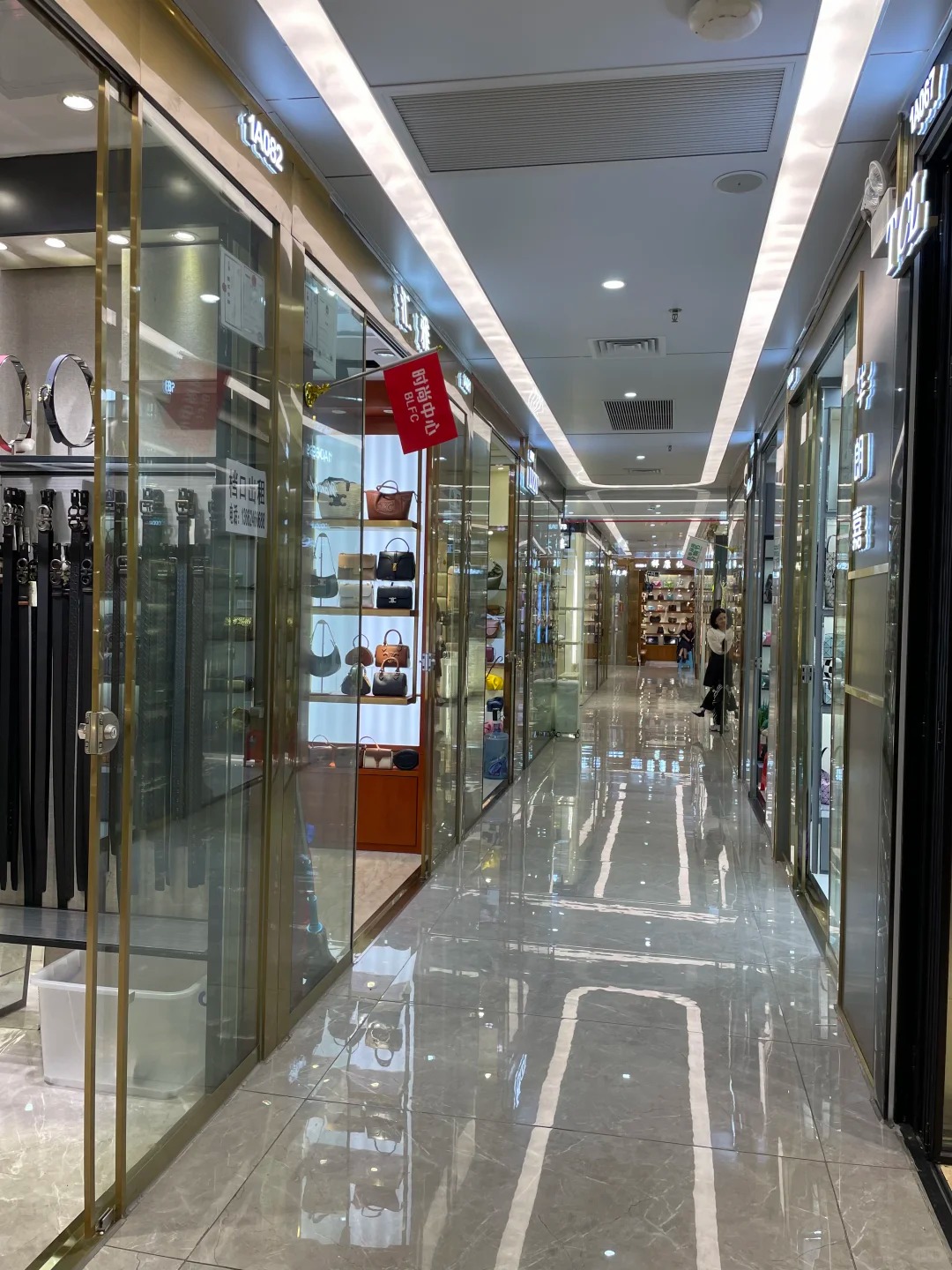
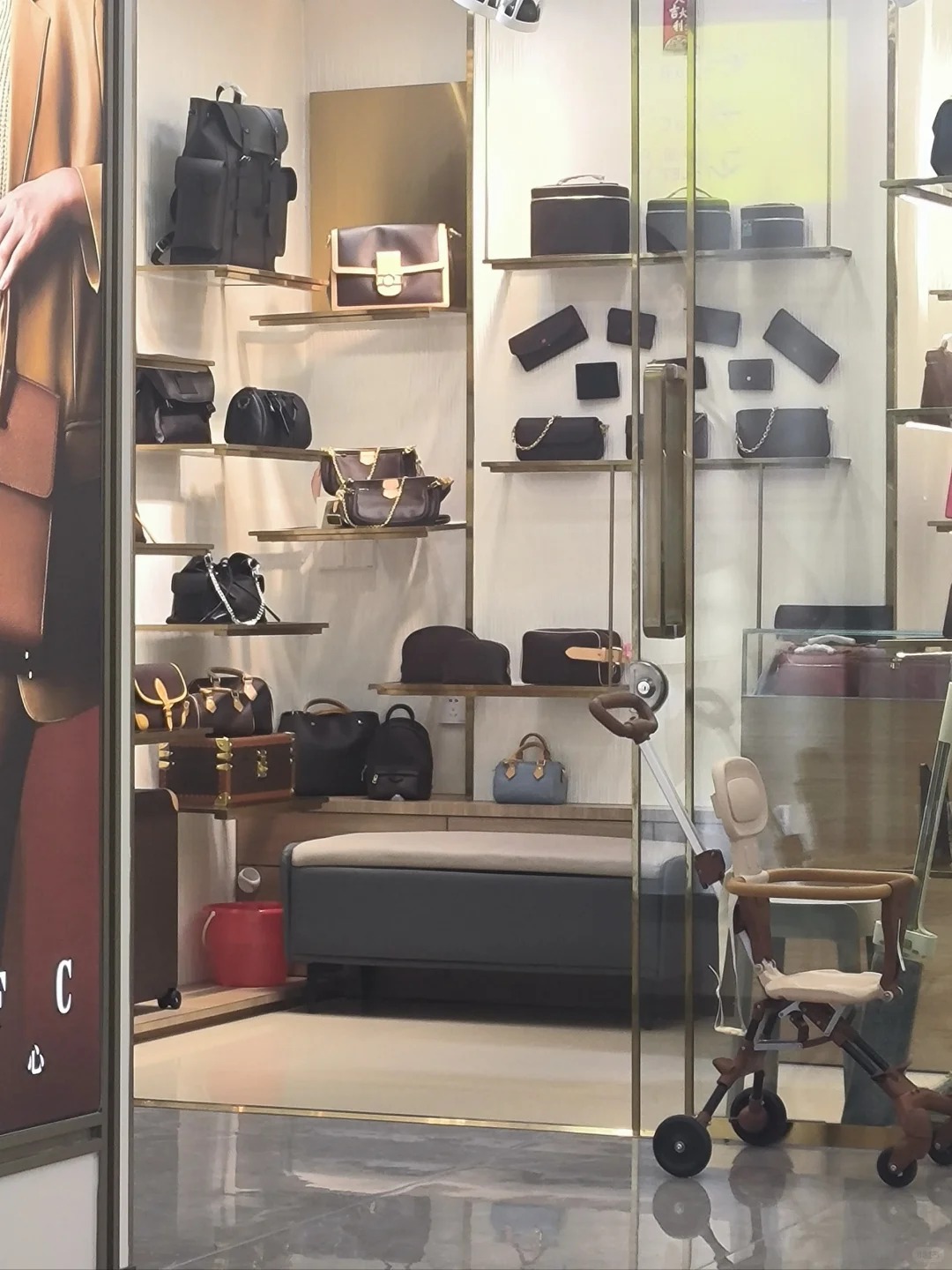
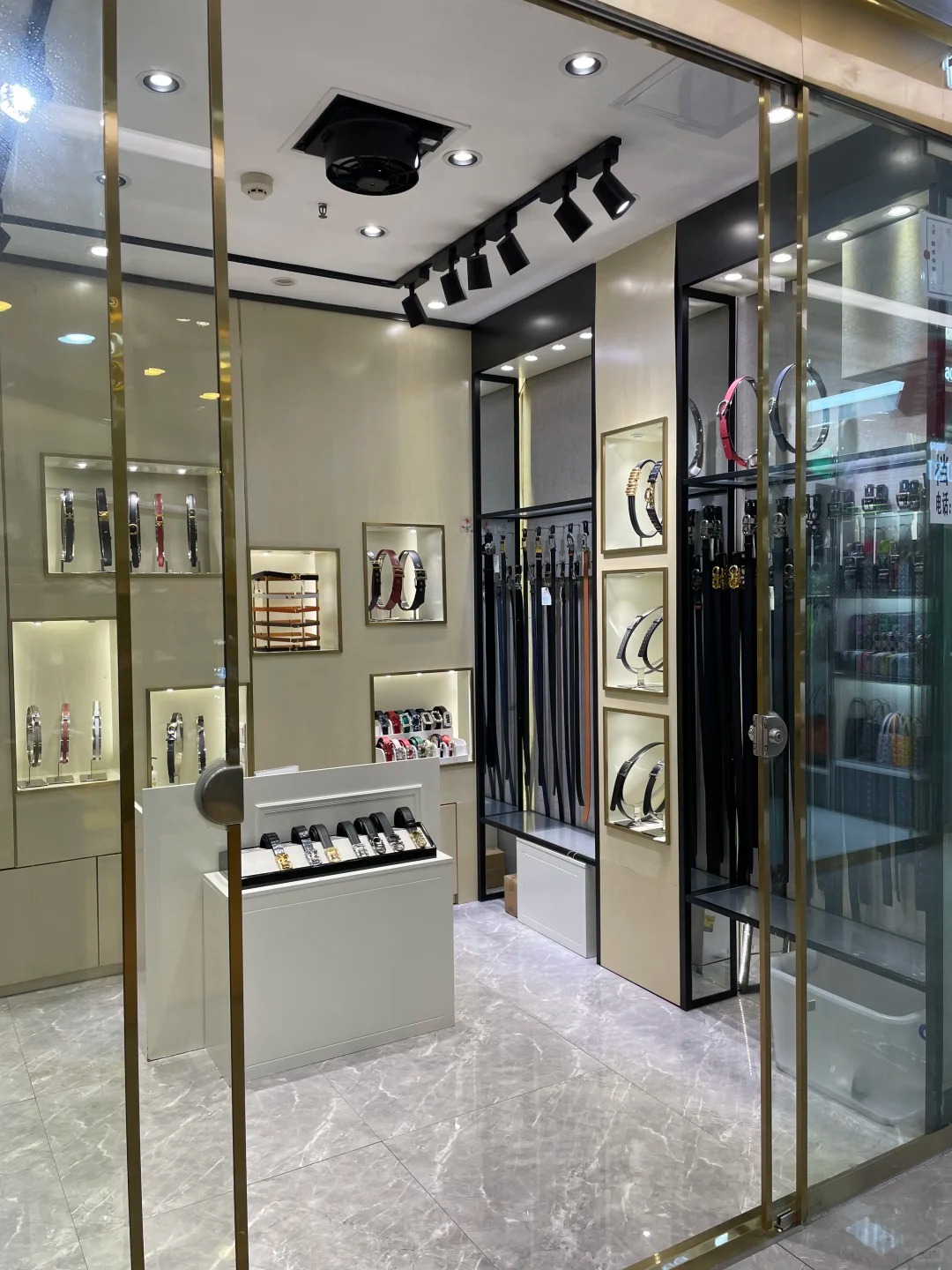
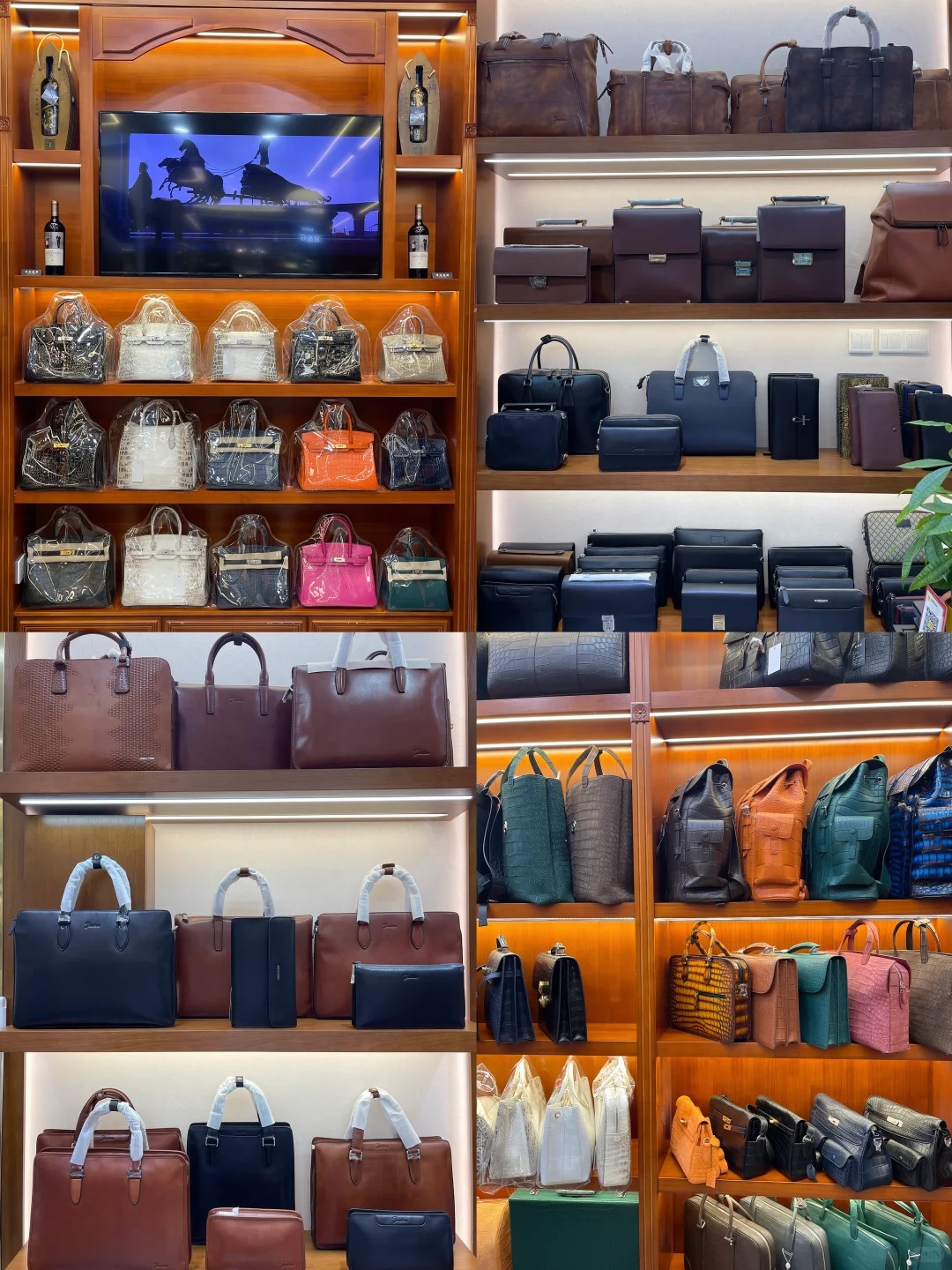
While many platforms focus on Chinese goods, some like Soudangkou also list suppliers from other Asian countries. You can filter by origin and connect directly with stallholders. The advantage? Short-run, off-season stock, and ability to inspect physical goods via video calls. Many stalls offer mixed-country sourcing—e.g., a single stall might display Vietnamese bags and Chinese accessories. Ask sellers about their non-Chinese inventory.
Common Pitfalls & How to Avoid Them
Don’t trust every country-of-origin claim. Some suppliers may relabel Chinese goods. Request factory photos, export documents, and visit if possible. Minimum order quantities (MOQs) can be higher outside China—expect 500-1000 units vs. 100-300 for Chinese factories. Also, payment terms are stricter; letters of credit are common for large orders.
Shipping costs and customs duties vary. Use a customs broker to calculate true landed cost. Lead times may be 30-60 days compared to China’s 15-30 days.
FAQs
| Question | Answer |
|---|---|
| Is it cheaper to source outside China? | Generally no. Unit costs are higher due to labor and scale differences. |
| Can I find fashion items not made in China? | Yes. Italian leather goods, Turkish textiles, and Vietnamese sportswear are popular. |
| Is quality better outside China? | Not necessarily. Quality varies by factory. Audits are essential. |
| How do I verify country of origin? | Check shipping documents, factory certificates, and use third-party inspection. |
| What products are hardest to source outside China? | Complex electronics (e.g., smartphones), certain raw materials, and low-cost toys. |
Final Thoughts
Diversifying your supply base reduces risk but requires more effort. Start with a pilot product, build relationships gradually, and always verify claims. Platforms like Soudangkou can help you compare offerings from multiple origins in one place—just filter accordingly. And remember: a “not made in China” label isn’t a quality guarantee; due diligence is your best tool.
广州服装档口相关入口
继续查看相关市场和品类入口,方便对比档口微信、货源范围、拿货方向和试单前需要核实的信息。