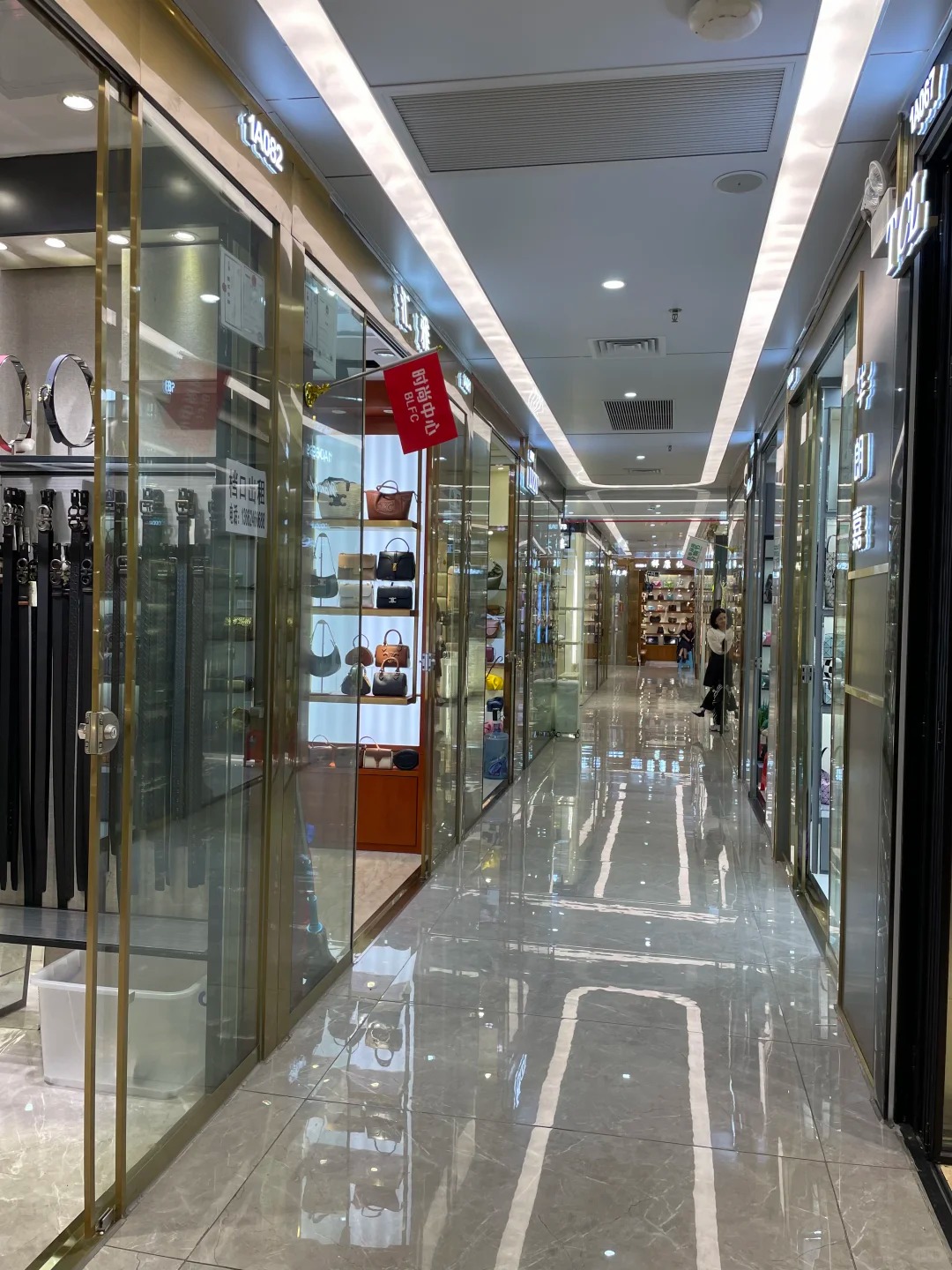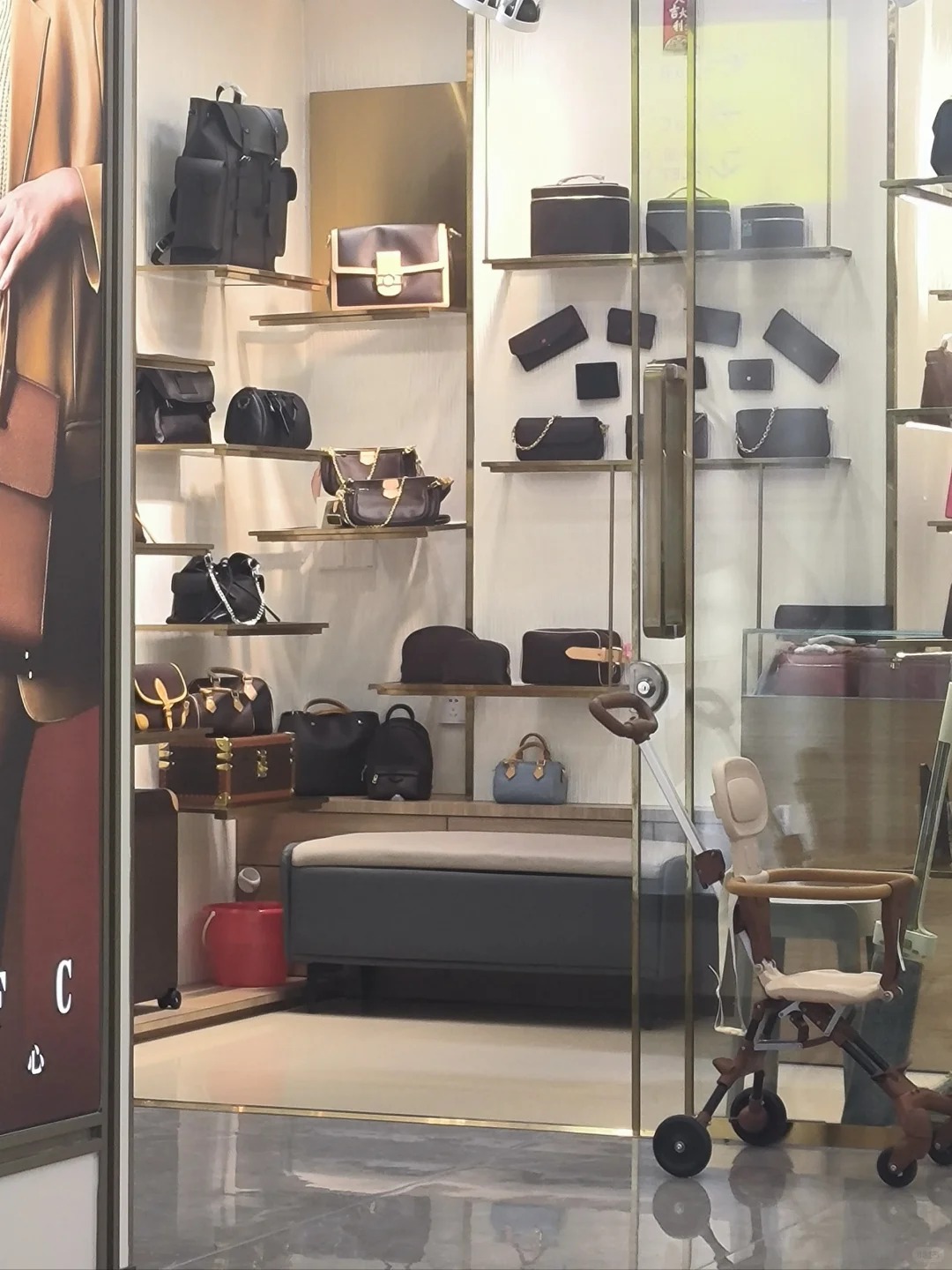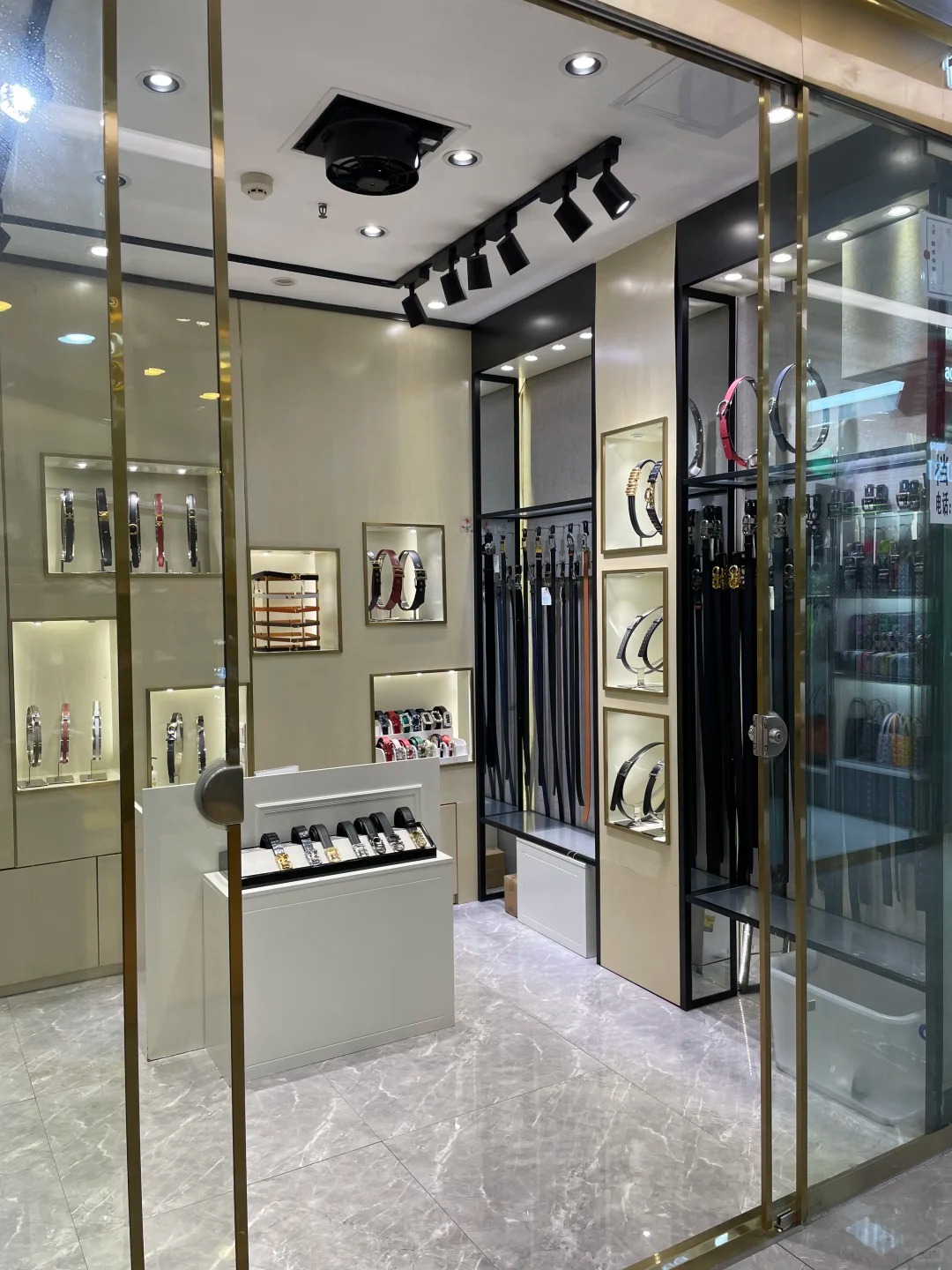

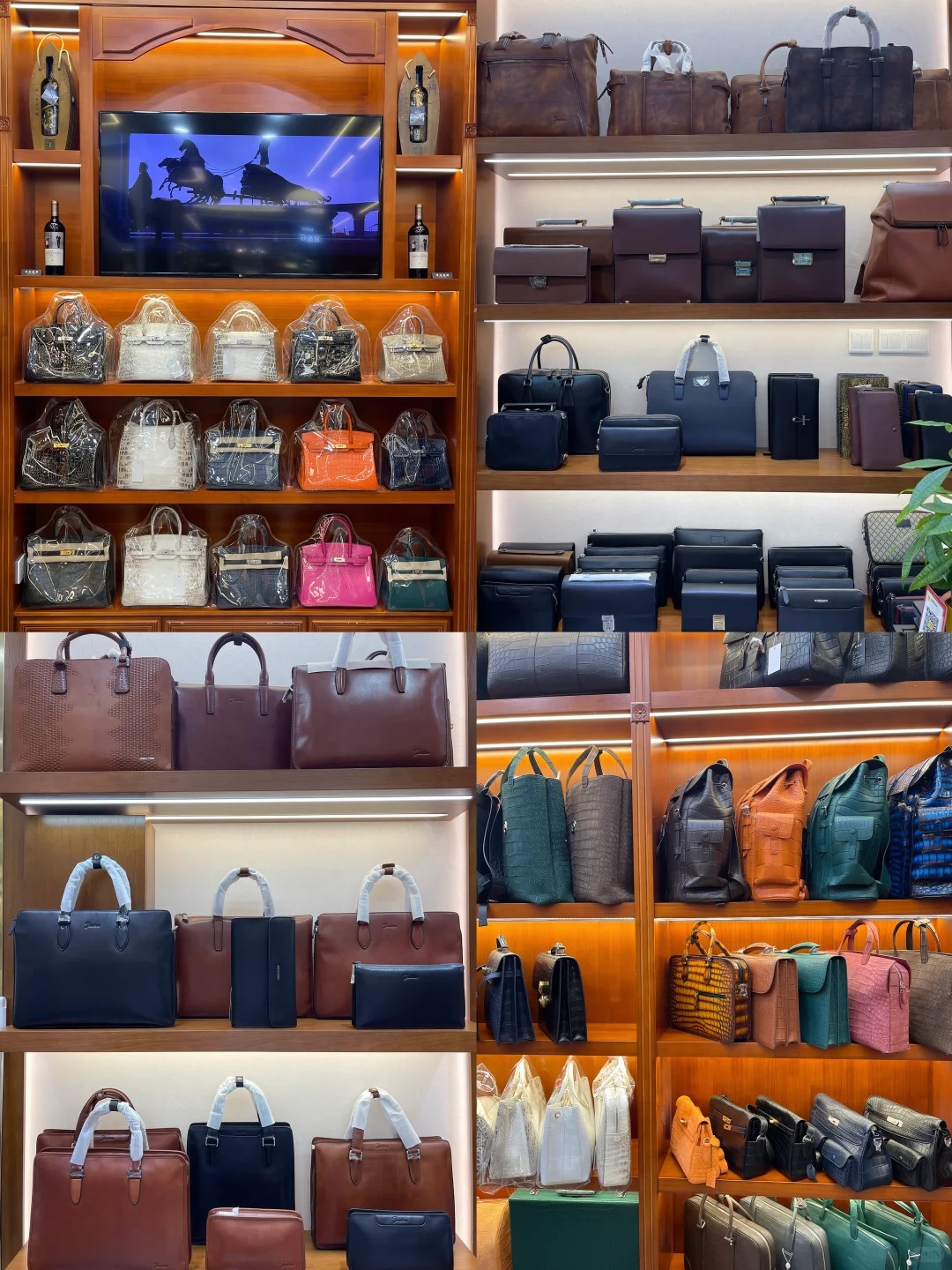
Stop searching for abandoned cities. “Ghost town” is China wholesale slang for markets like Yiwu, Qingdao, or Guangzhou’s Baiyun — huge but quiet spots where you can snag bulk deals without crowds. Cost to buy? Expect $0.50–$5 per unit for basic goods, but actual prices depend on order size, negotiation, and your relationship with stall owners.
What “Ghost Town” Really Means in China Wholesale
New buyers often imagine a literal deserted industrial zone. In reality, “ghost town” refers to wholesale market clusters where foot traffic is low but stall density is high. Think: a 10-floor building with 500 stalls, each selling similar products. Owners sit around waiting for serious buyers — not tourists.
Here’s the real pricing breakdown based on five years of sourcing from these markets:
| Product Category | Typical Wholesale Price (USD) | Bulk Discount (1,000+ pcs) | Note |
|---|---|---|---|
| Basic cotton tees | $2.50 – $4.00 | –15% to –20% | Check stitching at shoulder seams |
| Canvas sneakers | $5.00 – $8.00 | –10% to –15% | Feel the rubber sole flexibility |
| Polyester track suits | $7.00 – $12.00 | –12% to –18% | Run zipper test 5 times |
| Electronics accessories | $0.80 – $3.50 | –20% to –30% | Verify chip brand markings |
| Home textiles (towels) | $1.20 – $2.80 | –15% to –20% | Canvas absorbency test at stall |
How to Spot Quality at the Stall (Without Speaking Chinese)
Fabric Feel Test
Don’t just look. Rub the fabric between thumb and forefinger — cheap polyester feels slick; quality cotton has a soft drag. For denim, check the grain: tight twill wears longer. If the stall owner hesitates letting you touch, walk away.
Stitching & Seams
Pull the garment at stress points: armpits, crotch, shoulder. Loose threads or uneven stitches mean the factory cut corners. Folding the item inside out reveals stitch density — 8–10 stitches per inch is standard for export quality.
Negotiation Rules for Ghost Town Markets
- Start at 50% of quoted price — vendors expect haggling
- Bring a sample unit to compare other stalls
- Pay in cash (CNY) — you get 5–10% immediate discount
- Ask for “spot price” (现货价) — means same-day pickup, no wait
FAQ: Buying from China Ghost Towns
| Question | Answer |
|———-|——–|
| Are these markets legal? | Yes, they are licensed wholesale markets. “Ghost town” is just a nickname for low-traffic trade centers. |
| Can I visit without a buyer’s card? | Most allow entry, but some require a business license copy. Best to go with a local agent. |
| Do they accept credit cards? | No. Bring cash or use WeChat/Alipay after setup. |
| Minimum order quantity? | Typically 12–24 pieces per style, except electronics (100+). |
| How to avoid fake products? | Check anti-counterfeit stickers and ask for factory invoice. Genuine brands are rare here — focus on unbranded quality. |
| Can I ship directly from stall? | Some stalls offer freight forwarding. Or use third-party consolidator in same building. |
| What if I need samples? | Buy at retail and negotiate sample fee refund on first order. |
Real Experience: Soudangkou for Ghost Town Sourcing
One platform that connects you directly to these market stalls is Soudangkou (soudangkou.com). It aggregates spot inventory from dozens of ghost town vendors, letting you compare prices and request fabric close-ups before flying to China. For first-timers, it saves the awkward walk-in haggle.
Final Takeaway
How much to buy from China ghost towns? Budget $300–$1,000 per product line for a mixed order of 50–200 units. The real value isn’t in rock-bottom prices — it’s in flexible order sizes and instant stock. If you play the stall game right, you’ll get better terms than any Alibaba listing. Just remember: your profit margin is hidden in the fabric feel and the seam strength, not the price tag.
广州服装档口相关入口
继续查看相关市场和品类入口,方便对比档口微信、货源范围、拿货方向和试单前需要核实的信息。