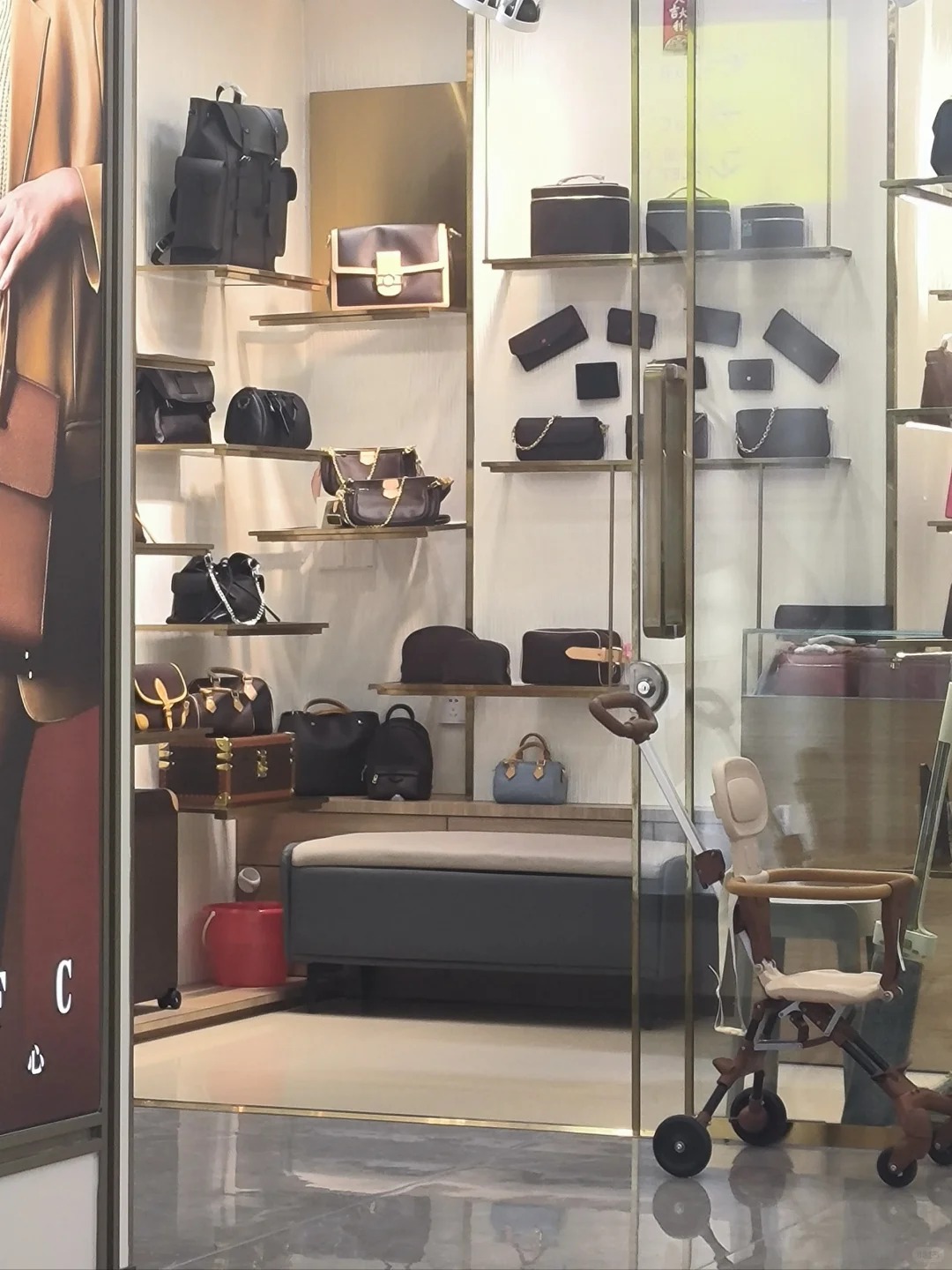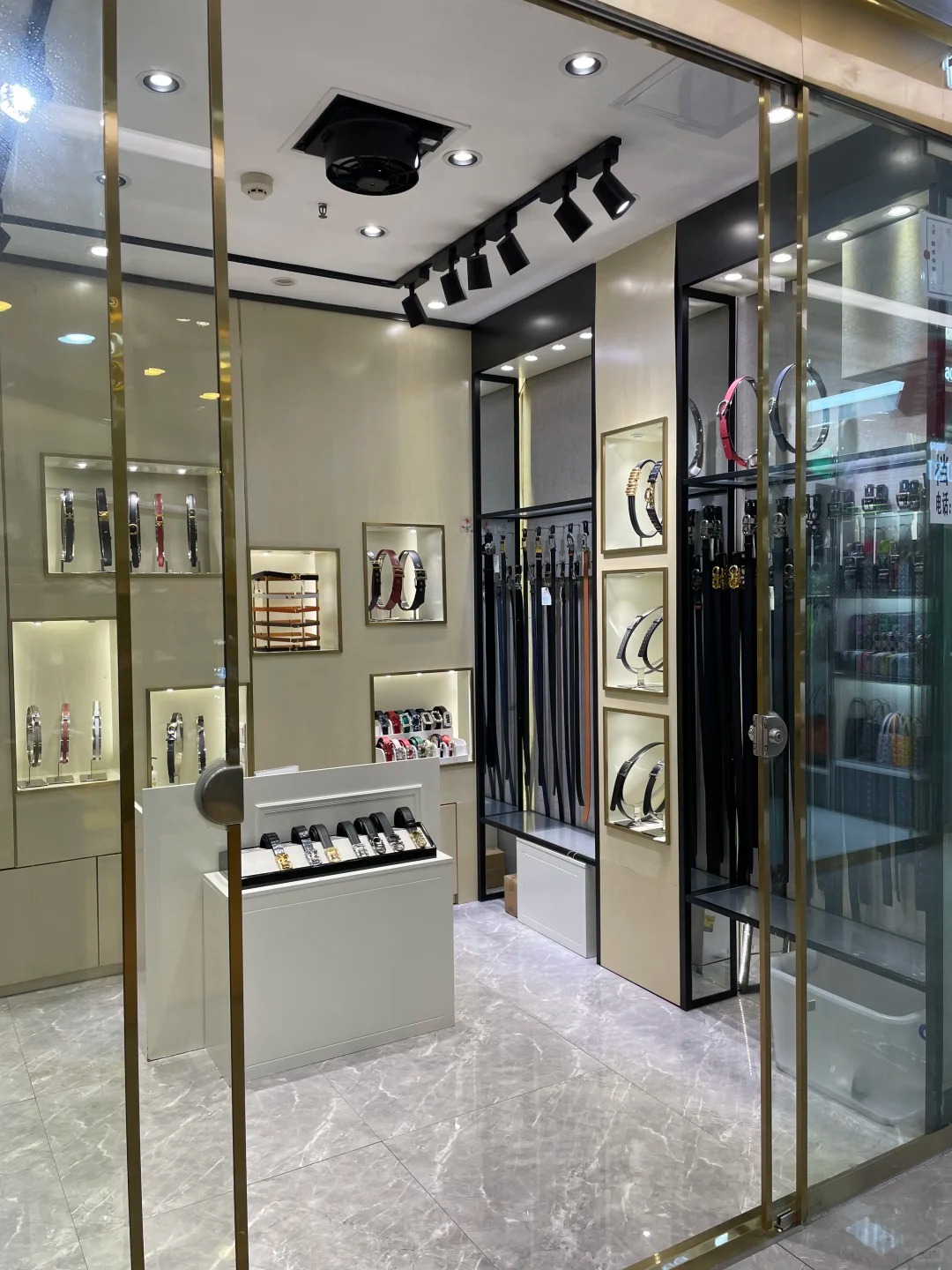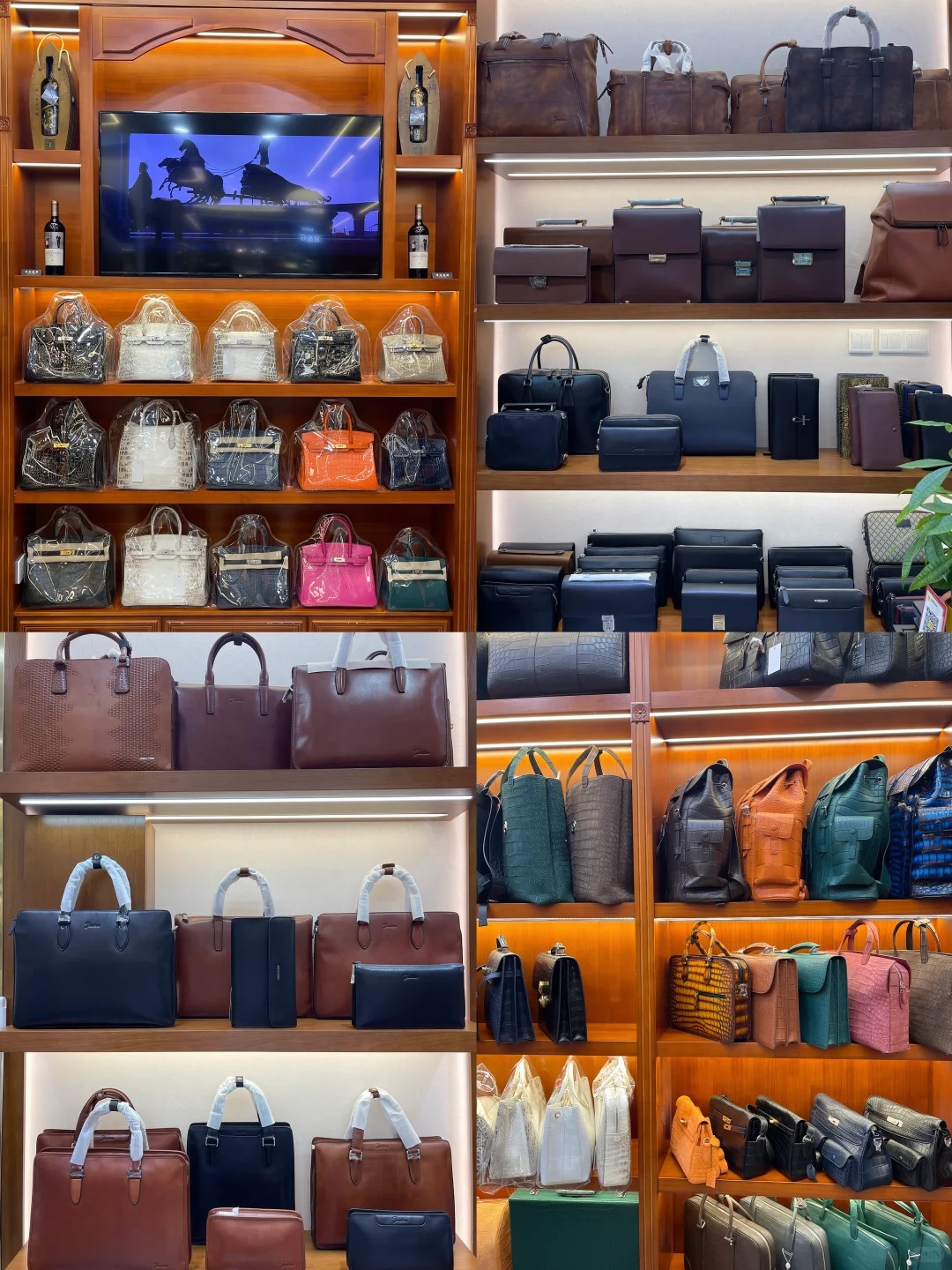

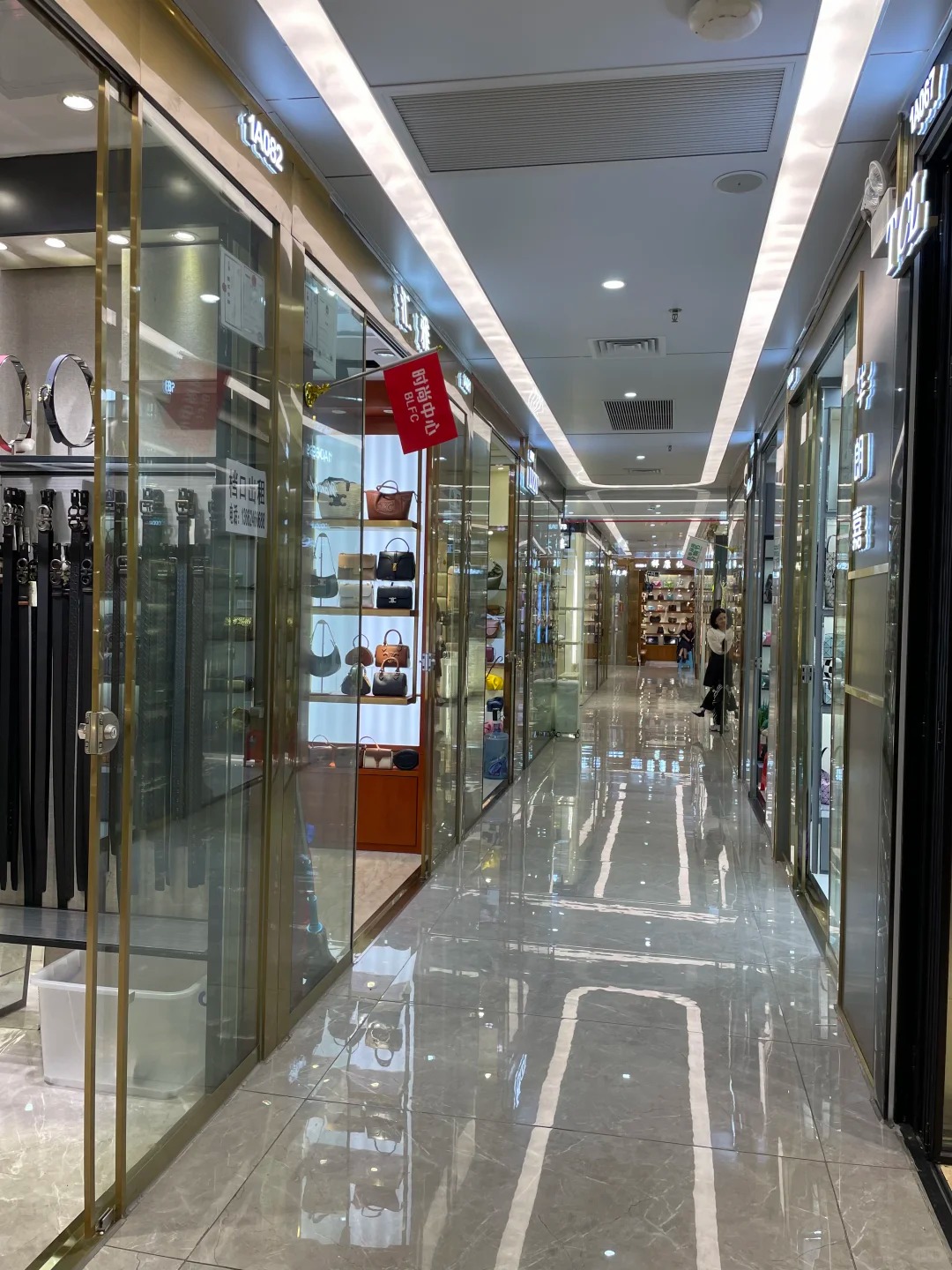
How to Buy Furniture in China – The Short Answer
To buy furniture in China, focus on wholesale markets in Foshan (Shunde), Shenzhen, or Dongguan. Visit physical stalls, inspect fabric feel and stitching by hand, and ask for spot goods (现货). Negotiate price per piece, not per set. Most stalls require no MOQ, but you pay cash or instant transfer. Always request a sample before bulk. Here’s your complete walkthrough.
Why Buy from Chinese Wholesale Market Stalls?
Chinese wholesale furniture markets are massive ecosystems. Stalls (档口) offer tens of thousands of designs—from Scandinavian minimal to luxury leather. You must go in person to evaluate quality because photos and videos lie. A sofa that looks plush online may have flimsy foam and crooked stitching. Only by touching the fabric and pressing the cushions can you judge real value.
Step 1: Choose the Right Market
For furniture, you have three major hubs:
- Foshan (Shunde) – The capital of furniture. Hundreds of wholesale buildings, each floor specialized (sofas, dining, office). Start with Lecong Furniture Market.
- Shenzhen – Higher-end designs. More modern, often exported to Europe and US. Good for trendy pieces.
- Dongguan – Mid-range to luxury. Many factories here; stalls often show one sample while the factory next door produces.
For serious sourcing, start in Foshan. It’s the largest and most competitive.
Step 2: Evaluate Fabric Feel and Stitching
When you enter a stall, don’t just look – touch everything. Here’s what to check:
- Fabric: Rub your hand against the grain. Is it smooth or rough? Press the fabric to see if it springs back (good foam).
- Stitching: Look for straight, tight seams. Double-stitched edges = durability. Pull the thread gently; if loose or uneven, reject the piece.
- Foam density: There should be no sagging. Sit on the sofa for 30 seconds, stand up, and check if the cushion returns to shape quickly.
- Frame: Ask the stall owner if they use kiln-dried hardwood or plywood. Avoid particle board for high-use items.
Pro tip: Bring a small flashlight to inspect under furniture – look for unfinished wood, staples, or cracks.
Step 3: Ask for Spot Goods (现货)
Wholesale stalls often have ready-to-ship inventory – spot goods. This is your best bet for fast delivery and low minimum order. Ask directly: “Do you have 现货? I want to buy now.” Many stalls will show you their stockroom. For spot goods, you can buy 1 piece as a sample, then return for bulk. Minimum quantity is usually 1–5 pieces, not 50.
If you need a custom design, be prepared for a 30% deposit and 3–4 weeks production. That’s slower and riskier. Stick to spot goods unless you have a solid volume commitment.
Step 4: Negotiate Price Per Piece
Chinese furniture prices are negotiable but not random. The listed price is typically 2–3 times the actual wholesale price. Start your offer at 40–50% of the listed price, then settle around 60–70%. For example, a sofa listed at ¥3,000 can often be bought for ¥1,800–2,000 per piece (spot goods).
Key phrases:
- “What is your best price for 10 pieces?” (批量价格)
- “Can you do cash?” (现金价)
- “Is this 现货 or must I wait?”
Always confirm including or excluding local delivery or trucking. Stall prices usually include loading onto your truck, not long-distance shipping.
Step 5: Payment, Shipping, and Common Pitfalls
Stalls prefer cash, WeChat/Alipay, or bank transfer. Credit cards are rare. For trust, you can ask for a small pre-shipment photo (but they often refuse).
Shipping: Use a freight forwarder from the market area. Many stalls have a recommended forwarder, but don’t feel obliged – compare 2–3 quotes. For a 20ft container, expect $2,000–$4,000 to a major US or European port, depending on origin and destination.
Pitfalls to avoid:
- Veneer vs. solid wood: Many stalls will say “solid wood” when it’s only a veneer. Ask to see the underside or a raw edge.
- Mixed batch quality: If buying spot goods, open every box and inspect. Some stalls mix different quality levels.
- No warranty: Most stalls give none. You rely on your inspection. That’s why Soudangkou offers verified stall ratings and inspection reports for a fee – a handy backup for new buyers.
FAQ: How to Buy Furniture in China
| Question | Answer |
|---|---|
| Do I need an agent? | No, but agents can save time if you’re buying less than a container. For first timers, go solo to learn. |
| What’s the minimum order? | For spot goods: 1–5 pieces per model. For custom: often 50–100 pieces per design. |
| How do I pay? | Cash, bank transfer, WeChat/Alipay. Avoid PayPal – stall owners hate fees. |
| Can I ship to my country? | Yes, but you need a freight forwarder. Most furniture is shipped in containers. |
| Are the prices final? | No, always negotiate. Start at 50% of asking, settle around 65%. |
| What about foam and fabric certifications? | Ask for certification documents. But in reality, most stalls don’t have them. You test by smell and feel. |
| Should I buy online? | Not recommended for bulk. Online photos can misrepresent stitching and fabric. In-person is crucial. |
Final Tips for 2025
- Visit during Canton Fair (spring/autumn) – many stalls offer special pricing.
- Download vernacular apps (WeChat for translation, Baidu Maps for navigation).
- Start small: buy 2–3 pieces from one stall, ship, see how they sell, then scale.
- Always trust your hands over a smile. Chinese stall owners are skilled negotiators; you must be equally sharp on quality assessment.
With this guide, you’re ready to source furniture from China successfully. Remember: spot goods, hand test, and negotiate firmly.
广州服装档口相关入口
继续查看相关市场和品类入口,方便对比档口微信、货源范围、拿货方向和试单前需要核实的信息。