
How to Buy Pallets from China (The Right Way)
To buy pallets from China successfully, you must visit wholesale market stalls in person or use a trusted sourcing agent. The myth of endless online deals often leads to overpriced inventory or low-quality goods. First-hand traders in markets like Yiwu or Guangzhou offer spot goods at real wholesale prices — but only if you know how to inspect fabric feel, stitching, and overall make. This guide breaks down the exact process.
Why Physical Market Stalls Beat Online Listings
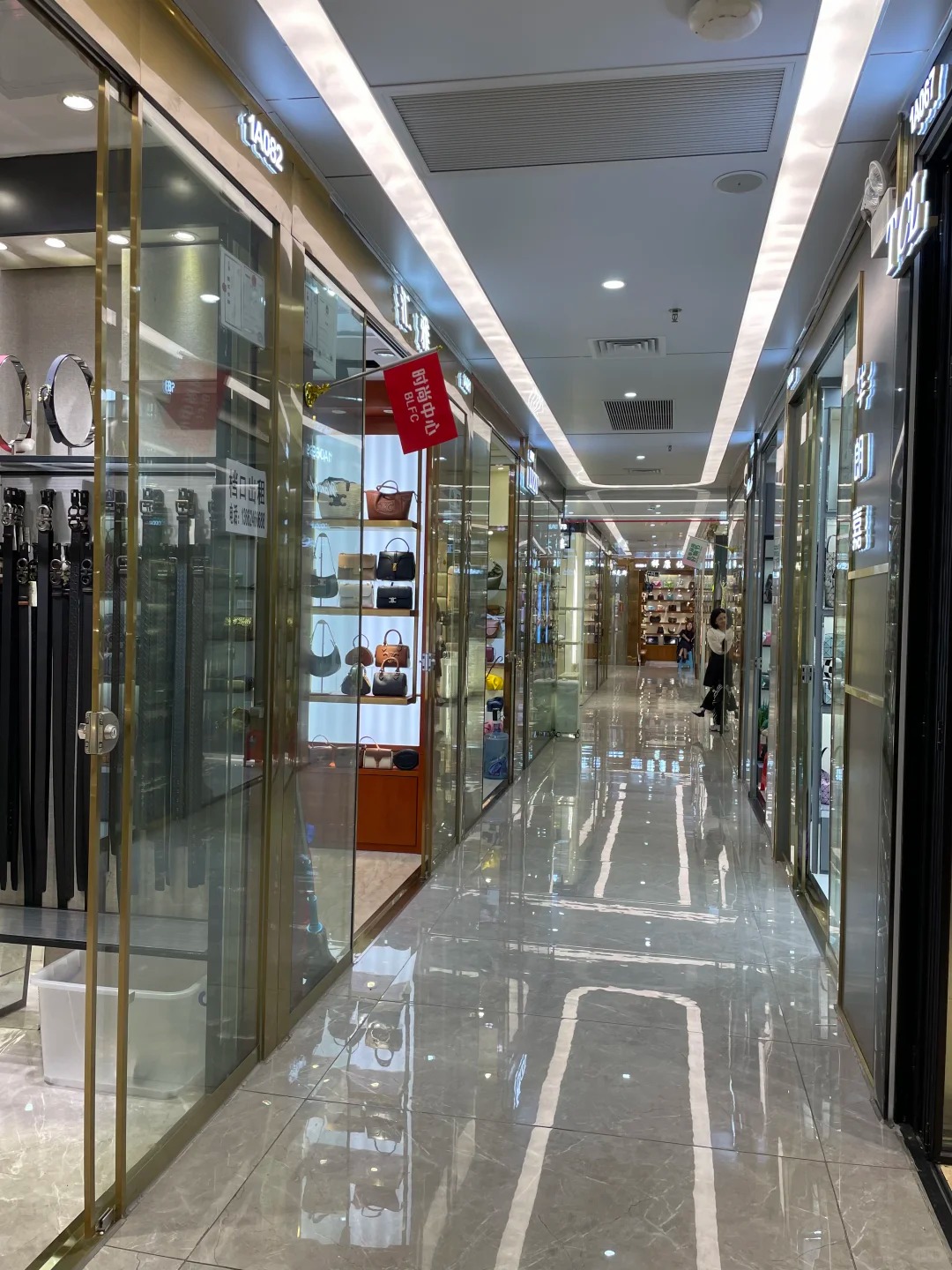
Online B2B platforms are convenient, but they mask the true quality. A pallet bought sight unseen might contain damaged or unsellable items. In contrast, market stalls allow you to touch the fabric, check seams, and verify that the lot aligns with your expectations. For example, at Soudangkou, you can walk through aisles of stalls, compare different pallet inventories, and negotiate pricing on the spot. The saving potential is 30-50% compared to online-only dealers.
Inspection Checklists for Pallet Buyers
When inspecting a pallet, bring a checklist:
- Fabric feel: Is the material stiff or soft? Run your fingers over the garment to detect pilling, thinness, or uneven texture.
- Stitching quality: Look at seams — are they straight, double-stitched? Loose threads or uneven stitches indicate poor make.
- Zippers and buttons: Test all hardware. Broken zippers are common in low-quality lots.
- Fit and sizing: Measure a sample item. Chinese sizing often runs small; know your target market.
- Color fastness: Rub a white cloth on dark fabrics to check for dye transfer.
Top Sourcing Strategies for Wholesale Pallets
To secure the best spot goods, go directly to the wholesale districts. In Guangzhou, the Zhanxi Road market area is famous for clothing pallets. In Yiwu, the International Market has hundreds of stalls with mixed pallets. Always ask for “spot inspection” — you have the right to open a box and check quality before paying. Some vendors may resist, but walk away if they refuse. Reliable stalls prioritize transparency.
Frequently Asked Questions
| Question | Answer |
|---|---|
| Can I buy pallets online safely? | Yes, but only from verified platforms with escrow. Still, nothing beats physical inspection — fabrics and stitching can’t be assessed through photos. |
| What is the typical pallet size? | Pallets vary; common sizes are 1m x 1.2m x 1m, holding 50-200 items depending on product type (clothing, electronics, etc.). |
| How do I negotiate price? | In Chinese markets, start at 50-60% of the asking price, but be reasonable. Build relationships with stall owners for future discounts. |
| Is it better to buy mixed or single-category pallets? | Mixed pallets have higher variety but lower predictability. Single-category pallets (e.g., all shirts) are easier to sell quickly. |
| What’s the risk of counterfeit goods? | High. Stick to no-brand pallets or request certificates. Legitimate stalls don’t hide brand origins. |
| Do I need a sourcing agent? | If you can’t visit in person, use a reputable agent who inspects for you. Expect 5-10% commission of the pallet value. |
| Which season is best for buying? | Post-holiday seasons (January, June) often have surplus stock at lower prices. |
Final Word on Buying Pallets from China
Remember: buying pallets from China is about bridging trust and quality. Market stalls like those at Soudangkou offer the transparency you need — you see exactly what you’re getting. Prioritize fabric feel, stitching, and hardware, and always inspect before paying. With this guide, you’re equipped to source successfully and avoid costly mistakes.
广州服装档口相关入口
继续查看相关市场和品类入口,方便对比档口微信、货源范围、拿货方向和试单前需要核实的信息。