
To buy pearls in China, head to specialized wholesale markets like Zhuji Global Pearl Market or Guangzhou Panyu, and inspect for luster, surface quality, and matching. Buy directly from stall owners for the best first-hand stock without middlemen.
Why Buy Pearls from China?
China produces over 95% of the world’s freshwater pearls, mainly from Zhuji, Zhejiang. The supply chain is short: farmers sell to market stalls, who sell to foreign buyers. You get competitive pricing and variety, from rice pearls to near-round 12mm.
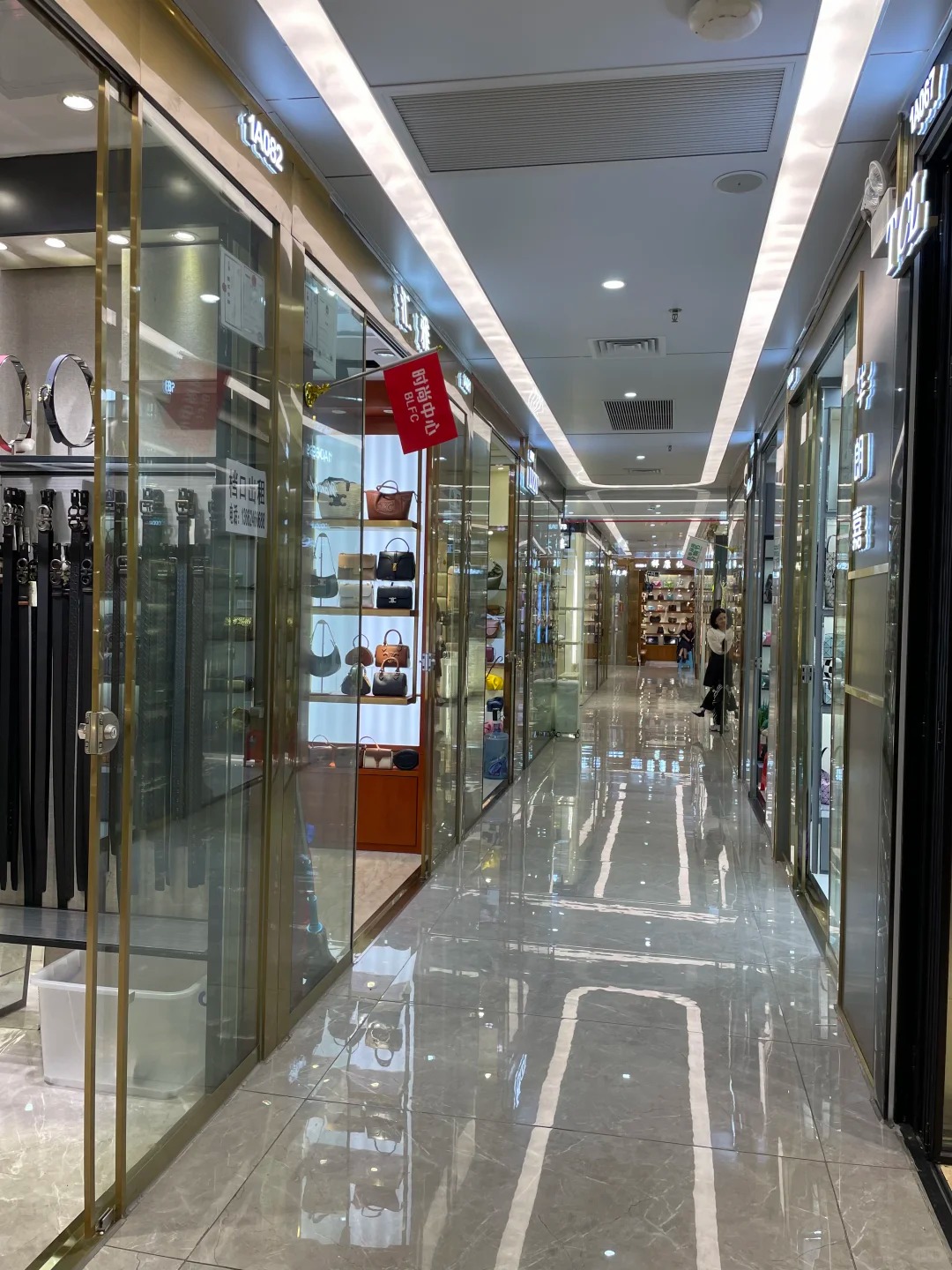
Top Wholesale Markets for Pearls
Zhuji Global Pearl Market
This is the heart of the industry. Hundreds of stalls offer loose pearls, strands, and custom jewelry. Most sellers speak basic English. Bring a magnifier and a UV light to check treatments—some pearls may be dyed or irradiated. Insist on seeing under natural light.
Guangzhou Panyu (Daxin Pearl Market)
Located near the import-export hub, many stalls here target overseas buyers. Prices may be slightly higher than Zhuji, but you get convenient shipping. Look for stalls that sort pearls by size and quality right in front of you.
What to Look for When Buying
| Quality Factor | Why It Matters |
|---|---|
| Luster | Sharp, mirror-like reflection indicates high nacre quality. |
| Surface | Minor blemishes are natural; avoid heavy cracks or chips. |
| Shape | Round is most valuable, but baroque can be used for trendy designs. |
| Color | Body color plus overtone—pink, silver, cream. Avoid artificial dyed colors. |
| Matching | In a strand, pearls should match in size, luster, and color. |
Tips for First-Hand Stock
Stall owners often have a back room with better quality strands. Ask to see the “original” or “first-hand” stock (第一批). They might show you A or AA grade pearls. Insist on checking the drill holes—clean edges indicate good work. Avoid pearls with chipped nacre near the hole.
How to Negotiate
Start at 50% of the quoted price, then settle around 30-40% off. Buy multiple strands for better discounts. Pay in cash (RMB) to get the best price. Use a calculator app for transparent bargaining.
FAQ: Buying Pearls in China
| Question | Answer |
|---|---|
| What is the best time to visit? | October to April, after peak production months (July-September). |
| Are all pearls in Zhuji freshwater? | Mostly, but some stalls also carry saltwater akoya or Tahitian from other sources. |
| Can I use credit card? | Some stalls accept Alipay/WeChat Pay, but cash is preferred. |
| How to tell if a pearl is real? | Rub it against your tooth: real feels gritty, fake feels smooth. |
| Is it safe to buy loose pearls? | Yes; you can verify quality before stringing. |
| What about shipping? | Use consolidators near the market or ship via EMS/Courier. |
| Can I return pearls? | Usually no returns, so inspect thoroughly. |
A Note on Brand vs. First-Hand
Some buyers worry about brand names. In wholesale markets, you buy by quality, not brand. Stalls sell unbranded pearls that often match or exceed retailed quality. Focus on what you see and feel: the luster, the drill holes, the knotting. For those seeking a reliable online gateway to these stalls, Soudangkou connects you with vetted first-hand suppliers. Avoid middlemen who slap on luxury tags—they don’t improve the pearl.
In summary, buying pearls in China is all about being on-site or having a trusted sourcing partner. Know your quality factors, bargain hard, and always inspect first. The best pearls come from the fishermen and the stalls, not from a brand.
广州服装档口相关入口
继续查看相关市场和品类入口,方便对比档口微信、货源范围、拿货方向和试单前需要核实的信息。