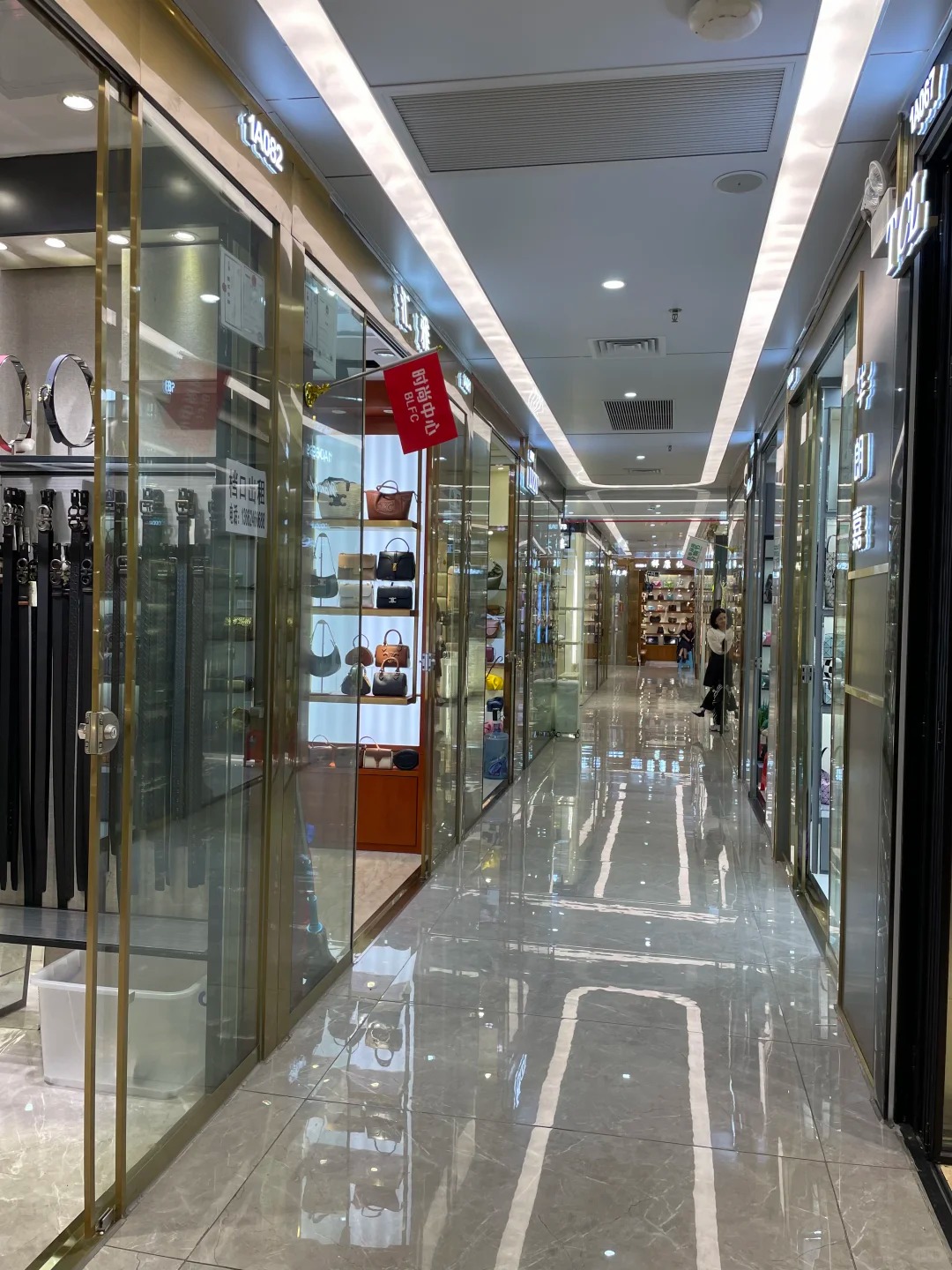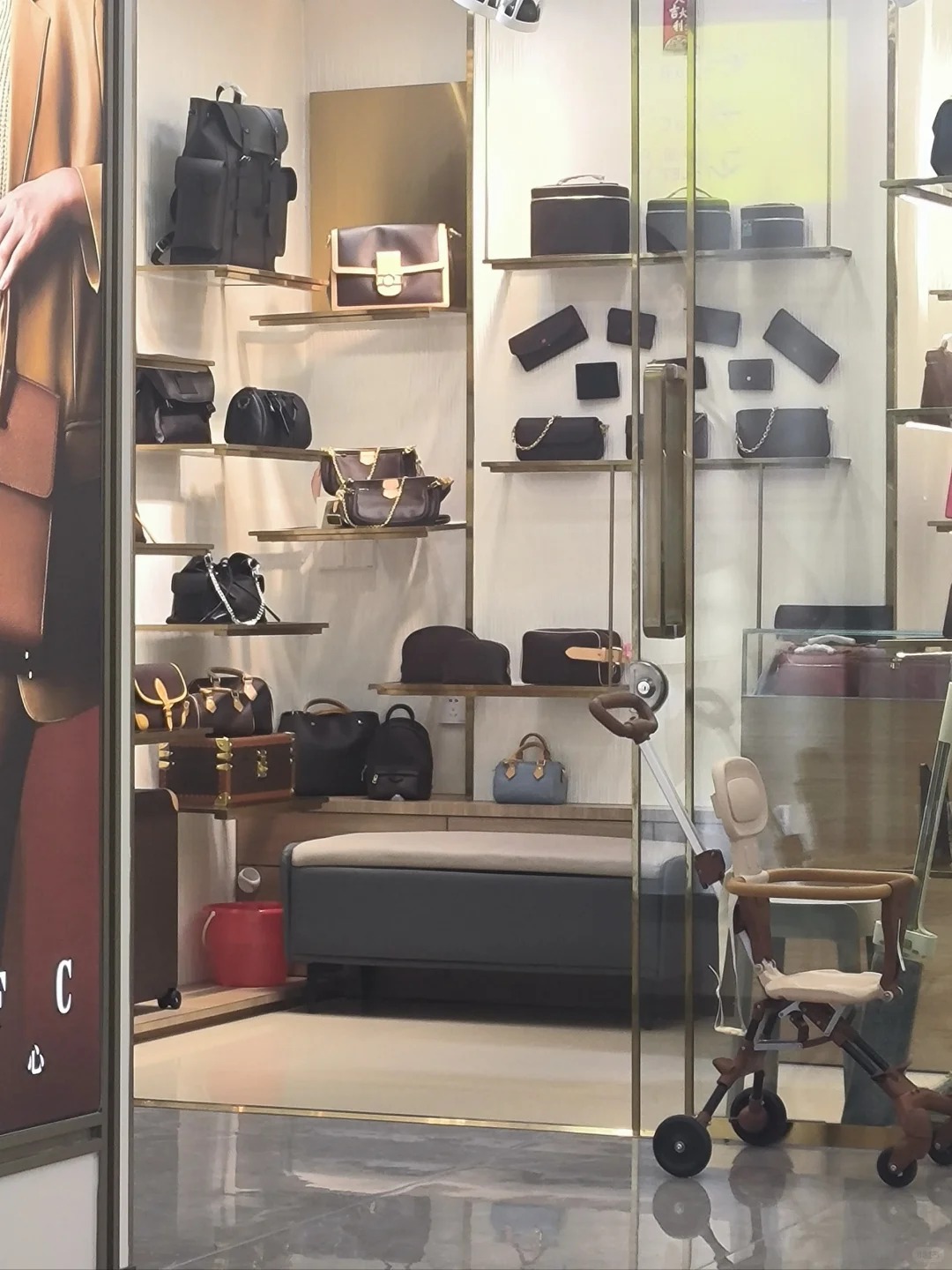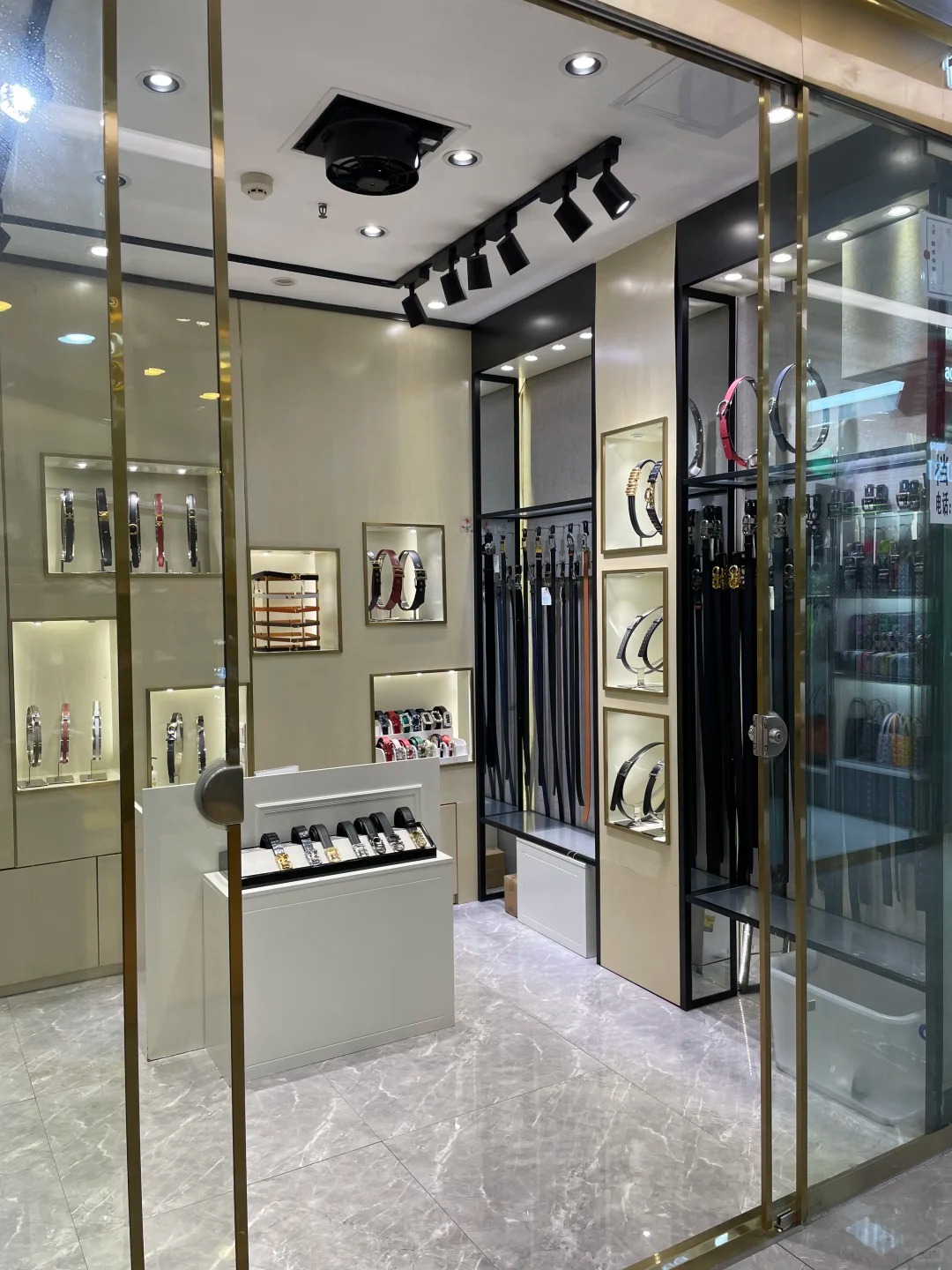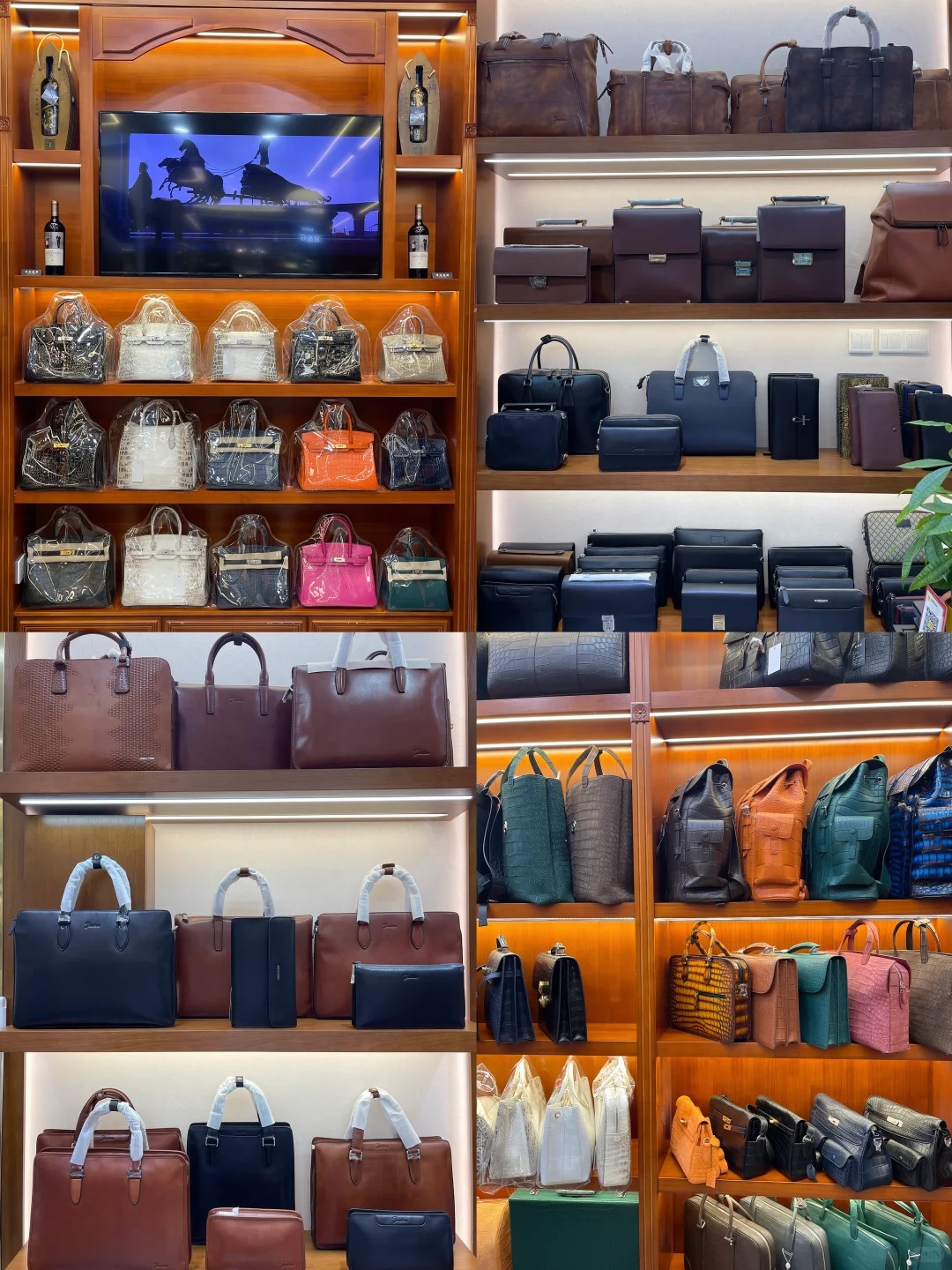

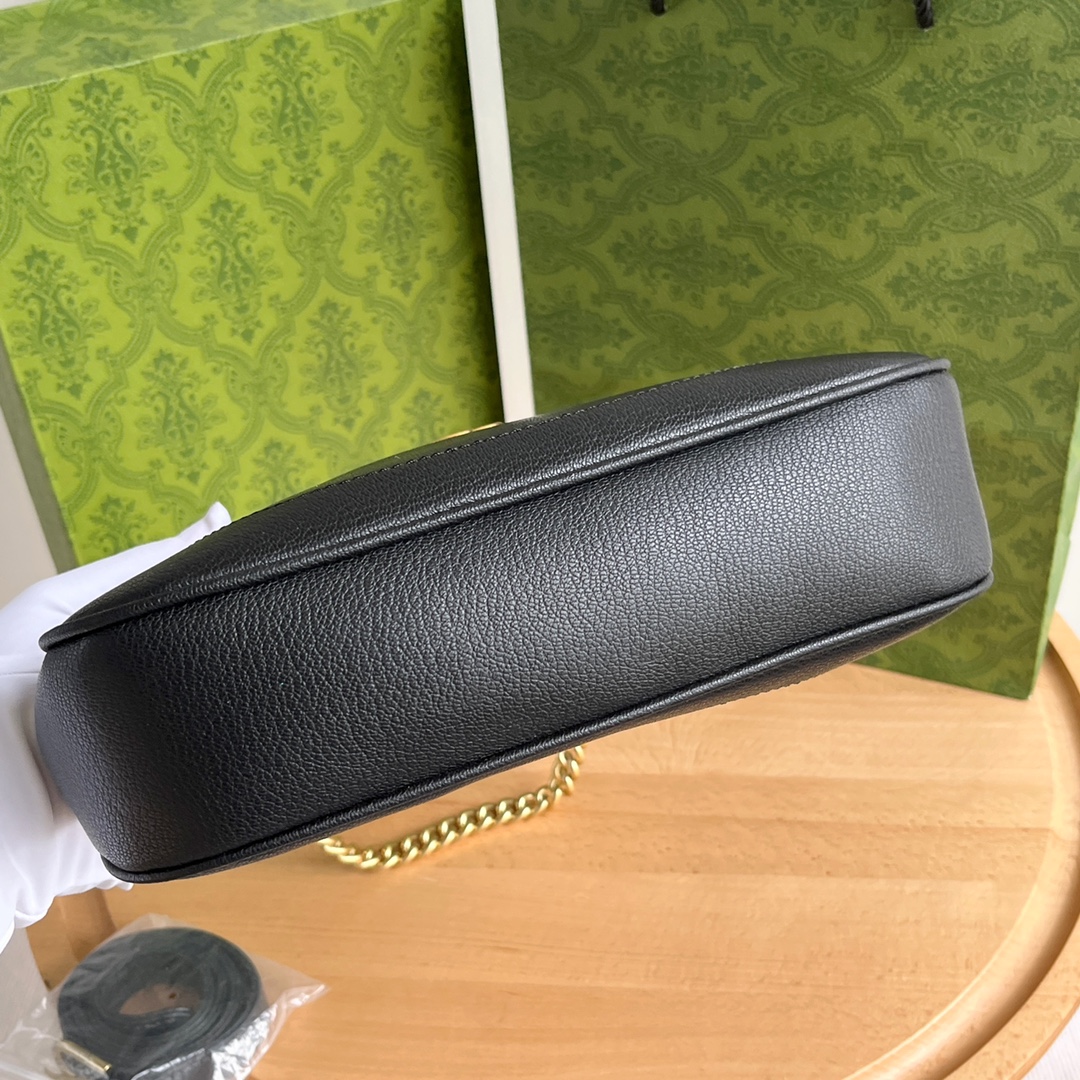
The most reliable way to buy products from China and sell in India is by sourcing directly from wholesale market stalls, where you can inspect physical samples, assess fabric quality, and check stitch work before paying. Avoid middlemen as much as possible; the real value lies in building relationships with stall owners who offer stock-ready goods and can adapt to Indian demand.
Why Wholesale Market Stalls Beat Online Sourcing
Online platforms like Alibaba are littered with traders who don’t hold inventory. In contrast, market stalls in cities like Yiwu, Guangzhou, and Shenzhen have the actual products in hand. You can touch the fabric feel, inspect the stitching precision, and negotiate on the spot. This is crucial when targeting Indian consumers, who have strong preferences for texture, color fastness, and durability.
How to Source: Step-by-Step
1. Identify Your Niche
Focus on high-demand categories in India: mobile accessories, home decor, apparel, electronics, or kitchenware. Visit Indian marketplaces like Amazon, Flipkart, and local bazaars to see what sells.
2. Choose the Right Chinese Market
- Yiwu International Trade City – Best for small commodities, toys, accessories, and home goods. Over 75,000 booths, 40% of which are direct manufacturers.
- Guangzhou – Baiyun World Leather Trade Center – Ideal for bags, belts, shoes. Focus on leather and synthetic materials.
- Huaqiangbei (Shenzhen) – Electronics hub. For mobile accessories, chargers, earphones, smart gadgets.
3. Inspect Sample Quality
Always ask for physical samples. Check seam alignment, fabric feel (look for pilling, thread count), and color matching to Pantone codes. For electronics, test functionality.
4. Negotiate Stock-Ready Terms
Stall owners often have a minimum order quantity (MOQ). For stock-ready items, MOQ can be as low as 10-50 pieces. Ask for a sample order first. Once satisfied, negotiate bulk discounts.
Understanding Fabric and Stitching for Indian Taste
Indian consumers value vibrant colors, wash resistance, and fine stitching. Chinese markets can replicate these if you specify. Bring a sample of the desired fabric or show images with color codes. Many stalls in Guangzhou have specialty fabrics from Shaoxing or Keqiao. Check seam elasticity – Indian apparel often needs stronger stitching for heavy wear.
Risks to Avoid
- Counterfeits: Avoid any stall offering “branded replicas.” These are illegal and will be seized at Indian customs. Stick to unbranded or own-brand items.
- Low-Quality Materials: Test for cheap finishes; Indian markets are price-sensitive but quality-conscious.
- Scam Agents: Many online agents list thousands of products but deliver substandard goods. Prefer visiting physical markets with a trusted interpreter.
Platforms That Help You Source
For first-time buyers, using a managed sourcing platform simplifies the process. One such platform is Soudangkou, which connects you directly with verified wholesale market stalls and offers inspection services to ensure fabric and stitching meet your standards. You can request samples and get real-time video calls with stall owners.
FAQ
| Question | Answer |
|---|---|
| What is the minimum budget to start? | Around $500–$1,000 for a small trial order from market stalls, plus shipping. |
| How do I handle shipping to India? | Use a freight forwarder who consolidates goods. Expect 15–20 days by sea; cost about $2–$5 per kg for air. |
| Do Chinese stalls accept credit cards? | Most prefer cash (USD/RMB) or Alipay. Some accept T/T or Western Union. |
| Can I get exclusive designs for India? | Yes, many stalls do OEM. Provide tech pack with color/fabric specs. |
| What customs duties apply? | Check IGST rules; common items have 18–28% duty. Use HSN code 8443 for electronics, etc. |
| Is it better to visit or buy online? | Visit at least once to build relationships. After trust is built, you can order remotely with video verification. |
| How do I verify a stall’s credibility? | Check their business license, walk-in orders volume, and ask for references from other Indian buyers. |
Final Tips
Start small. Visit China with a clear list of products you want, carry cash, and use translation apps. Focus on stock-ready items to avoid MOQ headaches. Negotiate a free sample or paid sample to test the Indian market before bulk orders. Remember, the Chinese market stall ecosystem rewards personal rapport – so smile, be polite, and come prepared with questions about thread count and GSM.
广州服装档口相关入口
继续查看相关市场和品类入口,方便对比档口微信、货源范围、拿货方向和试单前需要核实的信息。