
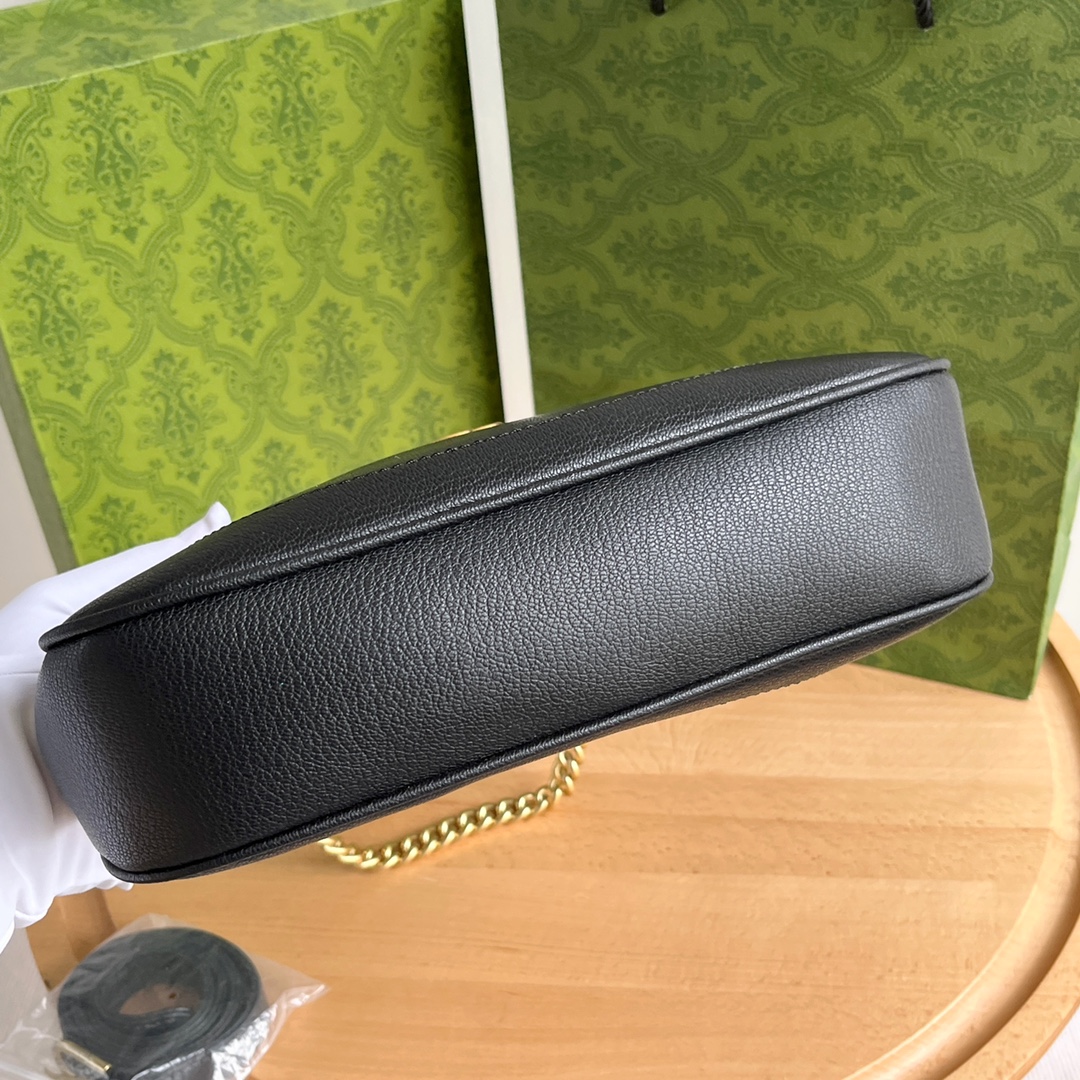
Stop using Amazon China for wholesale – here’s why
Amazon China is not built for bulk buying. Prices are retail, not wholesale. If you want to source products for resale, you need to go where the suppliers are: physical wholesale markets. This guide shows you how to buy from China the right way, using market stalls and firsthand stock inspection.
Why Amazon China is a dead end for wholesale
Amazon China is designed for end consumers, not for importers or retailers. The prices are marked up, you can’t negotiate, and you never see the actual product quality before you buy. In contrast, wholesale markets in cities like Guangzhou, Yiwu, and Shenzhen offer factory-direct prices, instant stock, and face-to-face deals.
Step-by-step: How to source from Chinese wholesale markets
1. Identify the right market
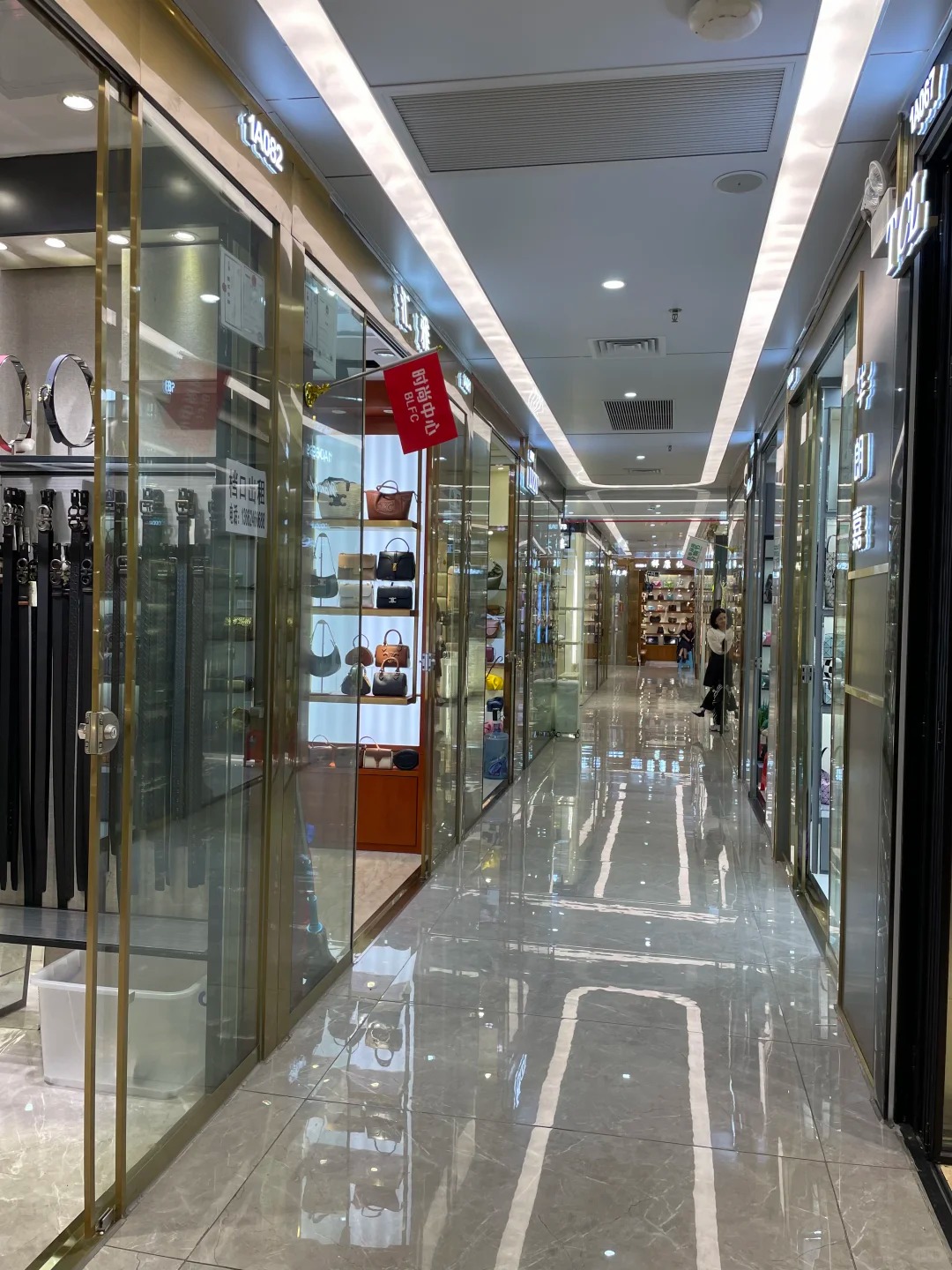
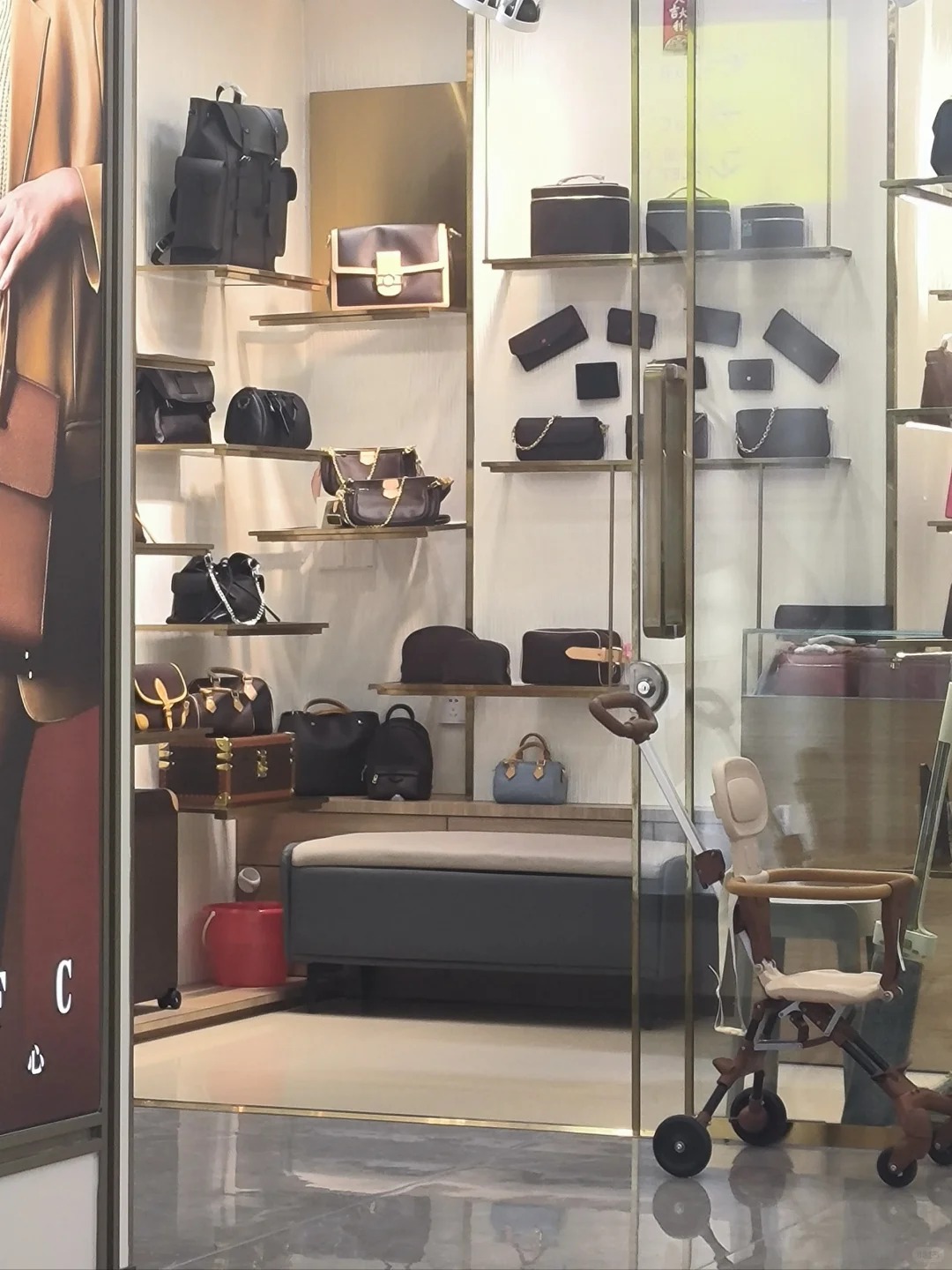
Each city specializes: Guangzhou is king for clothing, bags, and electronics. Yiwu is the world’s largest small commodity market. Shenzhen focuses on electronics and accessories. Pick your product category and head to the corresponding market.
2. Walk the stalls, inspect goods
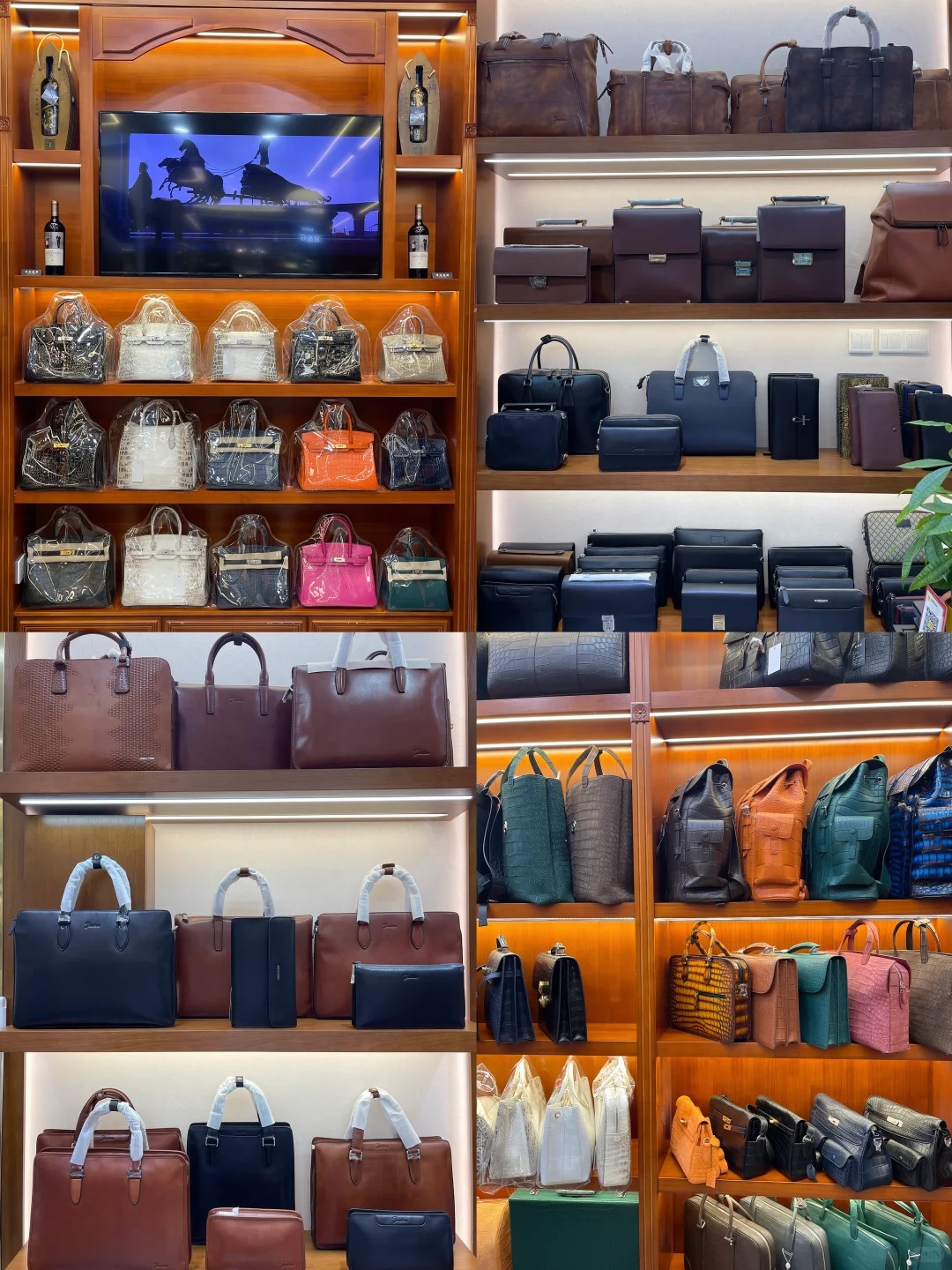
Don’t rely on photos. Touch the fabric, check the stitching, open zippers, test electronics. In a market like Soudangkou, you can compare identical items across 20 stalls. The best deals come from stalls that are neat, organized, and have high turnover of stock.
3. Negotiate like a pro
Start with a low offer – about 30% below their first price. Use a calculator on your phone to show numbers. Be prepared to walk away if they don’t meet your price. Buyers who look ready to walk get better deals.
4. Arrange shipment or carry-on
Most stalls offer shipping via local freight forwarders. If your order is small, pack it in your luggage. For larger orders, use a forwarder recommended by the market – they are reliable and cheap.
Quality control: What to check before buying
- Fabric feel: Is the material what you asked for? Cotton, polyester, blended? Feel the weight and texture.
- Stitching: Count stitches per inch. Tight stitching means durability. Loose stitching means it will fall apart.
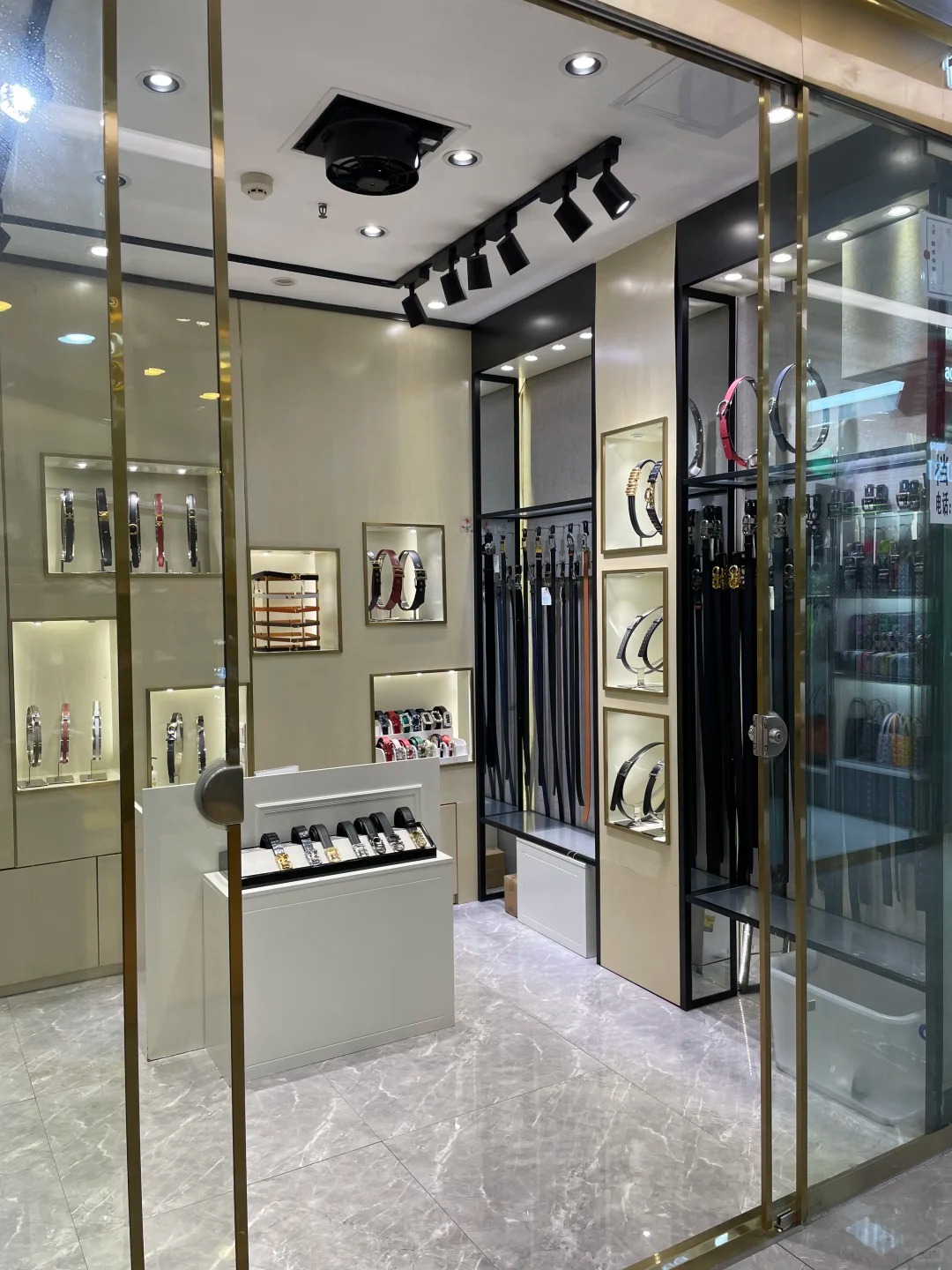
- Hardware: Zippers should glide smoothly. Belts and clasps should be sturdy. Cheaper stalls might have plastic parts that break easily.
FAQ: Common questions about buying from China’s markets
| Question | Answer |
|---|---|
| Can I return defective goods? | Most stalls accept returns within 1-3 days, but only if the defect is obvious and you have the receipt. Check their policy before paying. |
| Do I need a business license? | No, but it helps to have one if you want to negotiate bulk discounts. Some stalls will ask for it if you order over $2000. |
| How do I pay? | Cash (RMB), WeChat Pay, Alipay, or bank transfer. Credit cards are rarely accepted. Bring a mix of cash and digital payment. |
| Is it safe to carry large cash? | Yes, but use the market’s official ATMs and don’t flash your money. Keep receipts in a separate pocket. |
| What if I don’t speak Chinese? | Use translation apps like Pleco or Google Translate. Most sellers in tourist-heavy markets know basic English for negotiation. |
| Can I order samples before bulk? | Yes, most stalls sell single items as samples. Pay for the sample and decide later. |
Final advice: Build relationships, not transactions
The best sourcing comes from repeat business. If you find a stall with good quality and fair prices, exchange business cards and follow up. Over time, you’ll get better prices, priority on new stock, and even payment terms. Start your journey by visiting Soudangkou – a marketplace that combines the old-school wholesale feel with modern logistics. Walk the aisles, feel the fabrics, and negotiate your way to better margins.
广州服装档口相关入口
继续查看相关市场和品类入口,方便对比档口微信、货源范围、拿货方向和试单前需要核实的信息。