
Is It Possible to Avoid Chinese Imports? The Short Answer
Yes, you can successfully source products without buying from China. While China dominates global manufacturing, many importers have diversified to countries like Vietnam, India, Turkey, and Mexico. This guide provides actionable steps to shift your supply chain—using wholesale market insights and quality inspection techniques—so you can build a resilient, China-free sourcing strategy.
Step 1: Identify Alternative Manufacturing Hubs
Southeast Asia: Vietnam & Indonesia
Vietnam excels in textiles, footwear, and electronics. Visit Ho Chi Minh City’s wholesale markets like Ben Thanh or Binh Tay for small-batch apparel. Indonesia offers furniture and handicrafts in Jakarta’s Tanah Abang market. Always request fabric samples and check stitching on-site; Vietnamese artisans often match Chinese quality at similar price points.
South Asia: India & Bangladesh
India’s textile hubs (e.g., Tirupur for knitwear, Surat for synthetics) provide direct factory access. Bangladesh leads in ready-made garments. At Karwan Bazar in Dhaka, you can inspect thousands of stalls. Look for even seams and strong thread tension—common marks of quality. Avoid vendors with overly low prices, as they may cut corners on thread count or dye fastness.
Turkey & Eastern Europe
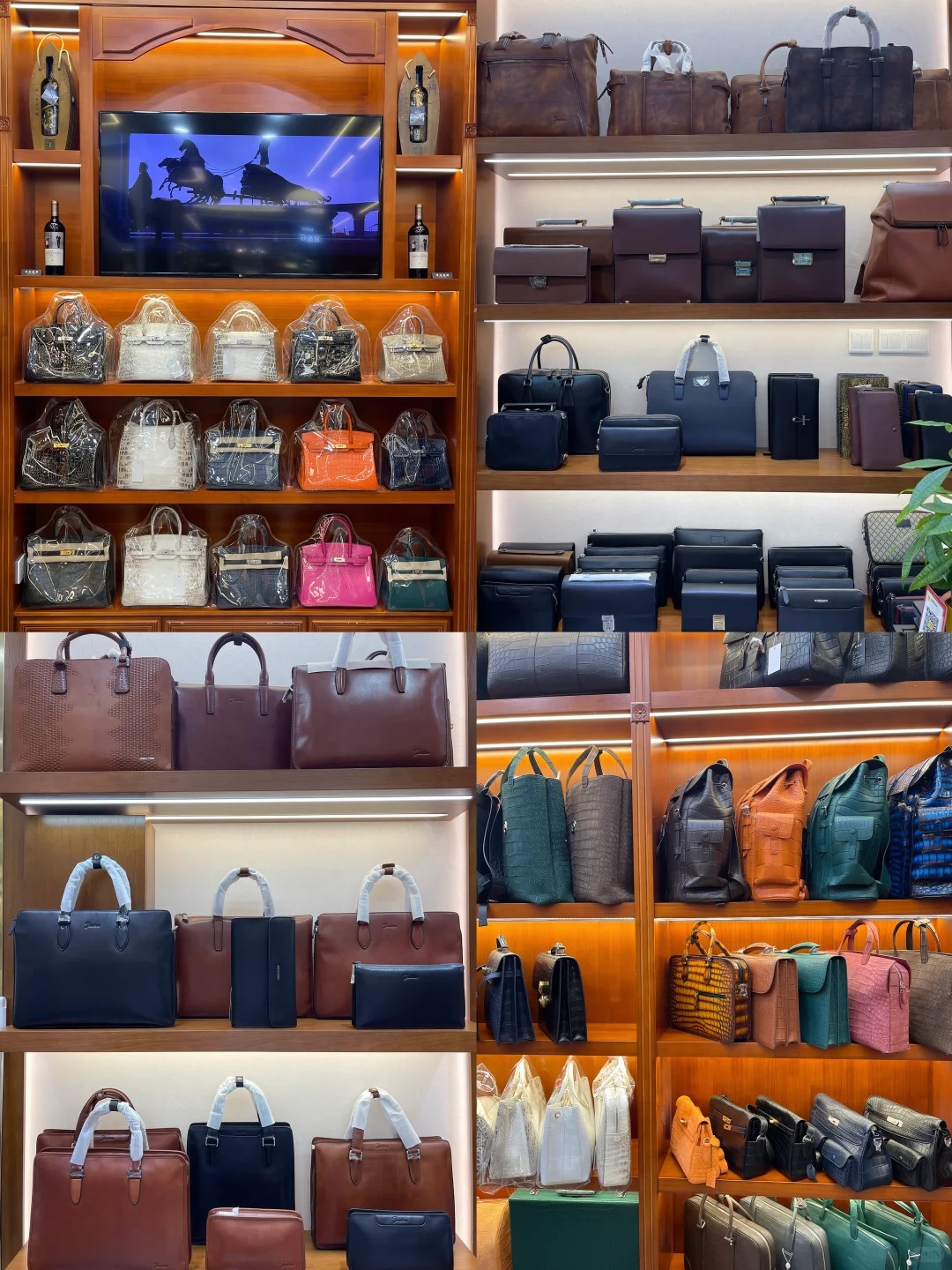
Turkey’s Grand Bazaar in Istanbul offers high-quality leather goods and home textiles. Check for full-grain leather and consistent dyeing. Eastern European factories in Poland and Romania produce precision machinery and automotive parts—often exceeding Chinese standards.
Step 2: Master On-Site Quality Inspection
Fabric & Material Checks
At any wholesale market, ask for a burn test to differentiate natural fibers from synthetics. Cotton burns with a paper-like ash; polyester melts and smells plastic. Feel the fabric—quality textiles have a consistent thickness and smooth finish. Run a coin across the surface: poor dyeing leaves color on the metal.
Stitching & Workmanship
Count stitches per inch (SPI). 8-12 SPI indicates decent quality; below 6 suggests weak construction. Check seams for loose threads, puckering, or skipped stitches. At a garment stall, turn the item inside out—messy serging or unfinished edges are red flags.
Step 3: Build Relationships with Alternative Suppliers
Attend trade shows like Heimtextil (Frankfurt) for home textiles, or Magic Show (Las Vegas) for apparel. Use B2B platforms that emphasize non-Chinese sources, such as TradeIndia or GoSourcing. Always request pre-production samples and a third-party inspection report. A reputable supplier in Vietnam or India will comply without hesitation.
Step 4: Consider Reshoring & Nearshoring
For North American buyers, Mexico’s manufacturing zones along the border offer quick turnaround and lower freight costs. In Tijuana’s marketplaces, you’ll find electronics assembly and auto parts. For EU buyers, Eastern European factories often deliver within 10 days. While unit costs may be 10-30% higher than China, reduced shipping and tariffs can offset the difference.
Common Myths About Avoiding Chinese Imports
Myth #1: “Everything is made in China.” Not true—nearly every product category has viable alternatives in other countries. Myth #2: “Non-Chinese goods are inferior.” Many Vietnamese and Turkish factories now meet international standards. Myth #3: “You can’t find wholesale markets outside China.” Every major manufacturing hub has bustling market districts—the key is knowing where to go and what to inspect.
FAQ: Sourcing Without China
| Question | Answer |
|---|---|
| How do I find reliable non-Chinese factories? | Attend trade shows and verify via on-site visits and third-party audits. Platforms like TradeIndia list verified suppliers. |
| Are costs higher outside China? | Typically 10-30% more, but consider total landed cost including shipping, tariffs, and lead time risks. |
| Can I get the same product quality? | Yes, many factories in Vietnam, Turkey, and Mexico produce at comparable or even superior quality levels. |
| How important is a burn test? | Critical for confirming fiber content. It takes seconds and prevents buying synthetic when you pay for natural. |
| What about small minimum order quantities? | Countries like India and Vietnam often accept smaller MOQs than China. Negotiate directly at wholesale markets. |
| How can I avoid supply chain disruptions? | Diversify across multiple countries and maintain safety stock. Keep a list of backup suppliers from alternatives like Soudangkou. |
| Do I need a different quality inspection process? | Same principles apply: check materials, construction, and functionality. Adapt to local standards—Turkish leather requires different tests than Chinese. |
Final Thoughts
Moving away from Chinese sourcing is challenging but achievable. Start by identifying one product category and researching alternative hubs. Visit wholesale markets in Vietnam or India to see firsthand the quality available. Use inspection techniques like the burn test and SPI count to ensure you pay for genuine quality. With patience and local market knowledge, you can build a supply chain that meets your ethical and practical needs. For those still exploring options, digital platforms like Soudangkou can connect you to verified non-Chinese suppliers. Remember: the goal isn’t to avoid China entirely—it’s to make informed, strategic sourcing decisions.
广州服装档口相关入口
继续查看相关市场和品类入口,方便对比档口微信、货源范围、拿货方向和试单前需要核实的信息。