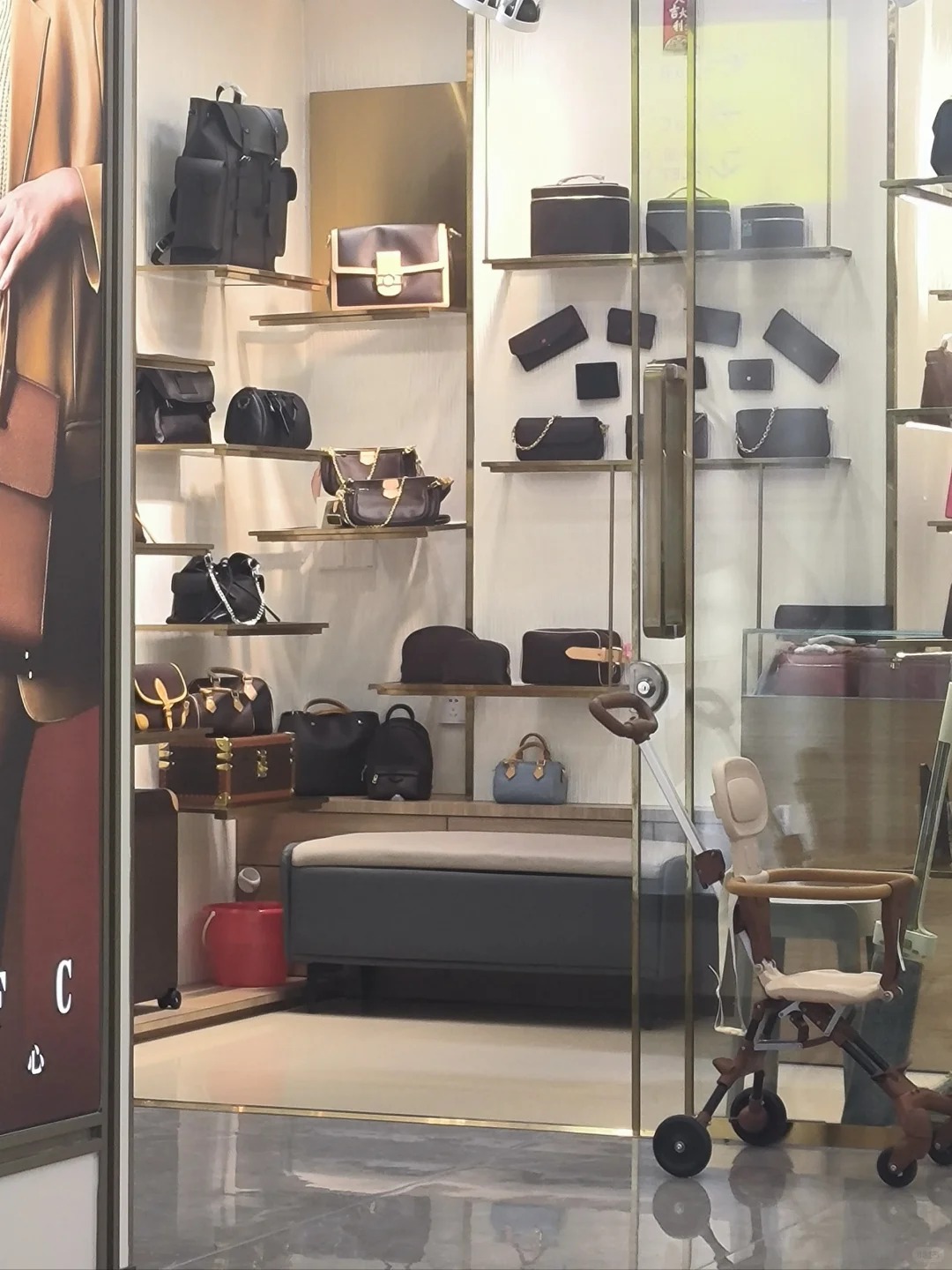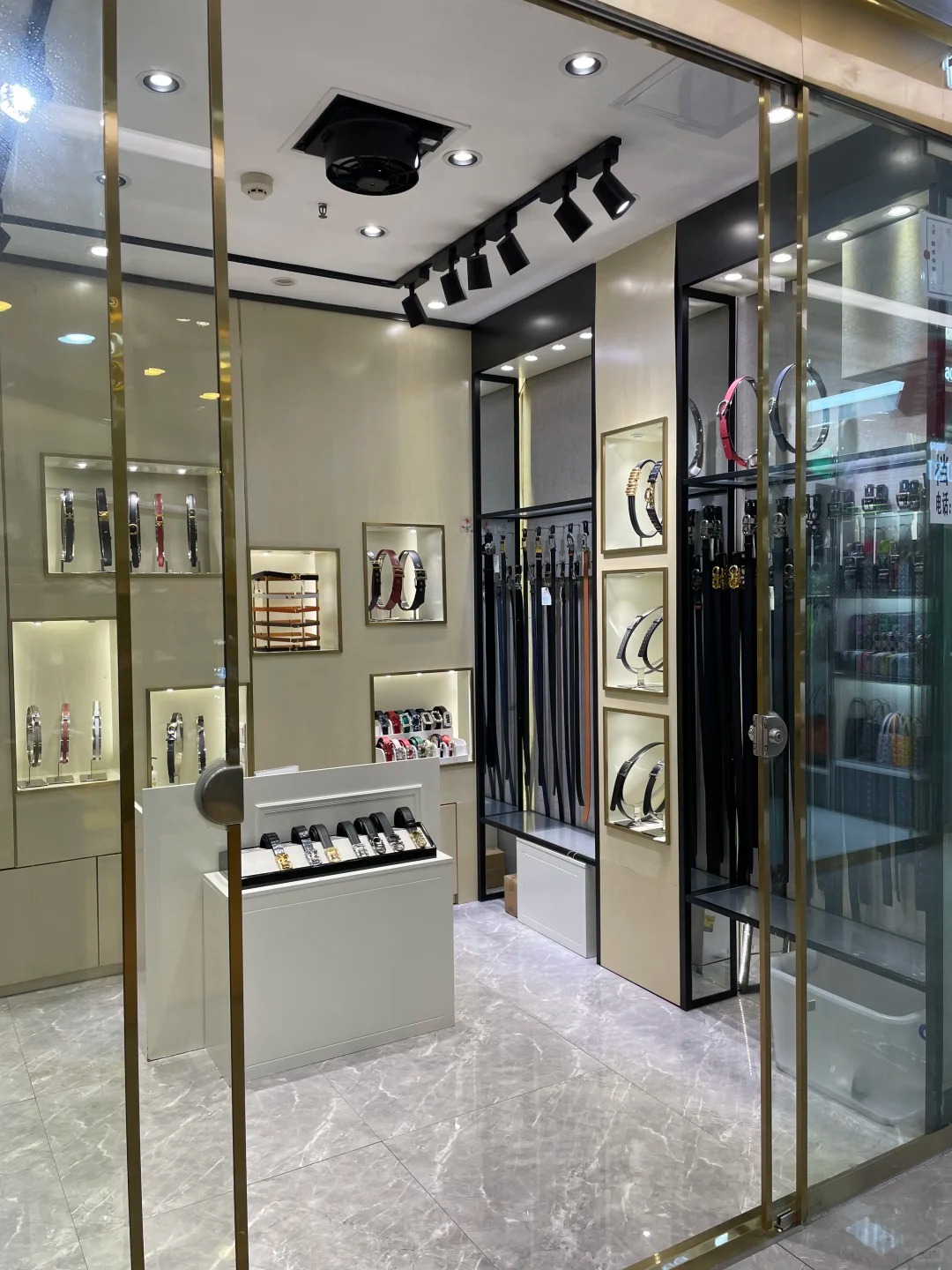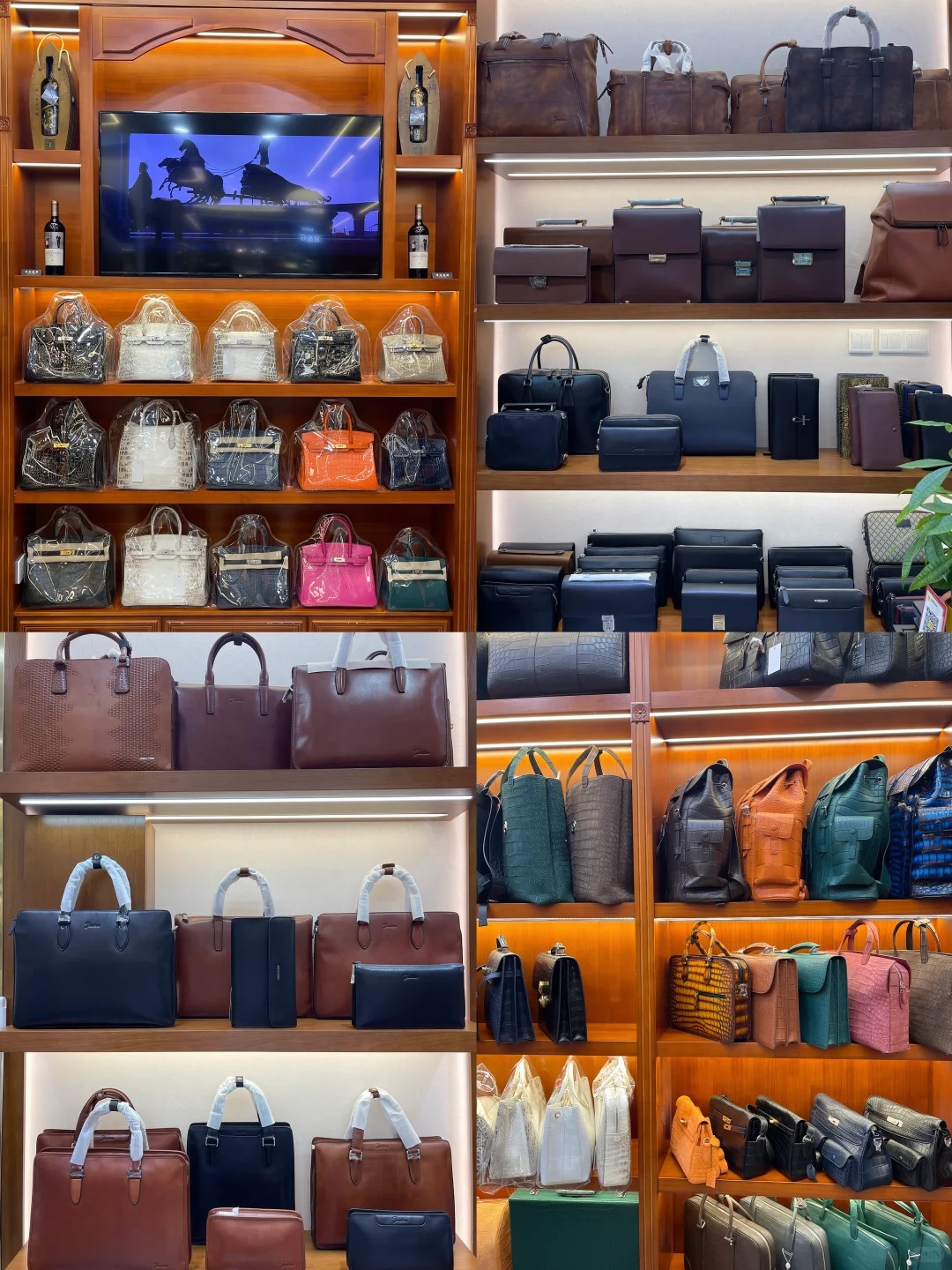

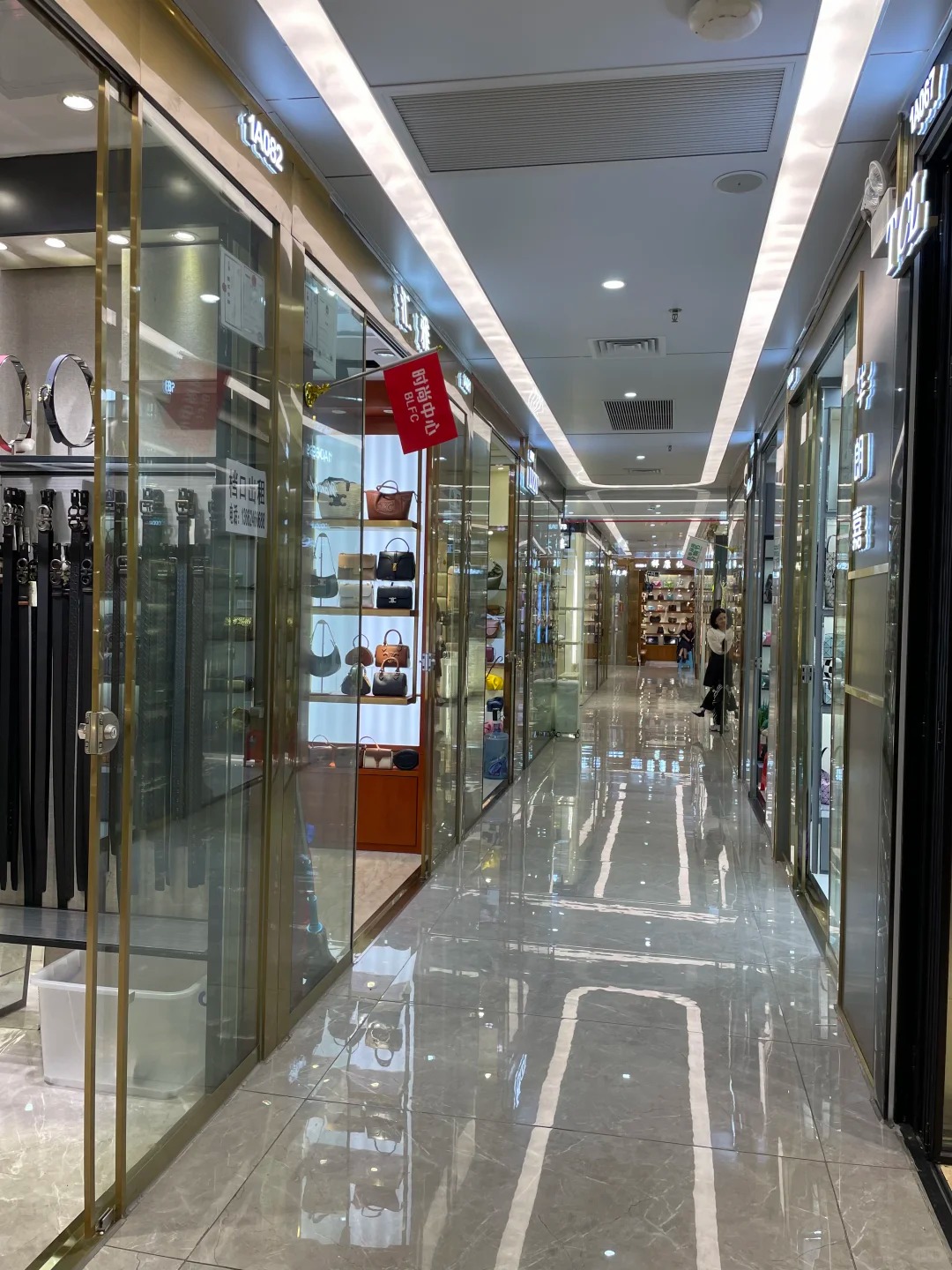
The direct answer: If you want to avoid buying from China, focus on local wholesale markets, prioritize in-person inspections, and build relationships with regional suppliers. Look for stalls that offer immediate stock pickup—you can check fabric texture, stitching, and weight on the spot. This guide dives into the nitty-gritty of getting hands-on quality without relying on Chinese imports.
Key Strategies for Avoiding China Sourcing
1. Leverage Local Wholesale Markets
Visit physical wholesale districts in your country. For instance, in many cities, there are concentrated zones for apparel or electronics. Walk the aisles, feel the materials, and negotiate directly. This eliminates shipping delays and customs issues.
2. Master the Art of Spot Checking
When you’re at a market stall, don’t just look—touch. Run your fingers along the seams to feel for loose threads or uneven tension. Check the fabric’s drape and weight against known standards. A quick fold test can reveal polyester blends vs. pure cotton. For electronics, test buttons, ports, and battery life on sample units.
3. Ask Direct Questions
Politely ask: “Can I see the production batch from last week?” or “Do you have extra stock in the back?” This reveals if they’re a middleman or true stockist. Reliable wholesalers can show you multiple units from the same lot, proving consistency.
4. Use Time-Tested Sourcing Websites
Platforms like Soudangkou can provide alternative search filters—set your location to domestic only. But remember, the best deals often happen offline.
Wholesaler Red Flags & Green Lights
Red Flags
- Vague about stock location
- Only shows pre-packaged samples
- Rushes the transaction
- Fabric feels rough or smells chemical
Green Lights
- Open access to full inventory
- Allows mix-and-match from shelves
- Clearly marks prices per piece
- Stitches are even, fabric prints align
Quick Reference: DIY Quality Checklist
| Item | What to Check | Why It Matters |
|---|---|---|
| Garments | Seam strength, color fastness | Indicates durability and wash endurance |
| Shoes | Sole flexibility, adhesive smell | Cheap glue can cause sole separation |
| Electronics | Button tactile response, screen brightness | Shows assembly quality |
Frequently Asked Questions
| Question | Answer |
|———-|——–|
| Can I completely avoid Chinese goods? | Rare, but you can shift to local producers. Many wholesale market stalls now stock domestic or imported goods from other countries. |
| How do I verify a wholesaler isn’t reselling Chinese products? | Check for brand labeling, ask for origin documents, and inspect packaging language. |
| Is it more expensive to buy locally? | Often yes, but you save on shipping and potential returns. Plus, you can negotiate bulk discounts face-to-face. |
| What if I need large quantities? | Local wholesale markets may offer tiered pricing. Ask for “case” or “pallet” discounts. |
| How can I find reliable stalls? | Visit established wholesale districts, talk to other buyers, and check online reviews on Soudangkou. |
Bottom Line
Avoiding China isn’t about refusing all imports—it’s about being smart. Hit the pavements, inspect every piece, and build trust with local wholesalers. Your hands are your best tools. Drop by sites like Soudangkou for curated lists of local stalls, but nothing beats the real deal: touching the fabric yourself.
广州服装档口相关入口
继续查看相关市场和品类入口,方便对比档口微信、货源范围、拿货方向和试单前需要核实的信息。