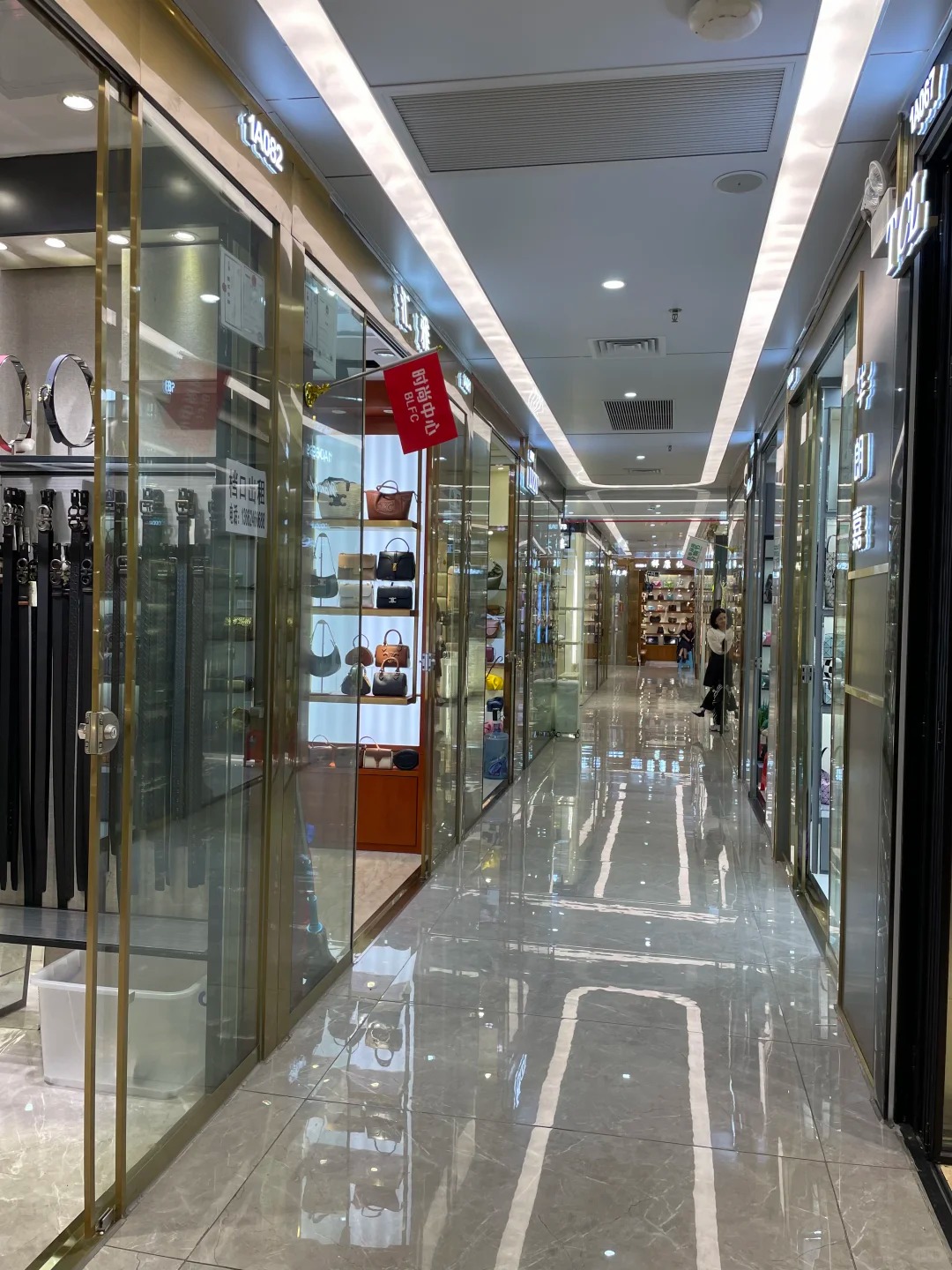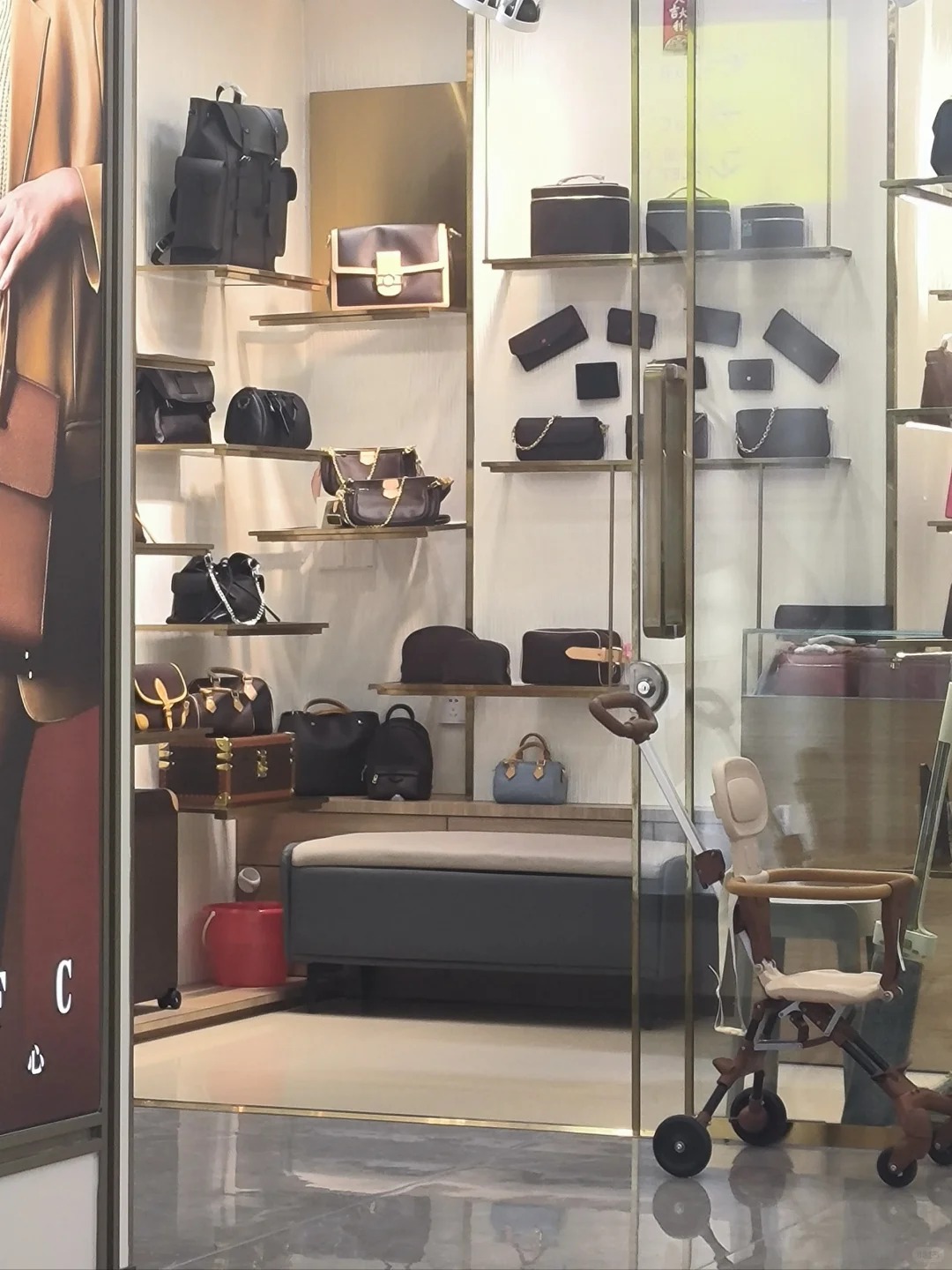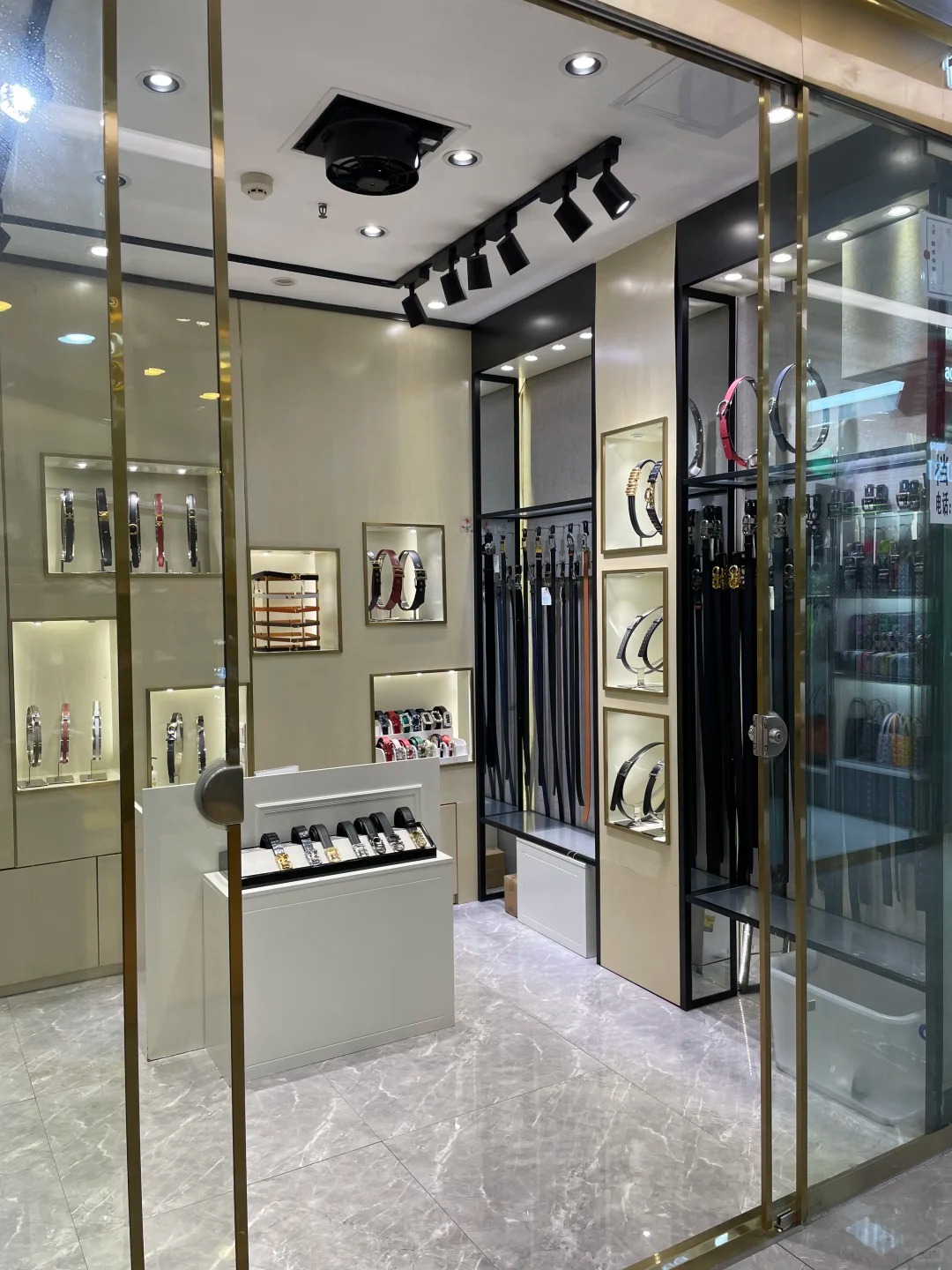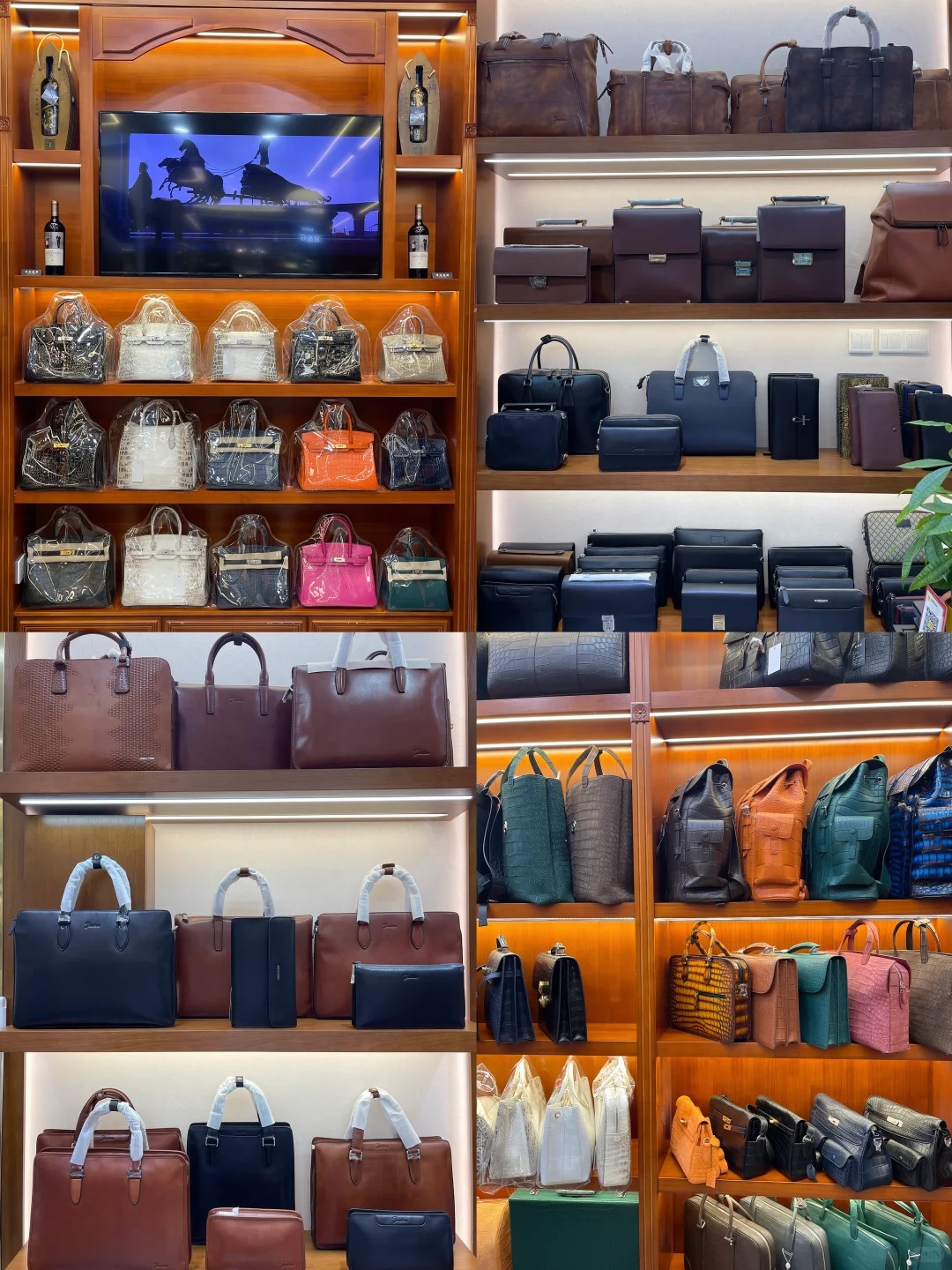

Stop buying from China cold turkey is risky for most wholesalers. Instead, diversify your supply chain strategically: reduce dependency on Chinese imports by sourcing locally or from other low-cost countries, but keep China as a competitive lever. Many businesses want to exit China due to tariffs, geopolitical tensions, or ethical concerns. The trick isn’t to cut off completely—it’s to build alternatives while maintaining your margin and quality.
Why Quitting China Isn’t Simple
China dominates global manufacturing for a reason: scale, speed, and cost. For a wholesale market stall owner, a sudden switch could mean higher prices, longer lead times, or inconsistent quality. The key is to replace Chinese suppliers with equally reliable sources, not just any random producer.
Realistic Steps to Reduce China Dependency
1. Source Locally First
Check domestic textile districts, garment hubs, or regional factories. In the US, for example, Los Angeles Fashion District offers quick-turnaround production for small batches. In Europe, Portugal and Turkey are strong for knits and denim. Visit physical wholesale markets like Soudangkou to see fabric feel and stitch quality firsthand.
2. Audit Your Current Chinese Suppliers
Some factories in China are transparent and compliant. Instead of leaving them, ask for certifications (BSCI, OEKO-TEX) and visit their site. If they meet your ethical standards, it may be better to stay than to start from zero elsewhere.
3. Test Alternatives in Vietnam, Bangladesh, or India
These countries offer competitive pricing for basics (t-shirts, denim, shoes). But watch out: infrastructure and communication might lag. Always order samples before bulk. Check seam strength and fabric feel—don’t rely on photos.
| Question | Answer |
|———-|——–|
| Can I replace all Chinese supply in 6 months? | Unlikely for complex goods; start with simple categories. |
| What’s the best alternative to Chinese manufacturing? | Depends on product—Vietnam for footwear, Bangladesh for garment basics. |
| Will costs be higher? | Initially yes, but volume can bring them down. Focus on total cost including lead time. |
| How do I verify quality without visiting? | Request production videos, third-party inspections, and reference checks. |
| Is it ethical to leave China? | Ethics vary; thorough due diligence matters more than origin. |
| What about shipping delays from other countries? | Plan longer lead times—2-3 months for first orders from new sources. |
| Can I keep China as backup? | Yes, maintain a small relationship to avoid supply shocks. |
How to Switch Without Losing Shirt
Start with one SKU or category you know well. Compare landed cost (production + shipping + duties) not just unit price. Visit trade shows like Canton Fair (still in China) or regional ones in your target country. At Soudangkou, you can see actual stallholders and touch fabrics—smart for any market vendor.
When It’s Smart to Keep Buying from China
For fast fashion or items with complex details, China’s speed is unmatched. Instead of stopping, focus on better supplier relationships. A hands-on visit to wholesale market stalls—like those on Soudangkou—can reveal who’s reliable. Check thread tension and pocket stitching; those details separate mediocre from pro.
Final Takeaway
Stop buying from China only if you have a solid alternative that matches your quality, cost, and lead time needs. Most savvy wholesalers diversify but keep a Chinese foot in the door. Use local market visits and sample checks to protect your business.
广州服装档口相关入口
继续查看相关市场和品类入口,方便对比档口微信、货源范围、拿货方向和试单前需要核实的信息。