
Can You Really Avoid Chinese Products? Here’s the Truth
The short answer: it’s easier said than done. China manufactures over 70% of the world’s consumer goods, from electronics to apparel. But if you’re determined to buy non-Chinese made items, here’s how to spot them—and why going directly to wholesale markets like Soudangkou can help you verify origins.
Check Labels and Certifications
The most straightforward way is to look at the “Made in” tag. However, many products are assembled in other countries using Chinese components. Look for items labeled “Made in Vietnam,” “Made in Bangladesh,” or “Made in Portugal.” Certifications like OEKO-TEX or BSCI can also hint at non-Chinese supply chains.
Focus on Material and Craftsmanship
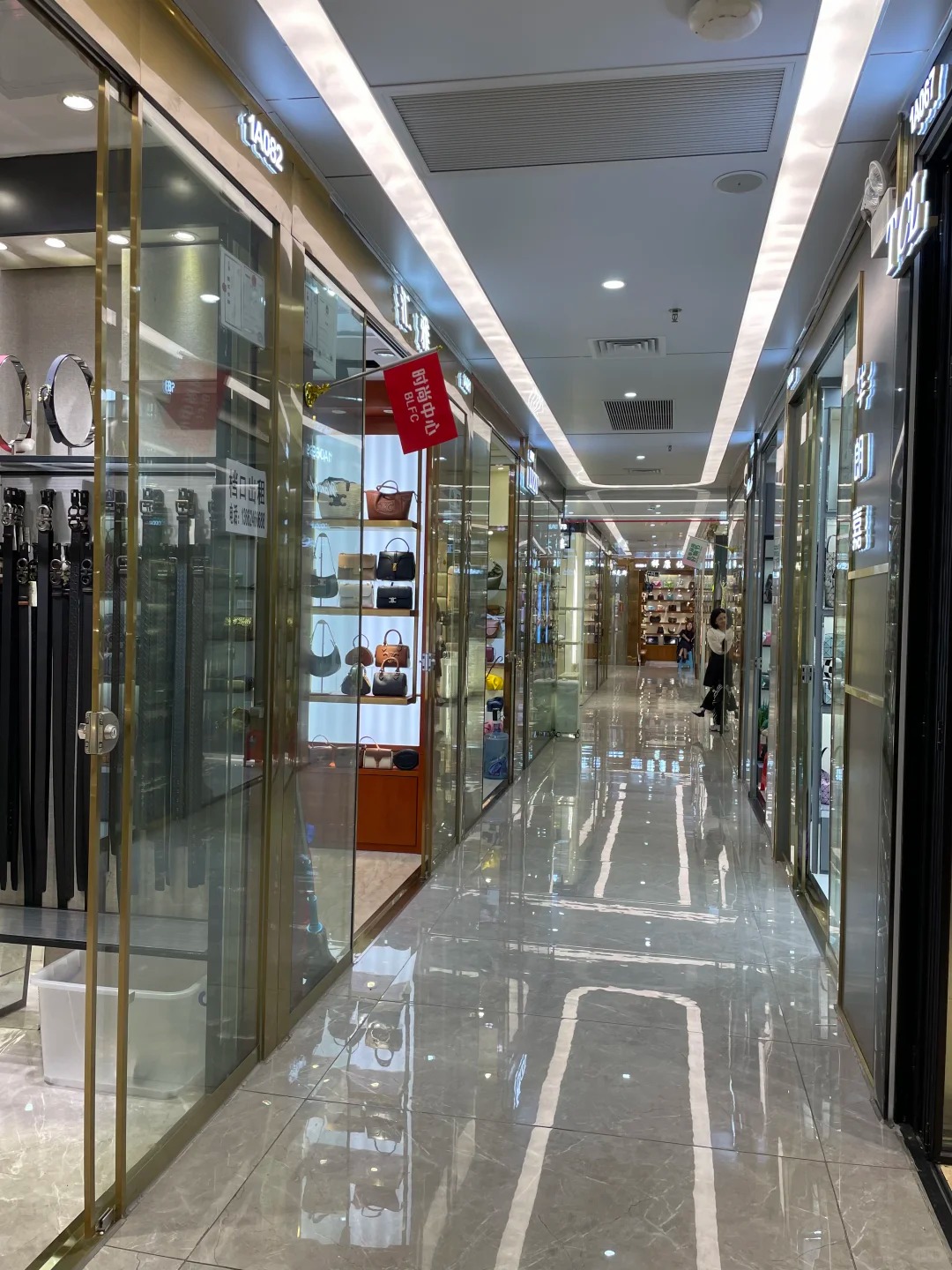
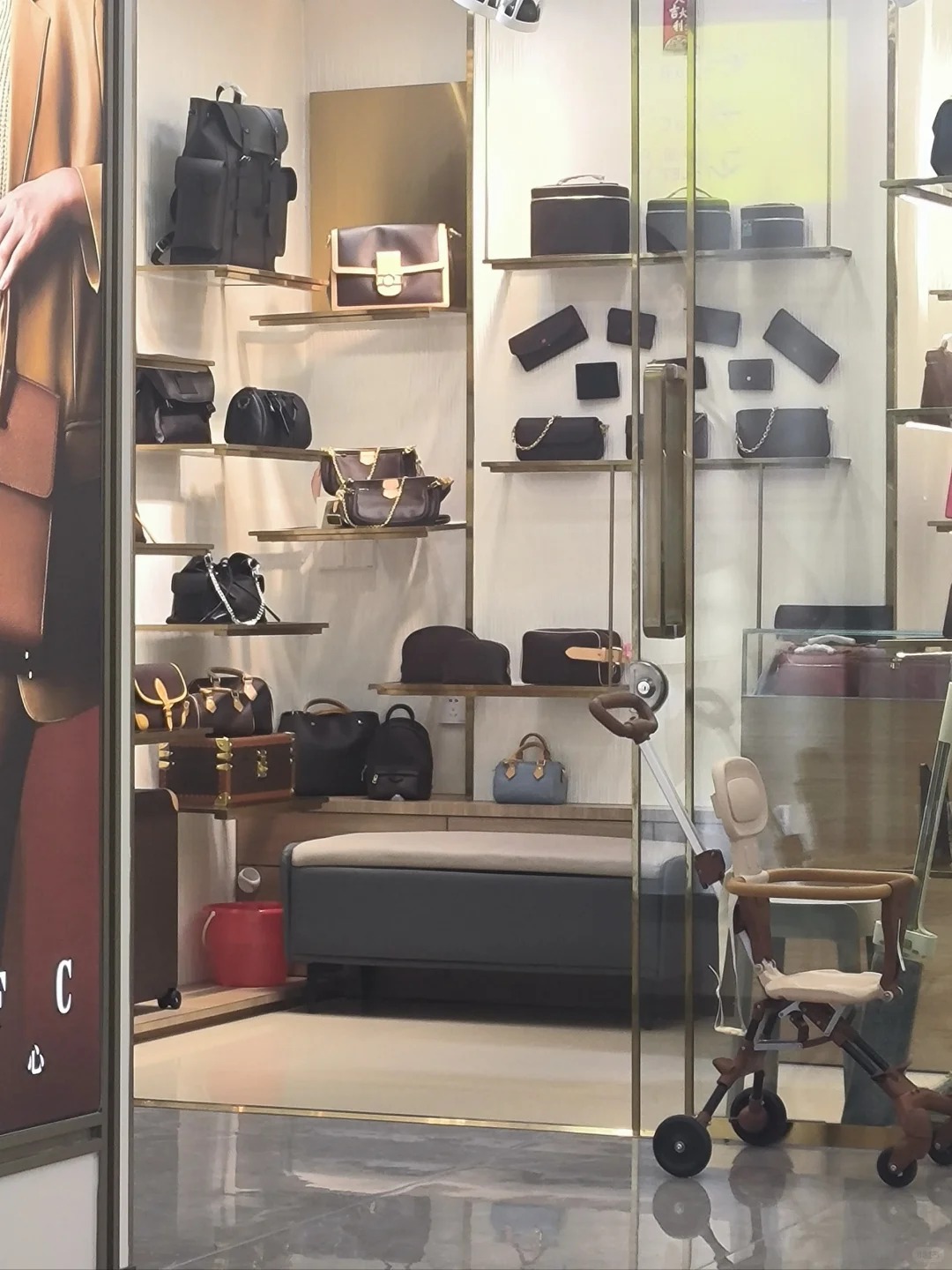
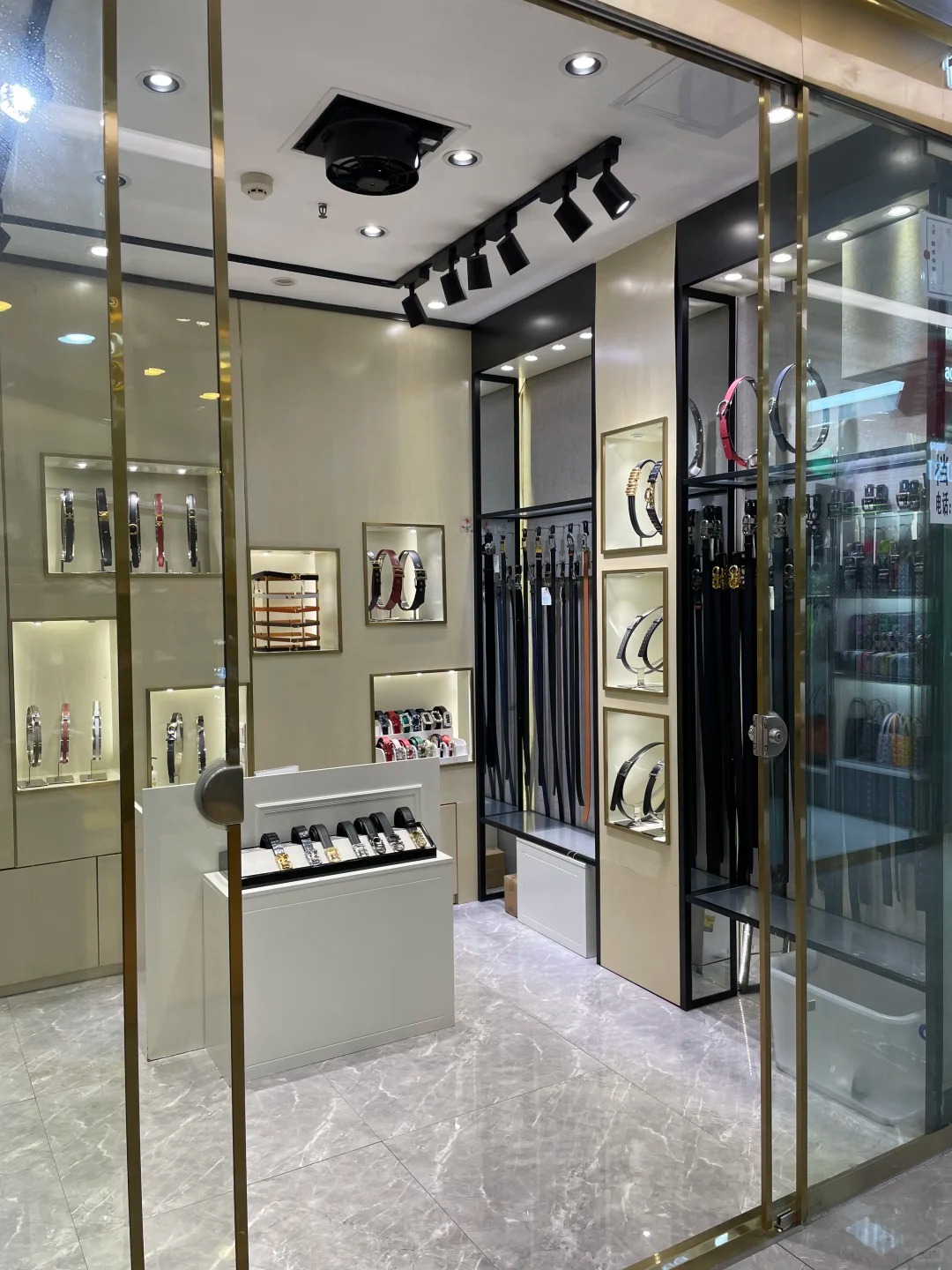
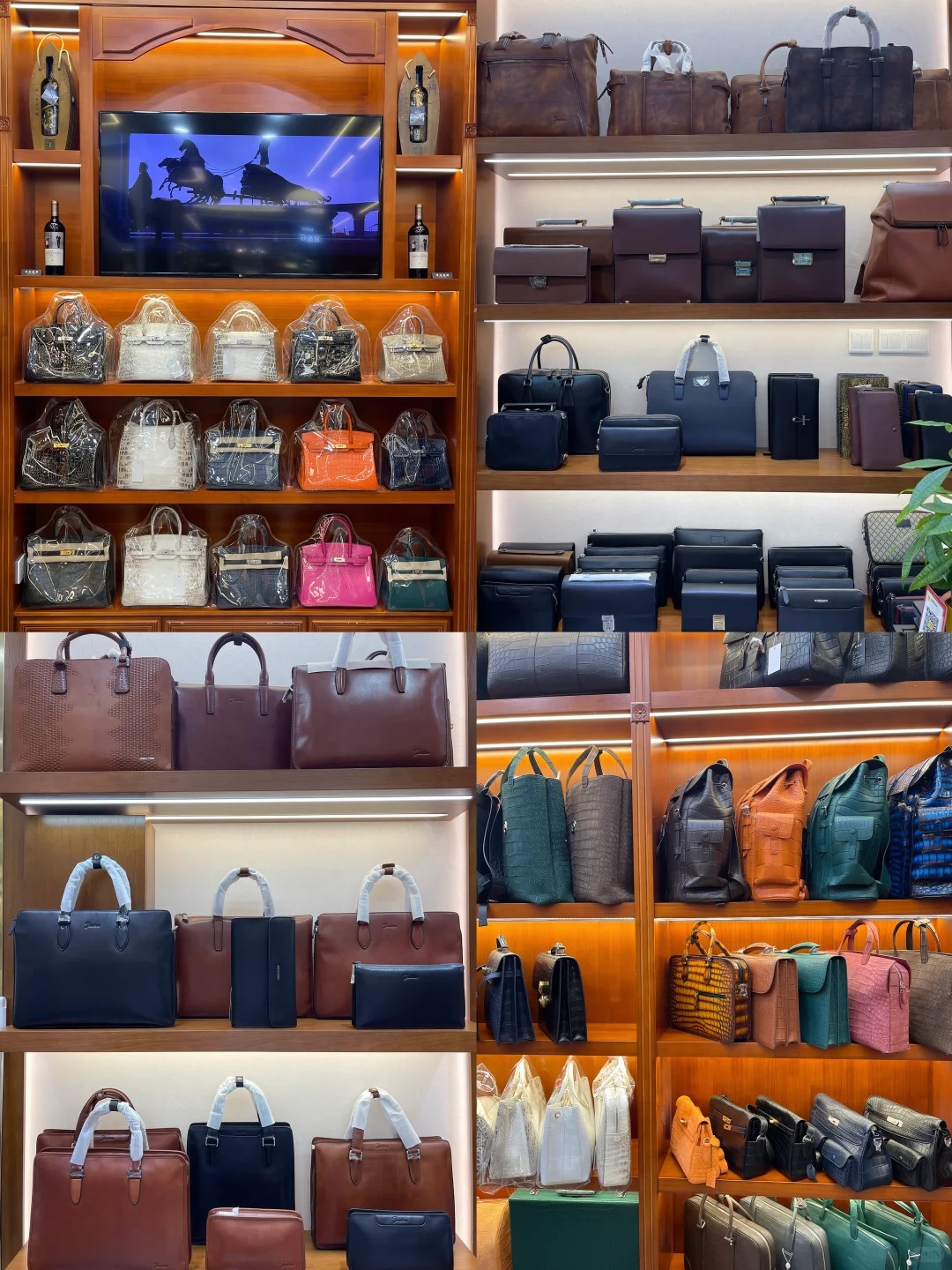
Chinese factories often use specific blends (like polyester-cotton) and finishing techniques. For example, genuine Italian leather has a distinct grain and smell. At wholesale markets, you can feel the fabric and examine stitching. Soudangkou’s stalls often showcase samples—ask to see the inner seams. If they are poorly finished or use synthetic lining, it’s likely Chinese-made.
Buy Pre-Owned or Vintage
Secondhand items were often made before mass production shifted to China. Thrift stores and eBay can yield clothing from the ’80s made in the USA or Japan. For new goods, seek out small artisanal brands in countries like Turkey, India, or Mexico.
Use Online Filters and Directories
Platforms like Etsy allow you to filter by country of origin. Google Shopping also has a “country of origin” filter. But be careful—many sellers mislabel. Cross-check with reviews and ask directly.
FAQ
| Question | Answer |
|---|---|
| Are all Chinese products low quality? | No. China produces high-quality items too, but the goal here is to avoid them entirely for personal preference. |
| Is it possible to buy electronics not made in China? | Rarely. Most electronics have Chinese components. Look for brands that assemble in South Korea or Taiwan. |
| How can I verify a product’s origin at a wholesale market? | Ask the stall owner for the bill of lading or factory audit report. Many are transparent about sourcing. |
Remember, avoiding Chinese goods requires diligence. But by checking labels, focusing on craftsmanship, and using trusted platforms like Soudangkou, you can make informed choices. Happy hunting!
广州服装档口相关入口
继续查看相关市场和品类入口,方便对比档口微信、货源范围、拿货方向和试单前需要核实的信息。