
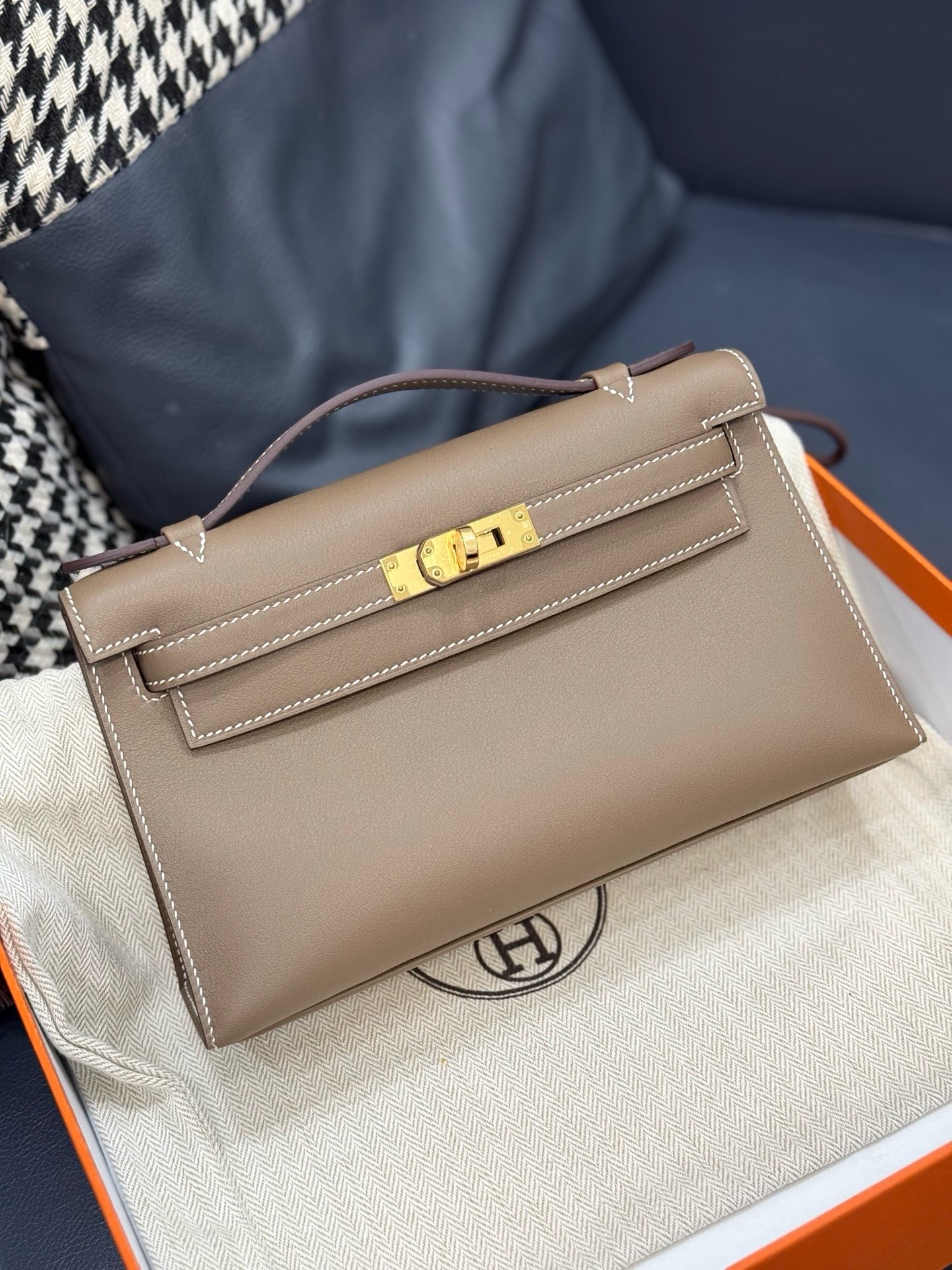
Why Your Prada Bag Says Made in China
Your Prada bag says ‘Made in China’ because it was crafted in Chinese factories—and that’s a good thing. China is not just the world’s factory; it’s the world’s luxury workshop. Many high-end brands, including Prada, have long used Chinese supply chains for leather tanning, stitching, and assembly. The label reflects the final manufacturing location, not the brand’s authenticity or quality. In fact, some of the finest leather goods are produced in Chinese facilities that also supply to top Italian brands.
Wholesale Market Insiders: What to Look For
Leather Texture and Grain
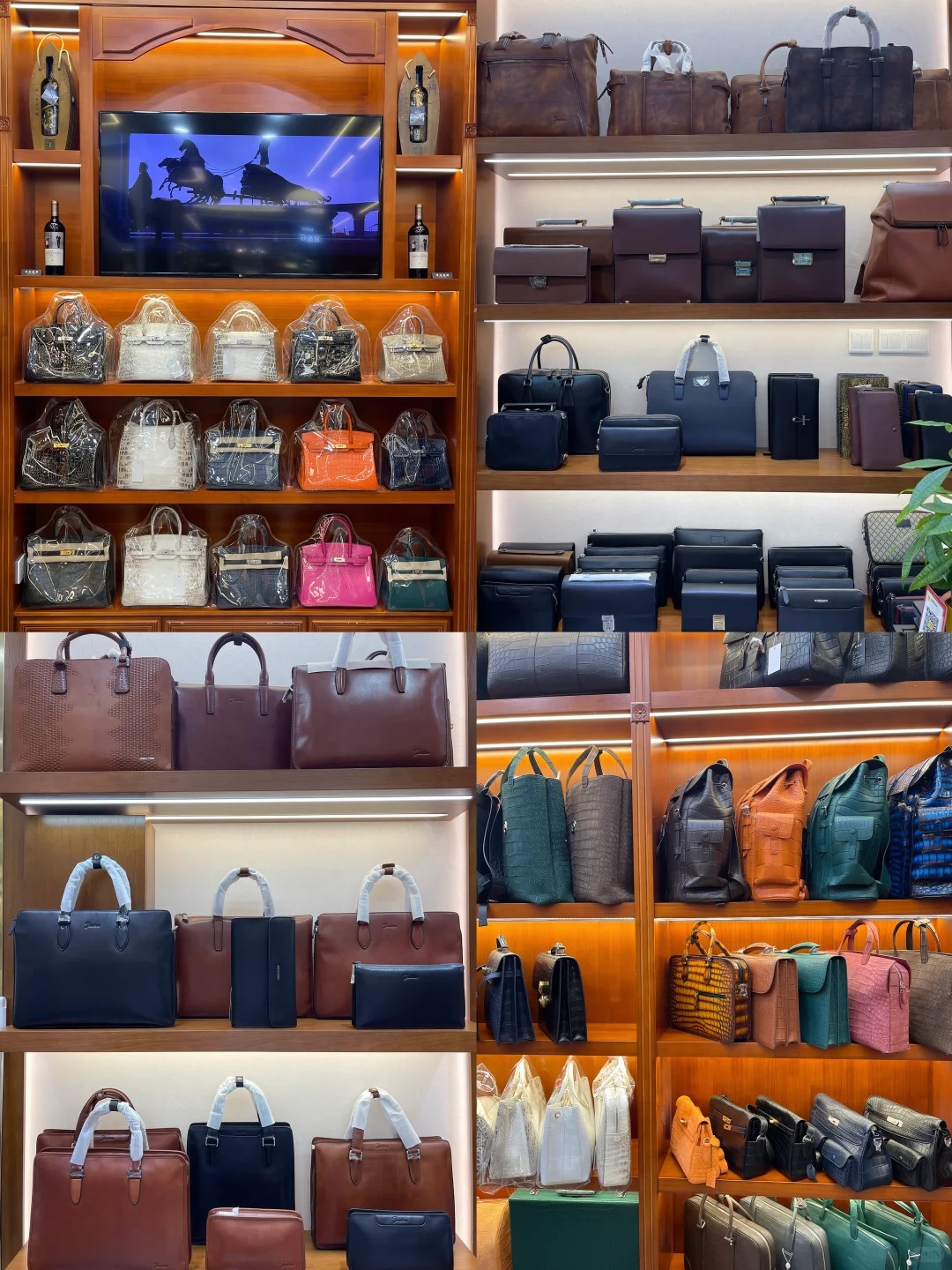
From a wholesale market stall perspective, feel is everything. Genuine leather from Chinese tanneries often has a smooth, consistent grain with subtle imperfections. Run your fingers across the surface: if it feels too plasticky or uniformly textured, it may be synthetic. Quality Chinese leather should have a natural scent and a slight give when pressed.
Stitching and Alignment
Inspect the stitching. On authentic bags, stitches are even, tight, and angled slightly (often 45 degrees). The thread should match the bag’s color perfectly and never be pulled or loose. Look at the zipper tapes and edges—frayed threads indicate rushed production. Wholesale experts always check the inside pockets: clean, double-stitched seams are a hallmark of good workmanship.
Hardware and Weight
Heft the bag. A high-quality bag has weight due to solid hardware (zips, buckles, rivets) made from zinc alloy or brass. Cheap bags use hollow or plastic components. Test the zipper pull: it should glide smoothly without catching. On a Prada bag bearing ‘Made in China’, the hardware should feel substantial and have a uniform matte or shiny finish, as per the design.
How to Source Like a Pro at Wholesale Markets
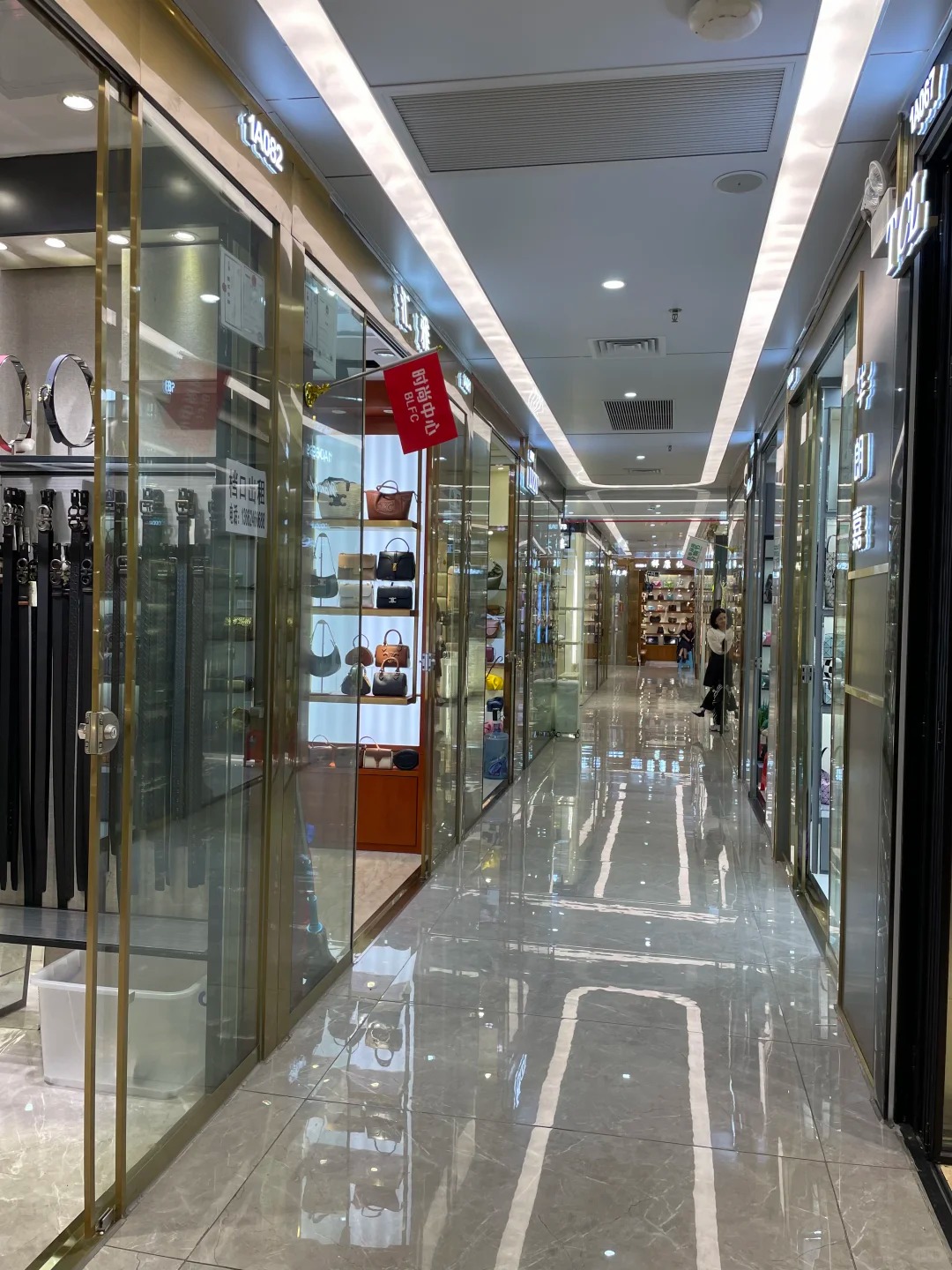
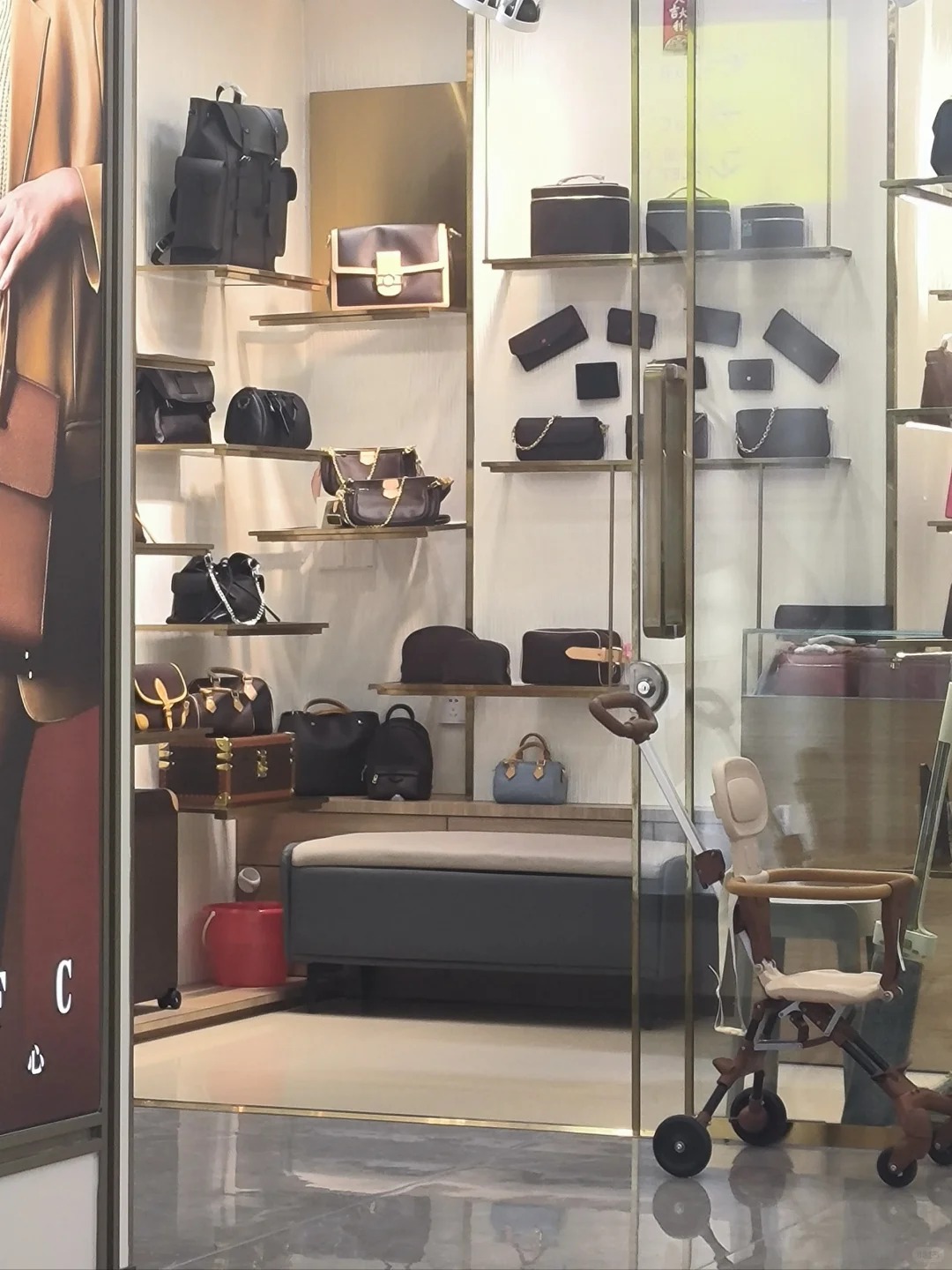
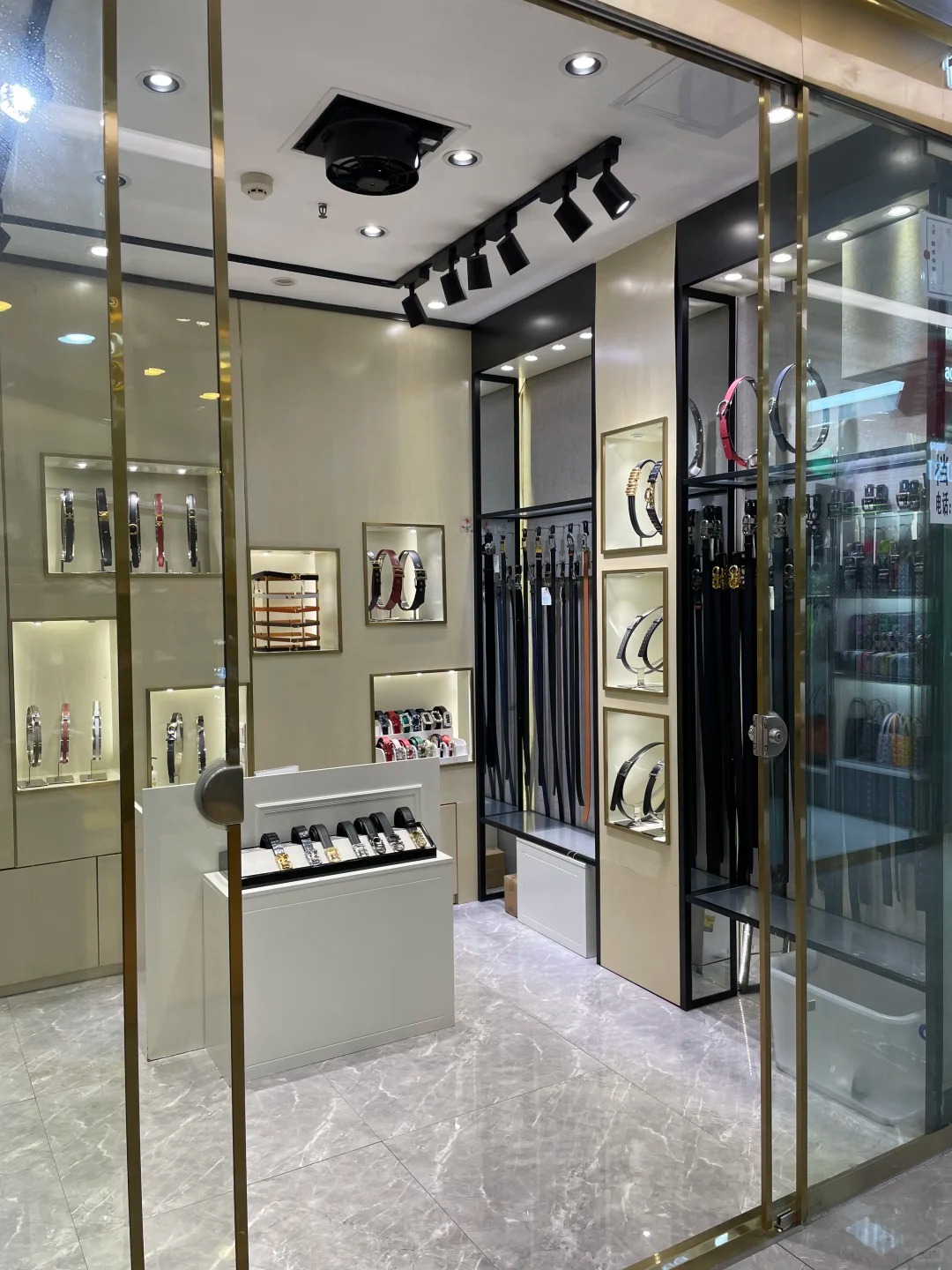
If you’re buying for resale, go beyond the brand label. Ask for ‘first quality’ or ‘AAAA’ stock—these terms refer to the highest tier of factory output, often sold to premium boutiques. At markets like Soudangkou, you can find stalls that specialize in leftover or overstock luxury apparel. Tip: ask to see the same bag in different lighting. Quality leather shows its true color under natural light, while dyes in cheaper bags look flat or orange.
Don’t be afraid to inspect the interior labels. A genuine ‘Made in China’ label should have a neat, laser-etched or woven font. Compare with photos from the official Prada website—often the label formatting is identical except for the country name.
Final Take
‘Made in China’ on your Prada bag is not a red flag; it’s a testament to Chinese manufacturing excellence. With attention to leather, stitching, and hardware, you can confidently authenticate or source premium bags from wholesale markets.
FAQ: Quick Answers on Made in China Bags
| Question | Answer |
|———-|——–|
| Does ‘Made in China’ mean my Prada is fake? | No. Prada and many luxury brands have Chinese factories. The location alone is not a sign of authenticity. |
| How can I tell if the leather is real? | Real leather has a natural grain, slight stretch, and a smell of tannin. Synthetic leather smells like plastic and feels uniform. |
| What should I look for in stitching? | Tight, even, and slightly slanted stitches. No loose threads or puckering. |
| Are Chinese factories good at making luxury bags? | Yes. Many Chinese workshops have decades of experience producing for top brands. Quality can be as good as Italian-made. |
| Where can I find wholesale ‘Made in China’ designer bags? | Wholesale markets like Soudangkou often carry overstock or factory-direct items. Always inspect before bulk buying. |
| Should I avoid buying ‘Made in China’ bags? | Not at all. Focus on craftsmanship and materials, not the label. |
广州服装档口相关入口
继续查看相关市场和品类入口,方便对比档口微信、货源范围、拿货方向和试单前需要核实的信息。