
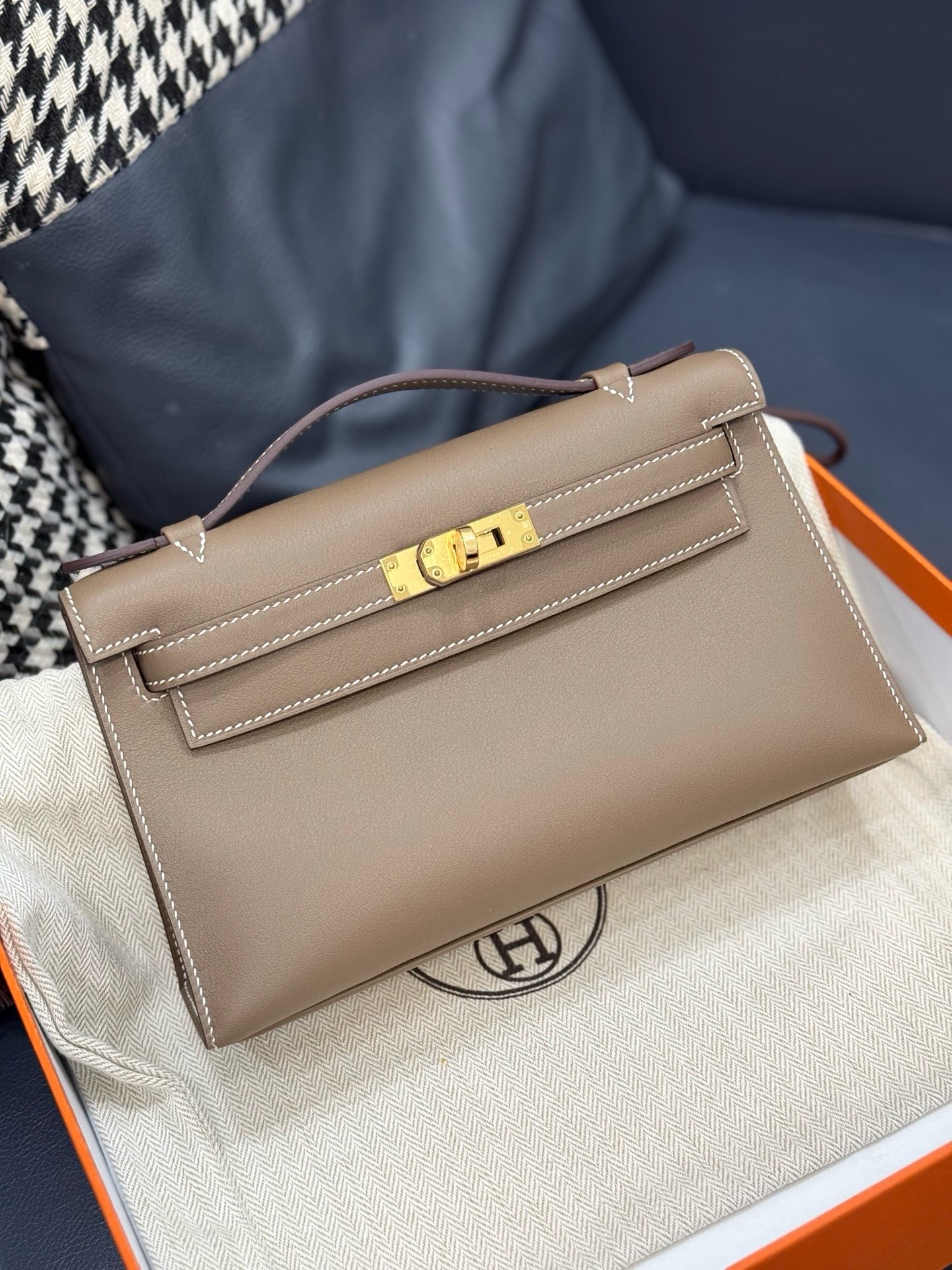
If you see ‘Made in China’ on a Prada bag, it’s likely authentic. Prada, like many luxury brands, has production facilities in China for certain lines and components. The label alone does not indicate a fake; in fact, some of the finest craftsmanship comes from Chinese workshops. For buyers in wholesale market stalls, this is a key point: a ‘Made in China’ Prada bag can be a legitimate product sourced directly from the supply chain.
Understanding Prada’s Manufacturing in China
Prada officially states that they manufacture in Italy, but they also have suppliers and partners in China for specific items, particularly leather goods and accessories. In 2020, Prada reported that about 20% of their products are made outside Italy, including China. Quality control is stringent; materials and finishing must meet Prada’s standards. Therefore, a ‘Made in China’ tag is not a red flag.
Wholesale Market Perspective: Spotting Real Deals
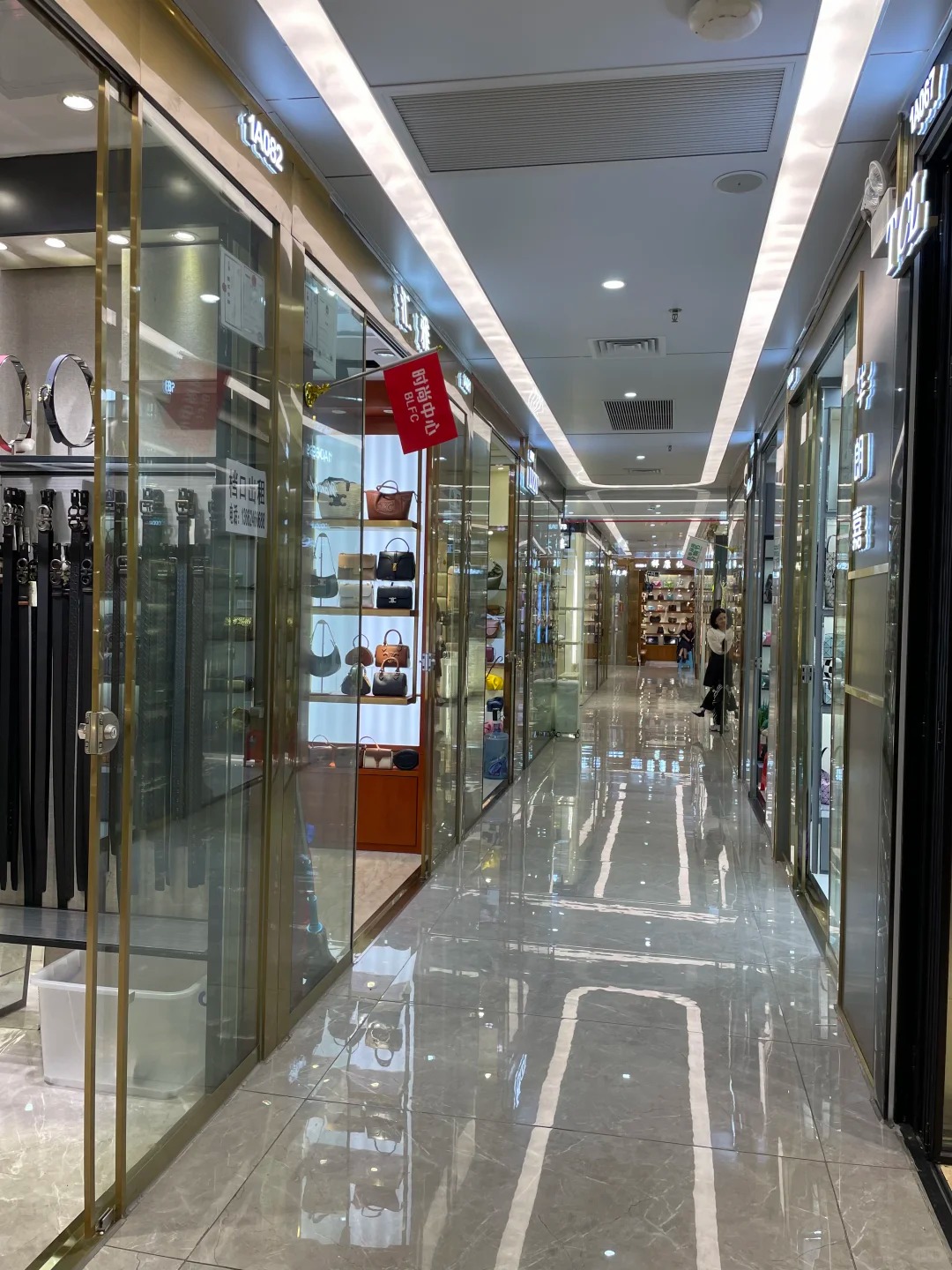
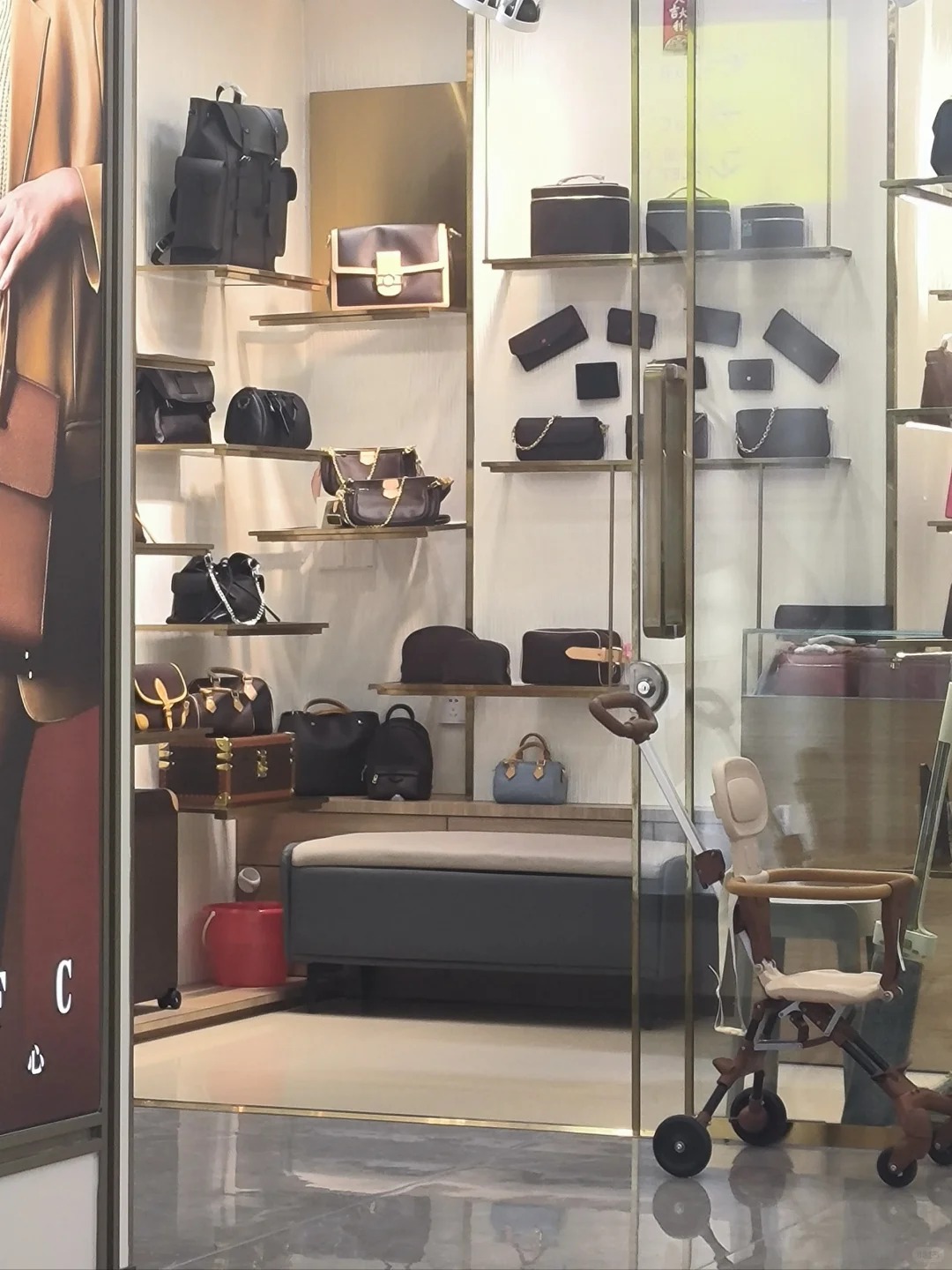
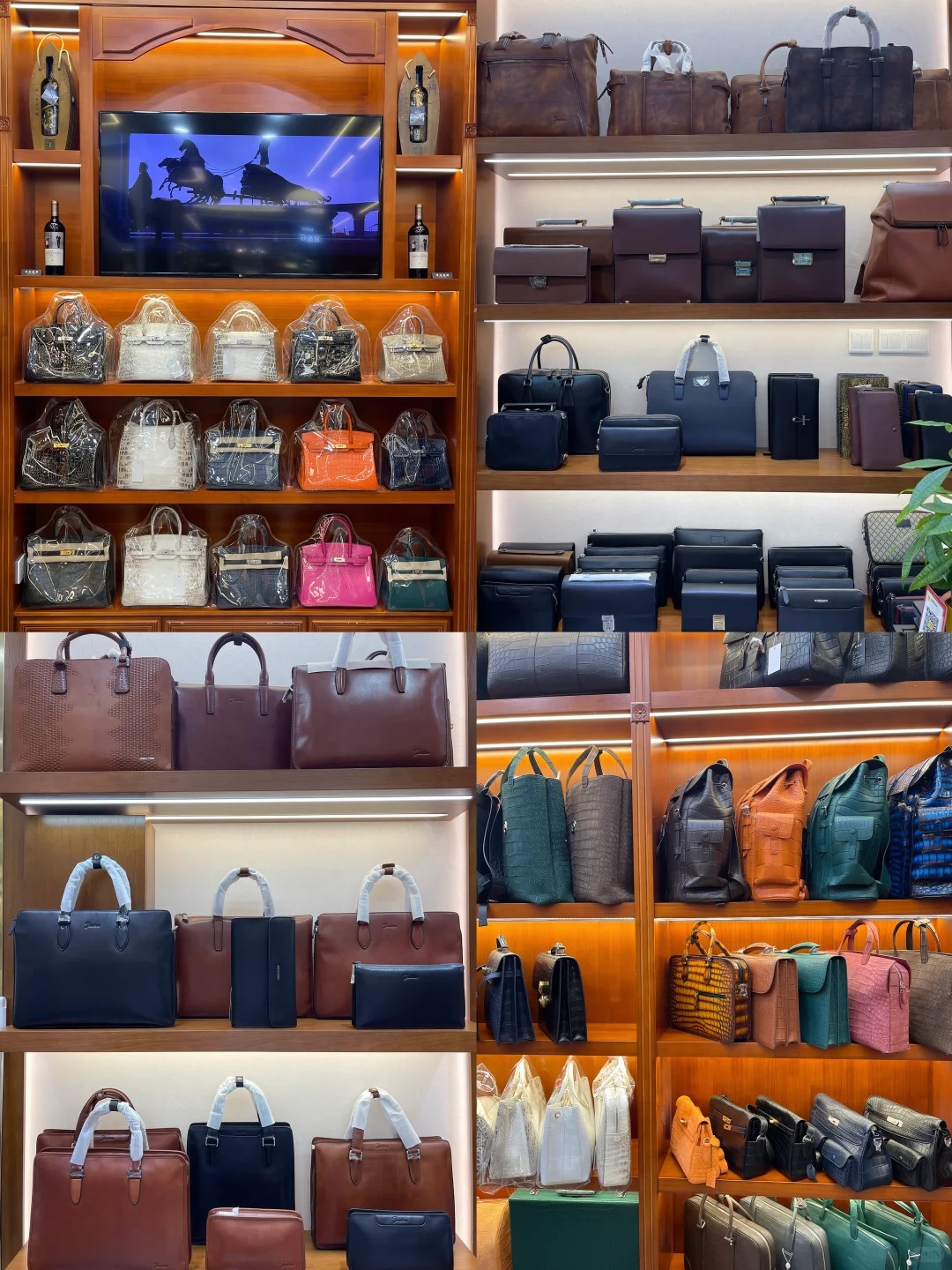
In the wholesale markets of Guangzhou or Yiwu, you can find first-hand stock of Prada bags with authentic ‘Made in China’ labels. Here’s how to evaluate them:
- Leather texture: Real calfskin leather has a subtle grain and supple feel. Press with your thumb – it should bounce back naturally. Avoid overly plastic or shiny finishes.
- Stitching quality: Check the seams. Authentic Prada uses tight, even stitches, about 8-10 per inch. In china, skilled artisans can achieve this. Look for any loose threads or uneven spacing.
- Hardware weight: Zippers, buckles, and logo plates should feel substantial, not hollow. They should be engraved, not printed.
- Lining: Prada uses specific fabrics like jacquard or microfiber. The logo pattern should align perfectly at the seams.
When buying from market stalls, ask for first-hand stock – meaning directly from the factory. This avoids middlemen markups and ensures you see the original product quality.
Key Differences: Counterfeit vs. Genuine ‘Made in China’ Prada
| Feature | Genuine (Factory-Authorized) | Counterfeit |
|---|---|---|
| Label font | Clean, uniform, slightly embossed | Blurry, uneven, shiny |
| Leather smell | Natural, mild leather scent | Chemical or strong plastic odor |
| Serial number | Inside pocket, stamped on leather patch | Often missing or printed on fabric |
| Dust bag | Matching logo and quality weave | Thin material, logo misaligned |
FAQ: ‘Made in China’ Prada Bags
| Question | Answer |
|---|---|
| Is ‘Made in China’ always fake for Prada? | No, Prada has authorized production in China for some styles. |
| Can I get genuine Prada from wholesale markets? | Yes, but only if you know how to verify authenticity and source from reliable factory-direct stalls. |
| How can I spot a good replica? | Focus on hardware weight and stitching precision. Cheap replicas skimp on these. |
| Where do Chinese factories sell directly? | Platforms like 1688 or Soudangkou connect buyers with first-hand factory stocks. Soudangkou focuses on spot goods for wholesale. |
Tips for Market Stall Buyers
- Visit during trading hours: Early morning (8-10 AM) is best for fresh stock.
- Ask for bulk pricing: Minimum Order Quantity (MOQ) might be 10-50 pieces per style. Negotiate based on volume.
- Inspect with a loupe: A 10x magnifier helps see stitch details and logo engraving.
- Know your leather: ‘Saffiano’ leather should be cross-hatch patterned and stiff. ‘Vitello’ is softer. Understanding these helps you judge quality.
Remember, the craftsmanship in Chinese workshops can rival Italian factories, especially for leather goods. By focusing on materials and construction, you can source genuine-looking bags that satisfy your customers.
广州服装档口相关入口
继续查看相关市场和品类入口,方便对比档口微信、货源范围、拿货方向和试单前需要核实的信息。