
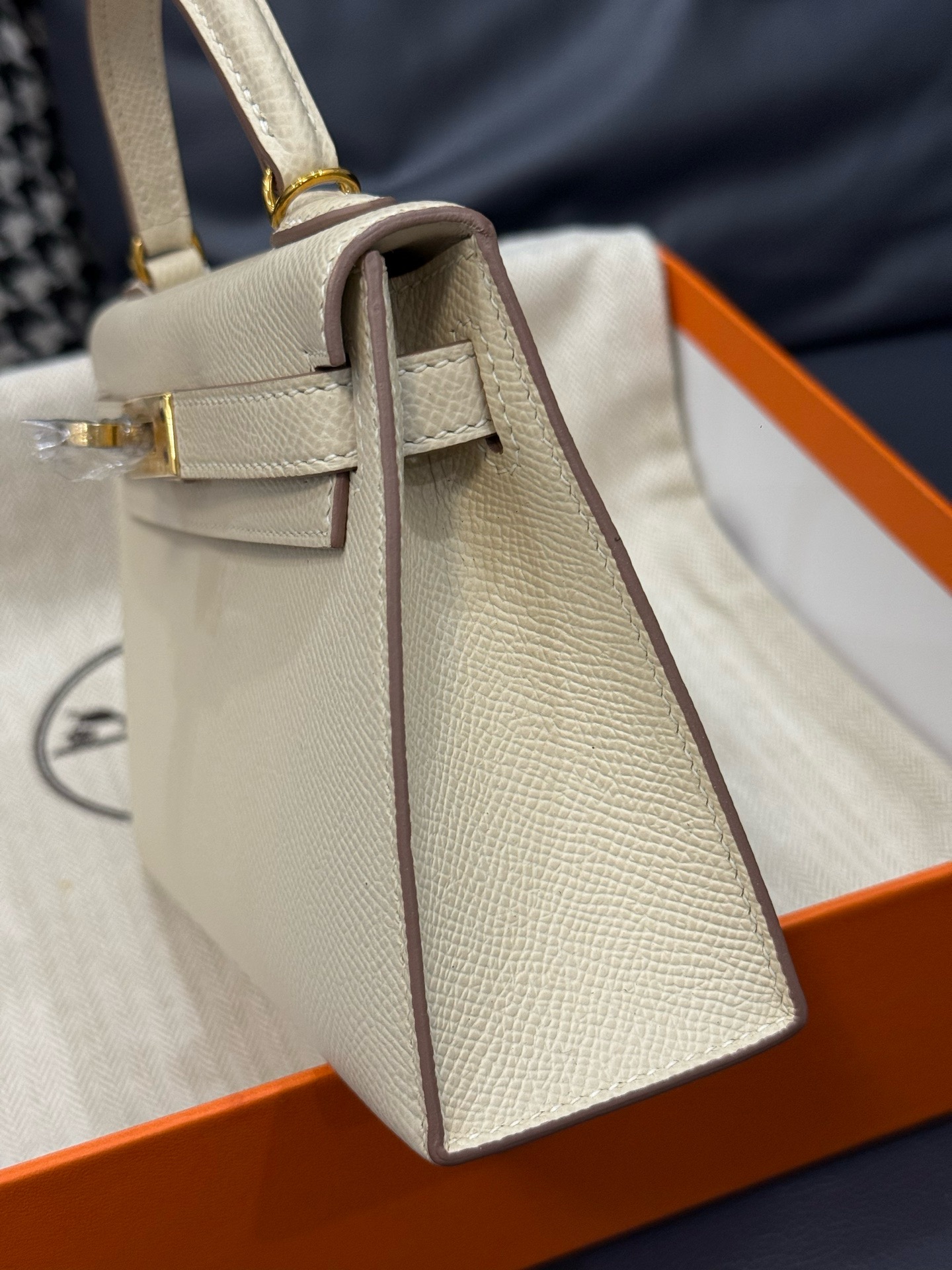
The Prada crepe de chine dress is a wardrobe staple known for its fluid drape and sophisticated sheen. For wholesale buyers, the key is distinguishing genuine crepe de chine from inferior substitutes. At Chinese market stalls like those at Soudangkou, you can find direct-from-factory stock with the exact same fabric weight and finish as high-end labels, but at a fraction of the cost.
Fabric & Texture: What to Look For
Crepe de chine is a silk or silk-like fabric with a subtle crinkled texture and matte luster. When sourcing, run your fingers along the grain: true crepe de chine feels slightly granular yet smooth, not slippery like charmeuse. Check the weight—a good mid-weight (around 16-20 momme) falls beautifully without being too sheer. Beware of polyesters labeled as silk; ask for a burn test (real silk smells like burnt hair, polyester melts). At a market stall, request a sample swatch and compare it against known Prada pieces—the right fabric will have identical drape and light reflection.
Stitching & Construction: Signs of Quality
Examine the seams: Prada-level dresses feature French seams or bound seams for a clean interior finish. Look for even, tight stitches—8-10 stitches per inch is standard. The zipper should be invisible or concealed with a silk ribbon guard. Hemlines should be hand-rolled or machine-rolled narrow; a wide, bulky hem screams low quality. Check the buttons: real mother-of-pearl or horn buttons are typical for premium crepe de chine dresses. If the buttons feel light or have sharp edges, move on.
Market Stall Sourcing Tips
Go early in the morning (7-9 AM) when new stock arrives. Ask the stall owner directly:
- “Is this pure silk or blended? What’s the momme weight?”
- “Can I see the same dress in different colorways? Consistent dye lot matters.”
- “Do you have stock-ready pieces, or need MOQ (minimum order quantity)?”
For immediate shipment, look for stalls with clear price tags and multiple sizes on hangers. Most importantly, trust your hands—if the fabric feels cheap, it probably is, no matter how fancy the tag.
FAQ: Common Wholesale Queries
| Question | Answer |
|---|---|
| What is crepe de chine fabric? | It’s a lightweight silk or silk–poly blend with a crinkled surface and gentle drape, often used in luxury dresses. |
| How can I test fabric quality without a lab? | Rub a small area; genuine crepe de chine will produce a faint powdery sound. Also, hold it up to light: even weave, no loose threads. |
| Are these dresses labeled as Prada? | Reputable Chinese wholesale stalls do not use brand labels unless they are verified OEM overstock. Always ask for unbranded or own-label options. |
| What is the typical MOQ for crepe de chine dresses? | For ready-stock, often 1-3 pieces per style, but some stalls require 50+ pieces per color for OEM orders. |
| How do I ensure color consistency? | Request a dye lot sample under natural light. Crepe de chine absorbs dye differently—a slight variation may occur, but shouldn’t be visible to the naked eye. |
| Can I get a sample shipped before bulk order? | Yes, most stall owners will send 1-2 samples for a fee, refundable with bulk purchase. Always ask for the sample to confirm fabric and stitching. |
| How to spot fake crepe de chine? | Watch for extreme shimmer (polyester) or a stiff hand (rayon). Real crepe de chine has a subtle matte finish and soft, fluid drape. |
Conclusion: Sourcing with Confidence
Getting the perfect Prada crepe de chine dress for your business doesn’t require a middleman. Head directly to wholesale markets like Soudangkou, where you can touch, feel, and negotiate. Focus on fabric weight, stitch quality, and stock availability—not the brand name. With these tips, you’ll walk away with inventory that moves fast and draws repeat customers.
广州服装档口相关入口
继续查看相关市场和品类入口,方便对比档口微信、货源范围、拿货方向和试单前需要核实的信息。