
Sending a pair of shoes in China carries a deeply negative connotation: it warns of unfaithfulness, separation, or breakup. The Chinese word for shoes (xié, 鞋) sounds like ‘evil’ (xié, 邪) and homophonically close to ‘to step on’ or ‘to wear,’ but in gift-giving contexts, it phonetically resembles ‘going away’ or ‘parting.’ Unless the shoes are given as a token of affection between lovers (implying ‘walking together’), standard etiquette warns against gifting shoes – especially to a significant other – as it may be interpreted as a wish to break up. This superstition is so ingrained that many Chinese people will refuse shoes as gifts outright, except in certain business or formal scenarios where the shoes are seen as practical tokens of success.
Cultural Background and Superstition
The taboo around shoe-giving stems from the homophone xié (鞋) coinciding with xié (邪, evil) and its phonetic similarity to ‘departure.’ Historically, shoes are considered ‘lowly’ items that touch the ground, so giving them symbolically ‘steps on’ the reputation of both giver and receiver. However, in the context of business partnerships or as a practical gift from vendors to clients, the negative symbolism is often overlooked – especially when the shoes are high-quality products intended to showcase manufacturing capability.
For foreign buyers sourcing shoes from China, understanding this cultural nuance is crucial. Avoid giving shoes as gifts to Chinese business partners unless you’re certain they are not superstitious. Instead, focus on the craftsmanship and value of the product itself
Wholesale Tips from Guangzhou Market Stalls
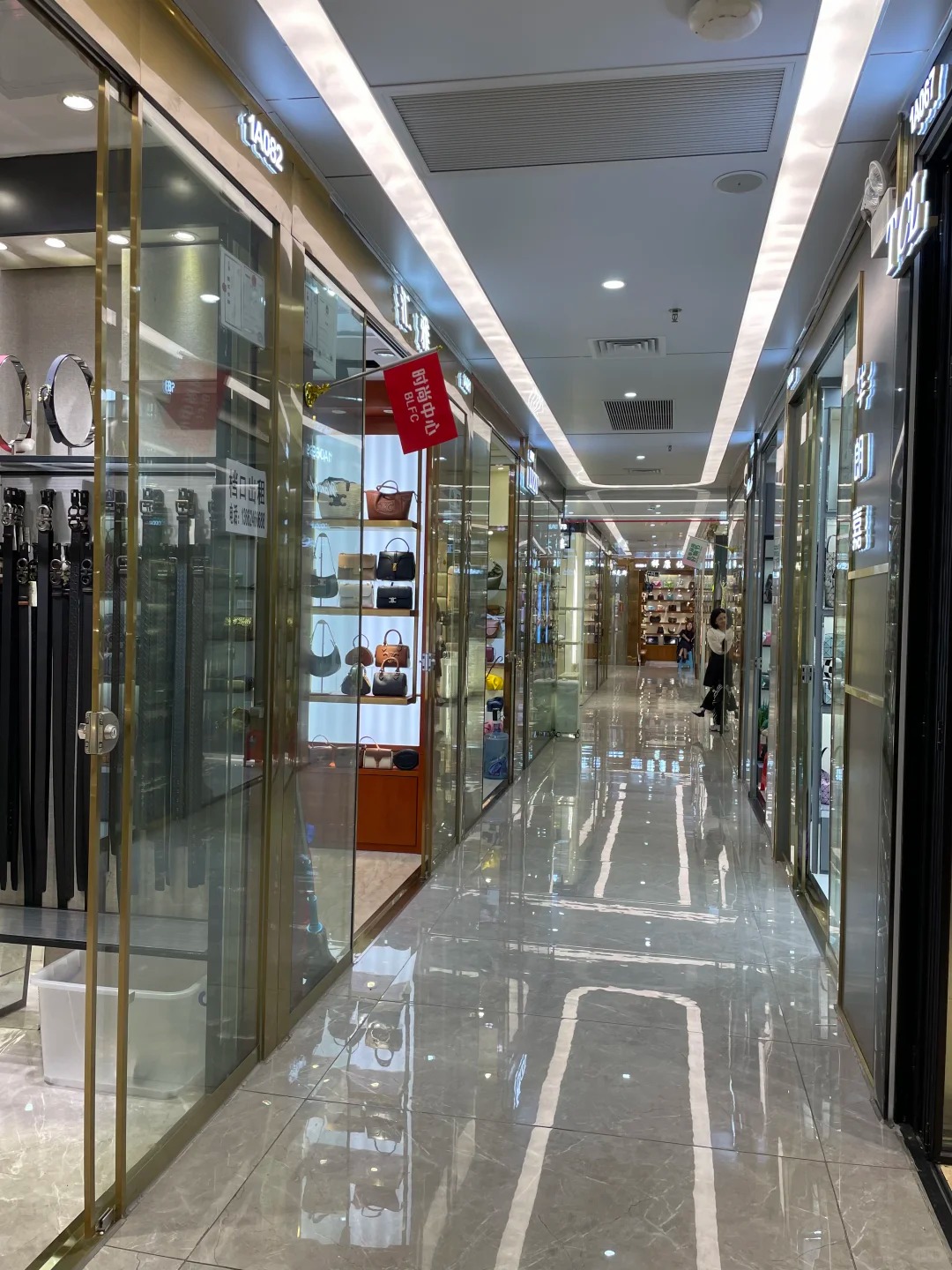
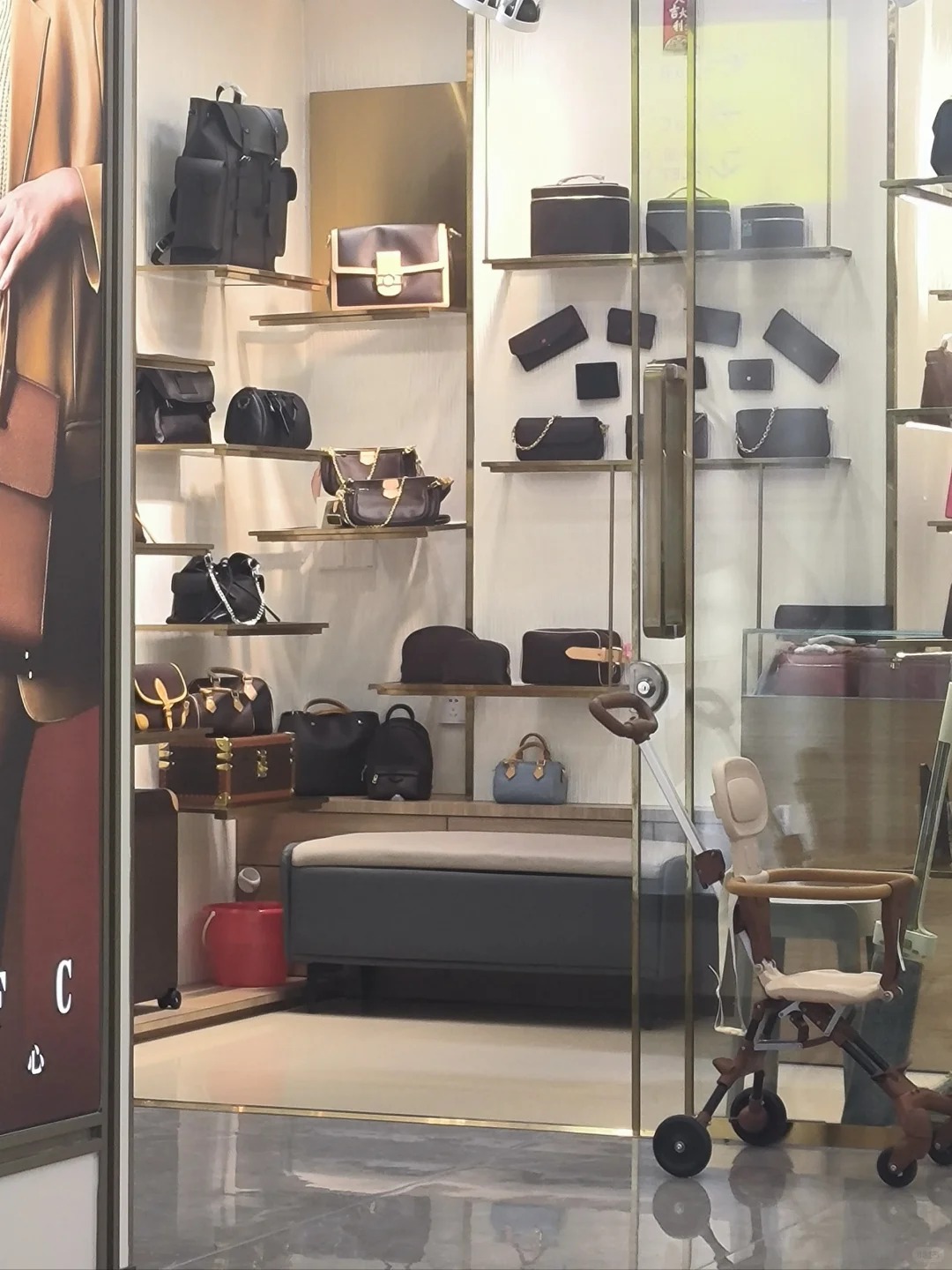
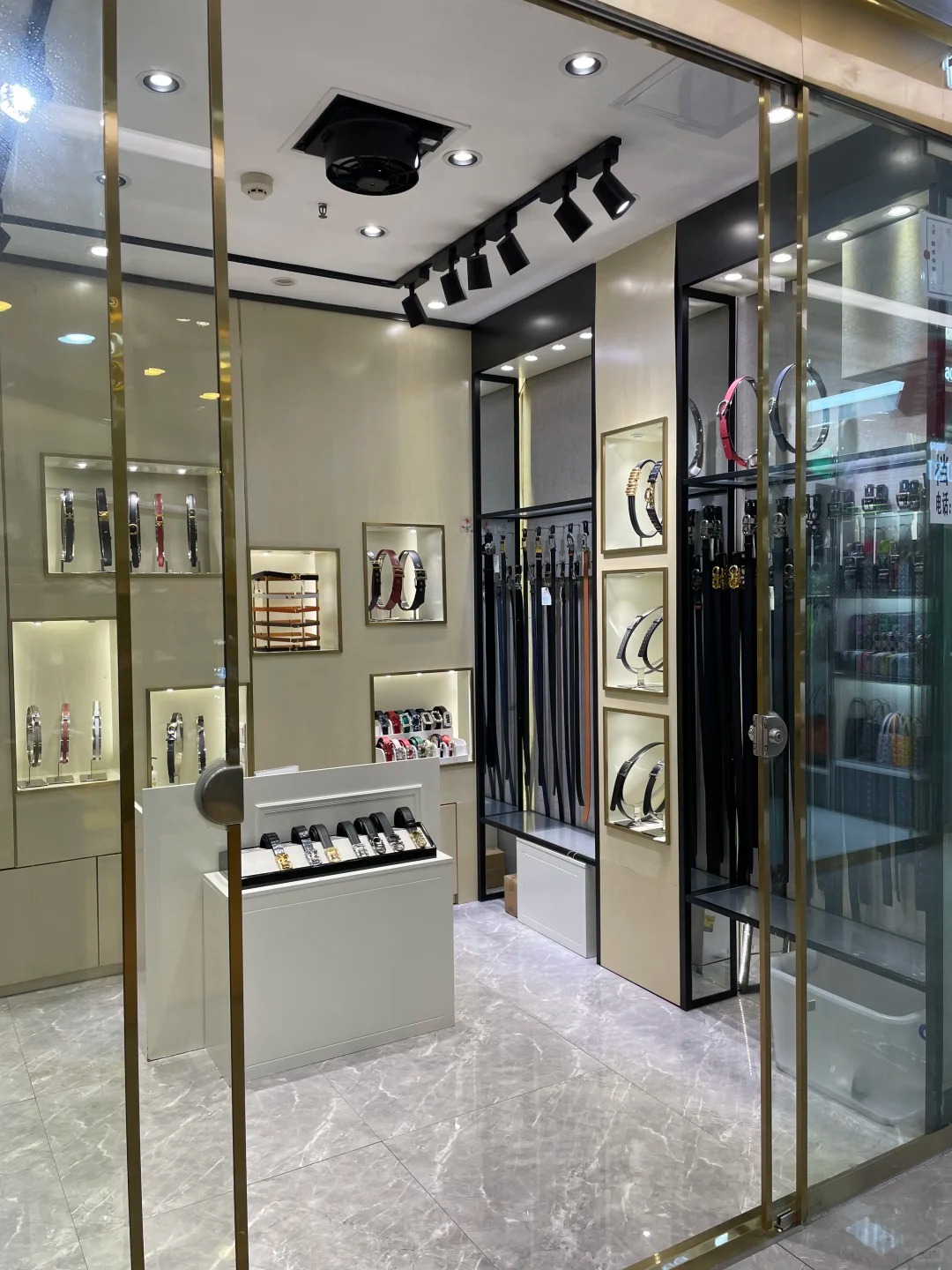
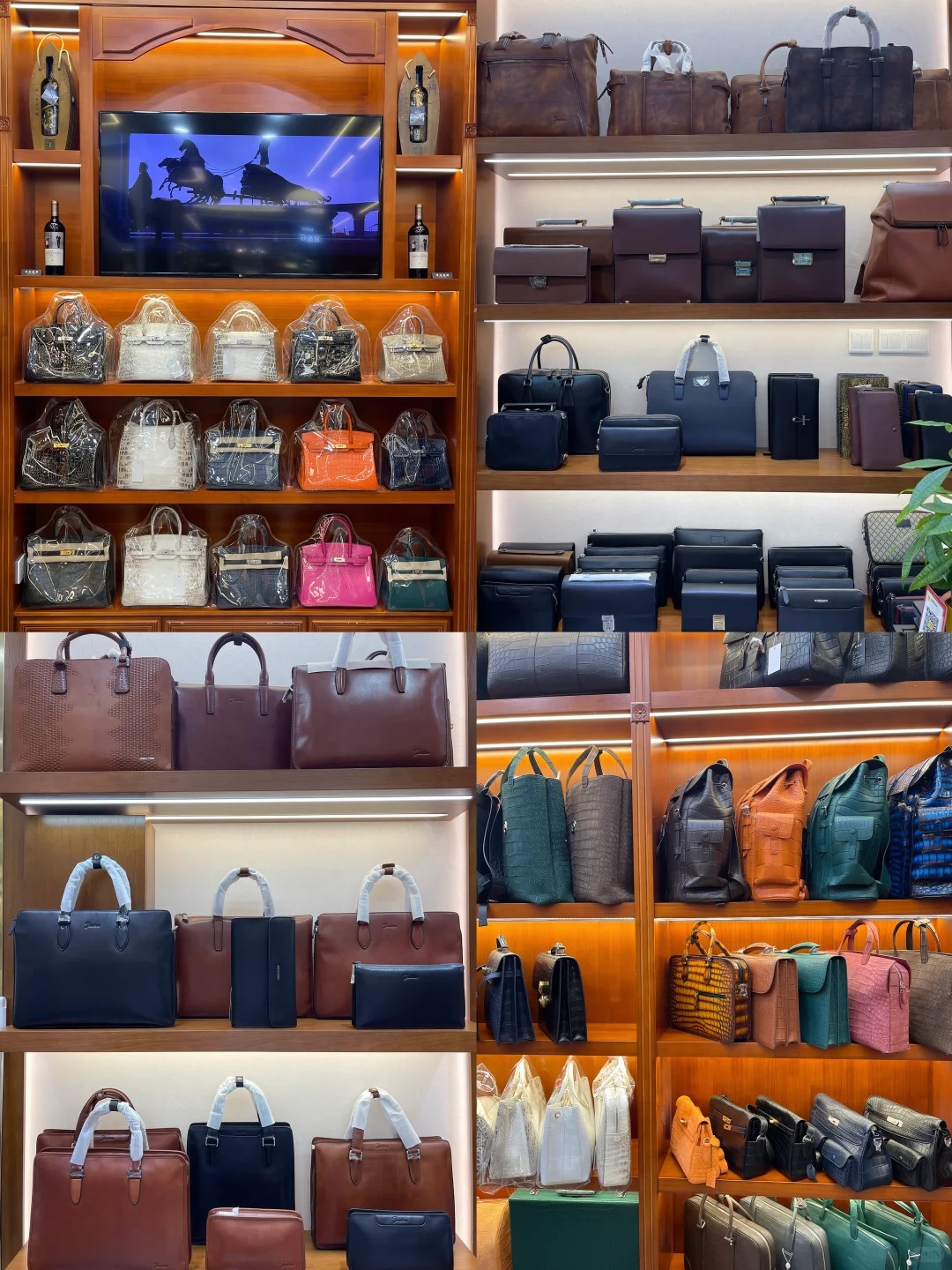
If you’re sourcing shoes from wholesale markets in Guangzhou or Chenghai, here’s what seasoned buyers look for:
1. Fabric Grade
Stall owners like those at Soudangkou often display sample boards. Always demand the middle-to-heavy weight fabrics: lightweight mesh might be cheap but lacks durability. For leather shoes, check the grain – genuine leather should have natural pores and irregular grain. If the sample looks too uniform, it’s likely synthetic.
2. Stitching Precision
Flip the shoe and inspect the sole attachment. In premium wholesale, the stitching should be tight and consistent – about 3-4 stitches per centimeter. Loose or uneven stitching means low-end production. Also look for glue residue; clean edges are a hallmark of first-hand spot goods.
3. Insole and Arch Support
Many buyers ignore this, but a removable insole indicates higher build quality. Press the arch area – it should spring back slowly. If it’s flat and hard, the shoe won’t pass Western foot health standards.
FAQ: Common Questions About Sending Shoes in China
| Question | Answer |
|---|---|
| Can I give shoes as a business gift in China? | Only if the shoes are part of a product sample or a high-end brand in an explicit business context. Avoid giving shoes for personal occasions. |
| What does it mean if a Chinese girlfriend gives me shoes? | In most cases, it’s an indirect breakup signal. However, some young couples ignore superstition and gift shoes as a trendy item. |
| Are there any shoes that are safe to gift? | High-end luxury shoes as corporate gifts may be accepted if wrapped in red or given with a money gift (red envelope). |
| Is the taboo still relevant in modern China? | Yes, especially among older generations. Young urbanites are less superstitious but still aware of the stigma. |
| How do I refuse shoes without offending? | A lighthearted ‘I’m superstitious’ works. Alternatively, accept and state you’ll regift them. |
Sourcing Strategy for Wholesale Buyers
When visiting markets like Soudangkou, engage stall owners by commenting on the construction. Ask for ‘现货’ (spot goods) because many backorders come with MOQ. Use hand gestures to point at specific shoe components – this shows you’re a knowledgeable buyer. Remember, the Chinese wholesale system respects buyers who ‘talk shop’ about materials and workmanship, not just price.
Finally, never assume a shoe’s quality by its price tag in the market. Some stalls charge more for trendy styles but use inferior insoles. Demand a mid-cut cross-section of the shoe to inspect the layers. That’s how real pros at Soudangkou verify value.
广州服装档口相关入口
继续查看相关市场和品类入口,方便对比档口微信、货源范围、拿货方向和试单前需要核实的信息。