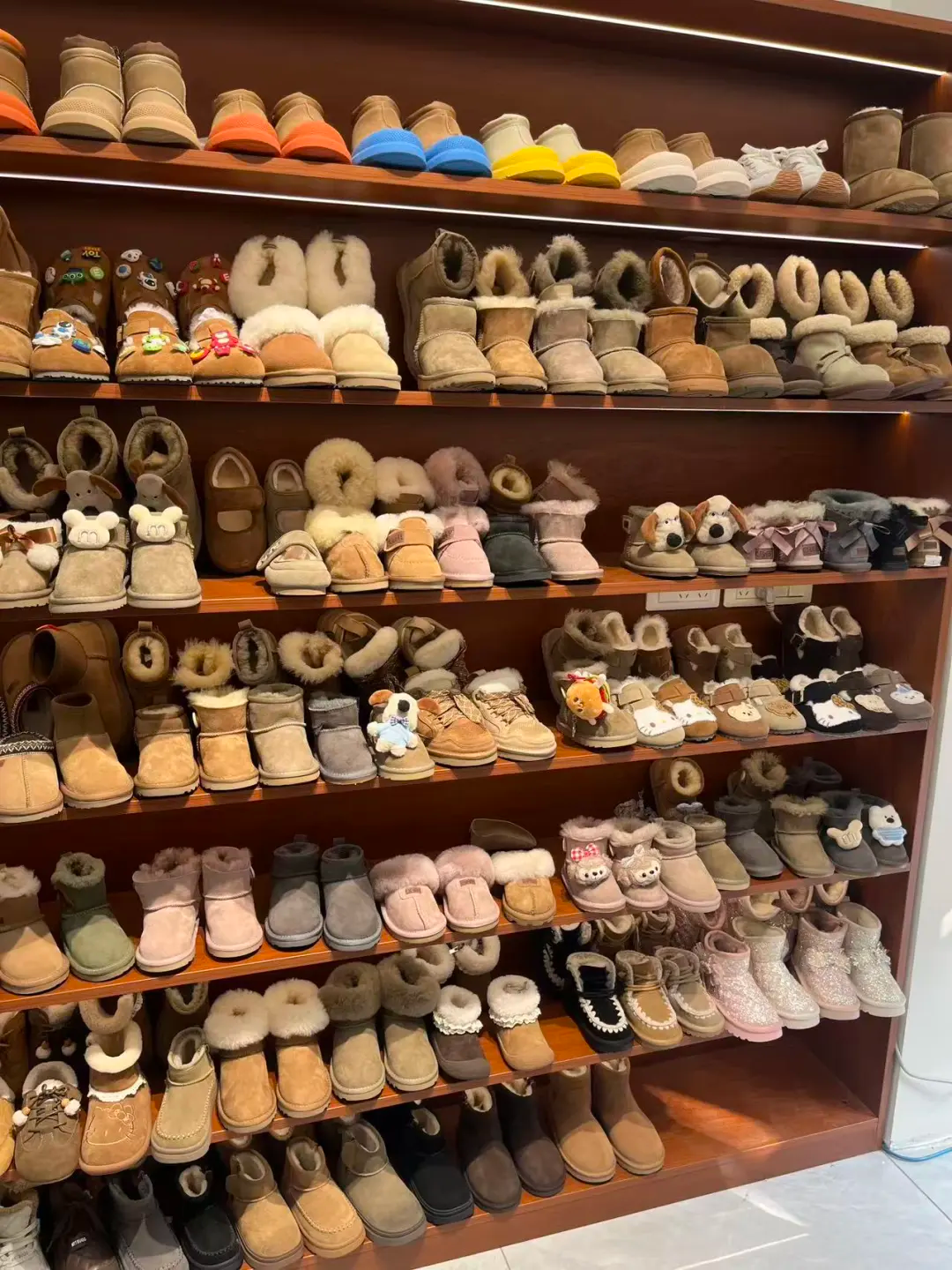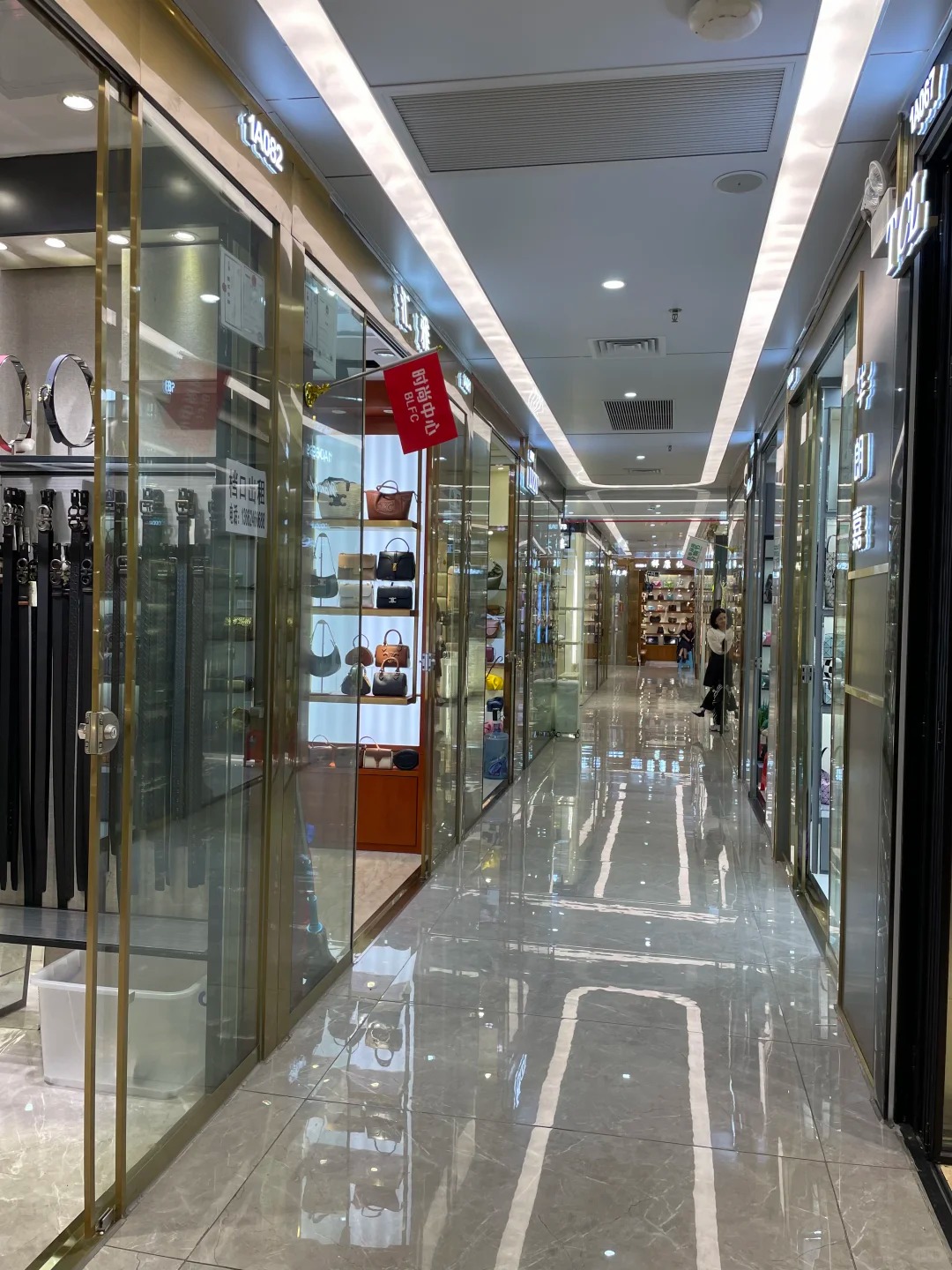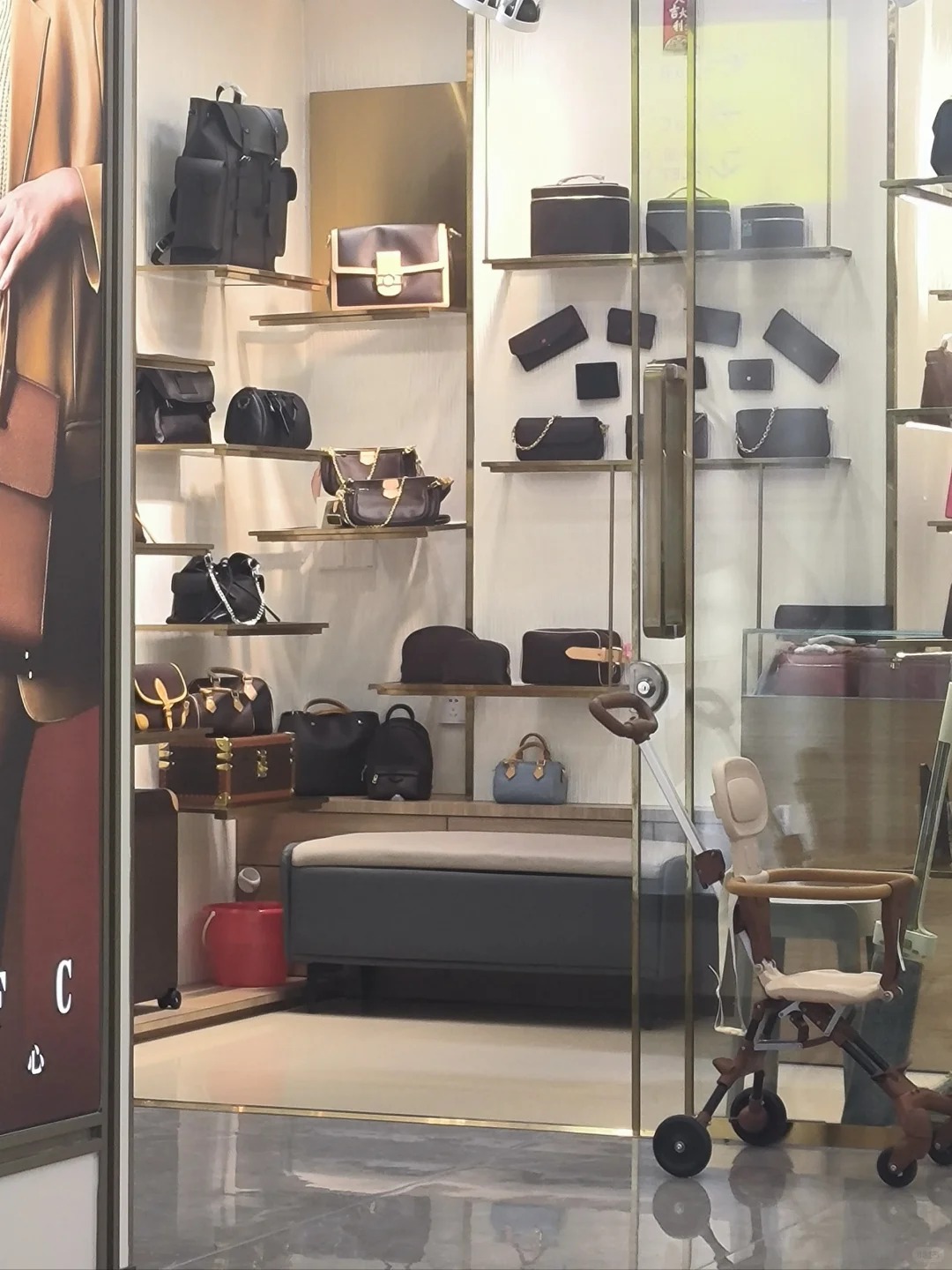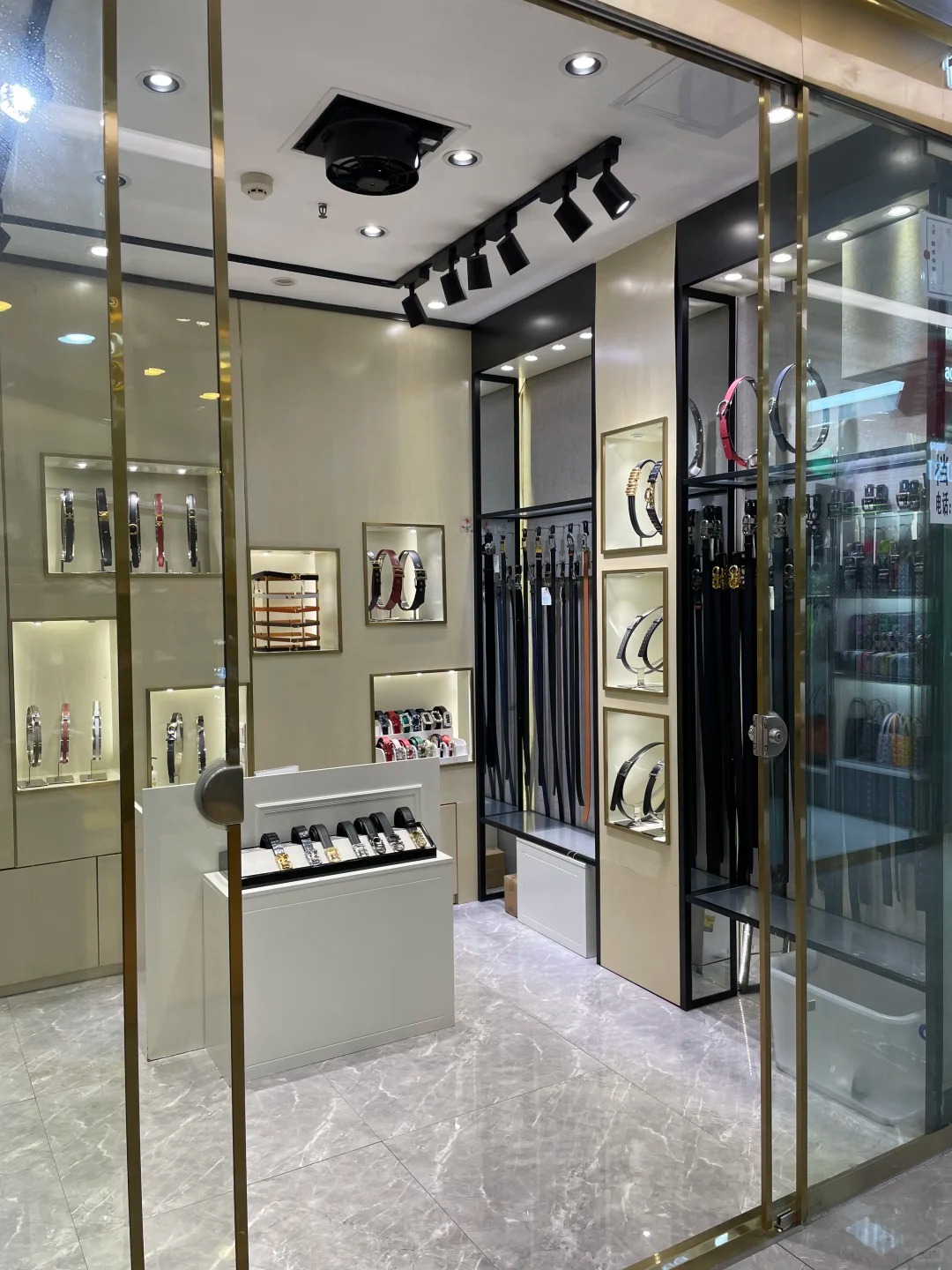

Is Alibaba China wholesale still the cheapest way to source products? The short answer: not always. For serious buyers looking for spot goods and immediate shipment, walking into wholesale market stalls in Guangzhou or Yiwu often beats waiting for supplier replies on Alibaba. You can touch fabrics, check stitching, and negotiate prices face-to-face. Here’s what you need to know in 2025.
Why Physical Market Stalls Win for Spot Goods
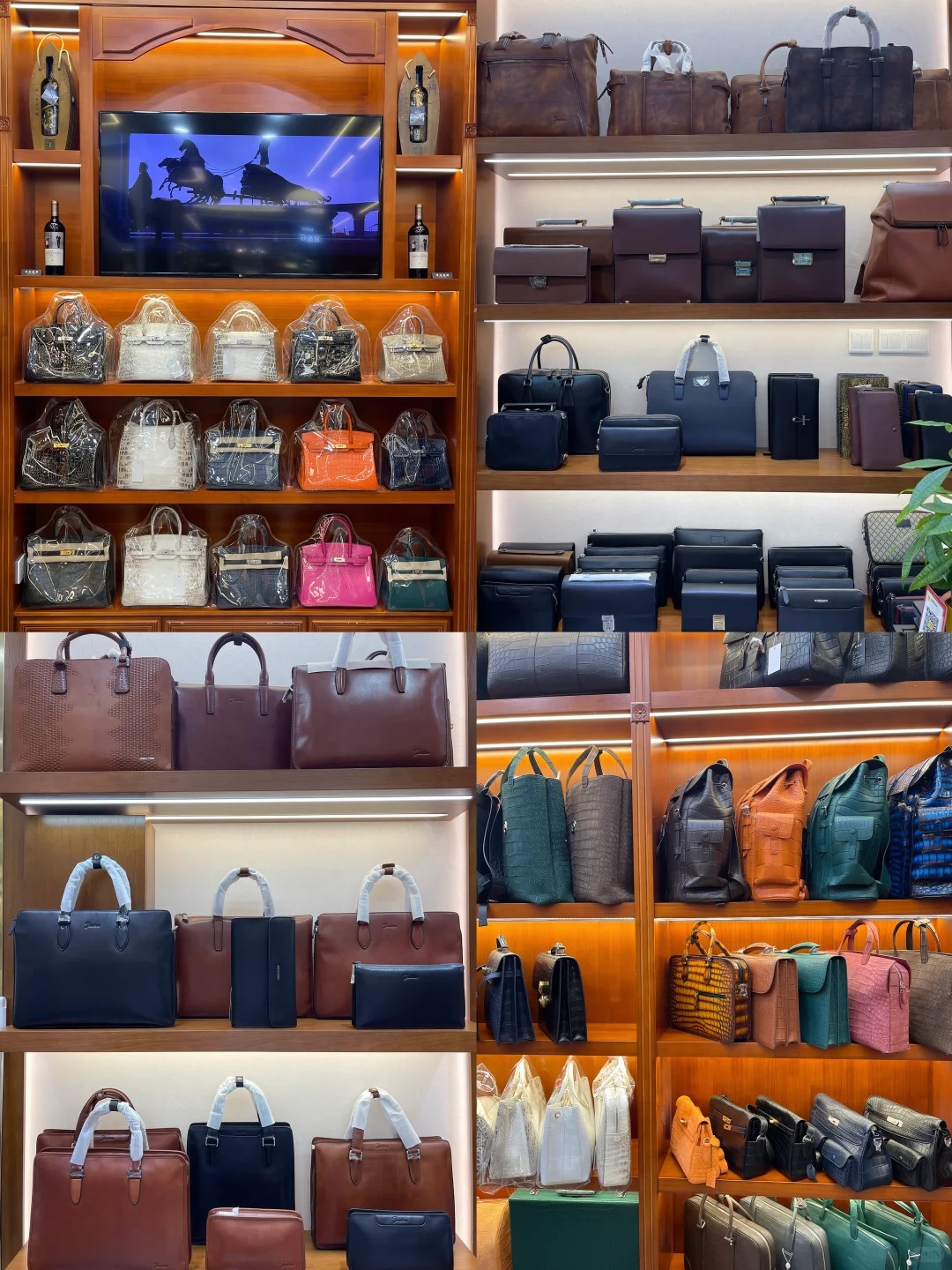
Alibaba China wholesale is great for bulk orders with long lead times. But if you need stock now—say 50–200 pieces per style—market stalls are king. Vendors have thousands of ready-to-sell items on the floor. You can compare 10 stalls in one hour, feel the silk weight, and spot loose threads. No photoshopped images, no “out of stock” surprises.
The Fabric & Stitching Reality Check
On Alibaba, a seller might claim “100% cotton.” At a stall, you can burn a thread to check. You can pull seams to test tension. Real wholesalers in China care about repeat buyers; they’ll point out minor flaws before you pay. That trust is hard to build online.
How to Source Like a Pro at a Wholesale Market
First, skip the tourist floors. Head up—stalls on higher floors often have better quality for the price. Second, bring a magnifying glass or use your phone camera zoom. Check buttonholes: are they finished or raw? Third, ask for “现货” (spot goods) directly. If they say “3–5 days,” that’s still fast. If “pre-order,” negotiate minimums.
Pricing Negotiation Tips
Don’t start with “how much.” Instead ask “what’s the best price for 50 pieces? For 100?” Stall owners respect volume. Offer cash—it still works. And mention you source regularly; they’ll note you as a repeat buyer. Many stalls now have WeChat and can ship directly for you, similar to an Alibaba service but with a human touch.
Digital platforms like Soudangkou try to bridge this gap by listing stall inventory online, but nothing beats physical inspection for first orders.
When Alibaba Still Makes Sense
For very large quantities (500+ pieces) or factory-direct pricing, Alibaba China wholesale is practical. Not all factories have market stalls. The platform also offers trade assurance and easy comparison. But for fashion, accessories, or home goods where seasonality matters, spot goods from stalls give you speed.
FAQ: Alibaba vs. Market Stalls
| Question | Answer |
|———-|——–|
| Is Alibaba always cheaper? | No. Stalls often have better per-unit price for small-medium orders because they don’t add online fees. |
| How can I verify stall quality? | Order samples via agent or visit in person. Check stitching density and fabric weight. |
| What are typical MOQs at stalls? | For spot goods, 12–50 pieces. For custom orders, 200+. |
| Is bargaining mandatory? | Yes, but be respectful. 5–15% off is standard. |
| Can I get trade assurance from stalls? | No, but you can use third-party inspection services. |
| Which markets are best? | Guangzhou: Zhongda Fabric, Shahe Shoes, Sanyuanli Bags. Yiwu: general merchandise. |
| How do I handle shipping? | Stall owners can refer freight forwarders. Always get quotes before buying. |
Final Verdict: Hybrid Sourcing Wins
Use Alibaba China wholesale for research and large repeat orders. But for trend-driven items or sample checking, invest in a trip to a physical market. Your hands will tell you more than any product description. For digital alternatives, check platforms like Soudangkou that specialize in stall inventory, but verify everything before committing.
广州服装档口相关入口
继续查看相关市场和品类入口,方便对比档口微信、货源范围、拿货方向和试单前需要核实的信息。