
The Short Answer: No, Authentic Hermès Bags Are Not Made in China
Let’s get this straight from the start: officially, all Hermès bags are made in France (or occasionally Italy for certain silk accessories). The brand has never produced a single Birkin or Kelly in China. If you see a label that says ‘Made in China,’ it’s either a counterfeit or a factory sample that didn’t pass final quality control. However—and this is where the story gets interesting—China is home to some of the world’s most skilled leather artisans, and many workshops in places like Guangzhou and Shenzhen produce bags that rival the originals in craftsmanship. For wholesalers, this means access to phenomenal quality at factory-direct prices, without the Hermès markup.
Does the ‘Made in China’ Label Matter for Wholesale Buyers?
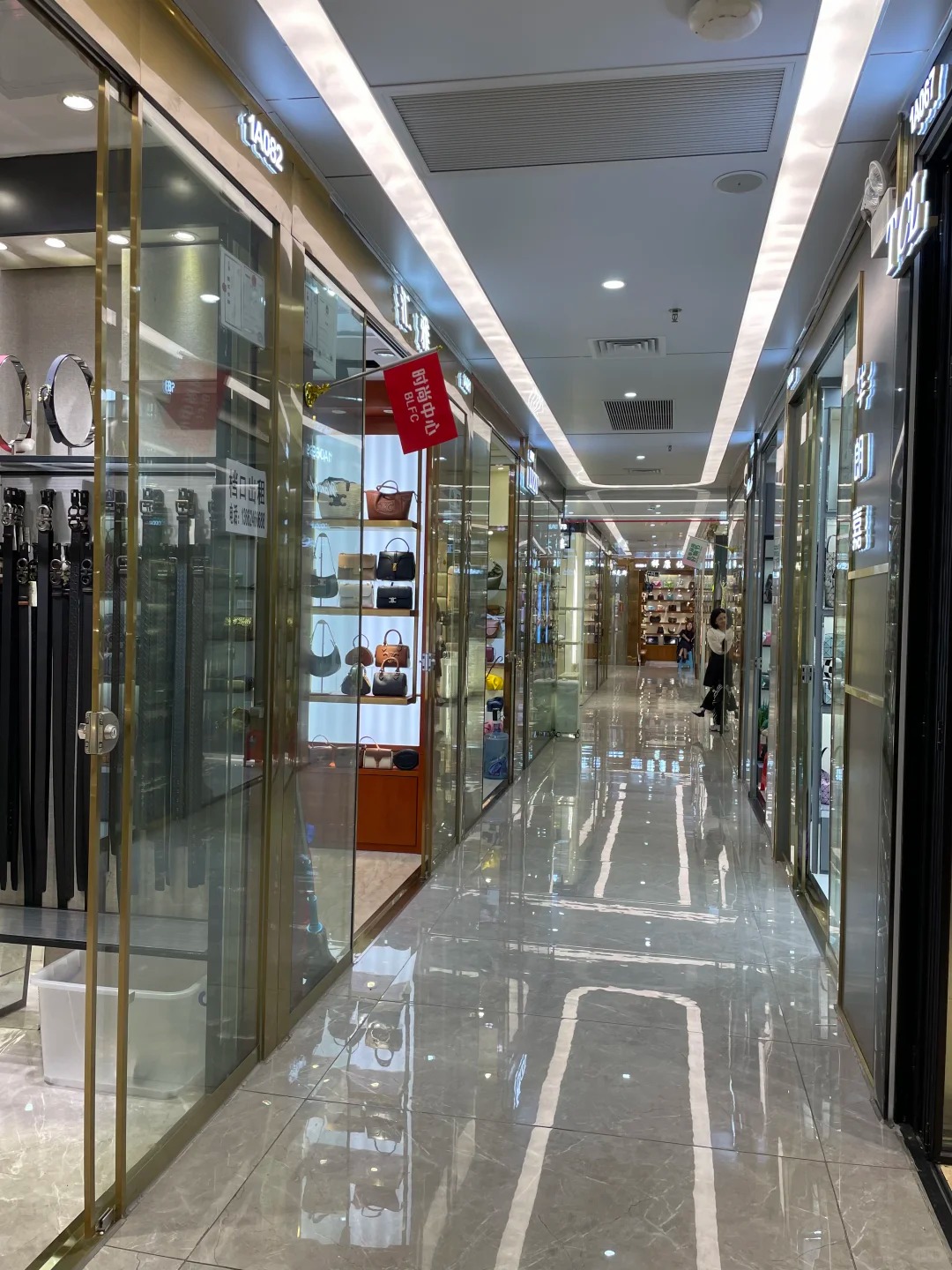
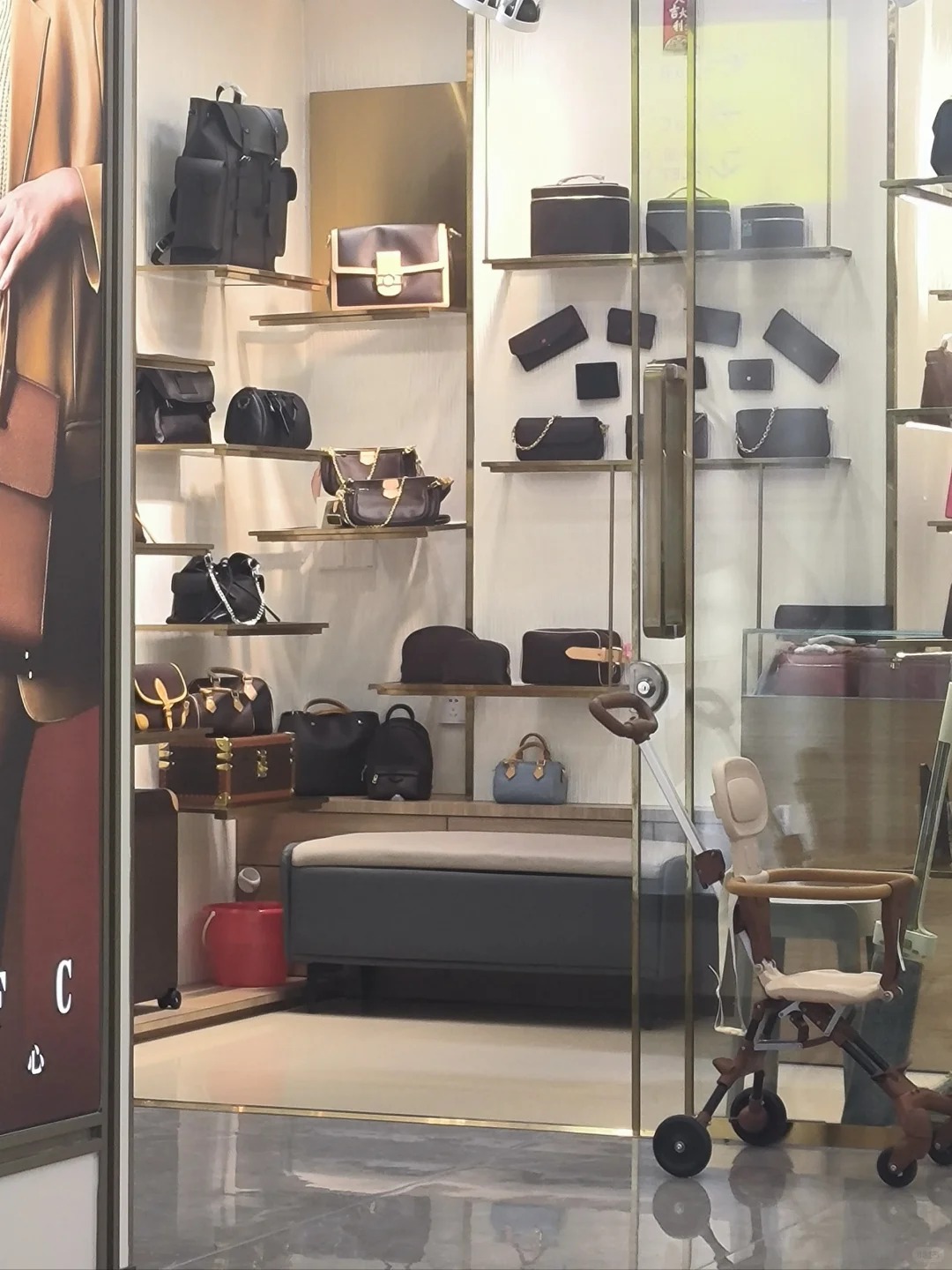
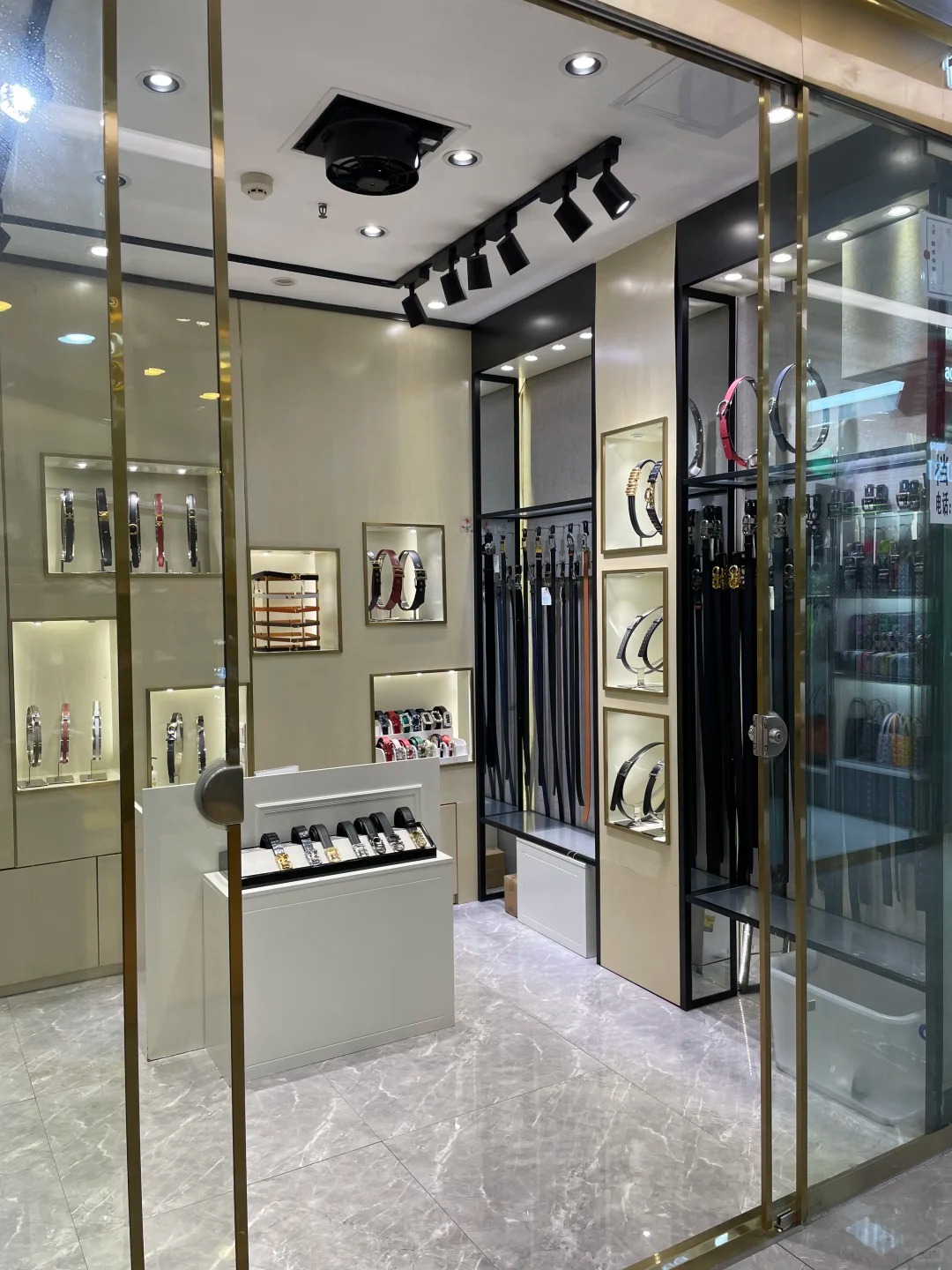
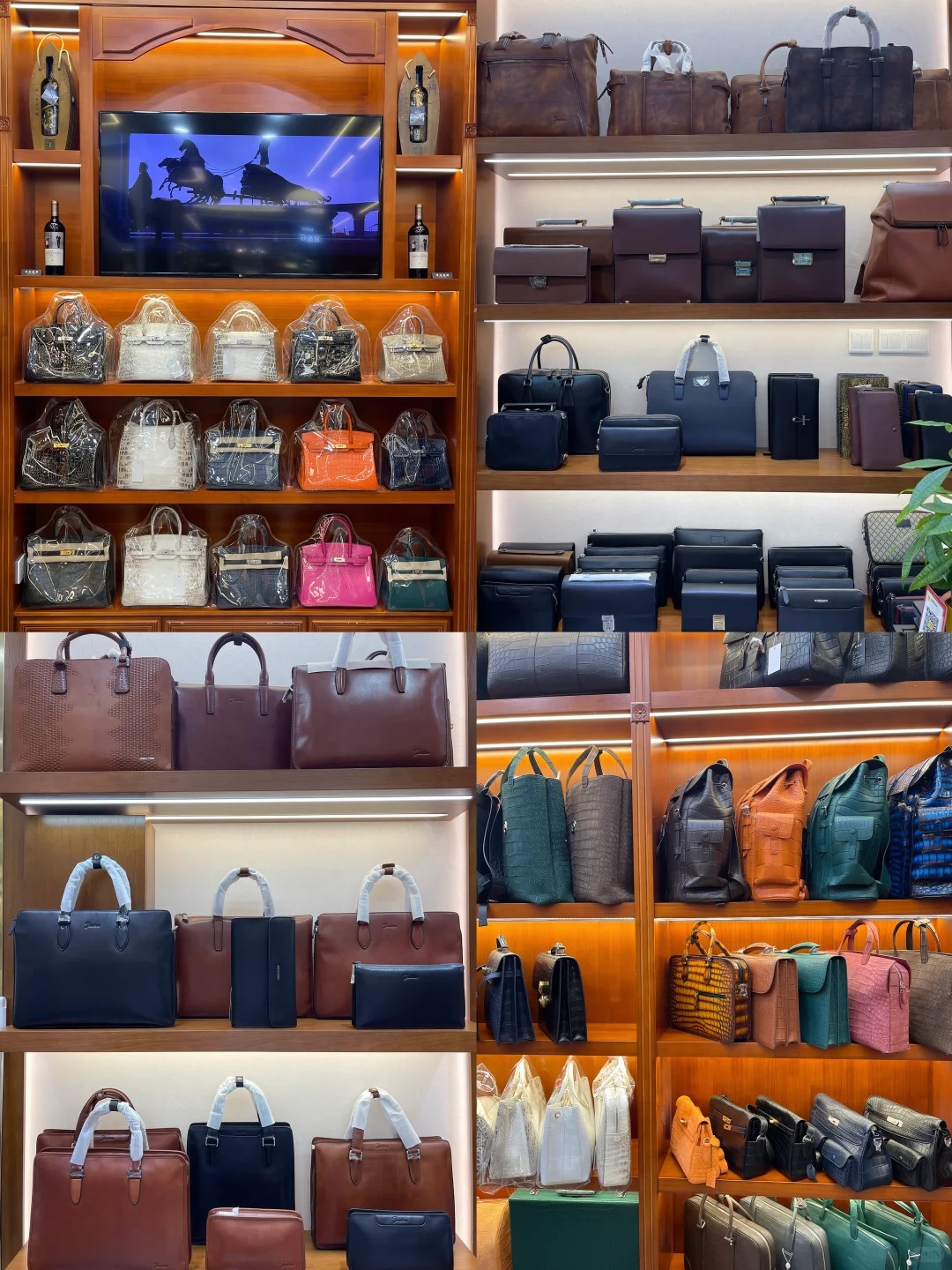
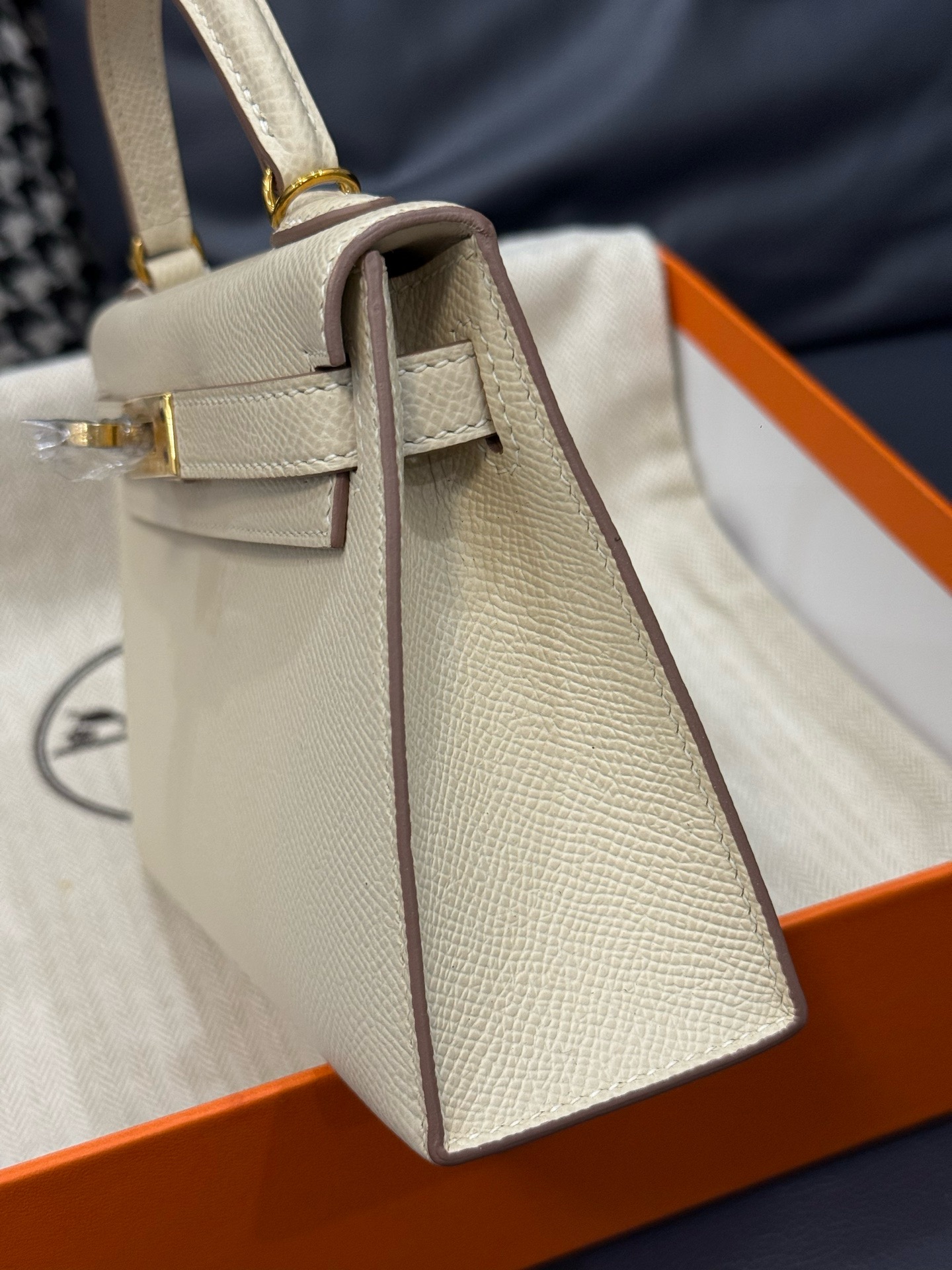
For a reseller, what matters isn’t the label—it’s the feel, the durability, and the look. On a market stall floor, you won’t find Hermès factory rejects, but you will find first-class replicas that use genuine leather and precision stitching. The leather grain, edge painting, and hardware weight are what separate a good bag from a great one. Walk into any Guangzhou Baiyun World Leather Trading Center or a top-tier wholesale stall at Soudangkou, and you’ll see bags that pass the ‘touch test’ even for seasoned buyers. The key is knowing which stalls source from trusted tanneries.
How to Spot Top-Quality ‘Hermès Style’ Bags at Wholesale Markets
When you’re sourcing imitation Hermès bags (strictly for the accessories market), here’s what to check:
Leather Quality
Real Hermès uses full-grain calfskin or Togo leather. Feel the bag—if it’s too plasticky or stiff, it’s cheap. Top-tier workshops use leather with a natural grain, and it should soften with use. Ask for a swatch or sniff test: genuine leather smells earthy, not chemical.
Stitching
Hermès uses a saddle stitch with beeswax thread. On the best replicas, the stitches are even, tight, and slightly angled. If you see straight machine stitching with a single thread, walk away. Good stalls will show you close-up photos and even let you run your finger along the seam—it should feel slightly raised.
Hardware and Edges
The zippers, locks, and feet should be heavy and engraved. Cheap gold plating flakes off. Edge painting should be thin, even, and not goopy. Pop into a stall at Soudangkou and compare two price points: you’ll instantly see the difference in the gold tone.
FAQ: Common Questions About Hermès and Chinese Production
| Question | Answer |
|---|---|
| Does Hermès have factories in China? | No. Hermès production is entirely in France. However, many high-end Chinese workshops produce unlicensed replicas. |
| Can I import Hermès bags from China legally? | Only if they are authentic, but authentic Hermès bags are never sold to wholesalers. Replicas violate trademark laws—resell at your own risk. |
| Why are some Chinese-made bags so expensive? | Because they use high-quality leather, hand-stitching, and precise hardware. Price often reflects craftsmanship, not just brand. |
| How can I find reliable wholesale stalls? | Visit markets in Guangzhou or search online platforms like Soudangkou. Check supplier ratings, request real photos, and order samples first. |
| Is the hardware on Chinese copies durable? | It varies. Premium copies use solid brass or zinc alloy with real gold plating; budget versions use plastic-coated metal that peels. |
Final Takeaway for Wholesalers
If you’re looking for ‘Hermès style’ bags to sell in your boutique or online store, China offers unmatched value. The best options hand-stitch each bag, use vegetable-tanned leather, and match original colors down to the Pantone code. But don’t expect to find them on Alibaba. You need to connect with niche wholesalers who specialize in luxury replicas. Build relationships, visit in person, and always negotiate for mixed lots. With the right stall, you can source bags that’ll have your customers asking, ‘Are you sure this isn’t real?’
广州服装档口相关入口
继续查看相关市场和品类入口,方便对比档口微信、货源范围、拿货方向和试单前需要核实的信息。