
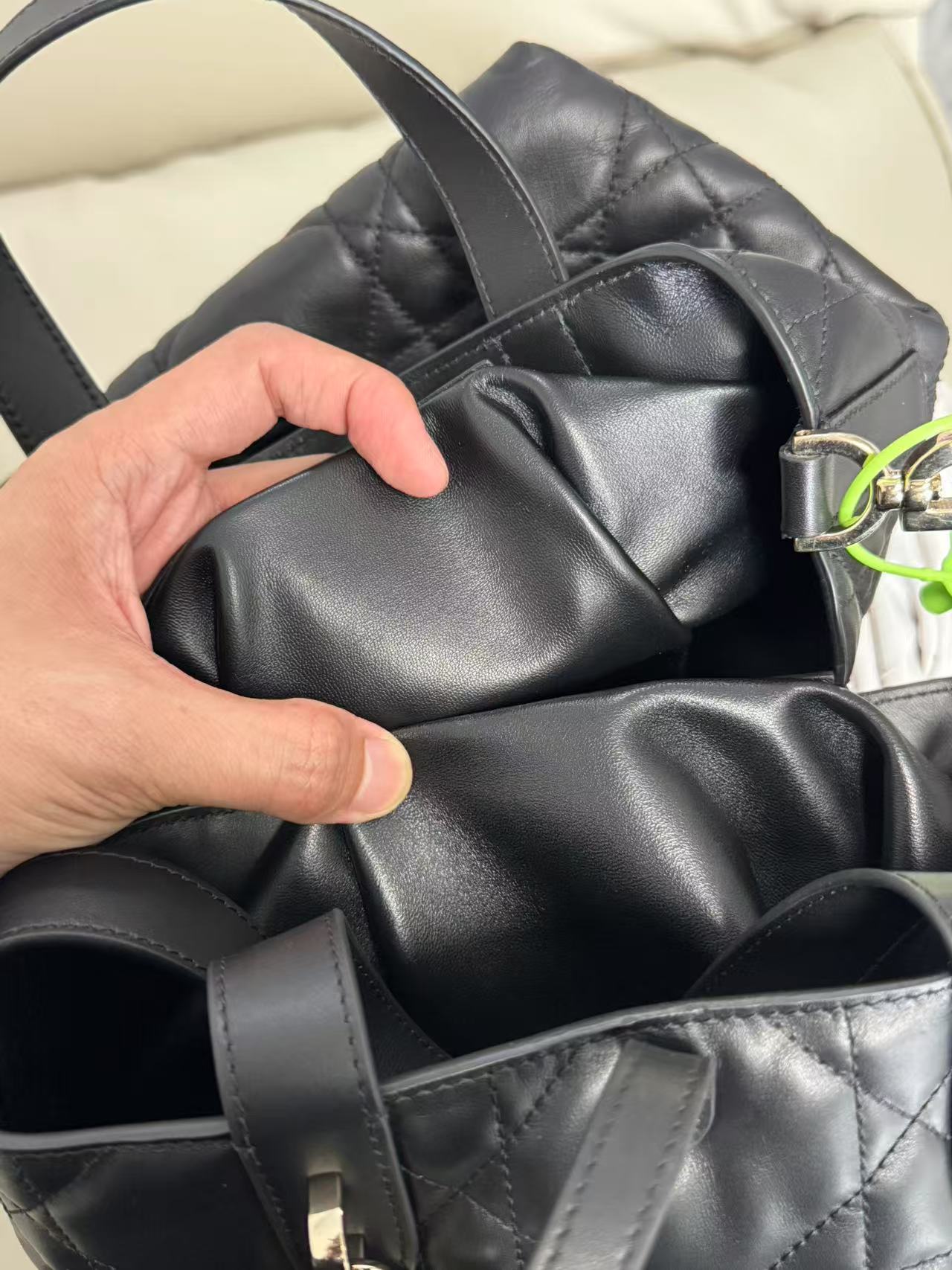
Yes, the vast majority of Via Spiga shoes are manufactured in China. Like countless global footwear brands, Via Spiga relies on the advanced supply chains and skilled labor available in Chinese factories. If you are a wholesaler or boutique owner looking to understand the sourcing landscape, the key is not to question the origin but to find reliable partners who can deliver consistent quality and competitive pricing.
The perception that “made in China” equals low quality is outdated. Today, Chinese factories produce everything from budget items to luxury-level craftsmanship. For Via Spiga specifically, the production typically happens in well-established facilities in regions like Guangdong and Zhejiang, where strict quality control measures are in place.
Wholesale Market Stalls: Your Gateway to Authentic Production
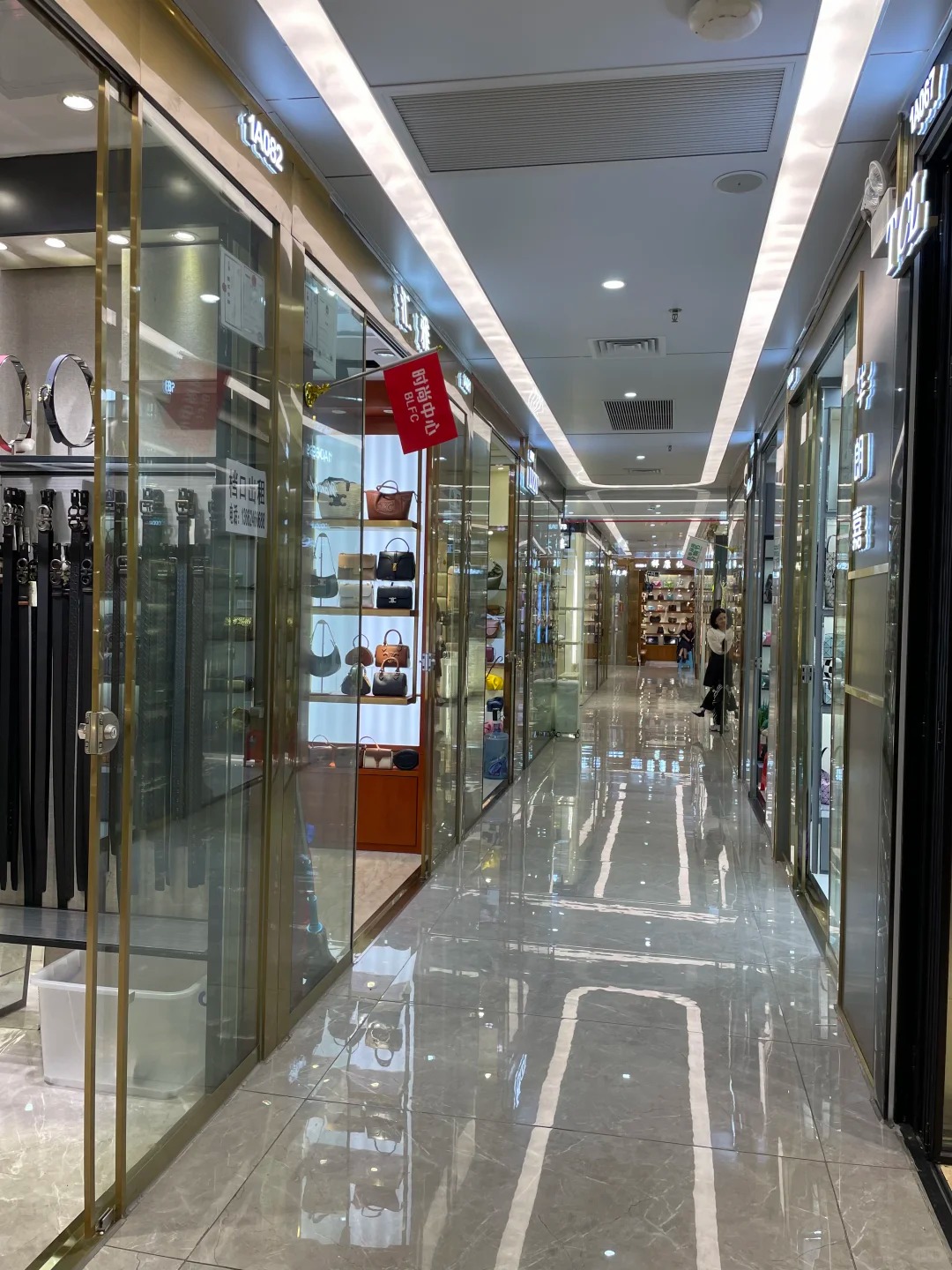
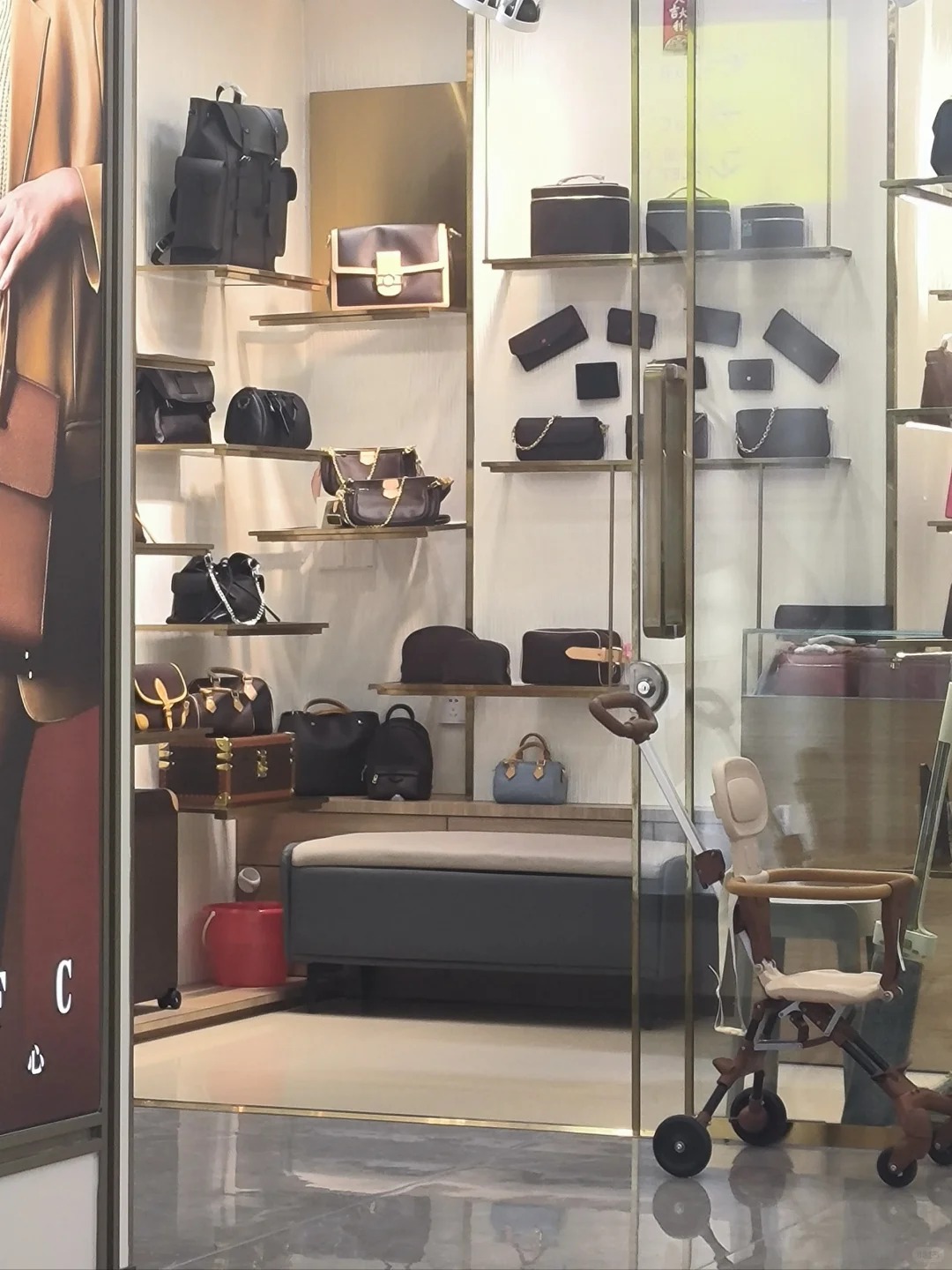
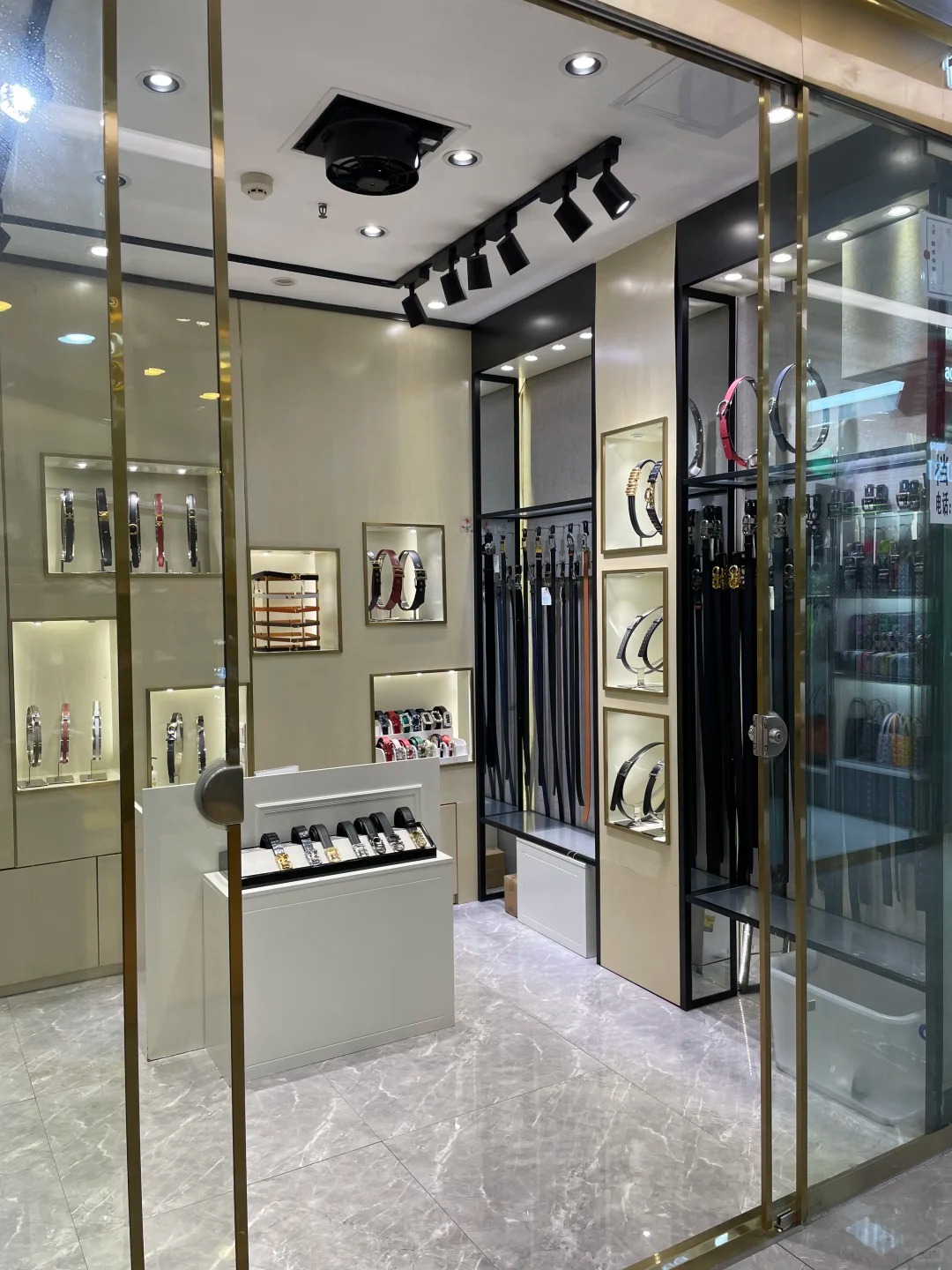
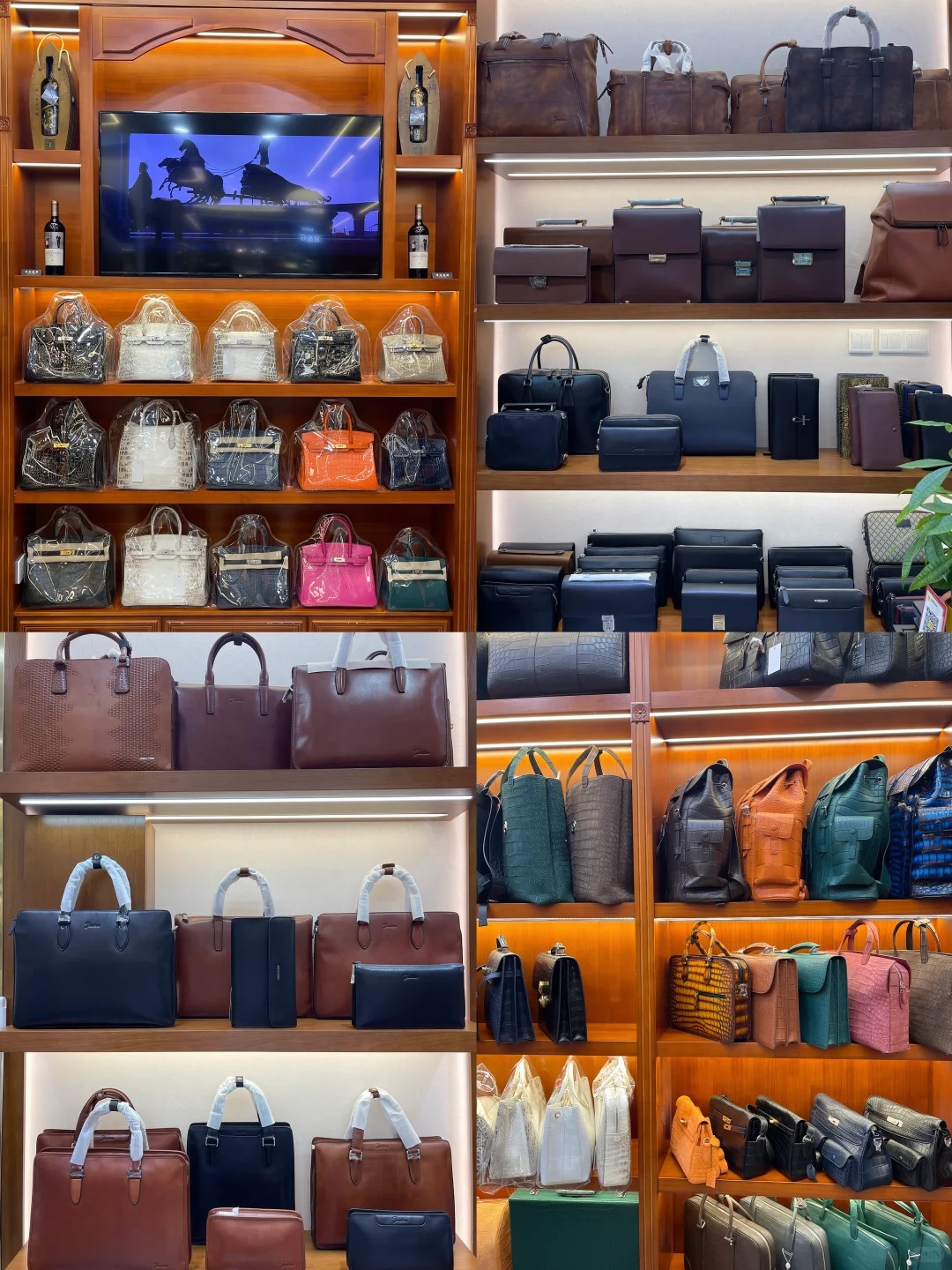
If you are scouting for via spiga styles at wholesale level, you will find that most market stalls in hubs like Guangzhou or Yiwu are not selling the brand itself—they are showcasing the factory’s own production. This is a crucial distinction. These stalls represent the exact same factories that produce for Western brands, but they offer their own iterations or unbranded versions.
Tips for Stall Sourcing:
- Request sample orders: Never rely on photos alone. Feel the leather, check the stitching, and examine the sole construction.
- Ask about MOQ: Minimum order quantities vary. Some stalls accept as low as 30 pairs per style, others require 100+.
- Focus on materials: Genuine leather (cowhide, sheepskin) versus PU makes a huge difference in price and durability. Via Spiga uses high-quality materials, so insist on the same.
- Check the outsole: Real leather soles or high-grade rubber are hallmarks of quality. Factory stalls can match these specifications.
Fabric, Texture, and Workmanship
When you visit a stall claiming ownership of via spiga factory production, you must inspect the goods like a pro. Here is what to look for:
1. Leather Quality
Via Spiga often uses full-grain or top-grain leather. Press the leather—it should wrinkle slightly and return to smooth. Cheap PU will not deform. Also, sniff the material; genuine leather has a distinct, organic smell, while synthetic smells plasticky.
2. Stitching
Consistent, tight stitches per inch (SPI) are a sign of good workmanship. Discolorations or loose threads indicate poor QC. For boots, examine the shaft stitching—it should be straight and even.
3. Sole Attachment
For cemented soles, check for any separation at the edges. For Blake stitched or Goodyear welted shoes (less common but occasionally seen in Via Spiga’s higher-end lines), ensure the stitching is clean and secure.
4. Hardware
Zippers, buckles, and eyelets should be sturdy and smoothly operating. Tarnished or rough hardware is a red flag.
How to Stock Like a Pro
Instead of chasing the brand name, focus on the specifications that made Via Spiga popular: elegant silhouettes, quality materials, and comfortable lasts. Many factory stalls, including those found at Soudangkou, offer shoes that match these criteria perfectly. By building a relationship with a trustworthy stall, you can get consistent stock without the brand markup.
Remember: the best wholesalers do not hide production facts. They will tell you exactly where the shoes are made (often in their own Chinese factories) and what materials are used. If they claim Italian origin but offer suspiciously low prices, walk away.
FAQ
| Question | Answer |
|———-|——–|
| Are Via Spiga shoes made in China? | Yes, the majority are manufactured in Chinese factories, typically in Guangdong or Zhejiang provinces. |
| Can I get Via Spiga shoes directly from Chinese wholesalers? | Most wholesalers offer their own factory styles inspired by Via Spiga, not the branded product itself (unless they are authorized distributors, which is rare). |
| How to identify quality via spiga factory shoes? | Check leather, stitching, sole attachment, and hardware. Request samples and compare to authentic retail pairs. |
| What is the typical MOQ for wholesale? | Generally 30-100 pairs per style, but some stalls accept smaller orders for higher prices. |
| Are there any Italian-made Via Spiga shoes? | Some limited editions or older collections might be made in Italy, but contemporary production is overwhelmingly in China. |
| Is it legal to sell unbranded shoes that look like Via Spiga? | Yes, as long as there is no trademark infringement (logos, branding). Unbranded styles in similar designs are perfectly legal. |
Final Takeaway
Yes, Via Spiga shoes are made in China. The smart wholesale strategy is to leverage the same factories through credible market stalls. Focus on quality markers—leather, stitching, and construction—and you can offer comparable styles at a fraction of the retail price. Platforms like Soudangkou can connect you with reliable suppliers, but always do your due diligence with samples and communication.
广州服装档口相关入口
继续查看相关市场和品类入口,方便对比档口微信、货源范围、拿货方向和试单前需要核实的信息。