
Baiyun Leather Company Guangzhou: The Wholesale Reality
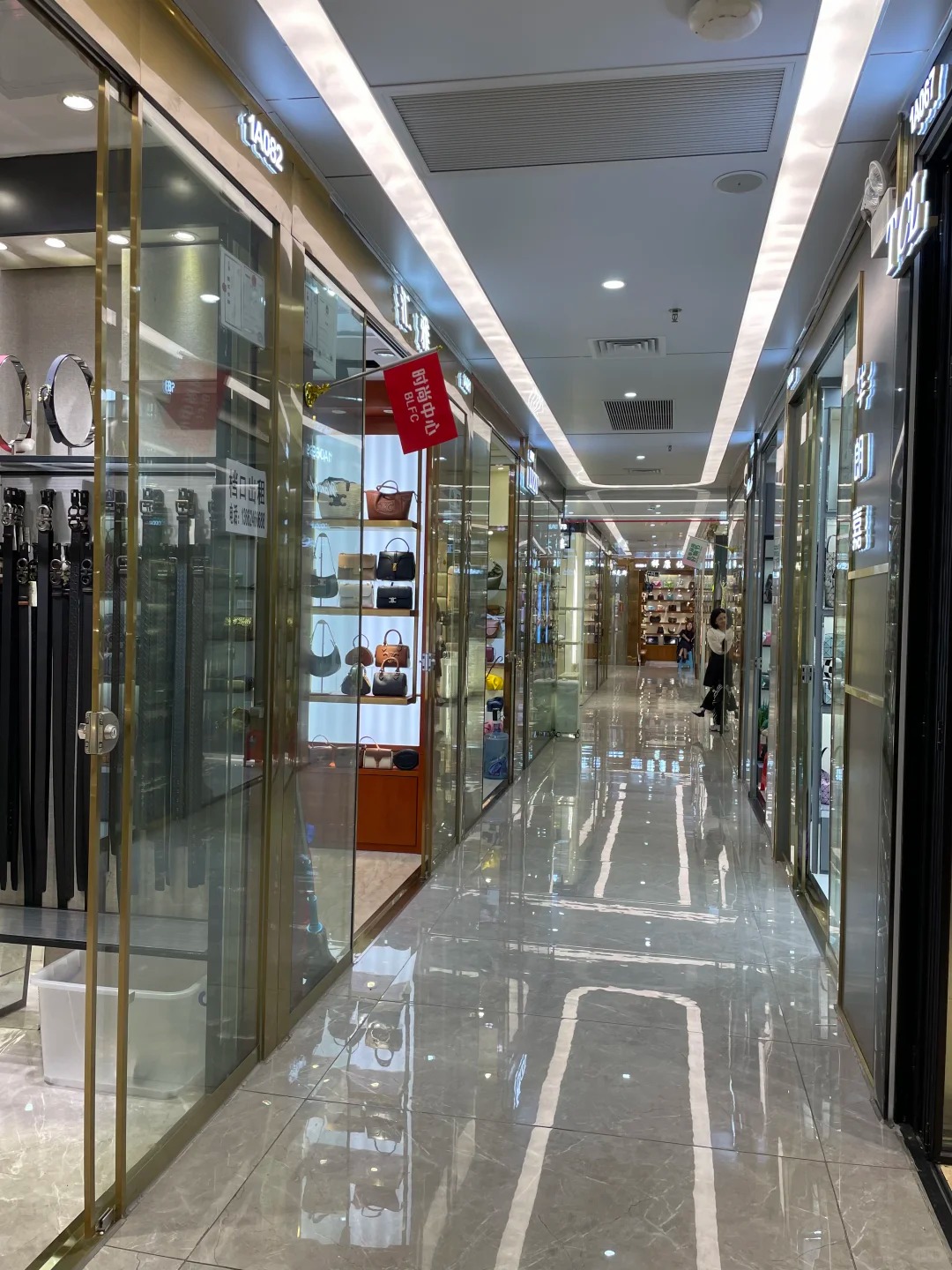
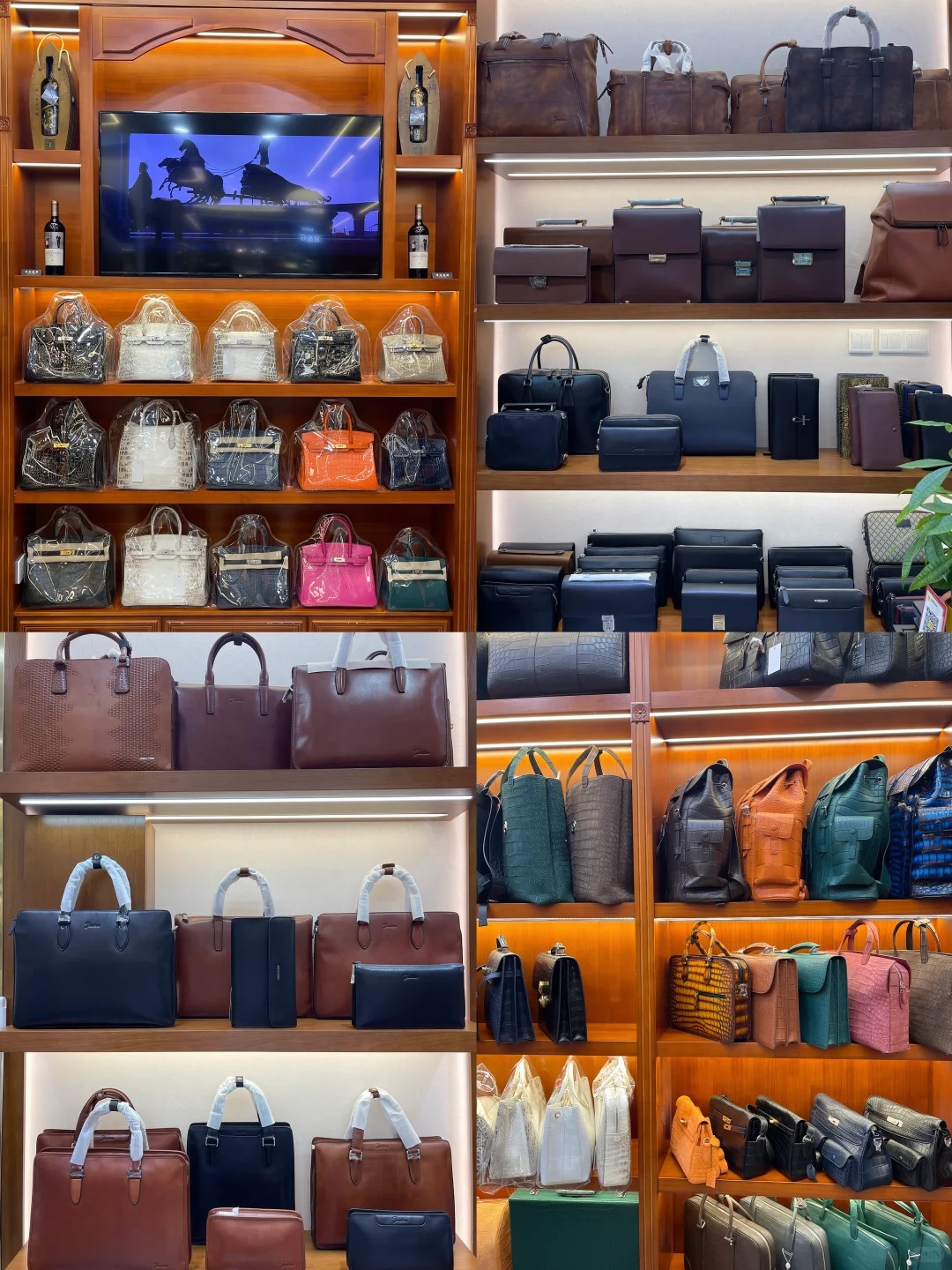
Baiyun leather company Guangzhou is not a single entity but a collective term for hundreds of leather goods wholesalers clustered in the Baiyun District, primarily around the Sanyuanli and Tongdewei areas. This is the heart of the leather trade in southern China, where you can source anything from full-grain cowhide to synthetic PU, and finished leather bags, shoes, and jackets directly from factory-backed stalls. For serious buyers, it offers unparalleled access to one-stock spot goods, competitive pricing, and hands-on quality inspection.
Let’s cut through the noise. Below is a practical guide to navigating these markets, evaluating fabric texture and stitching, and securing the best deals.
Navigating the Market: Stalls vs. Showrooms
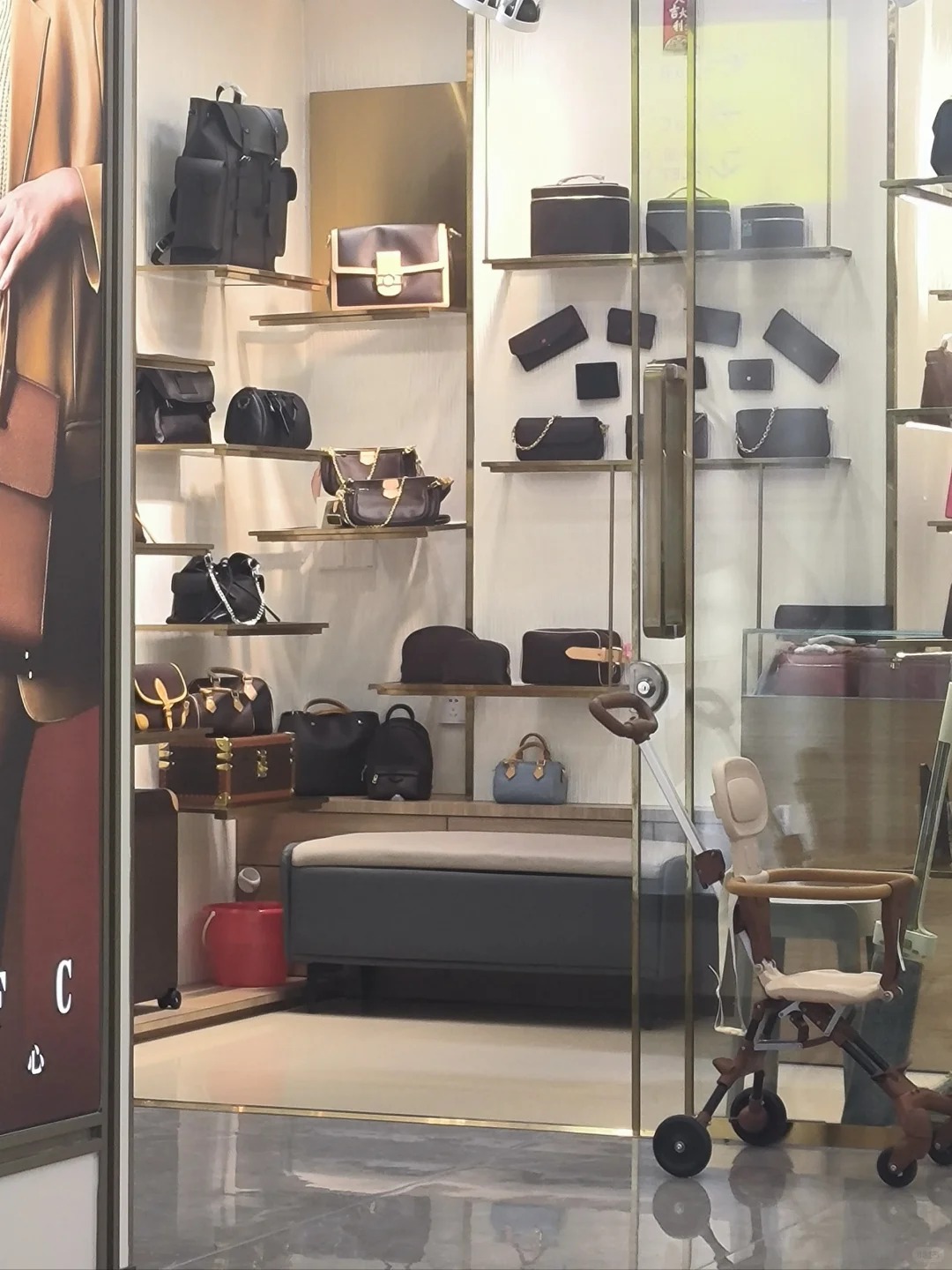
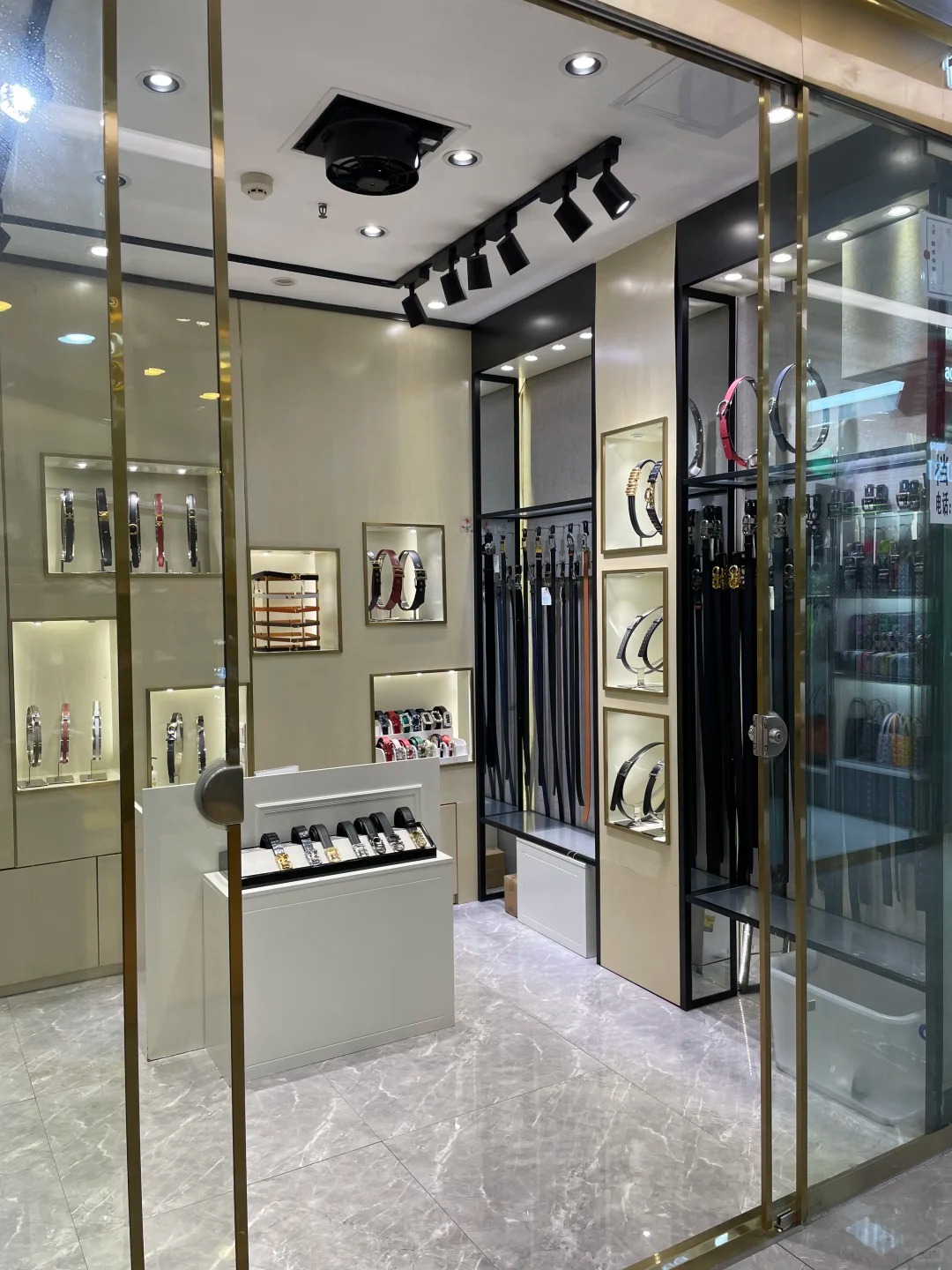
Most operations here are wholesale market stalls (档口). These are not fancy showrooms; they are functional spaces stacked with inventory. Don’t expect airs. The key is to quickly gauge a stall’s specialization: some focus on exotic skins, others on high-frequency PU for fast fashion. Ask directly: “Is this first-quality? Have you got stock now?” (这个是一等品吗?现在有现货吗?).
For spot goods, stalls with a high-volume turnover are your best bet. They usually display a few samples but can produce dozens of pieces within hours. Avoid stalls that only have catalogs – they likely just trade orders and may not have the same control over quality or lead times.
Fabric Texture & Stitching: What Experts Check
When you handle a leather piece, trust your hands and eyes:
- Genuine leather: Press your finger into it. Look for slight wrinkling and a soft, porous feel. The edge should be rough or finished nicely – not a uniform plastic edge.
- Synthetic PU: It feels more uniform and may have a fabric backing. Check the crease – natural leather creases softly; PU often has a sharp, plastic-like fold line.
- Stitching: Flip the item inside out if possible. Look for consistent stitch length (typically 5-6 stitches per inch for strength). Loose threads or skipped stitches signal poor workmanship – walk away.
FAQ: Quick Answers for Buyers
| Question | Answer |
|———-|——–|
| **What is the minimum order quantity (MOQ)?** | For spot goods at stalls, often 1-10 pieces. Factory orders start at 100-200 pieces. |
| **How to pay?** | Cash (RMB) or WeChat/Alipay for small sums. Wire transfer for larger orders. |
| **Can I get samples?** | Yes, but you pay for them. Typically 1-2 times the wholesale price, refundable with bulk order. |
| **Is it safe to buy from unknown stalls?** | Stick to stalls with a physical presence for years. Platforms like Soudangkou can help verify suppliers. |
| **Do they speak English?** | Limited. Prepare a translation app or hire an agent. |
| **Shipping options?** | Most stalls can arrange domestic courier; for export, you need a freight forwarder. Consult Soudangkou for logistics partners. |
The Bottom Line
Baiyun leather district is a treasure trove if you know where to look. Do your homework, inspect the goods like a pro, and negotiate respectfully. One-stop sourcing platforms like Soudangkou can streamline supplier discovery and vetting, saving you time and risk. Always get a receipt and confirm stock availability before paying any deposit.
For buyers serious about leather, the Baiyun market remains unmatched in variety and value. Go prepared, and you’ll leave with quality leather at prices that make sense.
广州服装档口相关入口
继续查看相关市场和品类入口,方便对比档口微信、货源范围、拿货方向和试单前需要核实的信息。