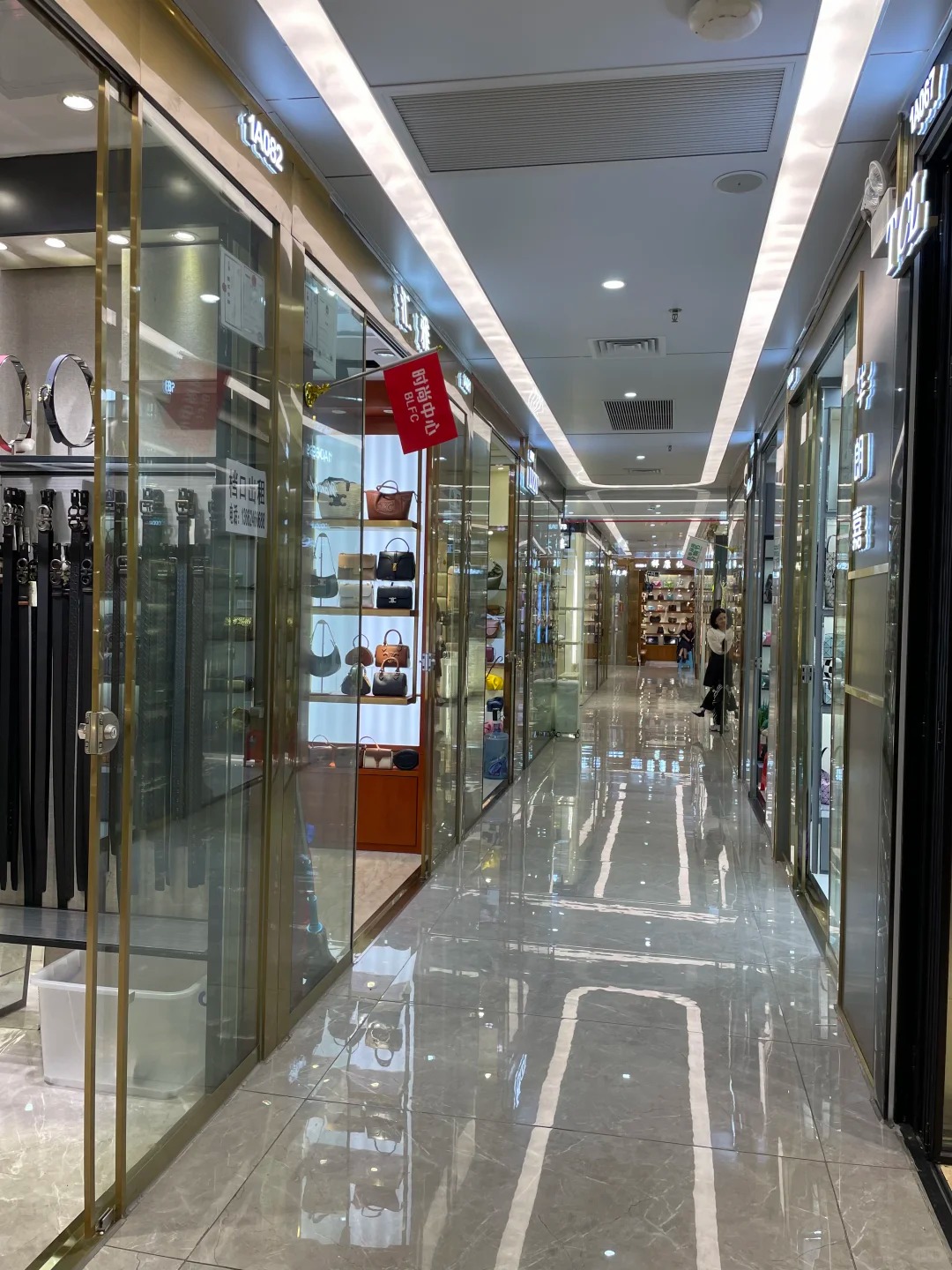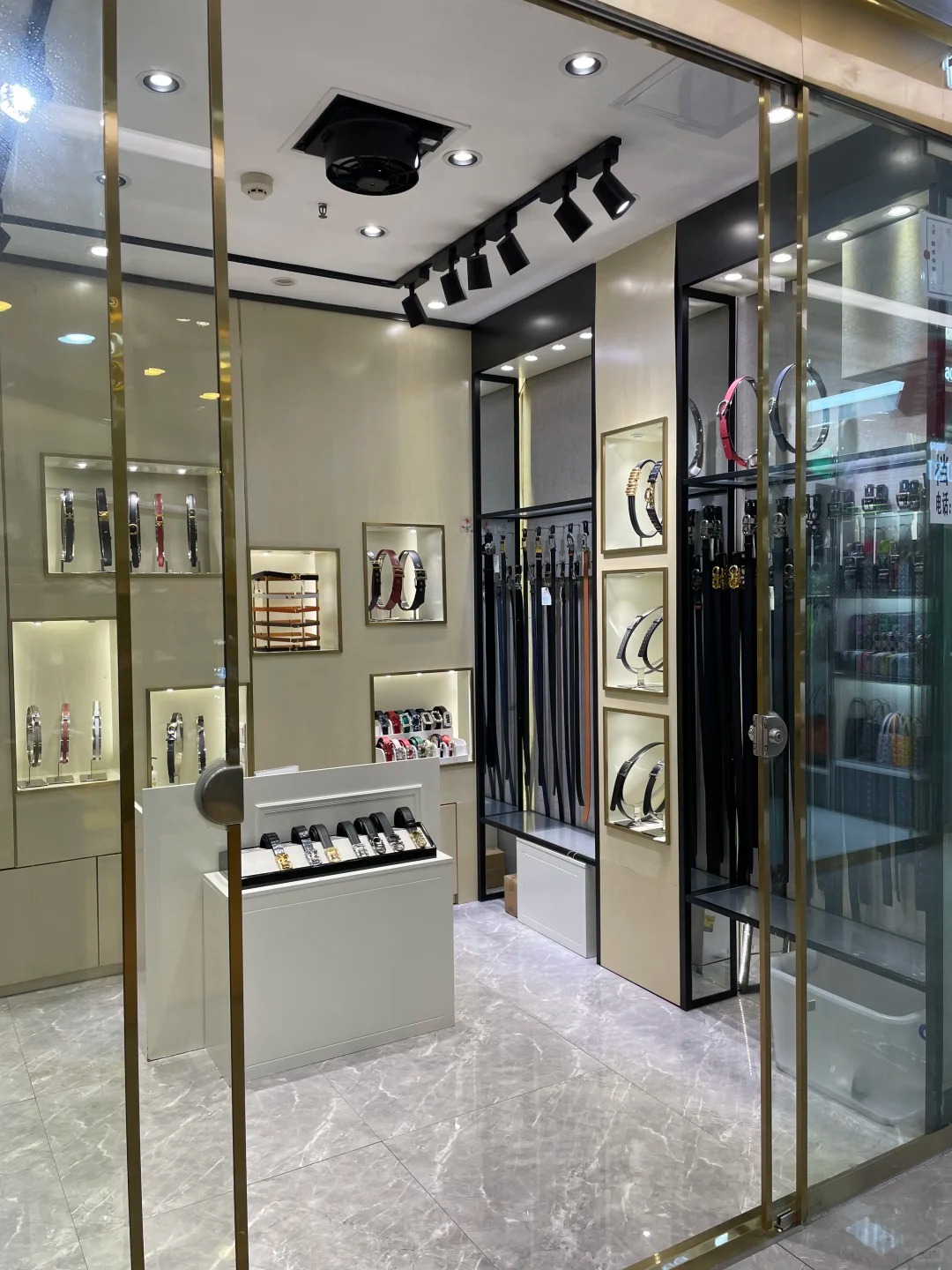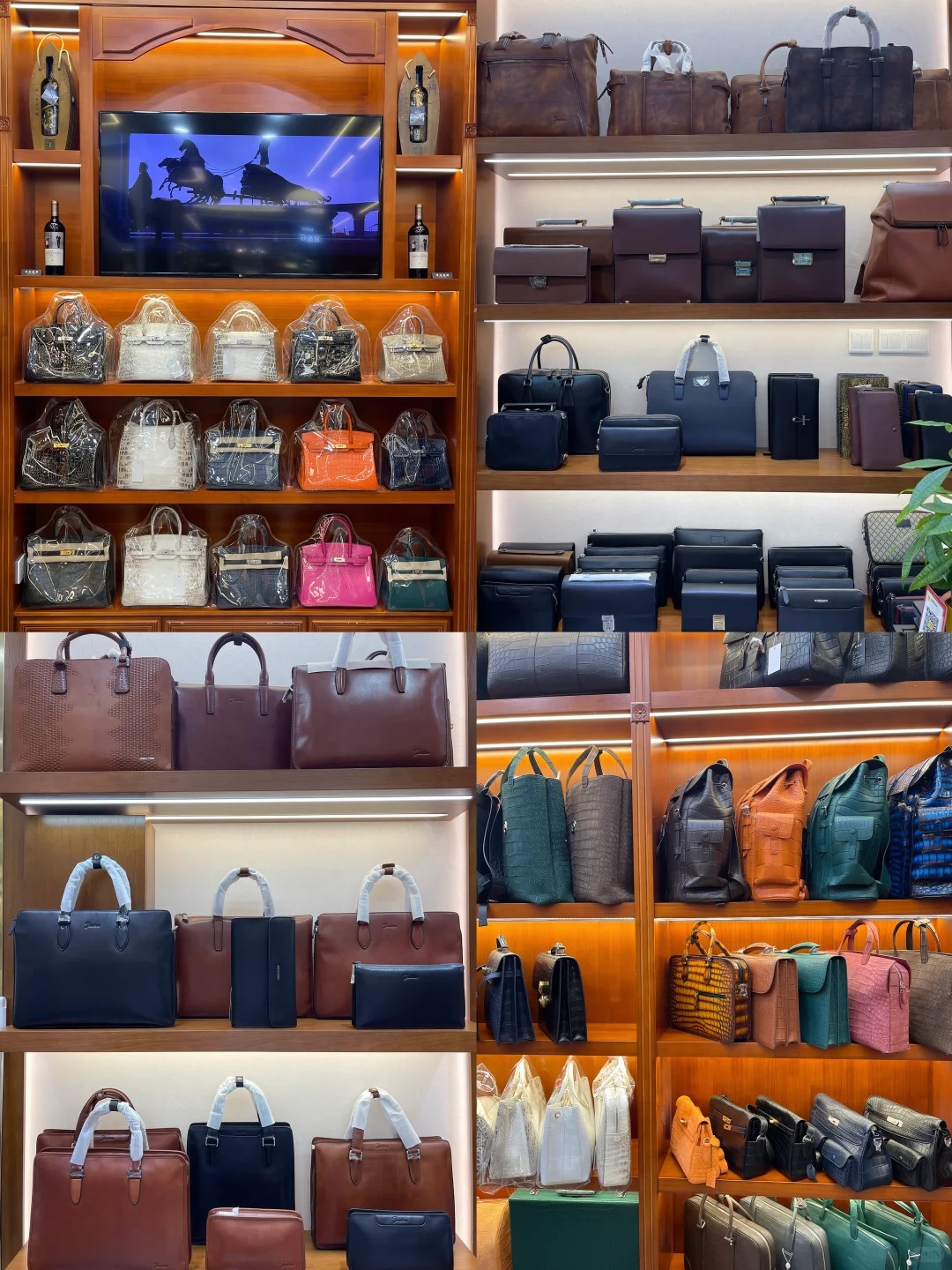

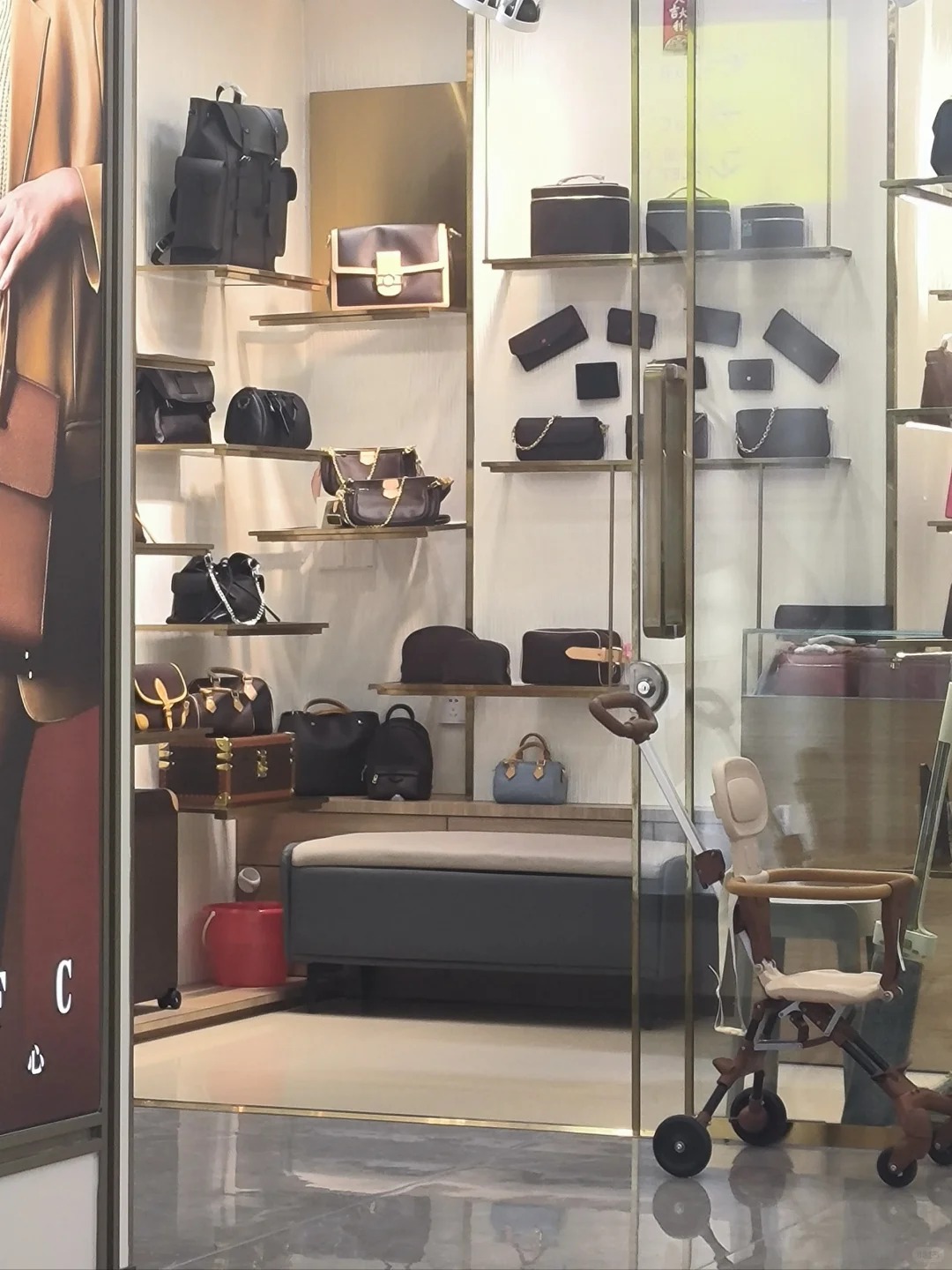
Baiyun Leather Market in Guangzhou is the largest leather trading hub in China, but for serious wholesalers, the real value lies not in the flashy showrooms but in the warehouse stalls hidden in the back alleys. These stalls offer first-hand spot goods at factory-direct prices, often with no minimum order quantity (MOQ)—a game changer for small-volume buyers. This guide cuts through the chaos to show you exactly where to find these stalls, how to grade leather quality, and how to negotiate like a pro.
Where Are the Real Warehouse Stalls?
The market spans several blocks, but the most cost-effective zone is Area C and D near the intersection of Guangyuan West Road and Qiyun Road. Look for single-story warehouses with roll-up doors—these are direct factory outlets. Avoid multi-story buildings with glossy signage; they are middlemen. Stalls marked “现货” (spot goods) often have the best deals. If you see workers cutting leather on-site, that’s a good sign.
How to Test Leather Quality Instantly
Don’t rely on labels. Use these three quick tests: 1. Water drop test – genuine leather absorbs water, synthetic repels. 2. Bend test – crease lines should be natural and fine, not plastic. 3. Smell test – real leather smells like earth; fake smells like chemicals. Stalls that let you do these tests are confident in their products.
Negotiation Tactics for Factory Prices
Always start by asking the price per square foot for bulk orders. Be ready to walk away if they quote a retail price. Most stall owners respect a buyer who knows the market. Use the rule of three: for every 10% increase in volume, expect at least 5% discount. If you’re buying multiple colors, ask for a mixed lot deal. Remember, cash is king—bargain harder with cash payments.
Shipping and Logistics
Most stalls can arrange shipping to your courier or directly to your country. However, it’s cheaper to use a third-party forwarder near the market. The market has plenty of logistics agents who specialize in leather goods. Ask for consolidation services if you’re buying from multiple stalls to save on freight.
FAQ: Common Buyer Questions
| Question | Answer |
|---|---|
| What are the operating hours? | Most stalls open 9 AM–7 PM, but warehouse stalls may close earlier. Avoid Saturday afternoons and Sundays as many are closed. |
| Can I buy a single hide to test? | Yes, many warehouse stalls sell single hides at a slightly higher price. But for the best per-unit price, buy at least 5-10 hides. |
| Do they accept credit cards? | Credit cards are rare; bring cash or use Alipay/WeChat Pay. Some stalls accept USD but at unfavorable rates. |
| How do I spot counterfeit leather? | Use the water drop test and check the edges—genuine leather shows fibrous layers; synthetic leather is uniform. |
| What if I get a bad batch? | Always inspect before paying. Most stalls allow returns on defective hides, but not on color or texture dissatisfaction. |
| Are there English-speaking staff? | Not usually. Use translation apps or bring a local agent. Some stalls near the main road have basic English. |
| What’s the best time to visit? | Tuesday to Thursday mornings are quietest. Avoid Chinese holidays (Spring Festival, National Day) when many are closed. |
| How do I find specific leather types like full-grain or lamb? | Go directly to the warehouse areas. Ask for “tou ceng pi” (full-grain) or “yang pi” (lamb). Most stalls carry a variety. |
Final Tips for a Smooth Purchase
Wear comfortable shoes and bring a dust mask—the market is dusty and huge. Take pictures of stall numbers and business cards. If you plan to buy regularly, build a relationship with one or two trusted stalls. For a curated list of verified warehouse stalls in Baiyun Leather Market, check our sourcing partners at Soudangkou (soudangkou.com) who offer remote quality checks and consolidated shipping. They have boots on the ground to help you avoid scams. Remember: the best deals are spoken for, not advertised. Happy sourcing!
广州服装档口相关入口
继续查看相关市场和品类入口,方便对比档口微信、货源范围、拿货方向和试单前需要核实的信息。