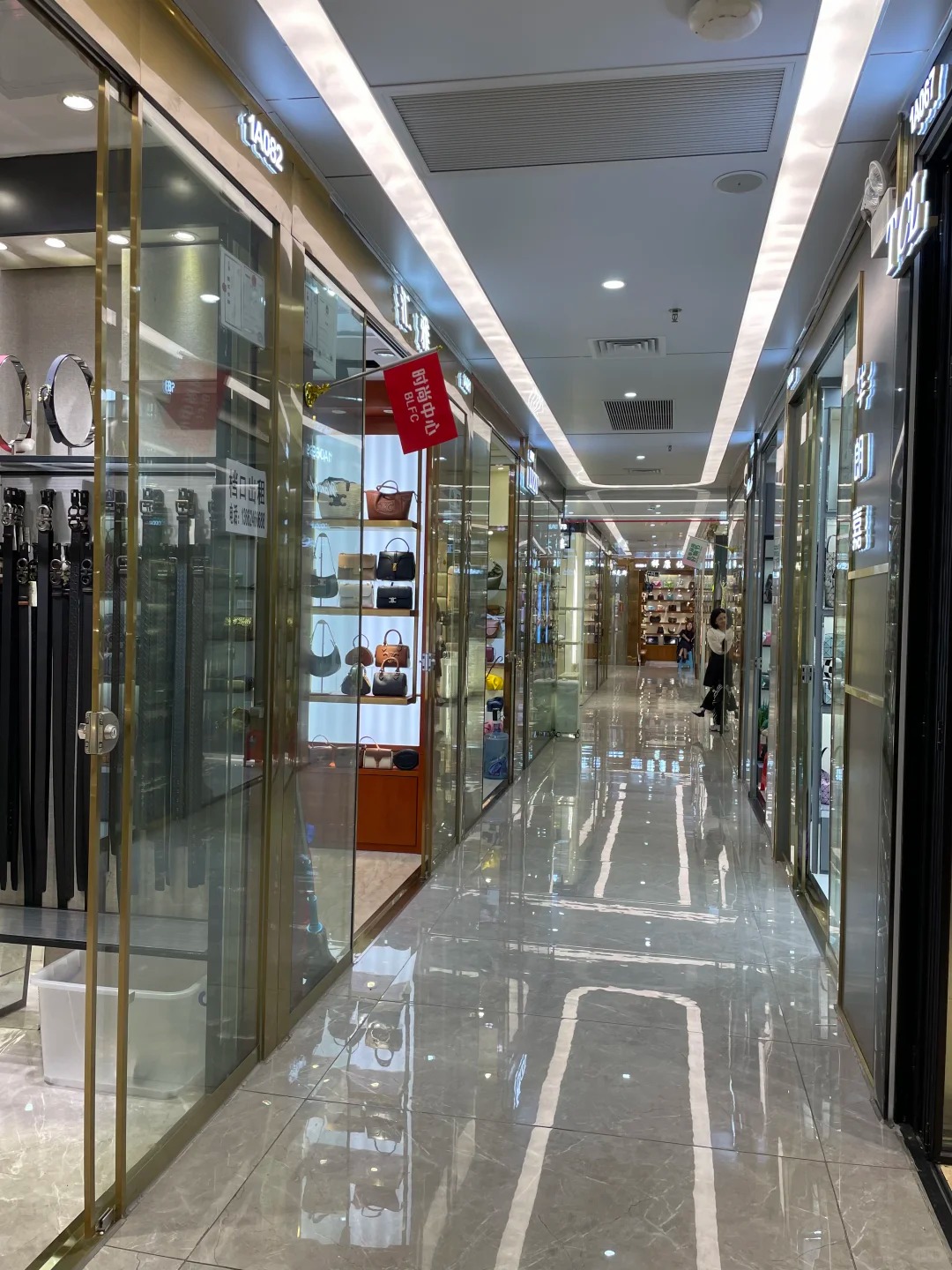

If you’re looking for beads and jewelry making supplies in China, the best place to start is wholesale market stalls, where you can get instant stock, feel the materials, and negotiate prices face-to-face. Unlike online sourcing, market stalls let you inspect the actual beads—check for uniform size, smooth holes, and consistent color—before you buy. This guide covers the strategies for buying directly from these stalls, including cash-and-carry tips and quality checks that online listings often hide.
Why Wholesale Market Stalls Beat Online Platforms for Beads & Jewelry Supplies
Online catalogs can edit colors and hide flaws. At a market stall, you see the real thing. You can touch the beads, test the stringing material, and even open a bag to check for broken pieces. For jewelry making supplies like clasps, jump rings, and tools, you want to feel the weight and finish. Market stalls also offer “one-stop shopping”—you can buy beads, findings, and packaging from neighboring stalls in the same alley.
Top Markets for Beads and Jewelry Supplies in China
Yiwu International Trade Market (Futian Market) – District 1 & 2
This is the largest wholesale hub for small commodities, including beads and jewelry findings. District 1 focuses on artificial flowers and accessories, but walk deeper into District 2 for dedicated bead stalls. You’ll find everything from basic acrylic beads to semi-precious stones. The trick: go early (8-9 AM) when stalls are restocking, and bring a flashlight to inspect bead holes for chipping.
Guangzhou Liwan Plaza & Huagong Market
For higher-end jewelry supplies like Swarovski crystals and pearls, Liwan Plaza is the go-to. But don’t expect brand authenticity—these stalls sell unbranded crystals with similar sparkle. If you ask for “Swarovski-grade”, they’ll direct you to imitation types. Focus on the cut and consistency instead. Huagong Market nearby specializes in metals: brass chains, silver-plated findings. Check the weight and plating thickness by rubbing with a cloth—if it discolors, it’s cheap.
Shenzhen Shuibei Jewelry Market
Shuibei is famous for gold and gemstones, but also has a section for bead strands and jewelry making tools. This market is more suited for professionals—stalls require minimum orders of 100 pieces for metal findings. The advantage: you can see thousands of designs under one roof. For stringing materials like elastic cords, they sell by the roll at 50-100 meters. Test elasticity by stretching a sample—if it snaps easily, move on.
How to Get Instant Stock & Cash-and-Carry
Market stalls prefer cash-and-carry for small quantities (less than 50 sets). Bring a calculator and cash (RMB) for better negotiation. To get instant stock, ask for “现货” (xiàn huò) and be specific: “我需要100条这款手链的套装,有货吗?” (I need 100 sets of this bracelet design, do you have stock?). If they say no, they can often arrange pickup within 2 hours from a nearby warehouse. Stay at the market and they’ll bring it to your stall.
Quality Control at Market Stalls
Always check uniformity: for beads, compare size and color across multiple strands. For findings, open a packet and examine the clasp mechanism—open and close it 3 times. If it feels gritty, the metal is low-grade. Also check for sharp edges on pendants and connectors; you don’t want to cut customers. A common trick: stall owners might show you a sample with better quality than the bulk. Randomly pick 2-3 pieces from the box to inspect.
Mixing Materials: Beads, Findings & Tools in One Trip
One key advantage of market buying is the ability to mix materials. You can buy gemstone beads from one stall, metal spacers from another, and nylon cord from a third. Plan your purchase list before visiting. Start with beads, then findings, then stringing materials. This workflow helps you match colors and sizes perfectly. For example, if your bead hole is 0.8mm, you need a string that’s 0.5mm—test fit immediately.
FAQ: Common Questions About Beads & Jewelry Supplies from China
| Question | Answer |
|———-|——–|
| What is the minimum order quantity at market stalls? | Typically no minimum; you can buy a single packet (10-50 pieces) for most items. But for wholesale price, ask for 100+ pieces per style. |
| How do I identify good quality beads? | Check uniform size, smooth edges, no visible cracks or bubbles in glass beads. For metal findings, look for a polished finish with no rough spots. |
| Can I trust the metal content (e.g., “silver-plated” or “gold-filled”)? | Not all stalls are honest. Carry a magnet—if it sticks, it’s base metal. Also, ask for a sample to test with acid if you’re serious about a large order. |
| Is it safe to pay with cash? | Yes, cash is preferred for small purchases. For large amounts (over 10,000 RMB), use bank transfer for receipts. |
| Do stalls accept returns? | Most don’t for instant stock. Check everything on the spot. If a bulk order arrives defective, you can negotiate a partial refund or exchange. |
| What if I don’t speak Chinese? | Bring a translation app (like Pleco) and a business card from your hotel. Many stalls in Yiwu and Guangzhou have staff who speak basic English for numbers and prices. |
Final Pro Tips
Market shopping is not for the faint-hearted. Wear comfortable shoes, carry a backpack, and don’t be afraid to walk away from a price. Stall owners respect confidence. If you’re new, start with a small budget to test the waters. For more detailed sourcing strategies, you can explore soudangkou.com for stall listings and recent product photos. But nothing beats visiting the market yourself—the smell of raw materials, the clink of beads, and the glare of overhead lights are part of the experience. Happy sourcing!
广州服装档口相关入口
继续查看相关市场和品类入口,方便对比档口微信、货源范围、拿货方向和试单前需要核实的信息。