
The Short Answer: Yes, You Can Find Cheap Eco Bags in China
The key is knowing where and how to buy. Forget online listings with fake photos. The real bargains live in wholesale market stalls in Guangzhou and Yiwu. You just need to know what to look for. This guide gives you the exact tactics from a supplier’s perspective.
Understand the Product: Fabric and Stitching Matter Most
Fabric: Spot the Difference
Eco bags come in four main materials: non-woven polypropylene, cotton canvas, jute, and recycled PET. Cheap doesn’t mean poor quality. For non-woven, look for 80gsm minimum. Lower than that feels flimsy. For cotton canvas, 140gsm is the baseline. Check the weave density – hold it up to light. If you see gaps, skip it.
Stitching: The Real Test
Turn the bag inside out. Are the seams straight? Are there loose threads? Good stitching uses 3-4 stitches per centimeter. Single-stitch seams will tear under weight. Double-stitching on handles is a must. At the stall, unzip a sample and tug on the seams. If they pull apart easily, move on.
Where to Find Cheap Eco Bags: Market Stalls vs. Agents
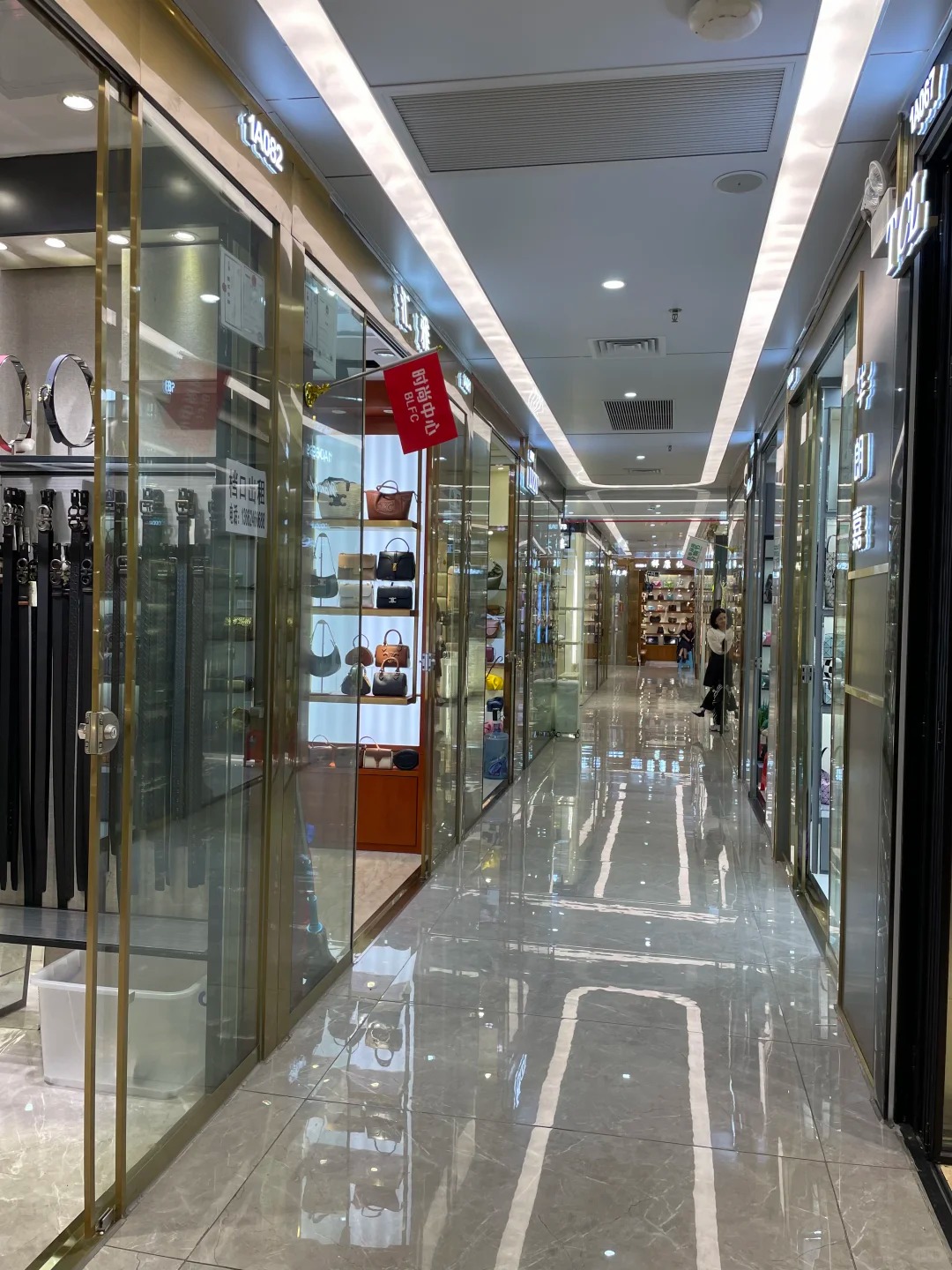
Most online ‘suppliers’ are agents – they mark up prices 30-50%. To get wholesale prices, you need to visit physical market stalls. The best are in Guangzhou’s Zhongyi Plastics Market and Yiwu International Trade City. These stalls stock thousands of ready-to-ship designs. You can inspect and negotiate on the spot.
Tips for Buying from Stalls
- Ask for ‘现货’ (spot stock). Stall owners have warehoused inventory. They’ll give better prices to clear it.
- Check the order slip. It should state fabric weight, dimensions, and color. If the stall owner can’t provide a professional slip, walk away.
- Negotiate based on volume. For 500-1000 pieces, you can get 10-20% off the stall price. Show you know the market.
If you can’t travel, consider using a sourcing agent based in Guangzhou who specialises in eco bags. They can visit Soudangkou’s market floor for you, but ensure they share actual photos and videos.
Common Pitfalls and How to Avoid Them
| Problem | How to Avoid |
|---|---|
| Bait-and-switch photos | Request a sample before bulk order. Pay for DHL – it’s worth it. |
| Hidden costs (design, molds) | Get a full Cost Breakdown: material, labor, packaging, shipping. |
| Minimum order quantity too high | Look for stalls that do mixed pallets – combine different designs to reach MOQ. |
| Poor packaging leading to damage | Specify double-layer polybags or carton padding. Avoid paper packaging. |
| Delivery delays | Build in a 2-week buffer. Insist on a delivery schedule in the contract. |
Sample Comparison Table (for inspo)
| Material | Weight (gsm) | Typical Price (FOB Guangzhou) | Best Use |
|---|---|---|---|
| Non-woven PP | 80-100 | $0.20 – $0.40 | Giveaways, lightweight shopping |
| Cotton canvas | 140-180 | $0.50 – $1.00 | Reusable grocery, branding |
| Jute | 270-350 | $0.80 – $1.50 | Wine bottles, premium retail |
| Recycled PET | 100-120 | $0.35 – $0.70 | Eco-conscious campaigns |
Final Words: Build a Relationship
The best deals come from repeat orders. Once you find a stall that delivers on price and quality, stick with them. Ask about their new arrivals and stock clearance. And always, always get a sample first.
广州服装档口相关入口
继续查看相关市场和品类入口,方便对比档口微信、货源范围、拿货方向和试单前需要核实的信息。