
How to Source Boutique Shopping Bags from China’s Wholesale Markets
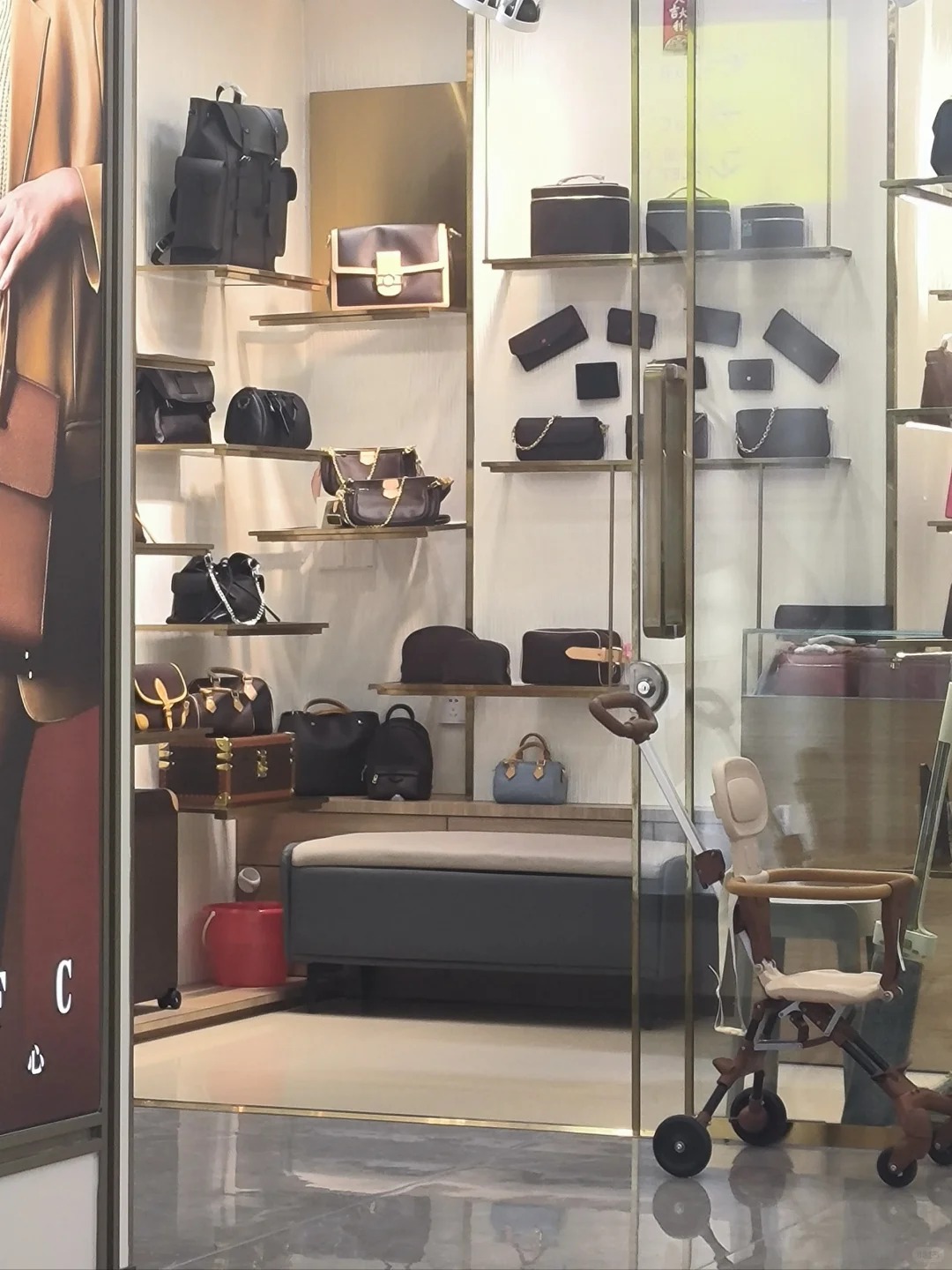
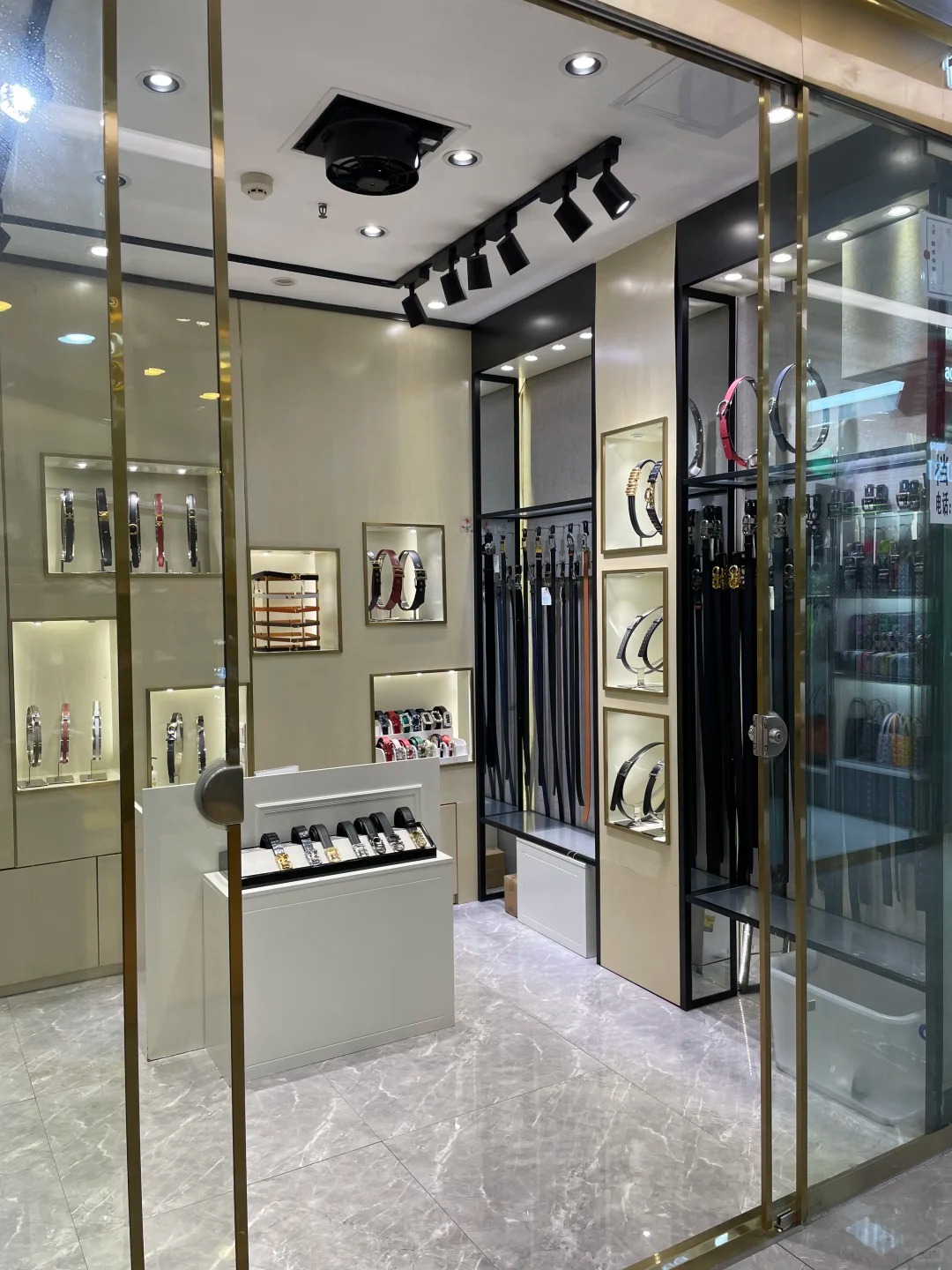
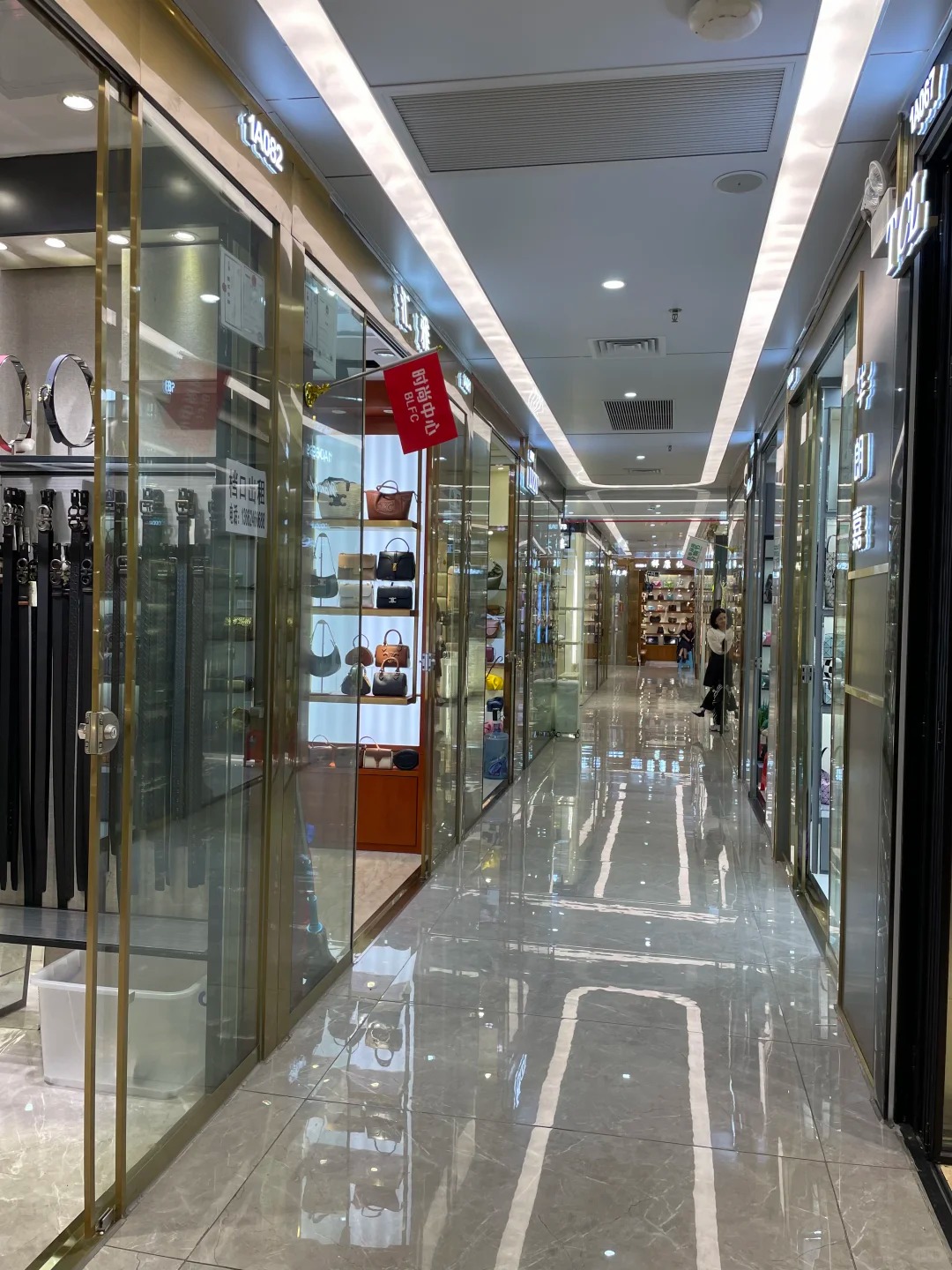
If you’re looking for a china boutique shopping bags wholesale supplier, the real power lies not in online directories but in the bustling wholesale market stalls of Guangzhou, Yiwu, and Shenzhen. These stalls offer instant access to first-hand stock, allowing you to touch fabrics, examine stitching, and negotiate prices on the spot. This guide breaks down exactly how to navigate these markets like a pro.
Why Market Stalls Beat Online Platforms for Boutique Bags
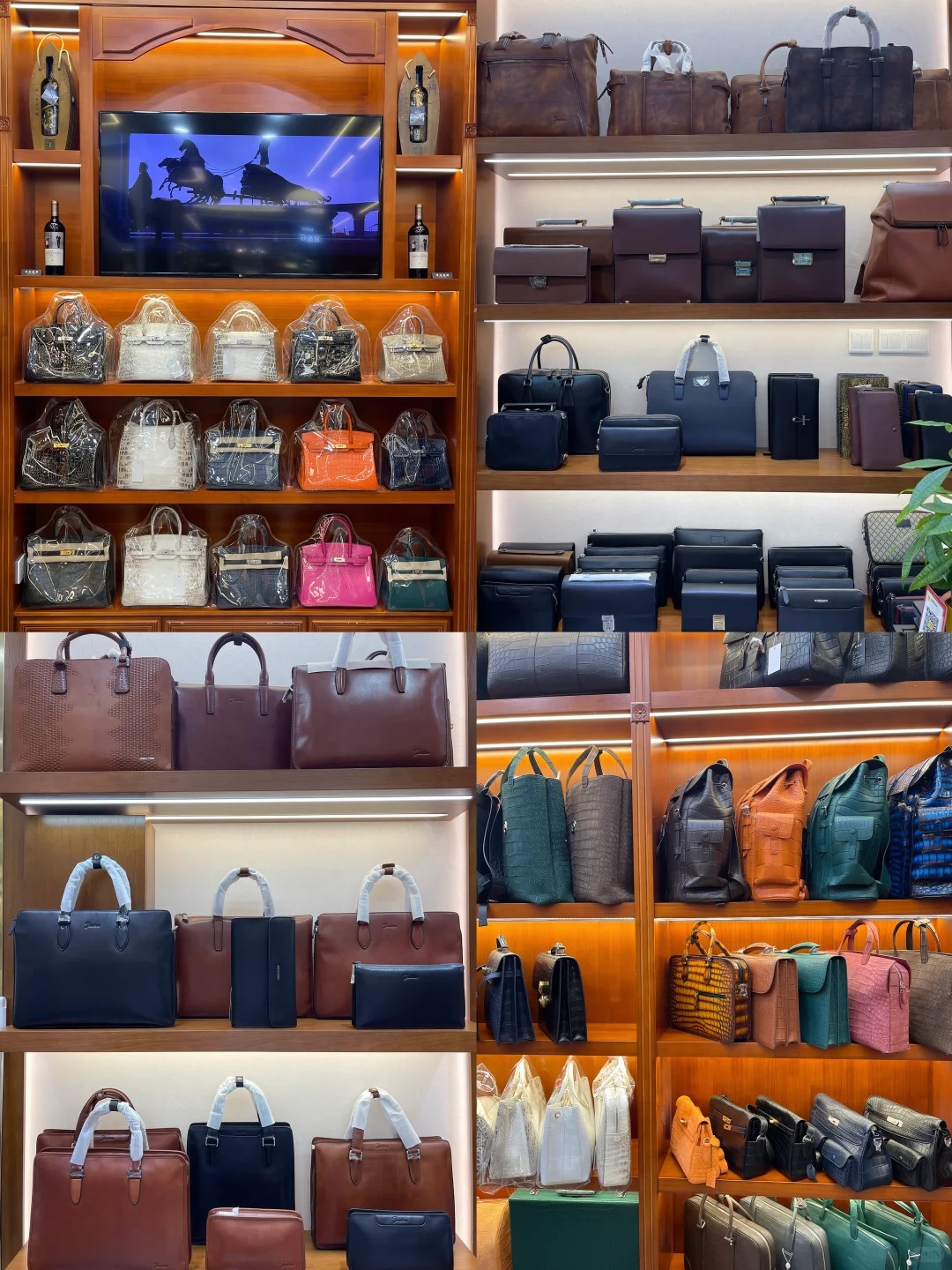
Online platforms like Alibaba are great for bulk orders, but for boutique brands demanding quality and uniqueness, physical stalls win. You can feel the fabric—be it soft microfiber, sturdy cotton canvas, or elegant satin—and scrutinize the stitching and hardware. Many stalls specialize in small-batch or even one-off designs, perfect for curated collections. Plus, you can walk away with your order immediately if you find a gem, a process known as “spot sourcing.”
Spot Sourcing: The Art of Grabbing Stock Instantly
When you visit a wholesale market, ask for “现货” (xiàn huò) – products ready for immediate sale. Bring cash (some stalls offer discounts for cash payments) and a portable color wheel to match bag colors with your current season’s palette. Don’t be shy to request a close-up look at the sewing: look for even thread tension, double stitching at stress points, and smooth zipper pulls. A reliable supplier will often let you test the zippers and open the bags. For a curated experience, check out Soudangkou, a platform that highlights vetted stall holders known for boutique-grade finishes.
Decoding Fabric and Stitching Quality
Boutique shopping bags typically use three fabric tiers:
- Entry-level: 200-250 GSM non-woven polypropylene (PP) – feels rough but durable. Good for budget lines.
- Mid-range: 300-400 GSM polyester or cotton blend – softer with a less rustly feel. Often used for reusable tote bags.
- Premium: 500+ GSM satin or microfiber – smooth and luxurious, often with lining and internal pockets.
For stitching, count the stitches per inch (SPI). A quality bag should have 6-8 SPI for strength. Avoid bags where you can see visible threads or loose ends. Many stalls in Guangzhou’s Liwan district are famous for exquisite embroidery work that mimics high-end brands.
FAQ: Quick Answers from a Market Pro
| Question | Answer |
|---|---|
| Can I get custom colors at market stalls? | Yes, but minimum order quantities (MOQ) may apply. Many stalls have Pantone swatches to match. |
| How do I avoid counterfeit products? | Stick to stalls that openly display factory licenses and avoid any bags with suspicious labels or logos. Focus on unbranded, high-quality blanks. |
| What is the typical MOQ for boutique bags? | For spot items, as low as 10-50 pieces. For custom orders, 500-1000 pieces. |
| Do stalls accept credit cards? | Cash is king, but larger stalls may accept WeChat Pay or Alipay. Always bring local currency. |
| Can I get samples before bulk buying? | Yes, you can often buy a single sample to check quality. Prices are higher, but it’s worth the investment. |
| How do I find the best stalls? | Wander beyond the main aisles; hidden gems are usually in the back. Local buying agents can help, but try to guide yourself first. |
| Do stalls offer shipping? | Many provide lump-sum shipping to freight forwarders. Negotiate this fee separately. |
Final Word: Why On-Site Visits Are Your Best Bet
Nothing beats the tactile experience of a wholesale market. You catch design trends early, secure exclusive pieces, and build relationships with factory owners. For a digital head start, browse Soudangkou where you can preview stall collections before you fly to China. Remember, the best china boutique shopping bags wholesale supplier is the one whose warehouse you can physically walk through and inspect every seam. Go local, go hands-on.
广州服装档口相关入口
继续查看相关市场和品类入口,方便对比档口微信、货源范围、拿货方向和试单前需要核实的信息。