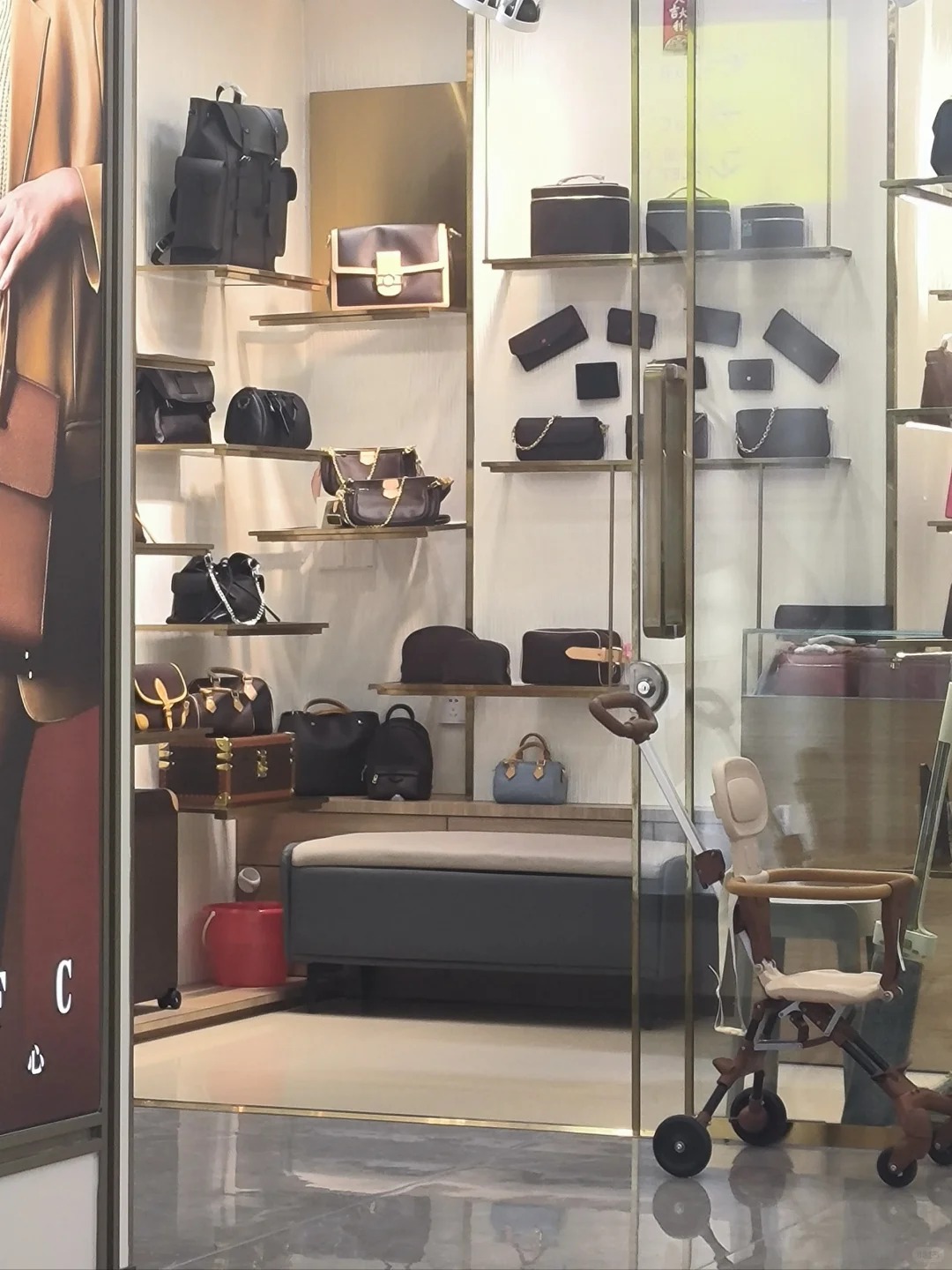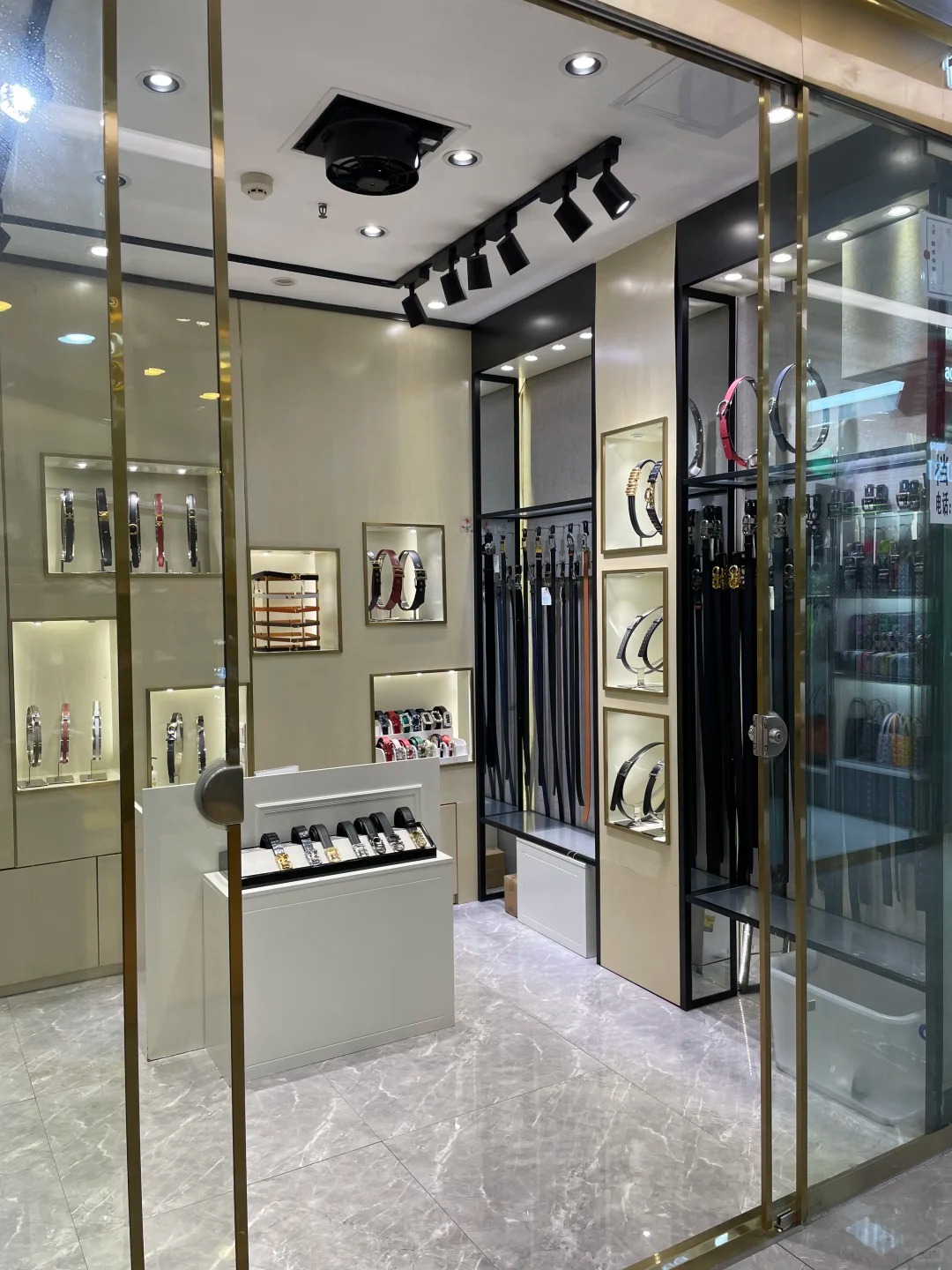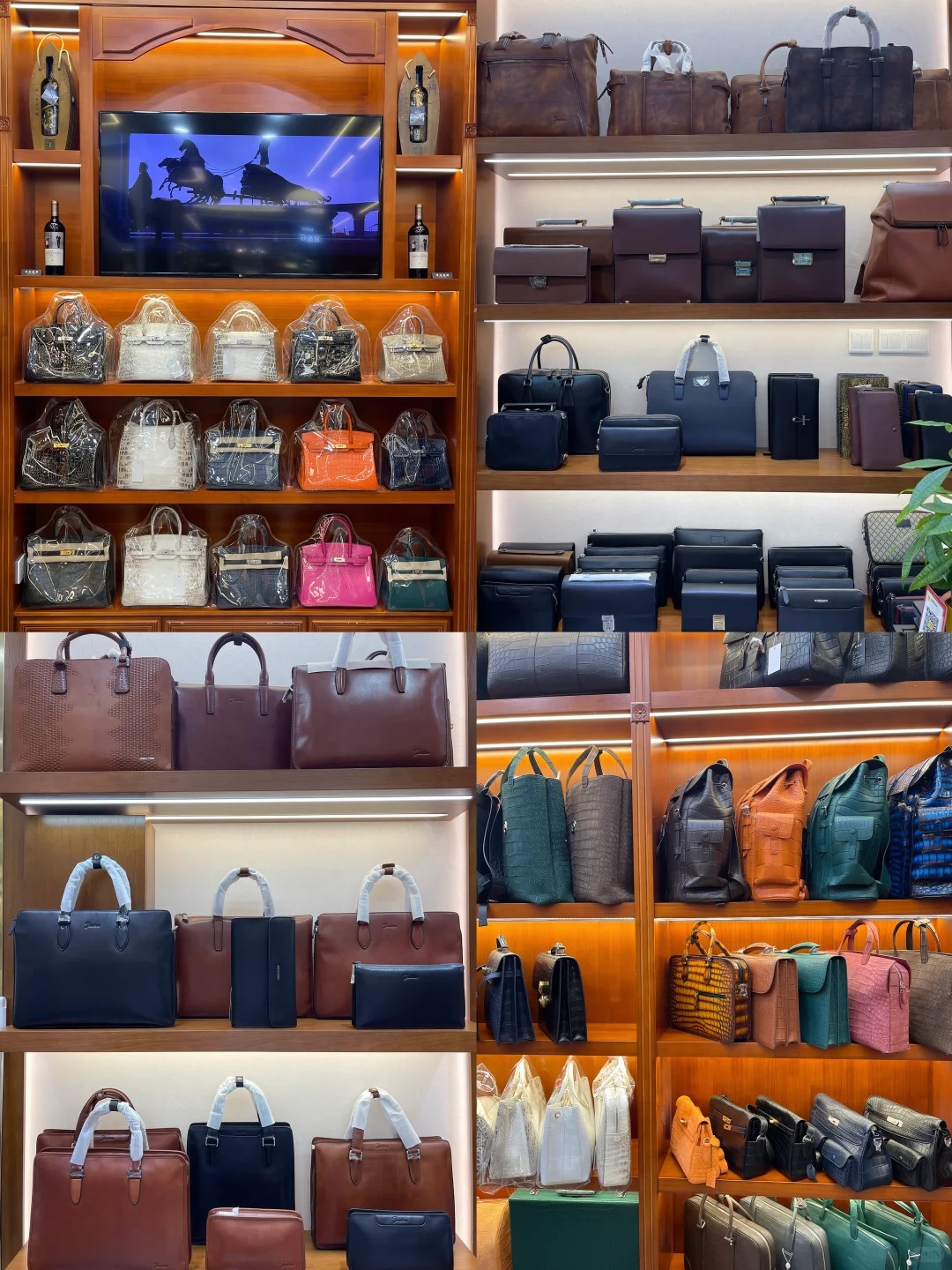

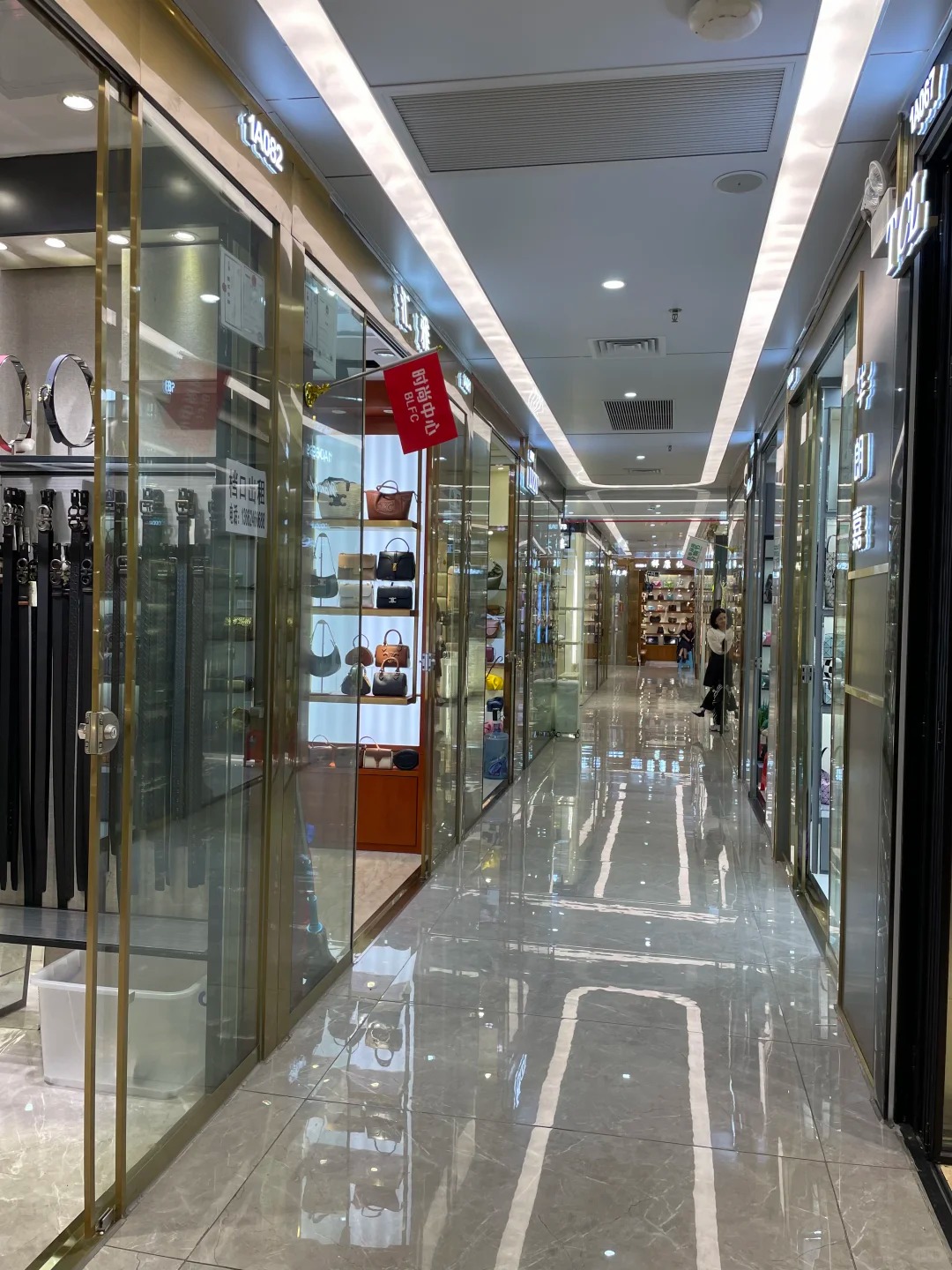
What is a Euro Tote Bag?
A euro tote bag is a large, unstructured carry-all with long handles, typically made from canvas, jute, or non-woven polypropylene. European buyers prefer these for grocery shopping, beach trips, or promotional giveaways. European regulations on single-use plastics drive demand for reusable custom totes.
Why Source from Chinese Wholesale Market Stalls?
Market stalls in Yiwu, Guangzhou, or Shenzhen offer one-spot sourcing for ready stock. You can save 15-30% versus factory-direct MOQs. Stalls display actual stitching, handle reinforcement, and fabric weight. You feel the material, test the print, and negotiate pricing on the spot.
For custom euro tote bags, stalls can arrange screen printing or heat transfer within 48 hours for bulk orders. Always ask for strike-off samples before mass production.
Key Quality Checks When Strolling Through Stalls
1. Fabric Weight & Texture
Standard euro totes use 80-120 gsm spunbond polypropylene. Heavier 140-160 gsm woven material lasts longer. Jute or cotton canvas (8-10 oz) suit premium brands. Rub the fabric—see if colors transfer or fibers shed.
2. Stitching & Seam Strength
Look for double stitching on handles and bottom seams. Single stitches rip easily when loaded. Check inside: loose threads or skipped stitches indicate poor quality. Market stalls often sell lower grades—inspect every bag if possible.
3. Handle Attachment
The handle-to-bag connection bears most weight. Good totes have cross-stitching or webbing reinforcement. Some stalls offer heat-sealed joints for polypropylene. Avoid bags with handles attached by a single line of stitching.
Pricing & MOQ at Stalls
Basic polypropylene euro tote (non-woven): USD 0.30-0.50 per piece for 5000 pcs. Custom print adds USD 0.08-0.15 per color. Small MOQ from stalls is typically 100-500 pieces. Negotiate for better rates if you buy multiple designs.
FAQ: China Custom Euro Tote Bags Wholesale Supplier
| Question | Answer |
|---|---|
| What is the most common material for euro tote bags? | Non-woven polypropylene (spunbond) – 80-120 gsm. For eco-friendly options, choose jute or organic cotton canvas. |
| Can I get small quantities for testing? | Yes, wholesale market stalls often sell single pieces as samples. For custom printed totes, MOQ starts around 100 pcs. |
| How long does custom printing take? | Screen printing takes 2-3 days; heat transfer can be same-day for rush orders. Allow 5-7 days for jute or cotton totes. |
| Are these bags compliant with EU plastic tax? | Non-woven polypropylene (PP) is considered a reusable bag in most EU states. Check with your buyer for specific requirements. |
| How do I verify the supplier’s quality? | Visit stall, inspect samples. Request a test print, then wash the bag. Check for shrinkage and color bleeding. |
| What payment methods do stalls accept? | Cash, WeChat/Alipay, bank transfer. Credit cards rarely accepted for wholesale. Negotiate deposit (30-50%) and balance on inspection. |
| Can I get custom packaging? | Yes, but may require separate MOQ. Kraft paper or polybag packaging costs extra. Stalls often provide bulk packing in cartons. |
Final Tips for Sourcing at Soudangkou
When you walk through wholesale markets like Soudangkou, bring a checklist. Focus on handle reinforcement and bottom seam. Ask for sample cancellation guarantee: if the bulk quality doesn’t match the sample, you walk away. Many stalls offer this to serious buyers.
Remember: china custom euro tote bags wholesale supplier market is competitive. The best deals come from direct stall negotiation, not online listings. Good luck!
广州服装档口相关入口
继续查看相关市场和品类入口,方便对比档口微信、货源范围、拿货方向和试单前需要核实的信息。