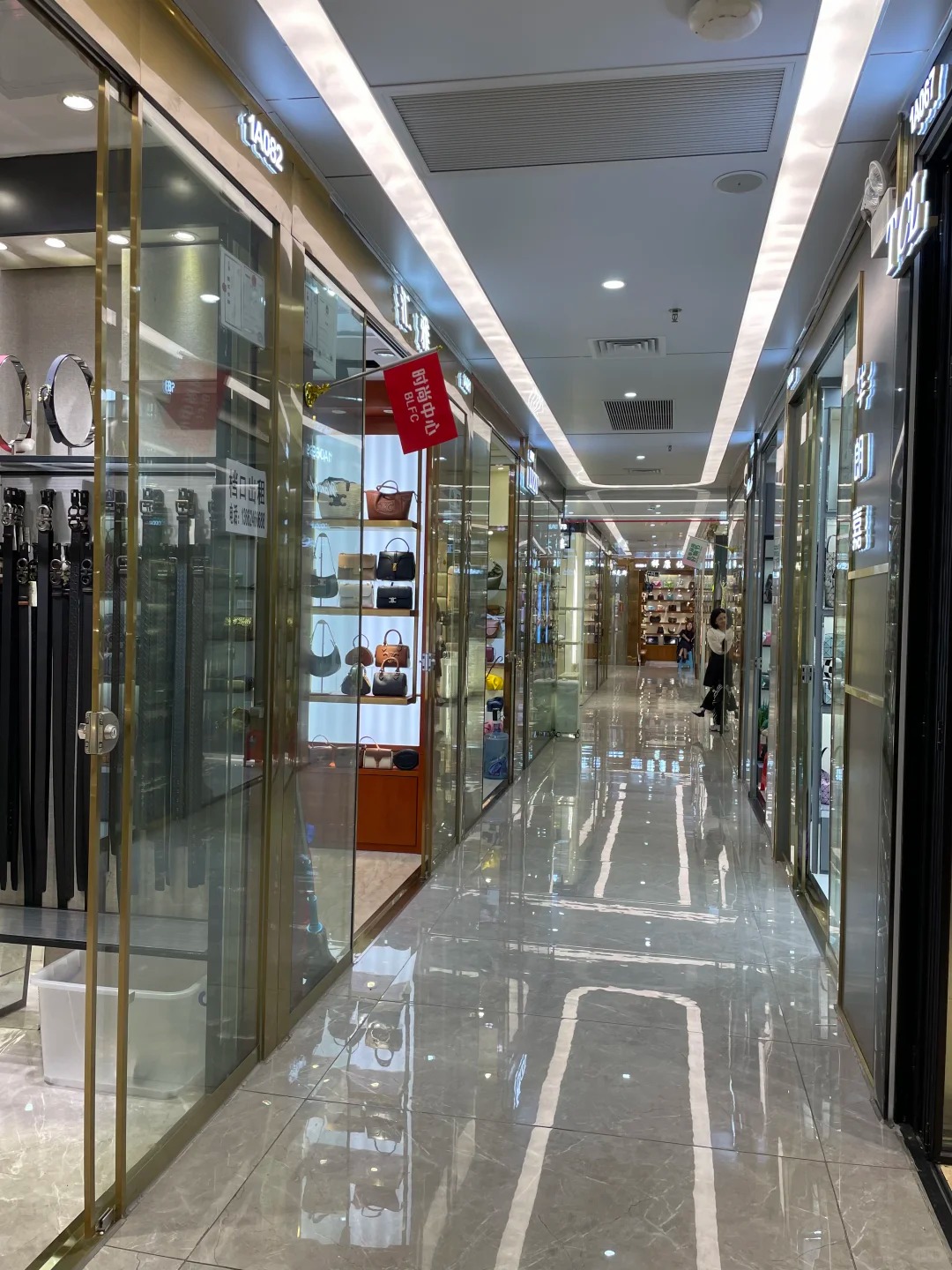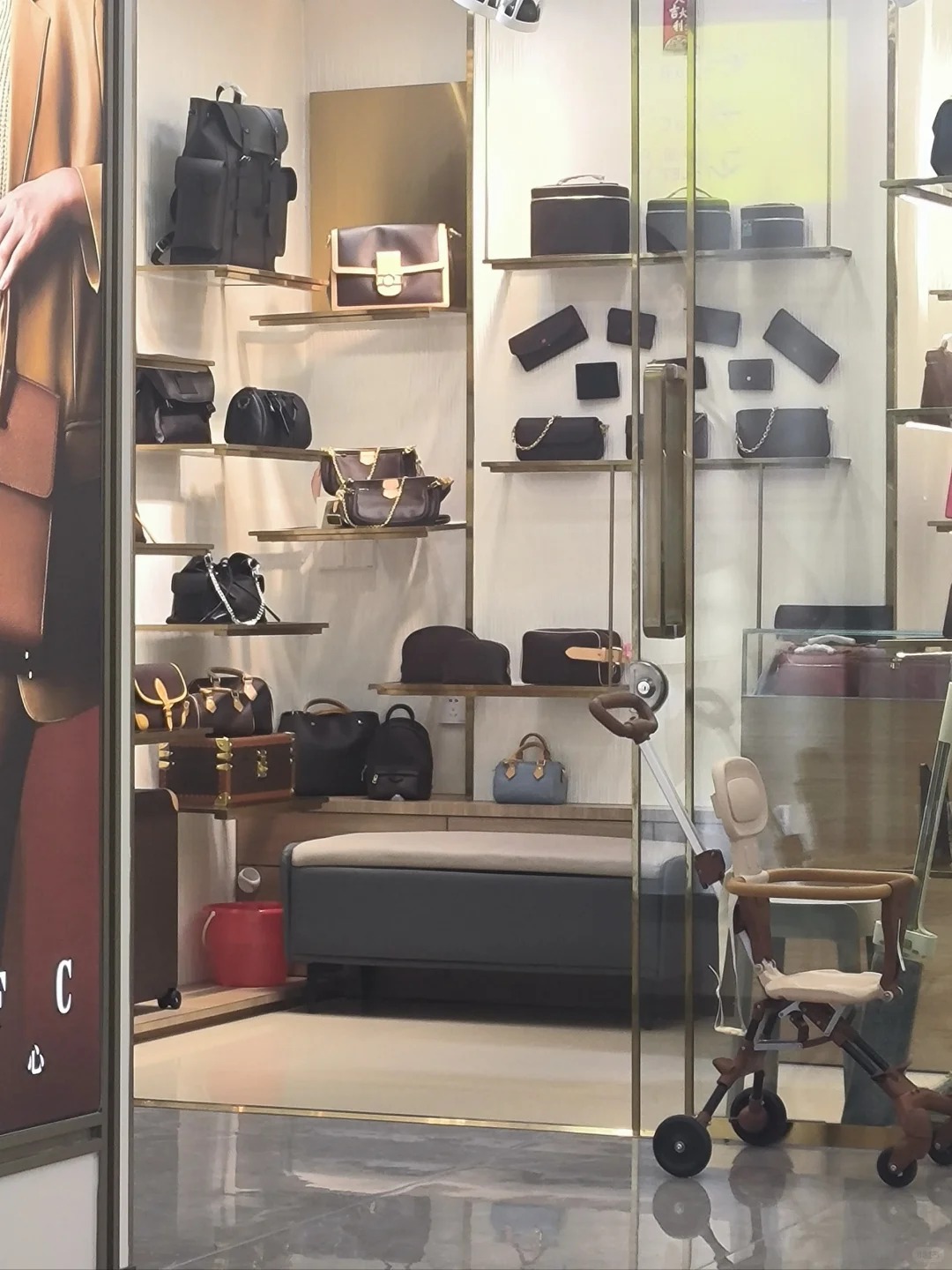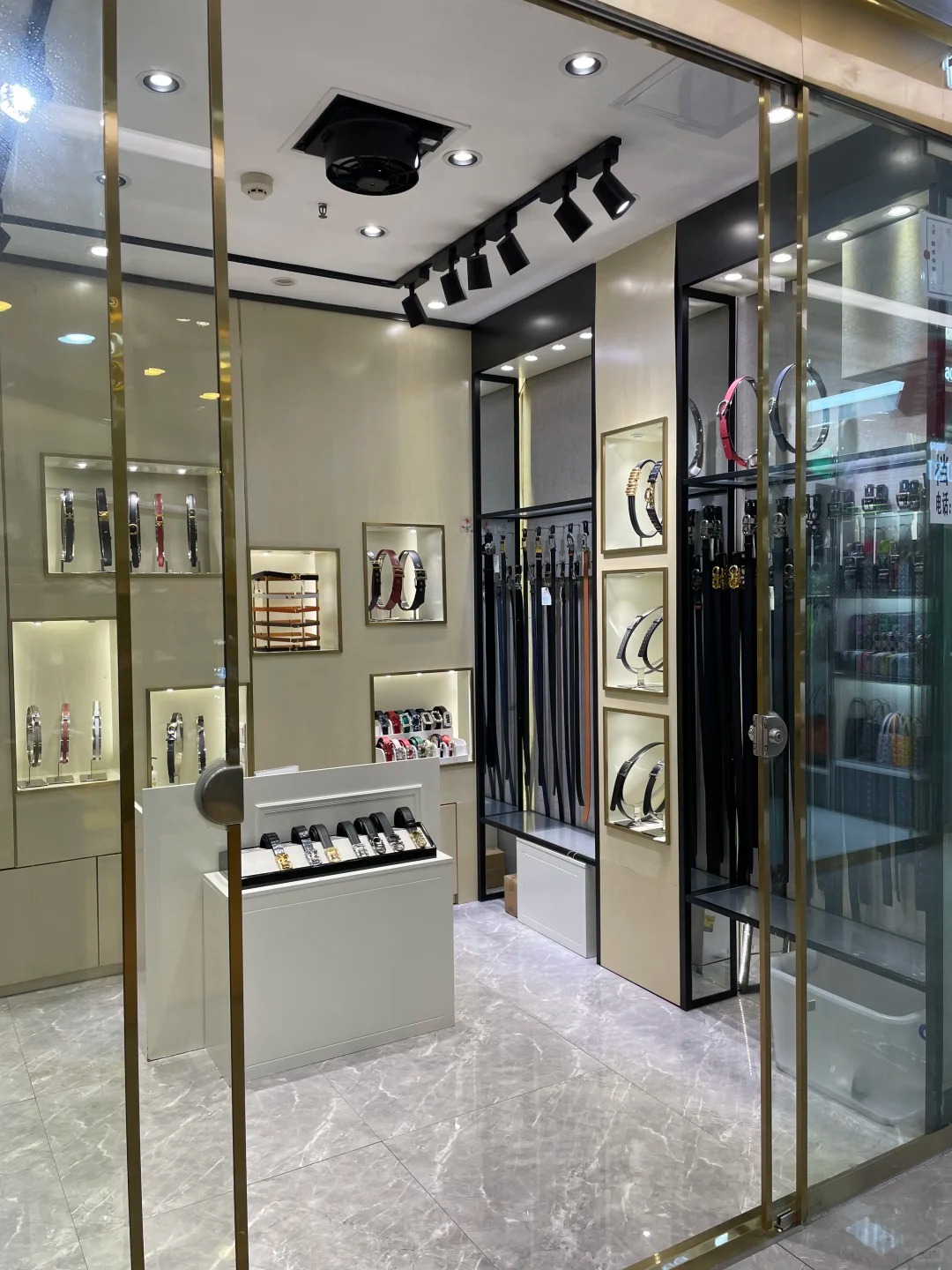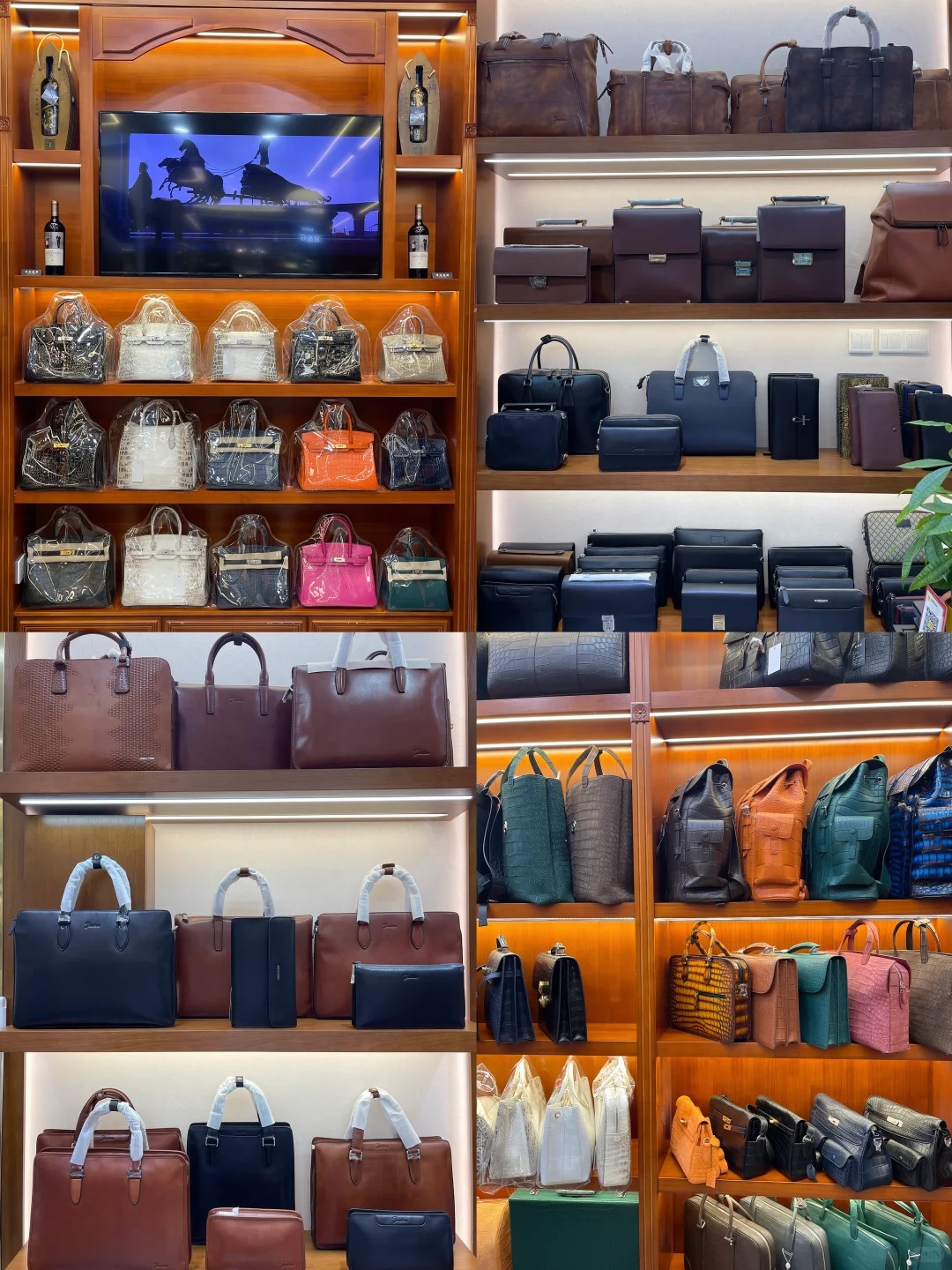

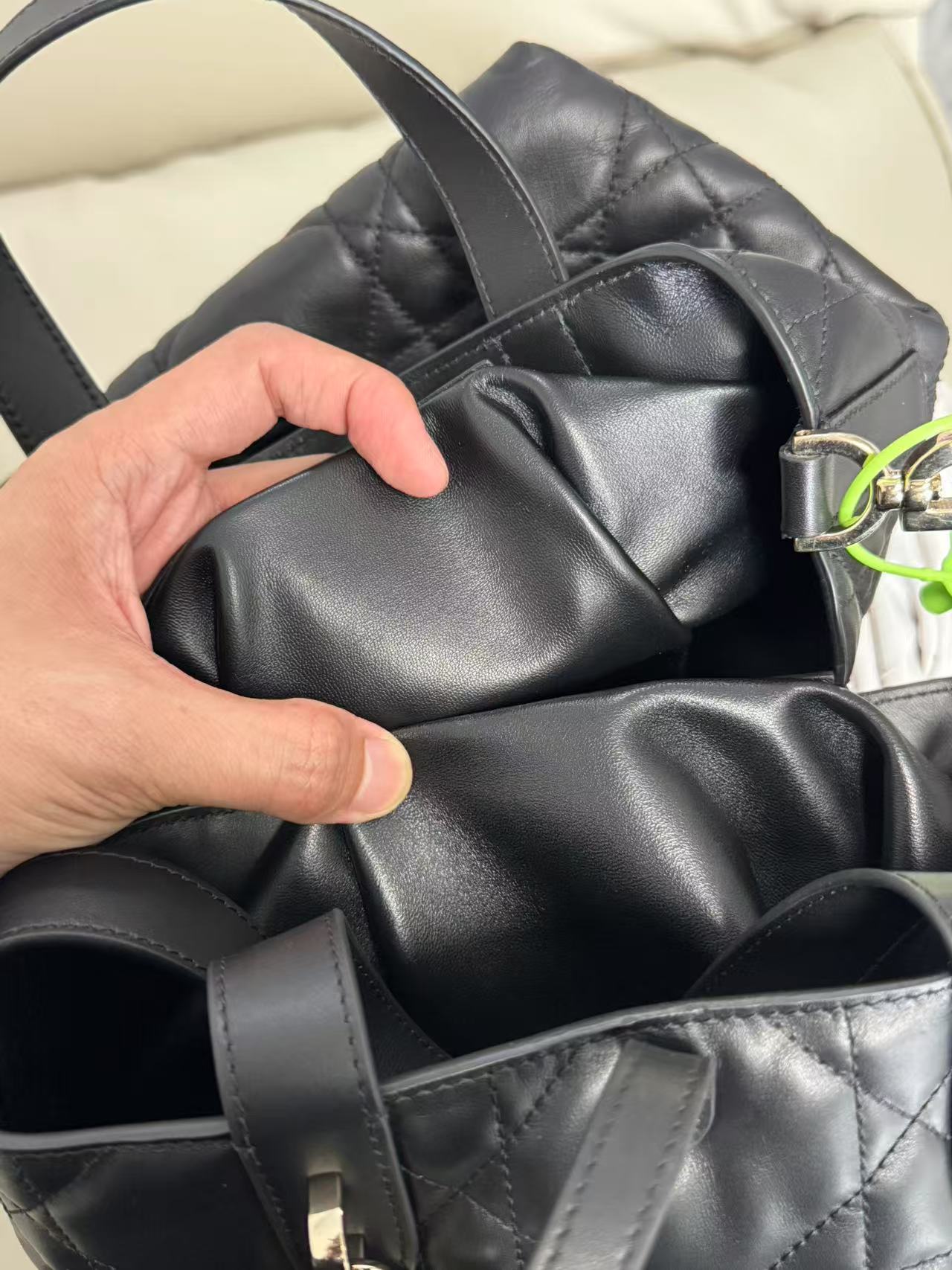
The best China D cut bags wholesale suppliers are located in specialized wholesale market stalls in Guangzhou, Yiwu, and Huizhou, offering ready stock, competitive pricing, and hands-on quality checks. As a partner in China’s bag industry, I’ve spent years walking those aisles—here’s exactly how to find the right stall, gauge fabric quality, and negotiate like a pro.
Why Choose Wholesale Market Stalls for D Cut Bags?
D cut bags—with their distinct D-shaped base and sleek silhouette—demand precision cutting and sturdy construction. Wholesale markets like Guangzhou’s San Yuan Li or Yiwu International Trade City let you see, touch, and feel hundreds of samples in one go. No guesswork, no digital tricks. You can instantly compare stitching density, handle reinforcement, and zipper smoothness. Plus, stall owners often hold massive ready stock, meaning you can ship in days, not weeks.
How to Verify Fabric and Stitching at the Stall
Fabric Texture
Run your hand across the material. Quality faux leather should feel supple, not plasticky. For canvas, check the weave—tight weaves resist fraying. Ask for the GSM (grams per square meter); bags under 400 GSM may sag over time. Pro tip: Hold the fabric near your ear and stretch it lightly—low quality makes a crinkling sound.
Stitching Workmanship
Inspect the seams: D cut bags rely on stress points at the cutouts. Look for double stitching on handles and base. Count stitches per inch—12 is standard, 14+ means premium. Turn the bag inside out; loose threads or skipped stitches signal shortcuts. A reliable supplier will let you test the bag’s weight limit—load it with samples and see if the seams hold.
Ready Stock vs. Custom Orders
For quick sell-through, prioritize stalls with ready stock. These are typically standard colors—black, brown, navy—and popular sizes. Ask the vendor their top-selling SKU; that’s usually the one with the most consistent quality. Custom orders (your logo, color) have MOQs around 500-1000 pieces, but if you’re new, start with stock to test demand.
Table: Common Sewing Defects to Watch For
| Defect | What to Look For | Impact on Bag |
|—|—|—|
| Uneven stitching | Needle holes not parallel, thread tension imbalance | Weak seams, zipper misalignment |
| Raw edges on D cut | Fabric edge not folded or overlocked | Faster fraying, reduced lifespan |
| Weak handle attachment | Single stitch line, torn rivets | Handle may separate under weight |
| Zipper jamming | Metal teeth not aligned, rough pull | Upsets customer experience |
| Misaligned lining | Lining bunched at corners, visible creases | Aesthetic downgrade, less sturdy |
FAQs: China D Cut Bags Wholesale
| Question | Answer |
|—|—|
| What’s the minimum order for D cut bags? | At market stalls, ready stock often has no MOQ; custom orders start at 500 pieces. |
| How to balance price vs. quality? | Focus on stitching and zipper brand; these are failure points. Pay $4-6 per bag for decent quality. |
| Can I get samples before bulk order? | Yes—most stalls sell 1-3 sample pieces at cost or for free if you order 50+ pieces. |
| Which fabric is most durable for D cut bags? | Heavy cotton canvas (800 GSM) or genuine leather; avoid thin PU. |
| How long does shipping take from China? | Ready stock: 3-7 days via express. Custom: 20-30 days. |
| Do stalls accept credit cards? | Cash, WeChat Pay, or bank transfer are common. Some accept USDT. |
Final Tip: Build Relationships with Stall Owners
Once you find a stall that delivers consistent quality—good fabric, tight stitching, reliable shipping—keep visiting. Stalls that recognize you give priority access to new stock, better pricing, and even early samples. I’ve seen buyers lock in exclusive deals simply by showing up regularly. That’s the real edge in China’s wholesale markets.
广州服装档口相关入口
继续查看相关市场和品类入口,方便对比档口微信、货源范围、拿货方向和试单前需要核实的信息。