
Why China Dominates Eco Tote Bag Supply
If you need custom eco tote bags in bulk, China remains the world’s #1 sourcing hub—period. From the massive wholesale markets of Yiwu to specialized factories in Zhejiang, you can find every style: non-woven PP, 100% organic cotton, recycled PET, and jute. But navigating this landscape requires knowing which suppliers offer real value vs. just low prices.
The Wholesale Market Stall Advantage
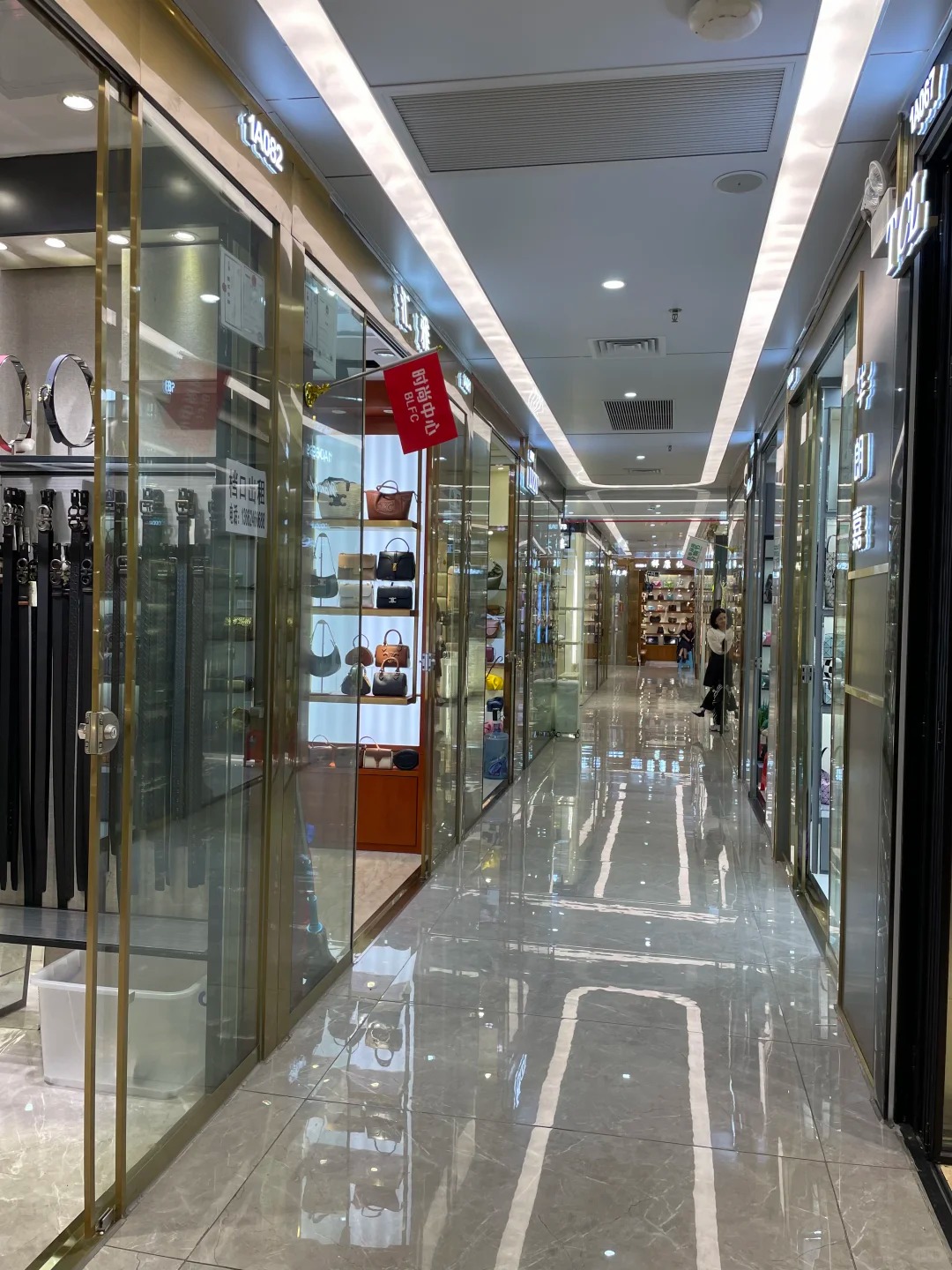
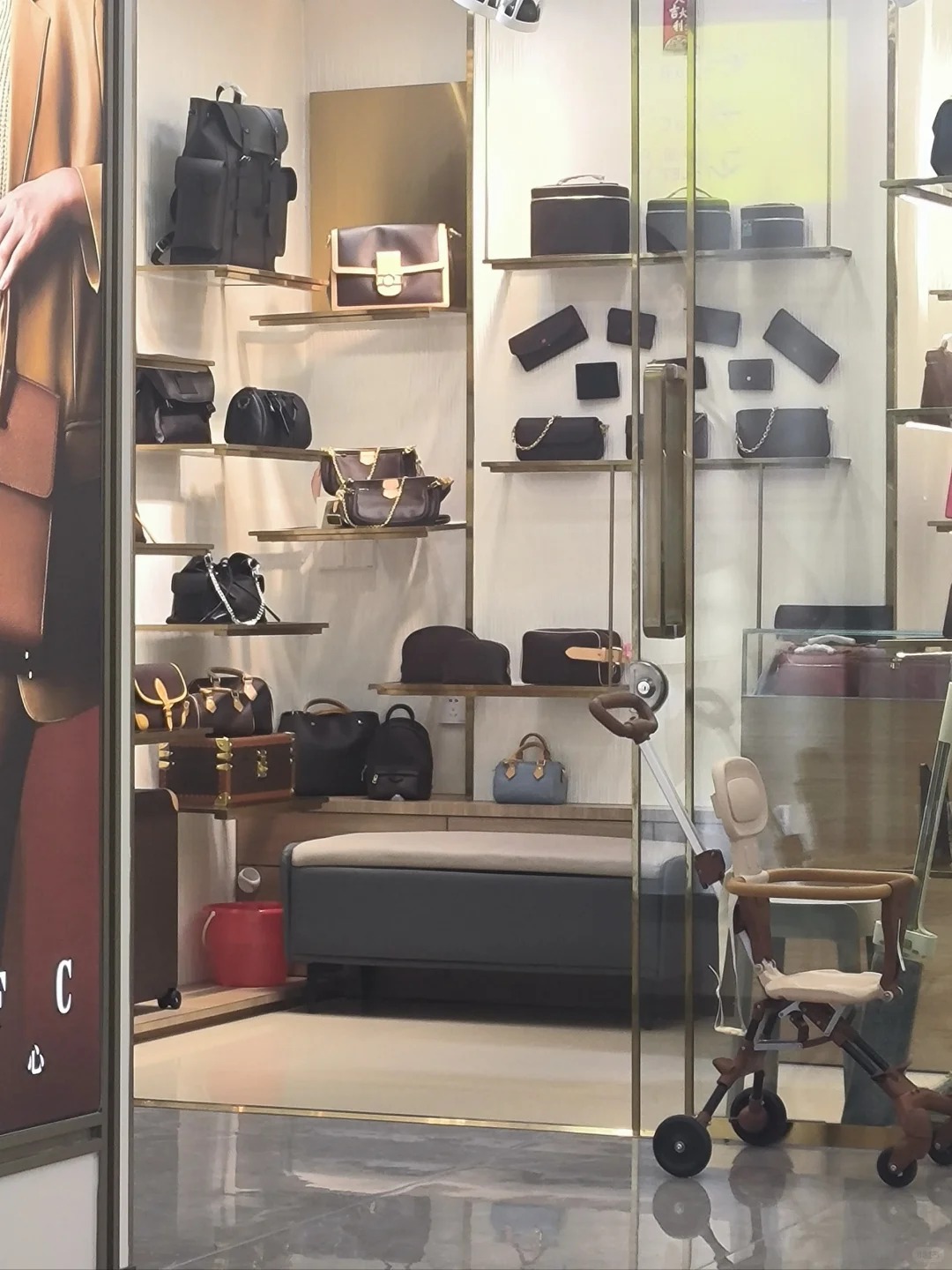
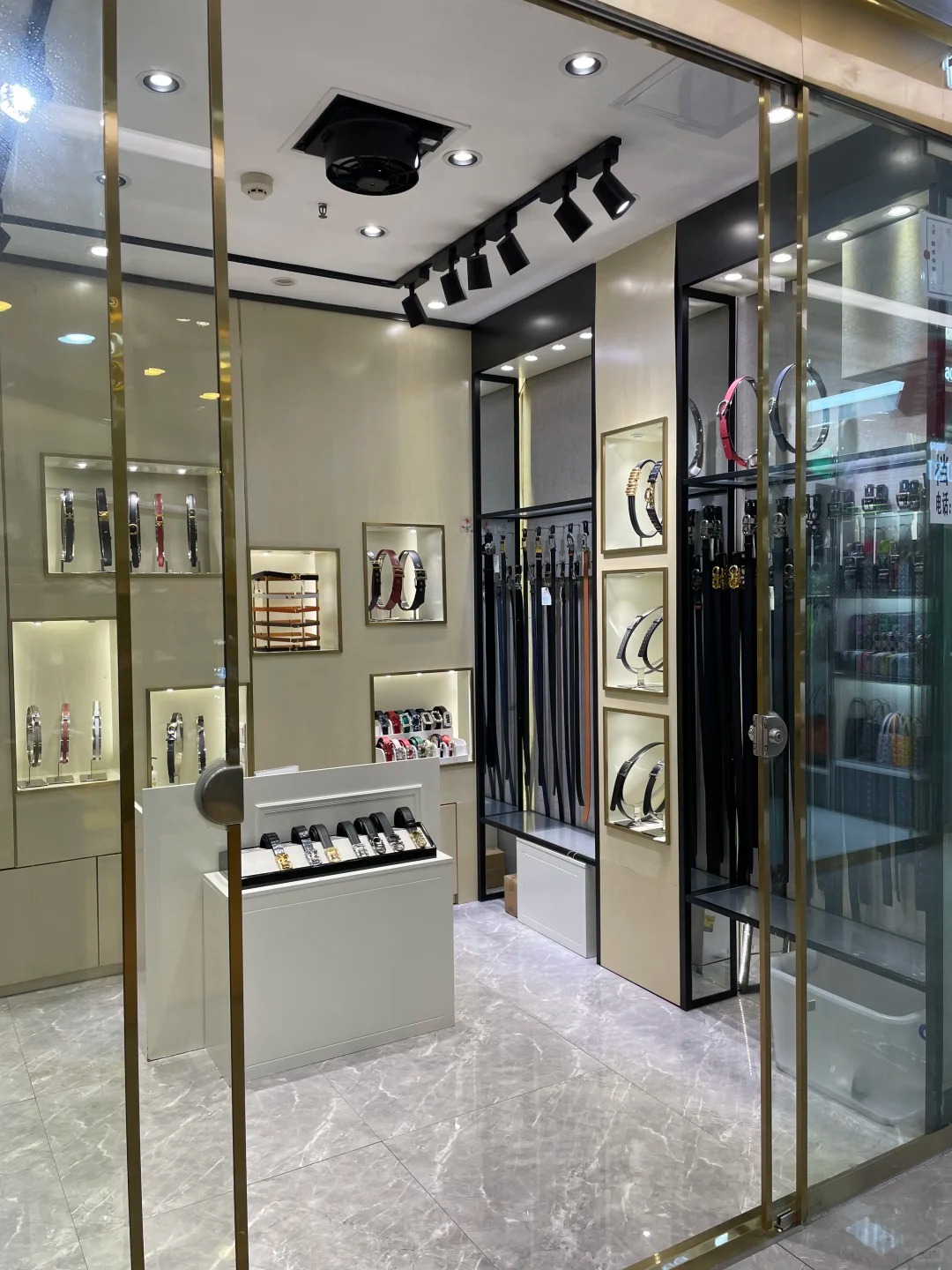
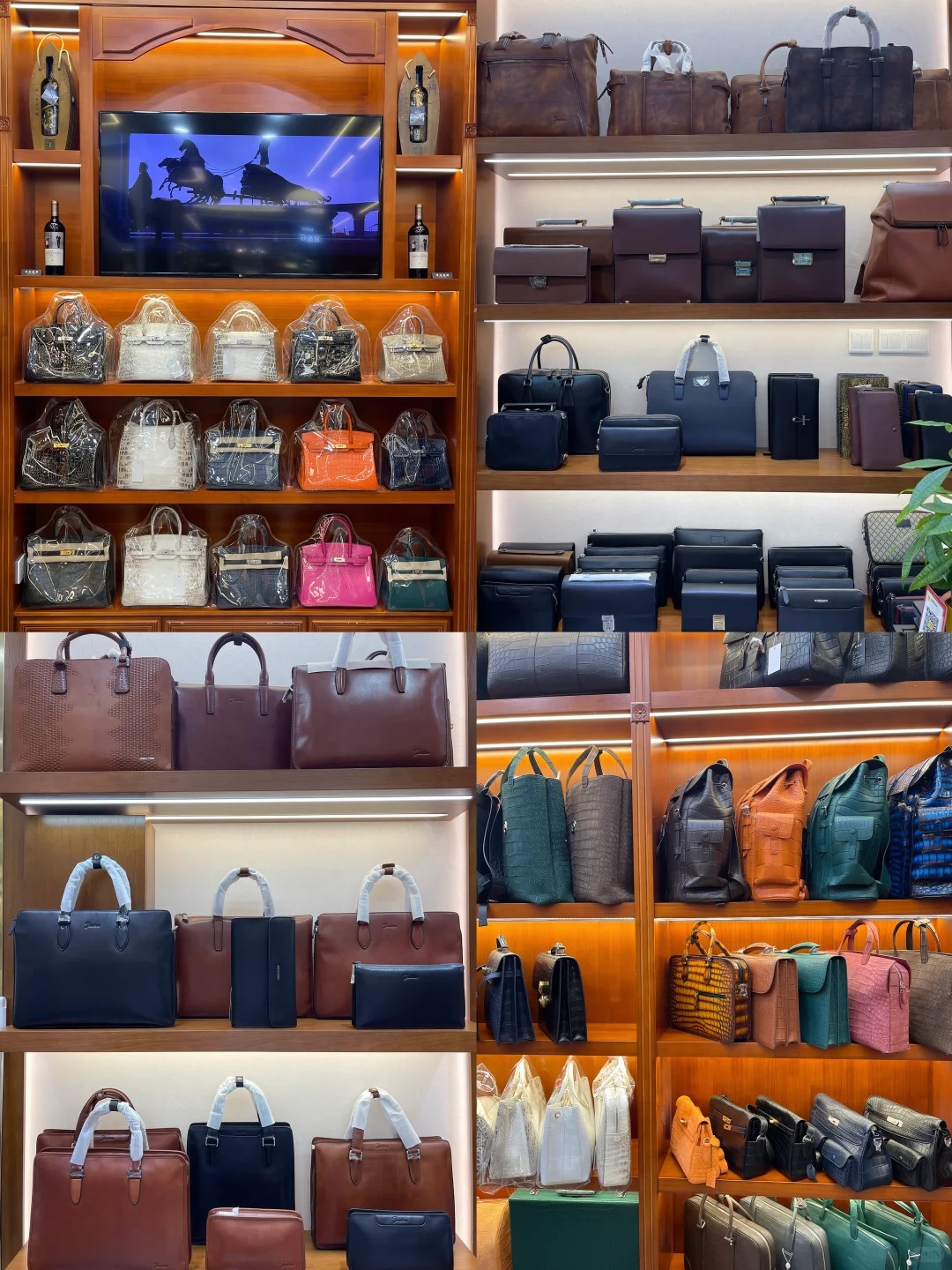
Unlike online-only trading companies, physical market stalls in Yiwu and Guangzhou let you see and touch the actual fabric, check stitching tension, and verify color consistency. You can pick up a bag, fold it, and feel if it’s flimsy or durable. This sensory check is crucial—many online listings use glossy product shots that hide poor craftsmanship. At Soudangkou, you can compare dozens of stalls side-by-side, where the best vendors proudly show you their sewing lines.
Fabric Grades & Stitching Quality
Non-woven bags range from 60gsm (disposable feel) to 120gsm (bust strong). Cotton totes vary from 90gsm (sheer) to 220gsm (canvas-like). A quality supplier will have swatches labeled with grams per square meter. Check the stitching: double-stitched handles and reinforced bottom seams (often with a bartack) indicate commercial-grade durability. Look for clean stitches with no skipped loops or loose threads. At solid stalls, you can ask to see a bag’s interior finishing—a sign of pride in workmanship.
Bulk Pricing & Minimum Orders
Typical MOQs from wholesale stalls: 500–1000 pieces per design. For non-woven bags, prices drop below $0.30/piece at 10,000+ quantities. Cotton totes run $0.80–$2.50 depending on fabric weight and printing. Note: rush orders or small lots (under 500) may face a premium—or you can find stock bags ready to ship.
FAQ: China Eco Tote Bag Wholesale
| Question | Answer |
|---|---|
| What is the typical MOQ for eco tote bags? | Most suppliers require 500–1000 pieces per design, but some stock bags have no minimum. |
| How can I verify fabric quality without visiting? | Request a sample first—ensure it includes the exact fabric weight (gsm) and stitching details. |
| What’s the cheapest eco tote option? | Non-woven polypropylene (60–80gsm) runs $0.15–$0.30 per bag at high volumes. |
| Are printed logos extra? | Yes—screen printing or heat transfer adds $0.05–$0.20 per color per bag. Molds for large runs. |
| Which material is most eco-friendly? | Organic cotton (GOTS certified) or recycled PET (rPET) – jute is also biodegradable but heavier. |
| How long does production take? | 15–30 days for custom orders; stock items ship within a week. |
| Can I get a sample before ordering? | Always insist on a pre-production sample—covers fabric, print, and stitching. |
| What is the main risk with online suppliers? | False fabric claims (e.g., low gsm cotton marketed as heavy duty). Always inspect a physical sample. |
Insider Tips for First-Time Buyers
Visit Yiwu International Trade City (District 1) or Guangzhou’s Zhongda Fabric Market – these hubs host hundreds of tote bag stalls. At Soudangkou, you can identify the best ones by their lighting: top stalls highlight stitching details with bright lamps. Beware of stalls that only show bags stacked flat; the best vendors hang them so you can see the shape. Negotiate pricing on fabric weight upgrades—they often have leeway. Cash is king for small batches; use T/T for large orders with contracts. Finally, ask to see the bag sewn front and back – some suppliers hide poor stitching on the inside.
Conclusion: Your Next Step
Finding a reliable china eco tote bag wholesale supplier means moving beyond online listings to where the actual textile expertise lives. Visit a wholesale market, feel the fabric, and check the stitching—your brand’s reputation depends on it. Soudangkou connects you to vetted vendors who can deliver commercial-grade totes at fair prices.
广州服装档口相关入口
继续查看相关市场和品类入口,方便对比档口微信、货源范围、拿货方向和试单前需要核实的信息。