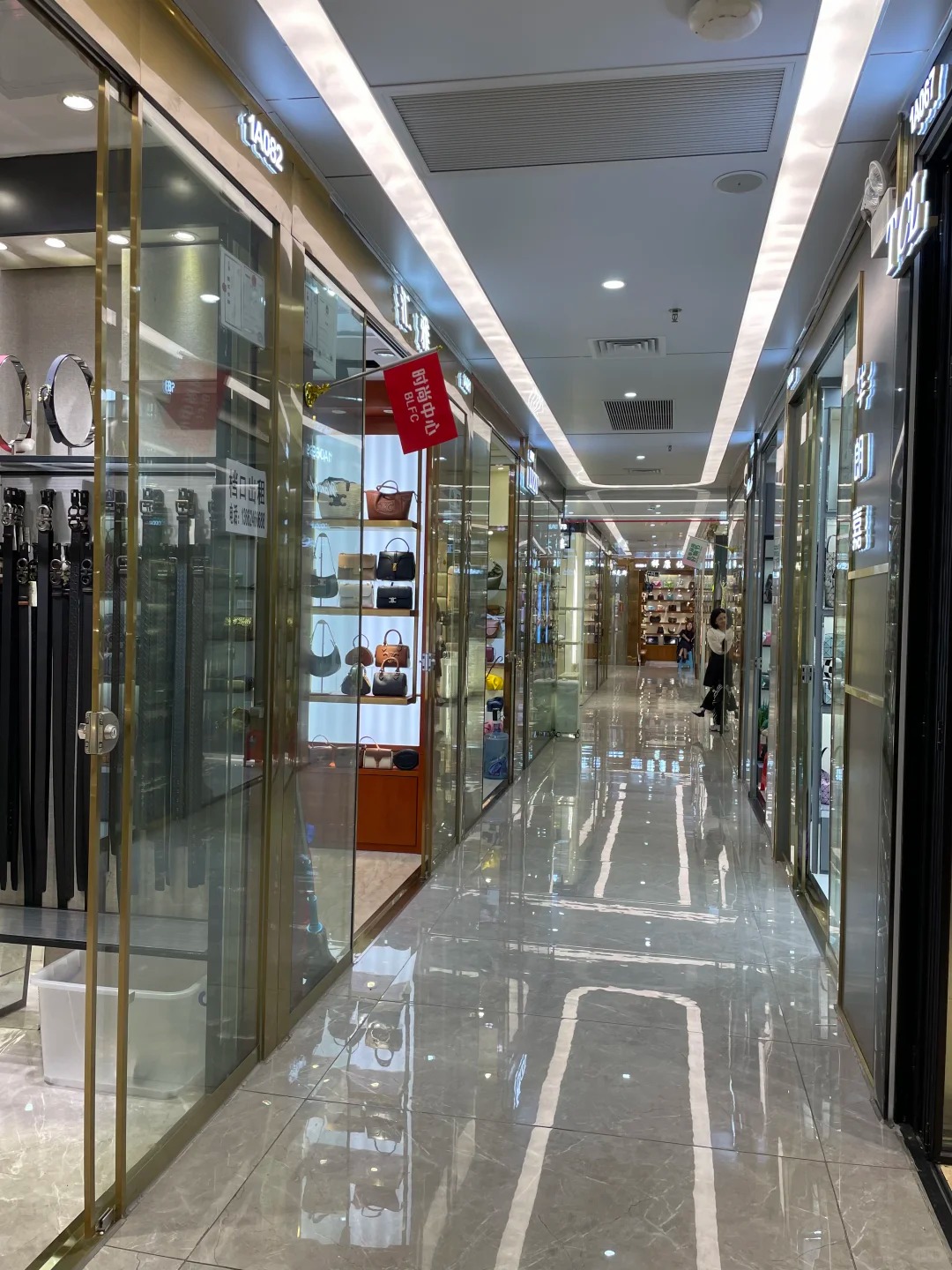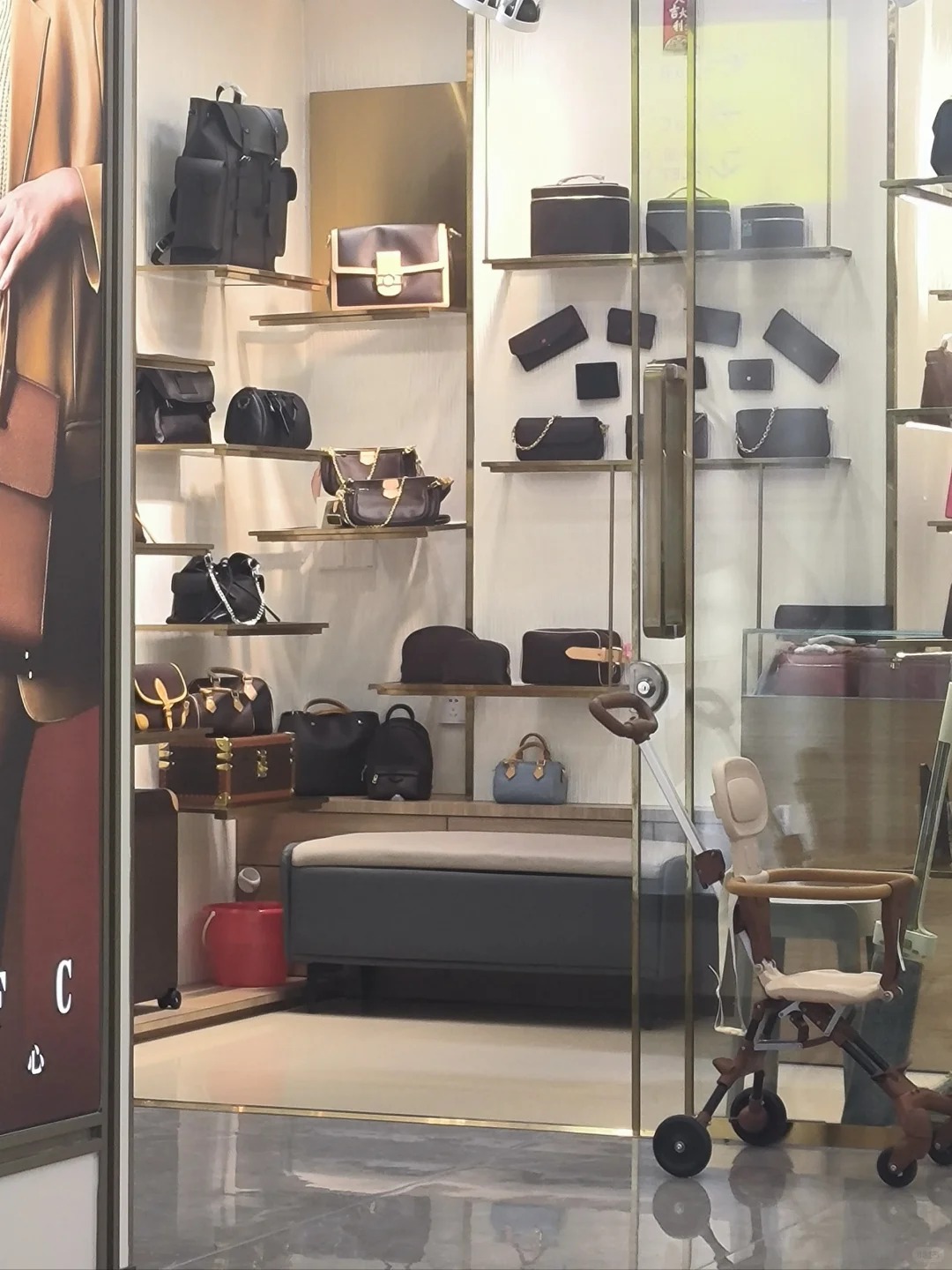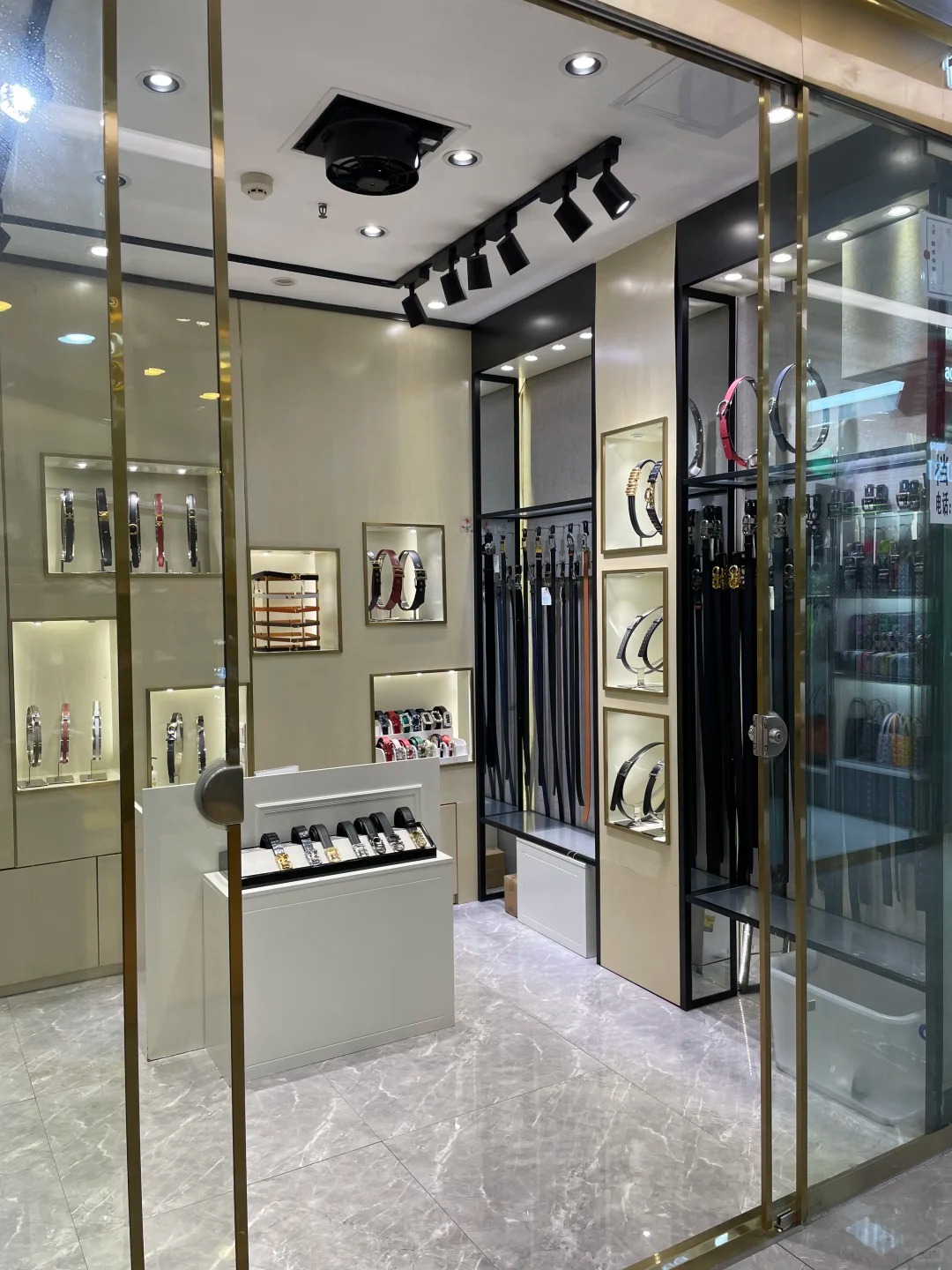

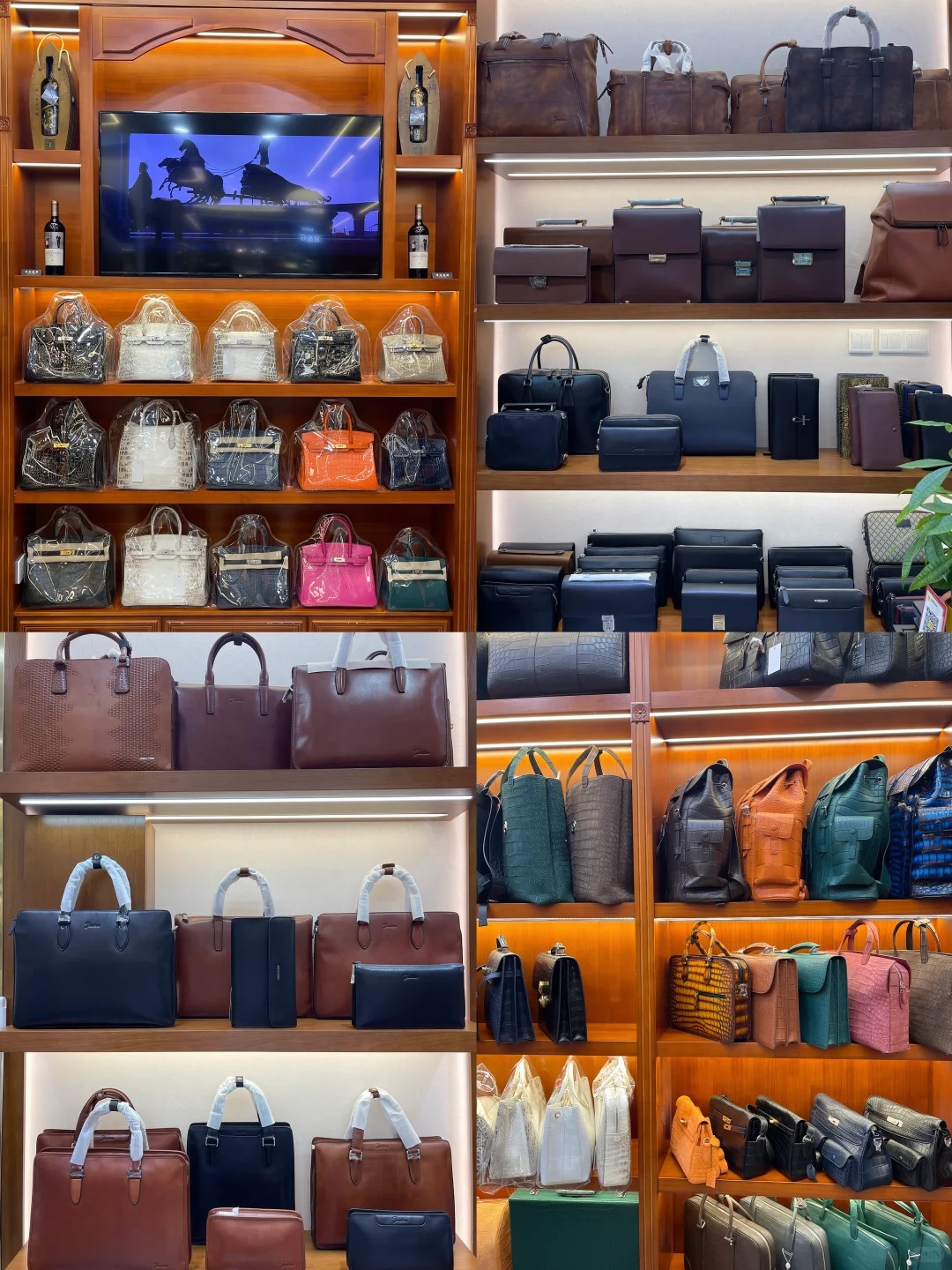
Conclusion First: Why China Jewelry Box Suppliers Dominate
The answer is straightforward: China remains the world’s largest producer of jewelry boxes, offering unmatched variety, speed, and cost efficiency. From humble paperboard designs in Yiwu to high-end velvet-lined leatherette cases in Guangzhou, you can find any style, material, and quantity. But not all suppliers are equal. The real value lies in wholesale market stalls where you can see, touch, and compare dozens of samples in one afternoon. This guide will show you how to navigate these markets, evaluate quality, and buy spot goods like a pro.
1. The Wholesale Market Advantage: Tangible Quality Checks
Online catalogs hide flaws. When you visit a market stall, you can immediately assess three critical aspects: fabric texture, stitching workmanship, and structural rigidity. Don’t rely on photos—always request to open and close the box multiple times. Listen for squeaky hinges or misaligned lids. Check the interior lining for uneven gluing or frayed edges. A reputable stall owner will let you inspect freely; if they rush you, walk away.
Fabric Feel & Grain
Run your fingers across the surface. High-quality leatherette has a subtle grain and feels supple, not plasticky. For fabric-covered boxes, look for tight weave and no visible stitching holes on the outer layer. Soudangkou’s booth at the Yiwu International Trade Market, for example, displays a tactile comparison board with different leather grains—a smart tool for buyers.
Stitching & Edge Finishing
Turn the box over. Stitching should be even, with no loose threads or skipped stitches. The edges—especially on hinged lids—should be neatly finished, not raw or frayed. Cheap boxes often have glue visible along the edges; a well-made box hides all adhesive.
2. Buying Spot Goods: The Instant Inventory Strategy
Many buyers assume they need to order MOQs of 500+ pieces. But wholesale market stalls typically stock a range of popular designs as “spot goods” (现货). This means you can buy as little as 10-50 units of a style, pay immediately, and take delivery within 24 hours. Ideal for testing new markets or filling urgent orders. Always ask: “What do you have in stock now?” The stall owner will pull out samples and list available colors and sizes.
When negotiating for spot goods, keep it simple. Ask for the “best price for 50 pieces” and compare across 3-5 stalls. Don’t waste time haggling over pennies; focus on quality consistency. Insist on seeing the actual stock—not just a sample—because batch variations happen.
3. Quality Markers: What to Look For
Use this checklist when evaluating any supplier’s product:
- Hinge strength: Lightly shake the open box. A flimsy hinge will wobble.
- Lining fit: The insert should sit flush, with no wrinkling or loose fabric.
- Magnet closure: Check that magnets align properly and don’t leave gaps.
- Surface uniformity: No bubbles, creases, or color inconsistency on the outer material.
A supplier that consistently meets these points—like the seasoned stalls at the Guangzhou Lide Market—will save you returns and complaints.
4. Navigating Market Dynamics: Pricing & Relationships
Prices vary wildly based on material and complexity. A simple cardboard box with flocked lining might cost $0.50, while a lacquered wooden box with brass hinges can exceed $5.00. Don’t assume higher price means better quality—assess each box individually. Build relationships with 2-3 reliable stall owners; they’ll give you priority access to new arrivals and better payment terms. A smile and genuine interest in their craft goes a long way.
FAQ: Common Buyer Questions
| Question | Answer |
|---|---|
| Can I buy less than 100 pieces? | Yes, many stalls sell spot goods in quantities as low as 10-50. Perfect for sampling. |
| How do I check stitching quality? | Turn the box inside out if possible, or examine the edges. Even stitches with no loose threads indicate good workmanship. |
| What is the typical lead time for custom orders? | For existing molds, 15-25 days. For new designs, 30-45 days. Spot goods are immediate. |
| Is it safe to pay in cash? | Cash is common in markets, but request a receipt. For larger amounts, use bank transfer or credit card to have a record. |
| Can I trust online reviews of suppliers? | Use them as initial filter, but always verify in person or request video inspection. |
| What materials are most popular? | Leatherette, silk, velvet, wood (painted or natural), and eco-friendly cardboard. Each has different price points. |
5. Final Thoughts: Your Action Plan
Start by visiting two major hubs: Yiwu (for budget and variety) and Guangzhou (for mid to high-end). Spend a full day just browsing and touching product. Take photos but respect the stall’s no-photo policy for proprietary designs. Jot down stall numbers and notes. After narrowing, request samples of 2-3 different quality tiers from each stall. Test them thoroughly—fill with jewelry, open/clos repeatedly. Only then place a first order. For a curated experience, Soudangkou’s showroom offers cross-section of top stalls, but the principle remains: see it, feel it, buy it right.
Remember, the best china jewelry box supplier is the one who combines quality, stock readiness, and honesty. Find that stall, and you’ve found a long-term partner.
广州服装档口相关入口
继续查看相关市场和品类入口,方便对比档口微信、货源范围、拿货方向和试单前需要核实的信息。