
How to Choose a China Jewelry Case Display Supplier: Market Stalls vs. Factories
The direct answer: For small-to-medium wholesale orders requiring quick turnover and hands-on quality checks, market stalls in China’s physical wholesale hubs offer the best combination of price, variety, and instant stock. Unlike factory MOQs of thousands, stall owners show you real samples, let you feel the fabric, and sell from ready stock. This guide, based on decade of sourcing in Guangzhou’s Baiyun and Yiwu’s stalls, reveals what to look for in a china jewelry case display supplier.
Why Focus on Wholesale Market Stalls?
Market stalls are the nerve center of China’s supply chain. They aggregate production from dozens of small factories, meaning they often have the latest designs and leftover stock from big orders. For display cases – where fabric feel (velvet vs. faux suede) and stitching precision determine perceived value – you must touch before buying. Stall owners allow inspection, haggle on unit price for single dozens, and ship immediately. No waiting 30 days for container loads.
Key Hubs for Jewelry Display Cases
- Yiwu International Trade City (Futian Market) – Area G: Cases in acrylic, PU leather, and velvet. MOQ as low as 30 pieces per style.
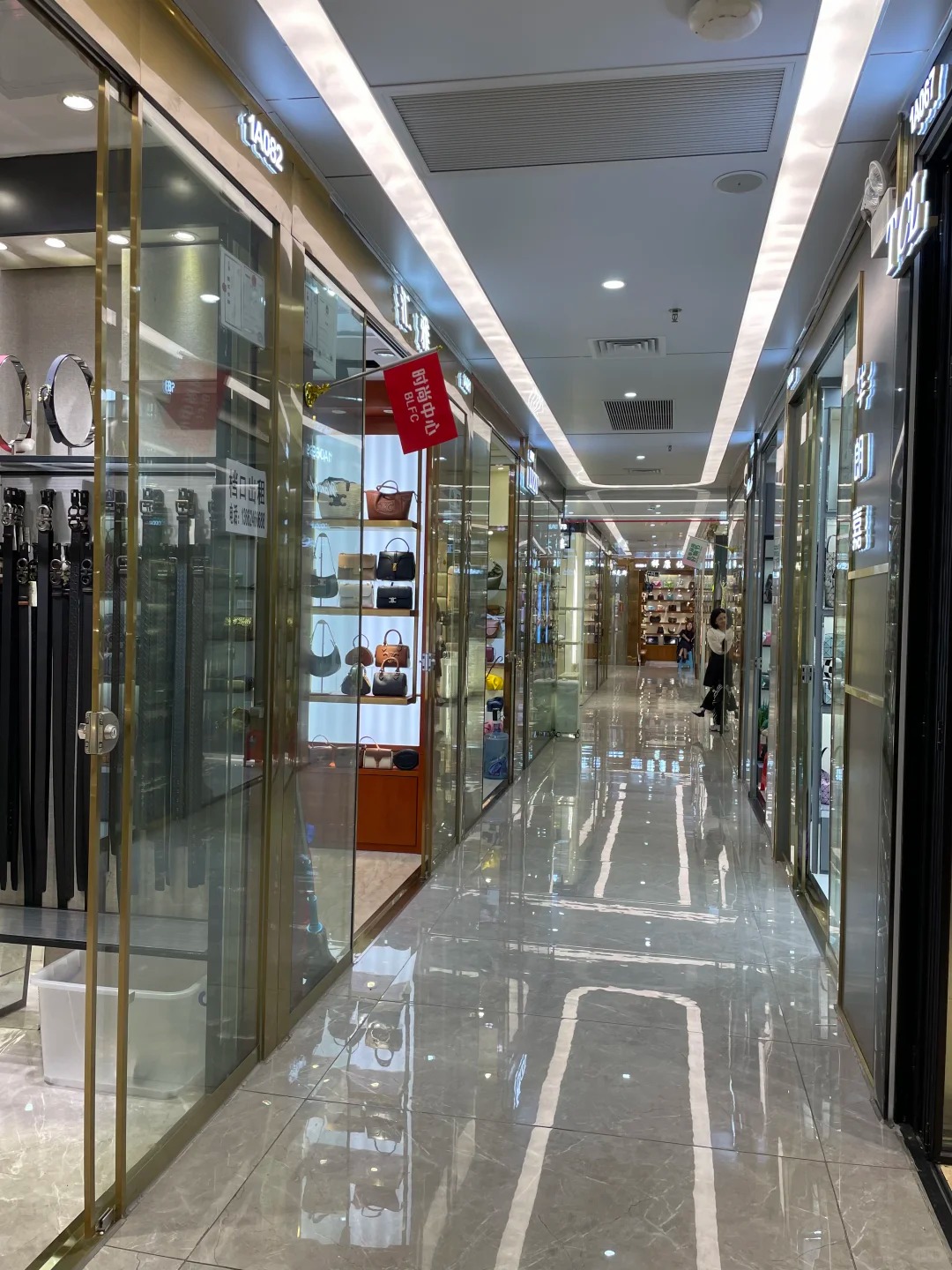
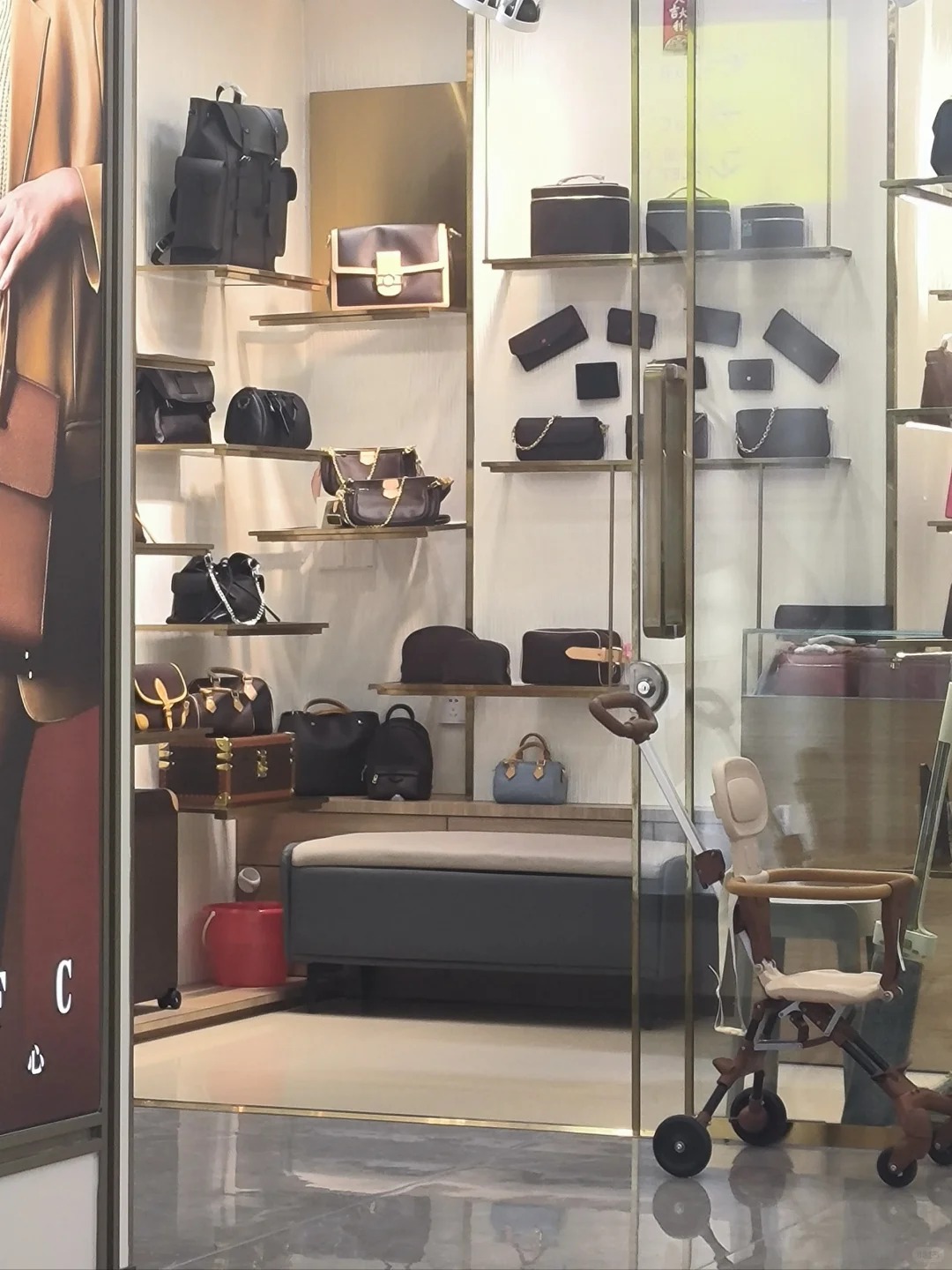
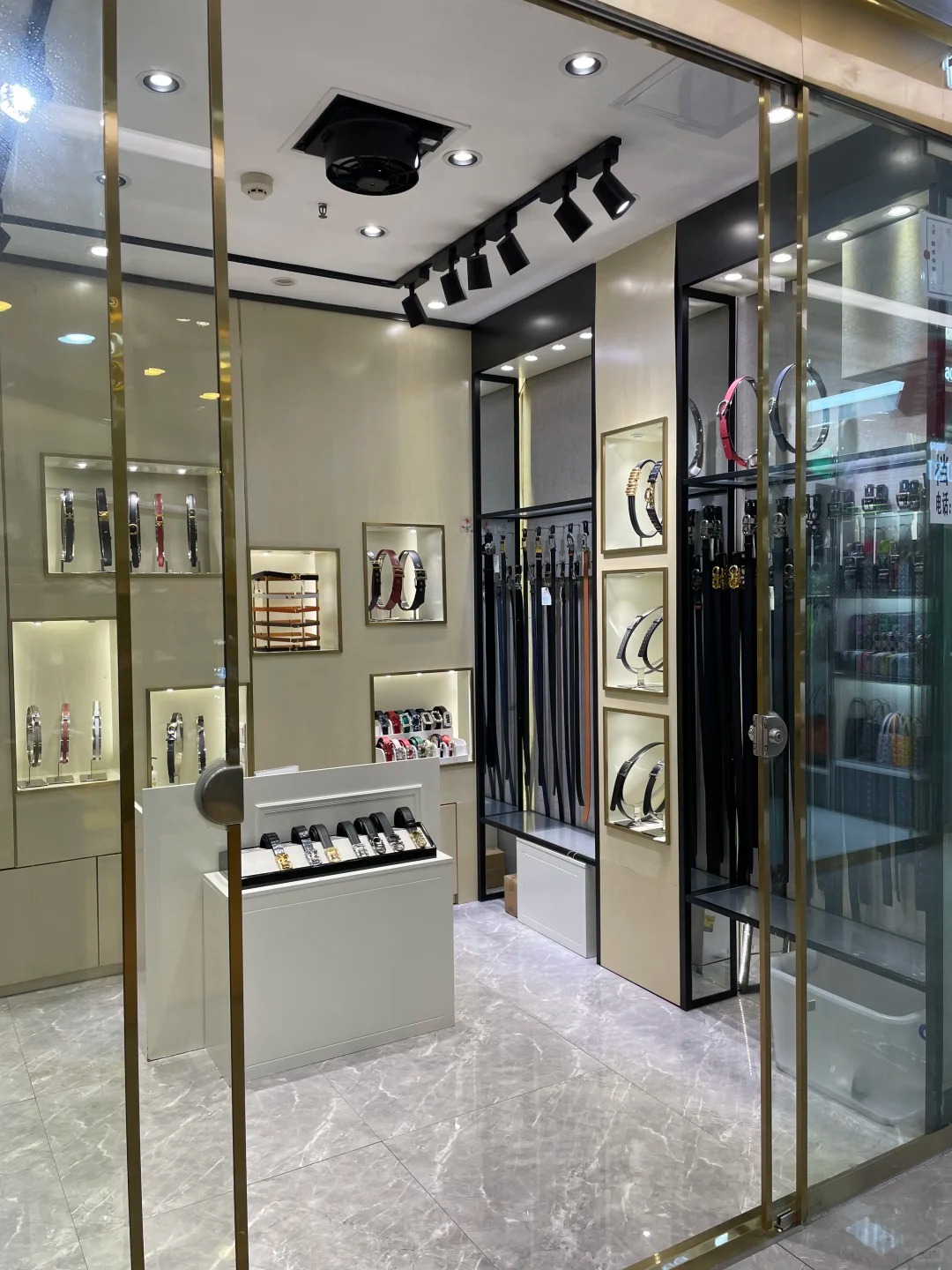
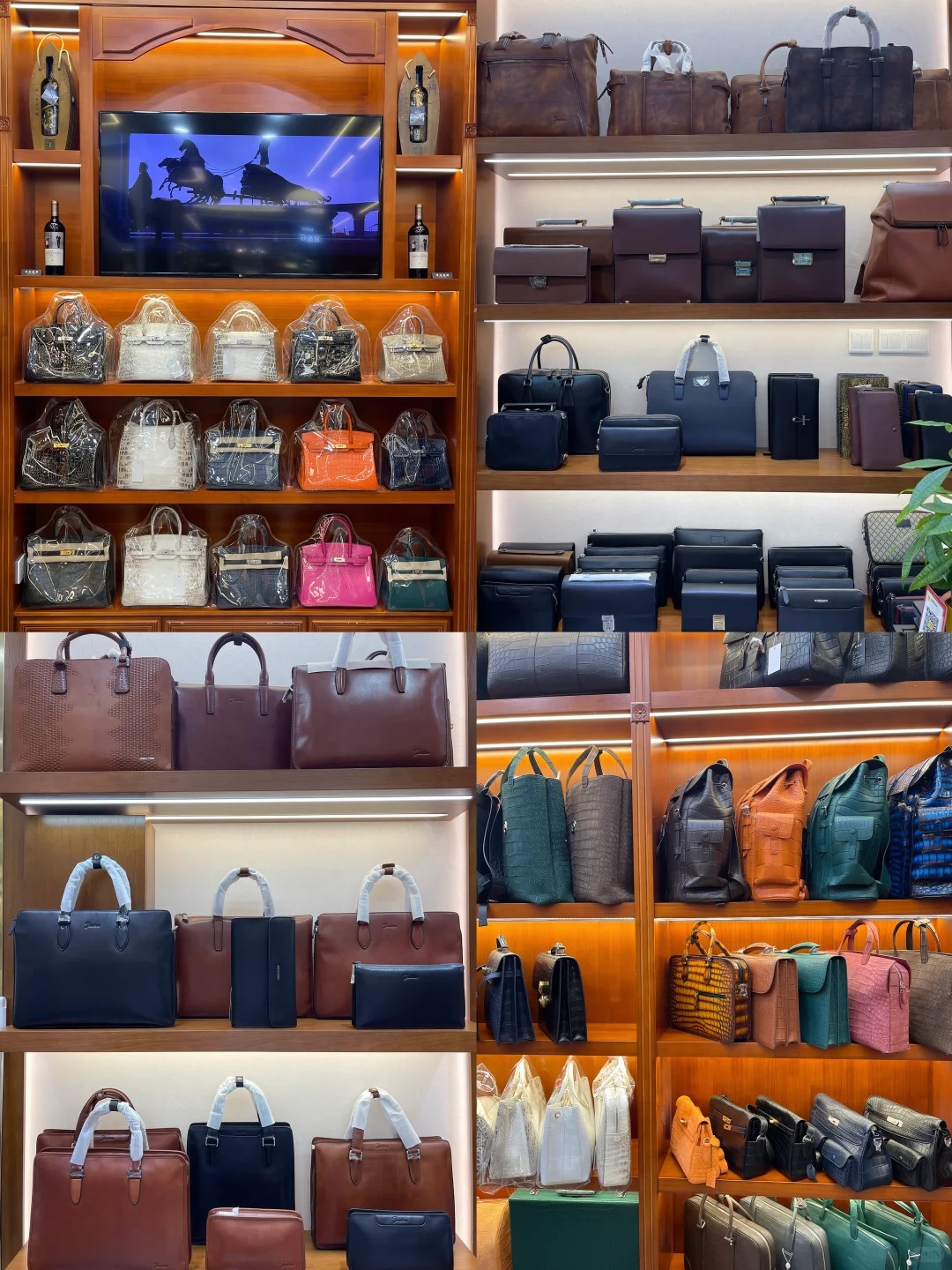
- Guangzhou Baiyun World Leather & Hardware Center – Specializes in high-end leather and fabric display cases. Emphasis on stitching and lining finish.
- Shenzhen Shuibei – Slightly higher prices but better quality control for jewelry shop fittings.
Critical Quality Checks at the Stall
When sourcing from a china jewelry case display supplier in market stalls, demand these checks:
1. Fabric & Lining Quality
Rub the exterior fabric against itself. Cheap velvet will shed. Premium options (like Soudangkou’s curated stock) bond tightly to the base. Open the case: the lining should be glued evenly, with no bubbles or loose threads.
2. Stitching and Gladwork
Inspect seams. The zigzag stitches along edges must be straight with <0.5mm deviation. For leather cases, the corners should be folded cleanly – no raw edges.
3. Closure and Hinges
Magnetic snaps should hold firmly without a gap. Hinges must be tight but smooth. A 2-year test: cycle the lid 50 times at the stall. If it holds, it’s good.
Cash-and-Carry vs. Custom Order
Market stalls offer two models:
- Ready stock (cash-and-carry): Pay per piece, take instantly. Great for testing new designs or small restocks.
- Mixed batch: Some stalls allow mixing colors within a style at no extra cost. Ask for “mixed packing.”
- Custom MOQ: If you need logo printing, minimum is often 500-1000 pieces with 15-day lead time.
Most stall owners prefer cash-and-carry for sample orders. Establish trust first, then negotiate custom runs.
Negotiation Tips for Stalls
- Ask for “sample price” – usually 50-70% of wholesale, deduct from first bulk order.
- Compare three stalls side-by-side – same case can differ in price by 15% based on stitching quality.
- Don’t trust photos alone – texture and weight matter. Hold the case in hand.
FAQ
| Question | Answer | |
|---|---|---|
| What is the typical MOQ for a jewelry display case at stalls? | MOQ ranges from 30-100 pieces per style. Many stalls accept lower for sample orders. | |
| Can I request custom colors? | Typically only for orders of 500+ pieces. For smaller batches, choose from stock colors. | |
| How to check if the case is well-made? | Examine the hinge; open and close 10 times. Check that lining lies flat without wrinkles. Ensure closure magnets align. | |
| What fabric lasts longest? | PU leather with a 0.8mm thickness and high-density foam interior. Velvet is less durable but cheaper. | |
| Is it cheaper than online suppliers? | Yes, because stall prices exclude shipping and handling fees. You save 10-20%. |
广州服装档口相关入口
继续查看相关市场和品类入口,方便对比档口微信、货源范围、拿货方向和试单前需要核实的信息。