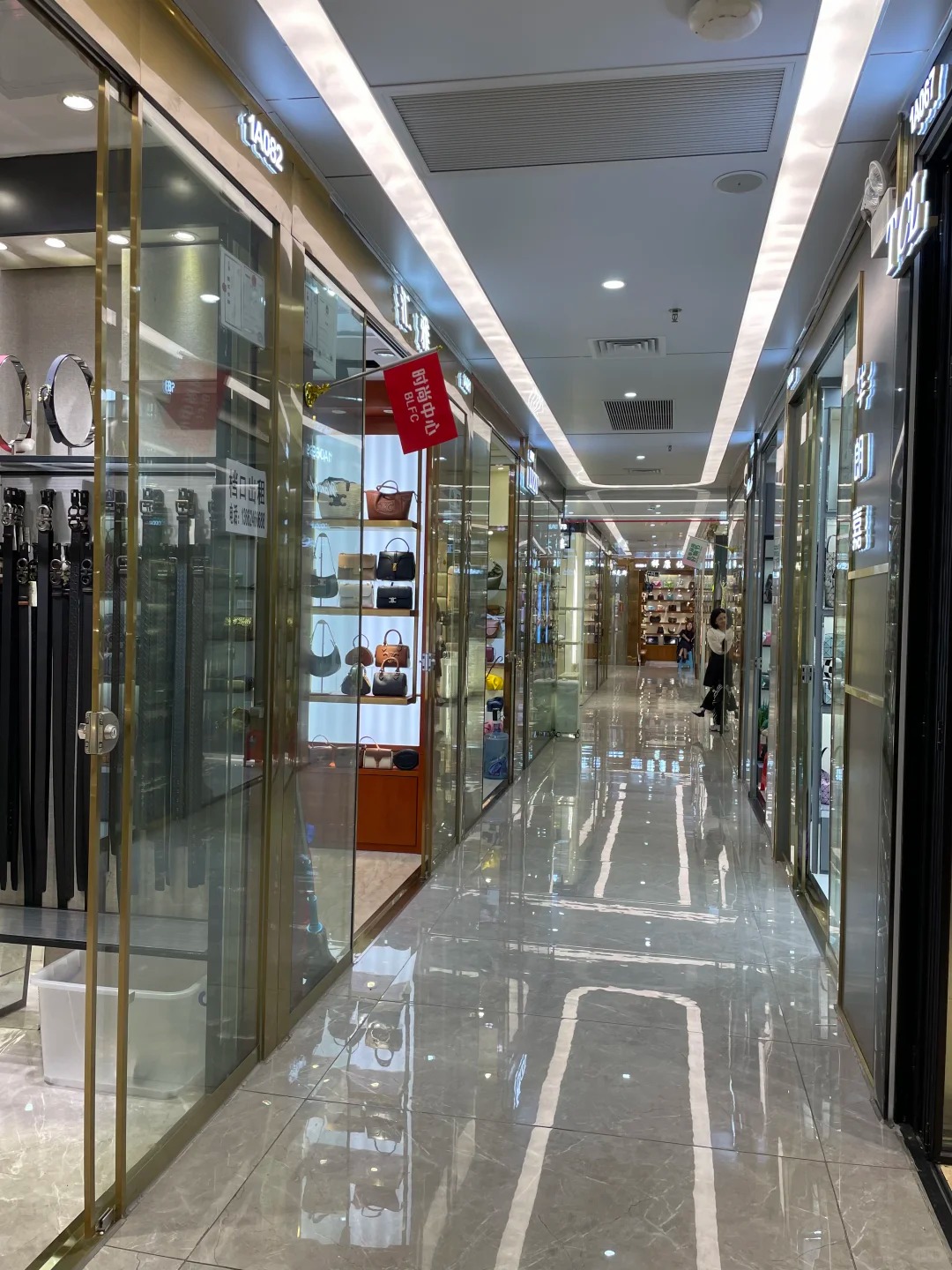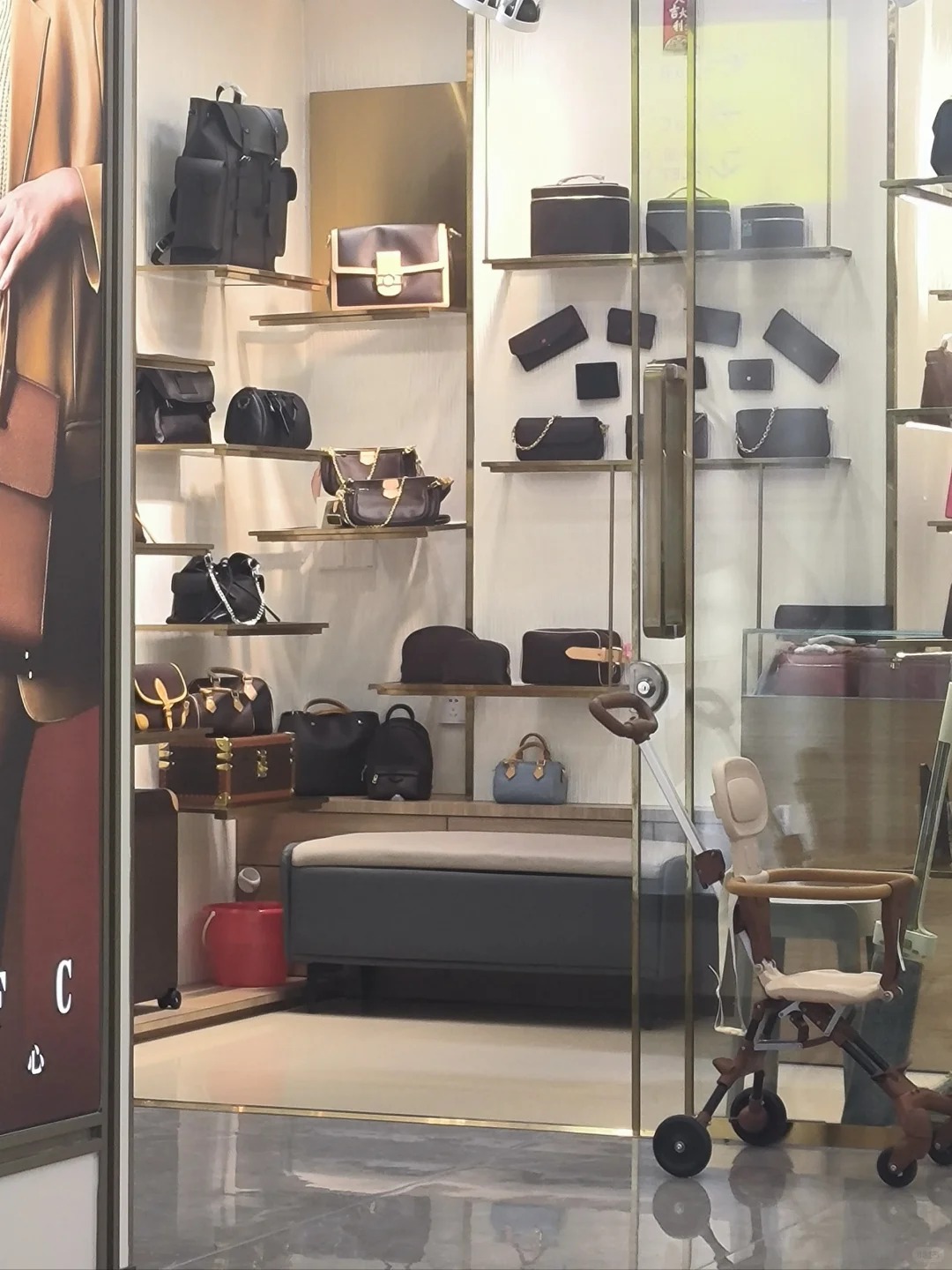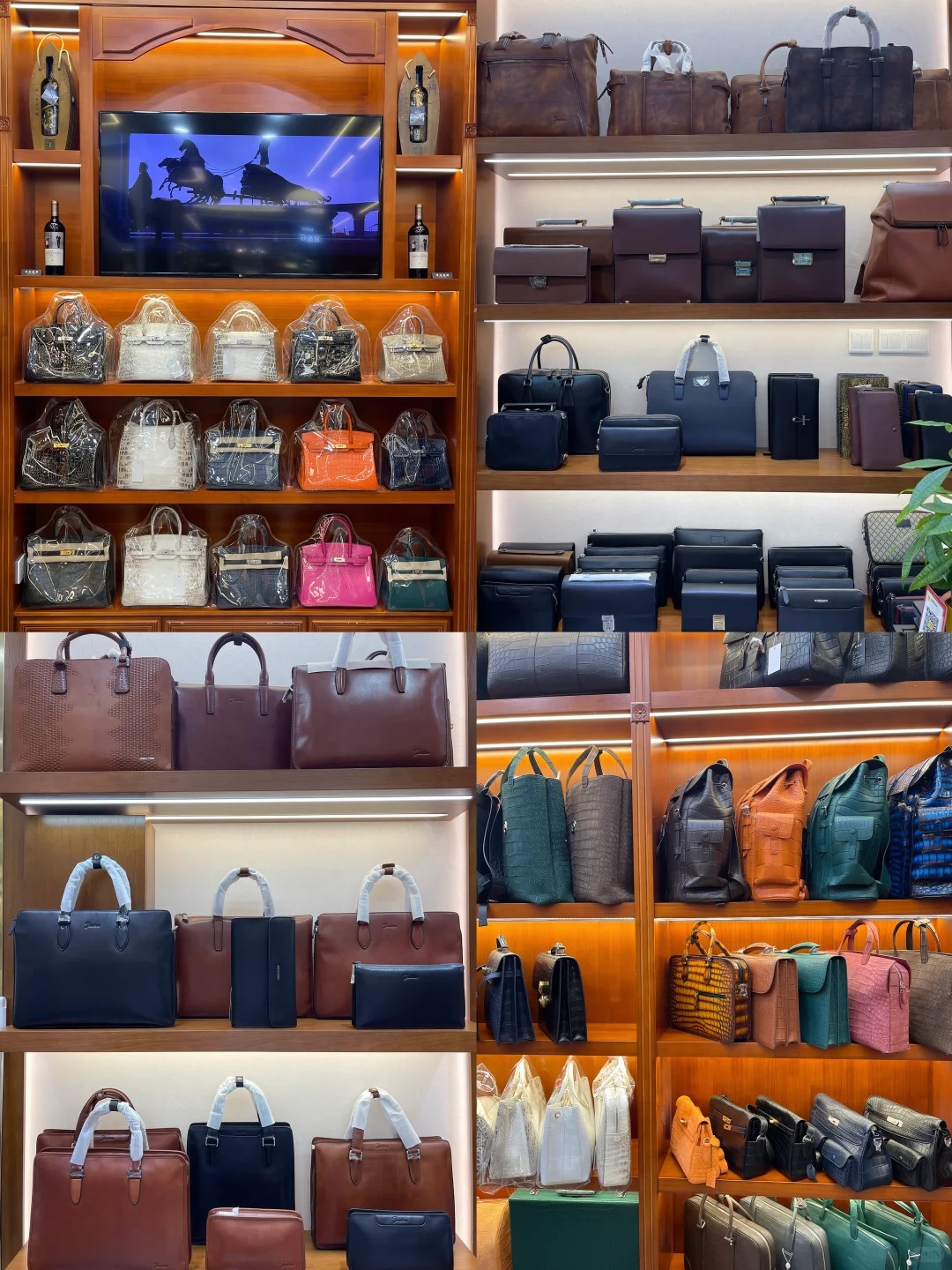

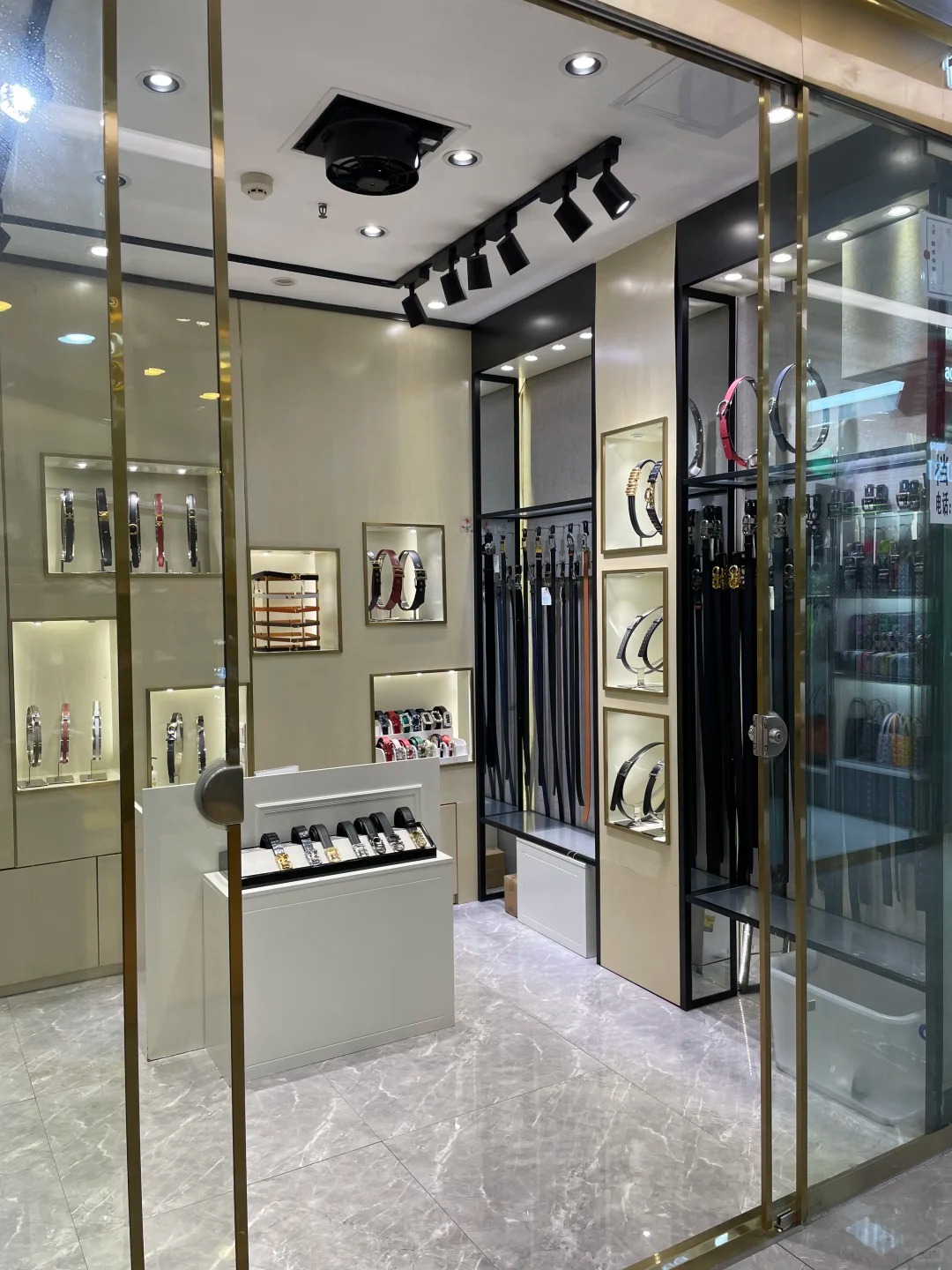
If you’re looking for a China jewelry fashion necklaces supplier, the answer is yes: hundreds of market stalls across Guangzhou, Yiwu, and Shenzhen offer instant access to vast inventories. No MOQ required. Pay cash, grab stock, and ship same day. This is the reality for serious buyers visiting physical sourcing hubs. The secret isn’t in online platforms—it’s in walking the aisles, feeling the weight of a chain, and checking the clasp under strong light. This guide pulls back the curtain on exactly how to work with wholesale market vendors for fashion necklaces.
Why Market Stalls Beat Online Directories
Alibaba and made-in-China sites list thousands of suppliers, but they rarely show actual inventory. Market stalls display their entire line on racks. You can inspect seven different thicknesses of a cuban link chain instantly. At places like Soudangkou, vendors expect you to touch and test. This tactile verification is gold when sourcing fashion necklaces—cheap plating flakes off, and poor soldering breaks quickly. Market sellers know their product defects and often point them out to avoid returns. This transparency is lost in online chat.
How to Evaluate Material and Craftsmanship
Don’t just look—feel. Run your fingers along the necklace edge. Rough spots mean poor finishing. Bend a link slightly; it should spring back, not deform. Check the clasp: lobster clasps should snap cleanly, and spring rings need tension. For gold-plated pieces, ask the vendor: “What’s the base metal?” Brass base with real gold flash is common, but ask for thickness (measured in microns). A good supplier will tell you 0.5–1 micron for fashion, 3+ for premium. Always check the back of the piece—often the finishing tells the true story.
| Question | Vendor Answer Expectation |
|---|---|
| What base metal is this? | Brass, copper, or stainless steel (common). Avoid zinc alloys. |
| How many microns gold plating? | 0.3-1 micron for fashion; 3+ for premium. If they don’t know, be careful. |
| Does it have nickel? | Yes/No. EU market requires nickel-free. Vendors usually know. |
| Can I test a sample before bulk? | Yes, they expect it. Buy 5 pieces first. |
| What’s your return policy? | Usually no returns on sold stock. Check for defects. |
| Do you have photos of your factory? | Some show; many are traders. OK if they show consistent quality. |
| Minimum order for different design? | Often 50-100 pieces per style. Mix designs possible. |
Spotting Quality from a Mile Away
The best China jewelry fashion necklaces suppliers sort stock by price tiers. A $2 necklace versus a $10 necklace might look similar in a photo, but in person, the difference is glaring. The $10 piece will have a heavier weight, smoother edges, and a brighter polish. Don’t be afraid to ask for the “best price” for a specific quality level. Vendors at hubs like Soudangkou understand you’re sourcing for your own shop and will negotiate.
Another tip: check the hook and eye closure. Twist it a few times. If it unscrews easily or feels loose, reject the batch. Good closures hold tight. Also, rub a white cloth across the necklace. If color transfers, it’s cheap dye or poor plating. This test alone can filter 40% of low-end fashion necklaces.
Cash & Carry: The Real Advantage of Physical Markets
When you land at a market, bring cash in small bills (20-100 RMB). Vendors often give a discount for cash payment—sometimes 5-10% off. You can buy 50 necklaces of one design, 20 of another, and 10 of third. That’s your mixed MOQ leverage. Most stalls will pack them in small poly bags with branded tags if you ask nicely. This is instant gratification sourcing: you leave with the goods, no waiting for shipping. For smaller buyers, this low-risk approach is perfect. You only buy what you see, and you see exactly what you buy.
广州服装档口相关入口
继续查看相关市场和品类入口,方便对比档口微信、货源范围、拿货方向和试单前需要核实的信息。